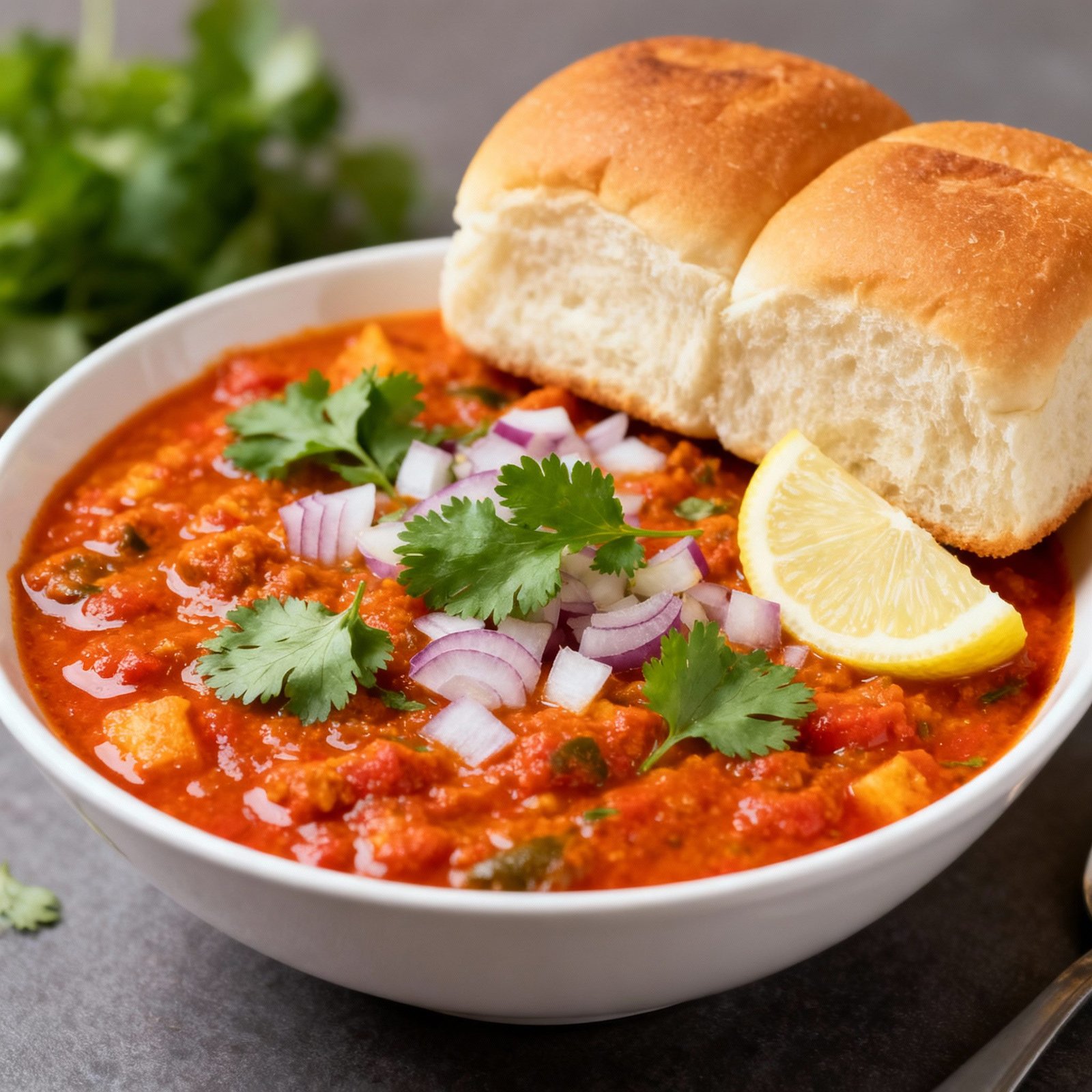
Pav Bhaji Recipe Video: Restaurant-Style Magic at Home!
Craving that spicy, buttery, and utterly irresistible street food sensation that is Pav Bhaji? You’re in the right place! This recipe brings the authentic flavors of Mumbai’s bustling street corners straight to your kitchen. Forget the takeout, we’re going to show you how to create a Pav Bhaji that’s even better than your favorite restaurant – and it’s easier than you think, especially with our helpful video guide!
Pav Bhaji is more than just a dish; it’s an experience. It’s the vibrant colors, the intoxicating aroma, and the perfect blend of spices that dance on your tongue. This recipe captures all of that, promising a flavorful adventure that will leave you wanting more. So, grab your ingredients, roll up your sleeves, and let’s embark on this culinary journey together! And don’t forget to watch our video for visual guidance – it’s packed with tips and tricks to ensure Pav Bhaji perfection.
Why This Recipe Works
This Pav Bhaji recipe isn’t just another collection of ingredients; it’s a carefully crafted formula for success. Here’s why it works so well:
- Balanced Spices: We use a specific blend of spices, including Pav Bhaji masala, chili powder, and turmeric, to achieve that signature flavor profile. The proportions are key, so follow the recipe closely!
- Vegetable Harmony: The combination of potatoes, cauliflower, peas, and other vegetables creates a delightful texture and flavor complexity. Each vegetable plays a crucial role in the overall taste.
- Butter, Butter, Butter: Let’s be honest, Pav Bhaji wouldn’t be Pav Bhaji without a generous amount of butter. It adds richness, flavor, and that irresistible sheen.
- The Secret Ingredient: A touch of amchur powder (dried mango powder) adds a subtle tang that elevates the entire dish.
- Video Guidance: Our accompanying video provides visual cues and demonstrations, making the process even easier to understand and follow. You’ll see exactly how to chop the vegetables, sauté the spices, and mash the bhaji to the perfect consistency.
Ingredients
- Vegetables:
- 2 large potatoes, peeled and cubed
- 1 medium cauliflower, cut into florets
- 1 cup green peas (fresh or frozen)
- 1 large onion, finely chopped
- 1 green bell pepper, finely chopped
- 2 medium tomatoes, finely chopped
- 1 inch ginger, grated
- 4-5 cloves garlic, minced
- 2-3 green chilies, finely chopped (adjust to your spice preference)
- Spices:
- 2 tablespoons Pav Bhaji masala
- 1 teaspoon red chili powder (adjust to your spice preference)
- 1/2 teaspoon turmeric powder
- 1/2 teaspoon coriander powder
- 1/4 teaspoon amchur powder (dried mango powder)
- Salt to taste
- Other:
- 4 tablespoons butter (plus more for serving)
- 2 tablespoons oil
- 1/4 cup chopped cilantro, for garnish
- Lemon wedges, for serving
- Pav (Indian bread rolls)
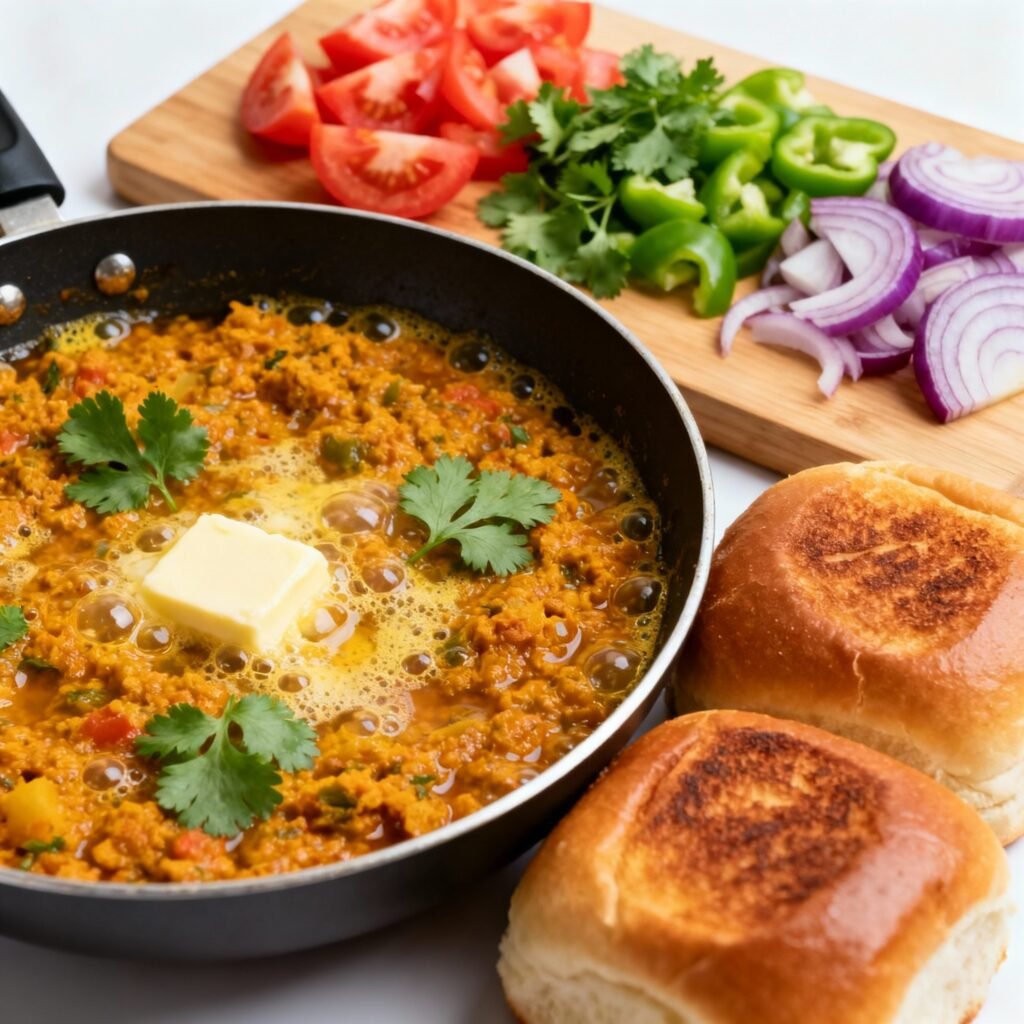
Instructions
- Prepare the Vegetables: In a large pot or pressure cooker, combine the potatoes, cauliflower, and green peas. Add enough water to cover the vegetables and a pinch of salt. Cook until the vegetables are tender. If using a pressure cooker, cook for 2-3 whistles.
- Sauté the Aromatics: While the vegetables are cooking, heat oil and 2 tablespoons of butter in a large pan or skillet over medium heat. Add the chopped onions and sauté until golden brown.
- Add Ginger, Garlic, and Chilies: Add the grated ginger, minced garlic, and chopped green chilies to the pan. Sauté for another minute until fragrant.
- Cook the Tomatoes and Bell Pepper: Add the chopped tomatoes and green bell pepper to the pan. Cook until the tomatoes are softened and the bell pepper is slightly tender.
- Add the Spices: Add the Pav Bhaji masala, red chili powder, turmeric powder, coriander powder, and amchur powder to the pan. Sauté for 1-2 minutes, stirring constantly, until the spices are fragrant and well combined. Be careful not to burn the spices.
- Mash the Vegetables: Once the vegetables are cooked, drain them and add them to the pan with the spices. Using a potato masher or a large spoon, mash the vegetables until they are well combined and have a smooth consistency. You can leave some small chunks for texture if desired.
- Simmer and Adjust: Add a cup of water to the pan to adjust the consistency of the bhaji. Bring the mixture to a simmer and cook for 10-15 minutes, stirring occasionally, until the flavors have melded together.
- Add Butter and Cilantro: Stir in the remaining 2 tablespoons of butter and the chopped cilantro. Taste and adjust the seasoning with salt and more spices if needed.
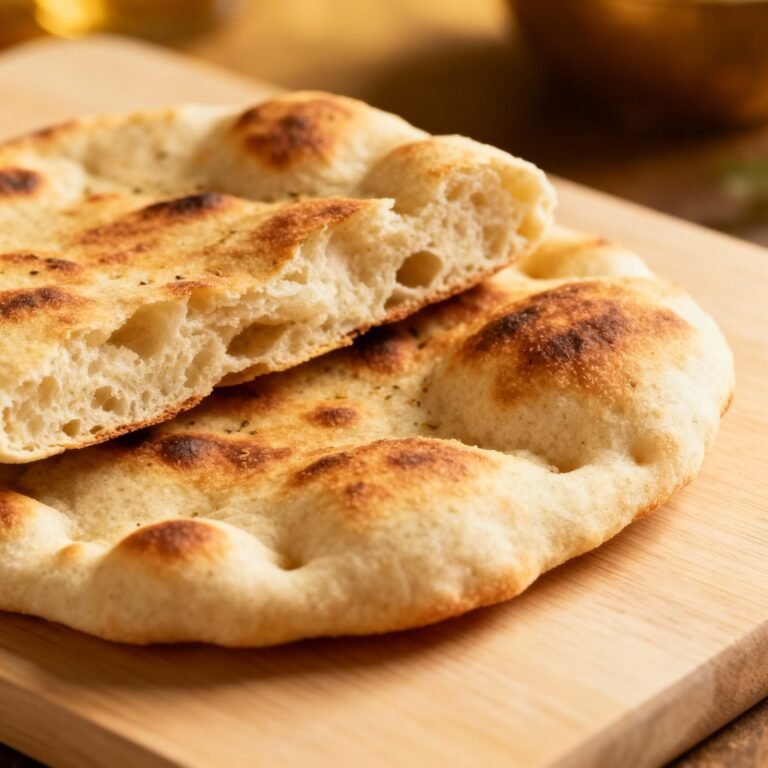
- Prepare the Pav: While the bhaji is simmering, heat a griddle or pan over medium heat. Slice the pav horizontally into two halves. Spread a little butter on each side of the pav and toast them on the griddle until golden brown and slightly crispy.
- Serve: Serve the hot Pav Bhaji garnished with a dollop of butter, chopped cilantro, and a lemon wedge. Enjoy with the toasted pav!
Tips for Success
- Don’t Skimp on the Butter: Butter is essential for the authentic flavor of Pav Bhaji. Use good quality butter for the best results.
- Adjust the Spice Level: Feel free to adjust the amount of chili powder and green chilies to suit your spice preference.
- Mash to Your Liking: Some people prefer a smoother bhaji, while others like it with more texture. Mash the vegetables to your desired consistency.
- Use Fresh Ingredients: Fresh vegetables and spices will make a big difference in the overall flavor of the dish.
- Taste and Adjust: Always taste the bhaji and adjust the seasoning as needed. You may need to add more salt, spices, or lemon juice to achieve the perfect balance of flavors.
- Watch the Video: Our video provides a visual guide to the entire process, making it even easier to follow along and achieve perfect results.
Storage Instructions
Leftover Pav Bhaji can be stored in an airtight container in the refrigerator for up to 2-3 days. To reheat, simply warm it up in a pan over medium heat, adding a little water if needed to prevent it from drying out. You can also reheat it in the microwave. The pav is best consumed fresh, but you can store leftover pav in an airtight container at room temperature for up to a day.
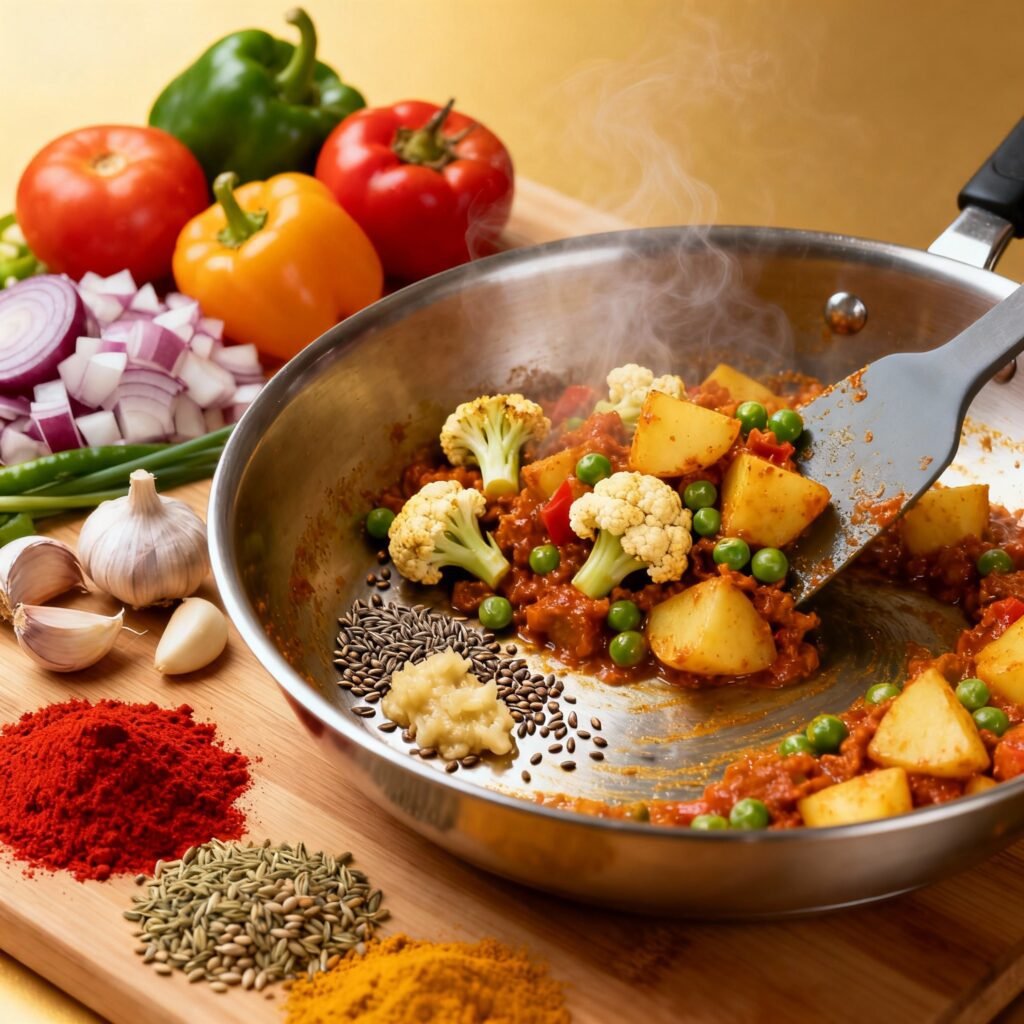
FAQ
Q: Can I use frozen vegetables?
A: Yes, you can use frozen vegetables, especially green peas. Just make sure to thaw them before cooking.
Q: Can I make Pav Bhaji without cauliflower?
A: While cauliflower adds a nice texture and flavor, you can omit it if you don’t have it on hand. You may need to add more of other vegetables, such as potatoes, to compensate.
Q: Can I use canned tomatoes?
A: Yes, you can use canned diced tomatoes if fresh tomatoes are not available. Drain the excess liquid before adding them to the pan.
Q: Where can I find Pav Bhaji masala?
A: Pav Bhaji masala is available at most Indian grocery stores and online retailers.
Q: Can I make Pav Bhaji in a slow cooker?
A: Yes, you can adapt this recipe for a slow cooker. Sauté the onions, ginger, garlic, and spices in a pan before adding them to the slow cooker with the vegetables and water. Cook on low for 6-8 hours or on high for 3-4 hours, until the vegetables are tender. Mash the vegetables before serving.
Conclusion
Congratulations! You’ve just learned how to make restaurant-quality Pav Bhaji at home. This recipe is a guaranteed crowd-pleaser, perfect for family dinners, parties, or a satisfying weeknight meal. With its vibrant flavors, comforting textures, and the added benefit of our easy-to-follow video, you’ll be whipping up batches of this delicious street food in no time. So, gather your ingredients, get cooking, and enjoy the authentic taste of Mumbai right in your own kitchen!