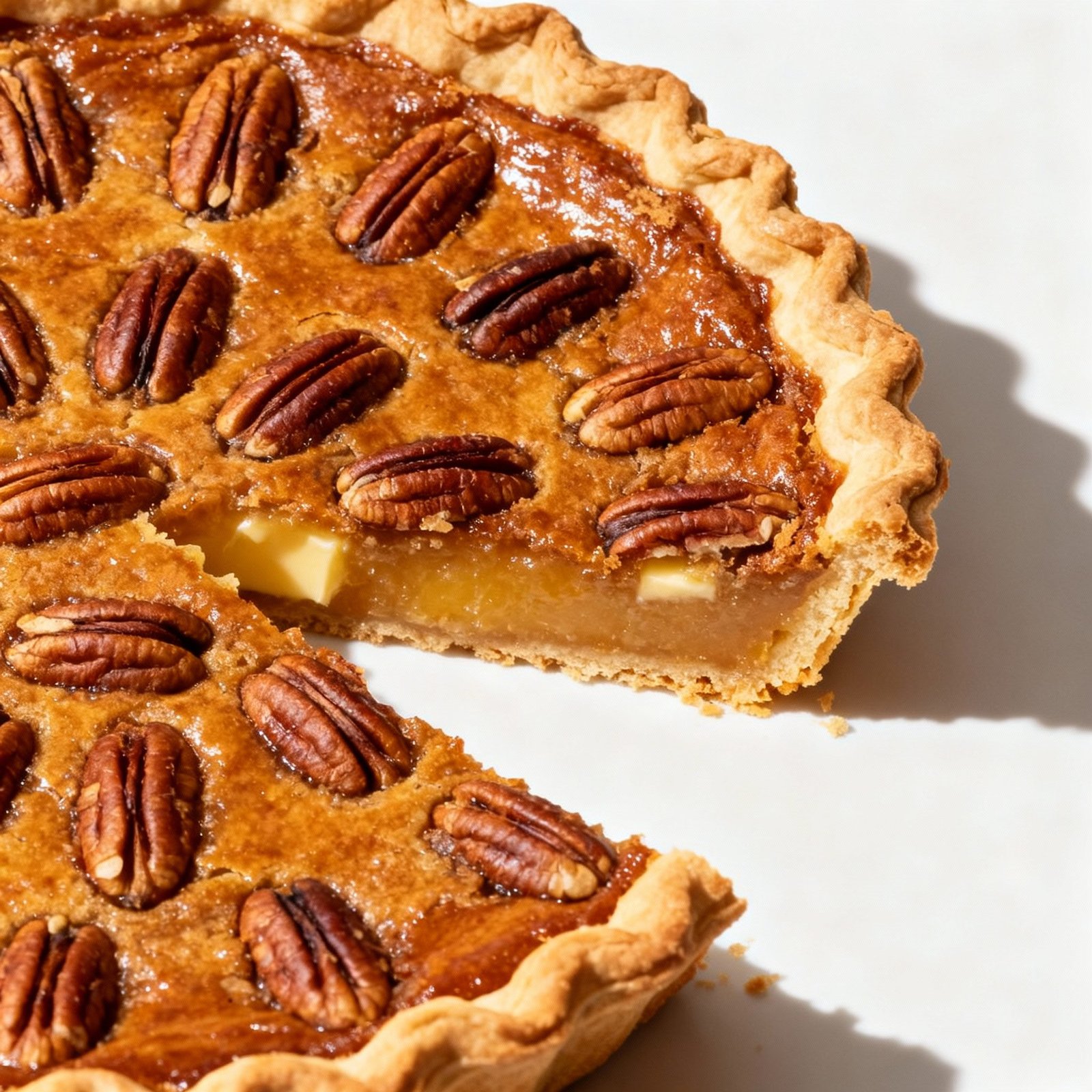
Pecan Pie Crust Recipe: The Secret to a Perfect Slice
Pecan pie. Just the name conjures up images of cozy holidays, warm kitchens, and that irresistible sweet, nutty flavor. But even the most delectable filling can’t save a pie with a subpar crust. A soggy, bland, or tough crust can ruin the entire experience. That’s why mastering the pecan pie crust is just as important as perfecting the filling itself. This recipe provides you with a foolproof, flaky, and flavorful pecan pie crust that will perfectly complement your pecan pie filling, making every slice a true delight.
Why This Recipe Works
This pecan pie crust recipe isn’t just another pie crust recipe. It’s specifically tailored to complement the rich, sweet filling of pecan pie. Here’s why it works so well:
- Pecans in the Crust: The secret ingredient! Finely ground pecans are incorporated directly into the crust dough. This adds a subtle nutty flavor that echoes the filling, creating a harmonious and delicious experience. It also helps to prevent the crust from becoming soggy, as the pecans absorb some of the moisture from the filling.
- Cold Ingredients: This is crucial for a flaky crust. Cold butter and ice water prevent the gluten in the flour from overdeveloping, resulting in a tender, flaky texture.
- Butter is Key: We use all butter for its superior flavor and flakiness. Shortening can be used, but it won’t provide the same rich, buttery taste.
- Minimal Mixing: Overmixing develops gluten, leading to a tough crust. We use a light touch to ensure a tender, melt-in-your-mouth texture.
- Blind Baking: Pre-baking (blind baking) the crust helps to prevent it from becoming soggy when the filling is added. This is especially important for pecan pie, which has a moist filling.
Ingredients
- 1 1/4 cups all-purpose flour
- 1/2 cup finely ground pecans
- 1/2 teaspoon salt
- 1/2 cup (1 stick) cold unsalted butter, cut into small cubes
- 4-6 tablespoons ice water

Instructions
- Prepare the Dry Ingredients: In a large bowl, whisk together the flour, ground pecans, and salt.
- Cut in the Butter: Add the cold butter cubes to the flour mixture. Using a pastry blender or your fingertips, cut the butter into the flour until the mixture resembles coarse crumbs. You should still see small pieces of butter throughout.
- Add the Ice Water: Gradually add the ice water, one tablespoon at a time, mixing gently after each addition. Stop adding water when the dough just comes together. Be careful not to overmix.
- Form the Dough: Gently form the dough into a disc. Wrap it tightly in plastic wrap and refrigerate for at least 30 minutes, or up to 2 hours. This allows the gluten to relax and the butter to firm up, making the dough easier to roll out.
- Roll Out the Dough: On a lightly floured surface, roll out the dough into a 12-inch circle.
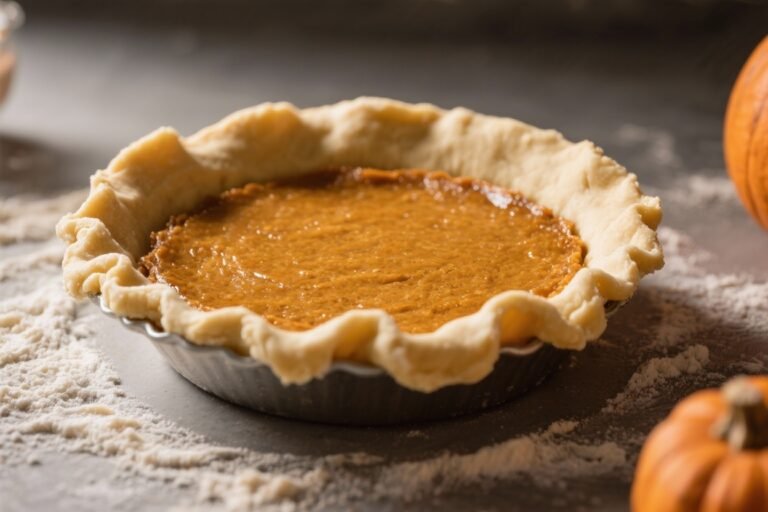
- Transfer to Pie Plate: Carefully transfer the dough to a 9-inch pie plate. Trim any excess dough and crimp the edges as desired.
- Pre-chill the Crust: Place the pie crust in the freezer for 15-20 minutes. This helps prevent the crust from shrinking during baking.
- Preheat Oven and Prepare Crust for Blind Baking: Preheat your oven to 375°F (190°C). Line the pie crust with parchment paper and fill it with pie weights or dried beans. This will prevent the crust from puffing up during baking.
- Blind Bake: Bake for 20 minutes. Remove the parchment paper and pie weights and bake for another 10-15 minutes, or until the crust is lightly golden brown.
- Cool and Fill: Let the crust cool completely before filling with your favorite pecan pie filling.
- Bake Filled Pie: Bake the filled pie according to your specific pecan pie filling recipe. Monitor the crust during baking; if it starts to brown too quickly, cover the edges with foil.
Tips for Success
- Keep Everything Cold: This cannot be stressed enough! Cold ingredients are essential for a flaky crust. Use ice water and make sure your butter is very cold. You can even chill your flour and mixing bowl before starting.
- Don’t Overmix: Overmixing develops gluten, resulting in a tough crust. Mix the dough just until it comes together.
- Rest the Dough: Refrigerating the dough allows the gluten to relax, making it easier to roll out and preventing it from shrinking during baking.
- Use a Pastry Blender or Your Fingertips: Both tools are effective for cutting the butter into the flour. If using your fingertips, work quickly to prevent the butter from melting.
- Blind Baking is Crucial: Don’t skip the blind baking step! It prevents the crust from becoming soggy and ensures a crisp, sturdy base for your pecan pie filling.
- Check for Browning: Keep an eye on the crust while it’s baking. If it starts to brown too quickly, cover the edges with foil.
- Use High-Quality Butter: The flavor of the butter will shine through in the crust, so use the best quality you can afford.
Storage Instructions
- Unbaked Crust: The unbaked pie crust can be stored in the refrigerator for up to 2 days or in the freezer for up to 2 months. Wrap it tightly in plastic wrap and then in a freezer bag.
- Baked Crust: The baked pie crust can be stored at room temperature for up to 2 days. Cover it loosely with plastic wrap to prevent it from drying out.
- Pecan Pie: Once filled and baked, pecan pie should be stored in the refrigerator. It will keep for up to 3-4 days.

FAQ
- Can I use shortening instead of butter? While butter is recommended for the best flavor, shortening can be used. Use the same amount as butter. The crust may be slightly less flavorful and flaky.
- Can I use a food processor? Yes, you can use a food processor to make the dough. Pulse the flour, pecans, and salt together. Add the cold butter and pulse until the mixture resembles coarse crumbs. Then, gradually add the ice water, pulsing until the dough just comes together.
- Why is my crust shrinking? Shrinking is often caused by overworking the dough or not chilling it properly. Make sure to follow the instructions carefully and avoid overmixing. Chilling the dough before and after rolling it out is also essential.
- Why is my crust tough? A tough crust is usually caused by overmixing the dough, which develops too much gluten. Be gentle when mixing and avoid overworking the dough.
- Can I freeze the baked pecan pie? Yes, you can freeze the baked pecan pie. Wrap it tightly in plastic wrap and then in foil. It will keep in the freezer for up to 2 months. Thaw it in the refrigerator overnight before serving.
Conclusion
With this pecan pie crust recipe in your arsenal, you’re well on your way to creating a truly unforgettable pecan pie. The combination of flaky texture, subtle nutty flavor, and foolproof instructions will ensure a perfect slice every time. So, gather your ingredients, follow the steps, and get ready to impress your family and friends with your baking prowess. Happy baking!