Perfect Pound Cake Recipe: The Secret to Golden, Buttery Bliss
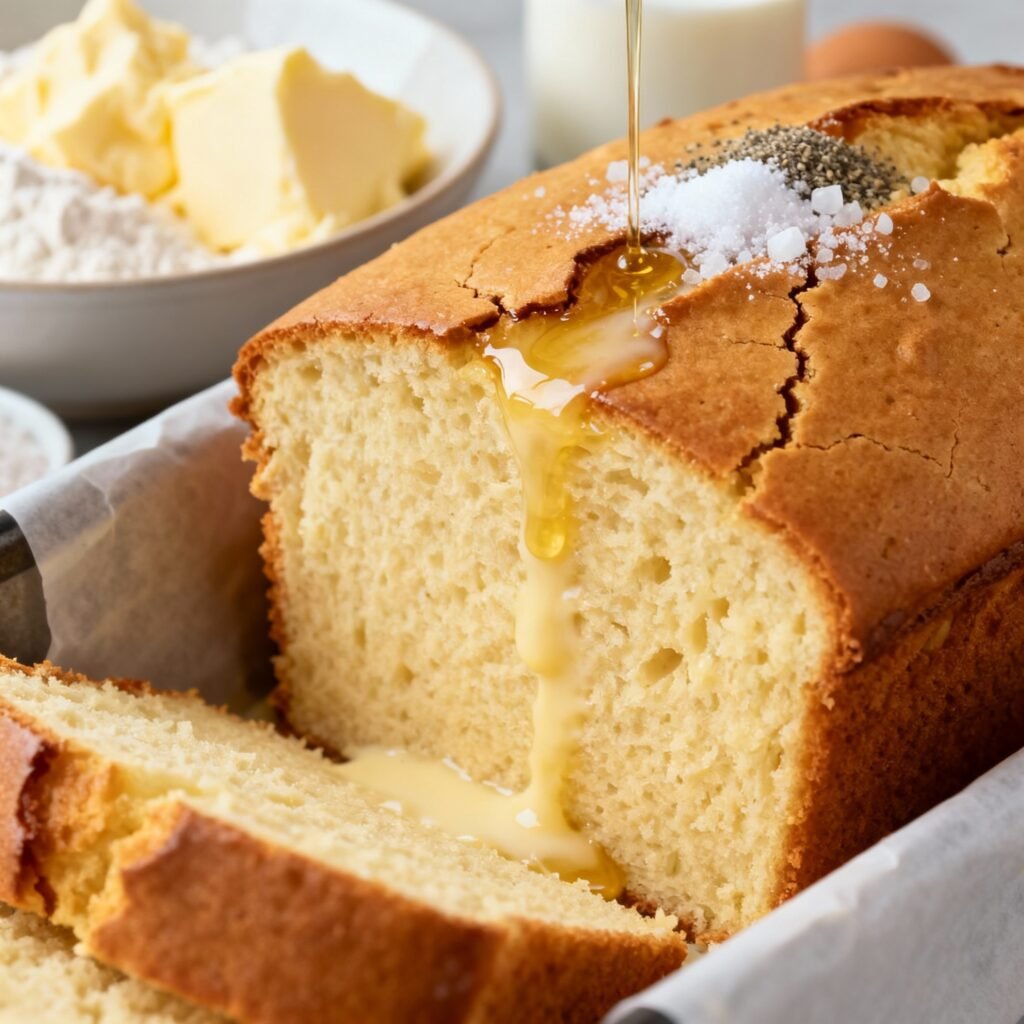
There’s a reason pound cake is a classic. It’s simple, comforting, and utterly delicious. But achieving that *perfect* pound cake – the one with the tight crumb, golden crust, and rich, buttery flavor – can feel elusive. Too often, it’s dense, dry, or bland. This recipe, however, cracks the code. We’ve meticulously tested and refined every step to guarantee a foolproof, melt-in-your-mouth pound cake that will impress every time.
Why This Recipe Works
This recipe isn’t just a list of ingredients; it’s a carefully crafted method designed to maximize flavor and texture. Here’s why it stands out:
- Creaming is Key: We emphasize thorough creaming of the butter and sugar. This incorporates air, creating a light and airy batter that results in a tender crumb. Don’t rush this step!
- Room Temperature is Crucial: Using room temperature butter and eggs allows them to emulsify properly, leading to a smooth batter and preventing curdling.
- The Right Ratio: We stick to the traditional pound cake ratio – one pound each of butter, sugar, eggs, and flour – but with a few tweaks to enhance flavor and texture.
- Gentle Mixing: Overmixing develops gluten, resulting in a tough cake. We use a gentle hand when incorporating the flour to maintain a delicate crumb.
- Low and Slow Baking: Baking at a lower temperature allows the cake to rise evenly and develop a beautiful golden crust without drying out.
Ingredients
- 1 cup (2 sticks or 226g) unsalted butter, softened to room temperature
- 2 cups (400g) granulated sugar
- 4 large eggs, at room temperature
- 1 teaspoon vanilla extract
- 1/2 teaspoon almond extract (optional, but highly recommended)
- 2 cups (250g) all-purpose flour
- 1/4 teaspoon baking powder
- 1/4 teaspoon salt
- 1/2 cup milk, at room temperature
Instructions
- Preheat and Prep: Preheat your oven to 325°F (160°C). Grease and flour a 9×5 inch loaf pan. You can also line the bottom with parchment paper for easy removal.
- Cream Butter and Sugar: In a large bowl, using an electric mixer, cream together the softened butter and granulated sugar until light and fluffy. This should take about 5-7 minutes. Scrape down the sides of the bowl occasionally.
- Add Eggs: Beat in the eggs one at a time, ensuring each egg is fully incorporated before adding the next. Add the vanilla and almond extract (if using) and mix until combined.
- Combine Dry Ingredients: In a separate bowl, whisk together the flour, baking powder, and salt.
- Alternate Wet and Dry Ingredients: Gradually add the dry ingredients to the wet ingredients, alternating with the milk. Begin and end with the dry ingredients. Mix on low speed until just combined. Be careful not to overmix. For example, add 1/3 of the dry ingredients, mix until *just* combined, then add 1/2 of the milk, mix, then another 1/3 of the dry ingredients, mix, then the remaining milk, mix, and finally the rest of the dry ingredients.
- Pour into Pan: Pour the batter into the prepared loaf pan and spread evenly.
- Bake: Bake for 60-70 minutes, or until a wooden skewer inserted into the center comes out clean. The top should be golden brown.
- Cool: Let the cake cool in the pan for 10-15 minutes before inverting it onto a wire rack to cool completely.
Tips for Success
- Don’t Skimp on Creaming: This is the most important step! Properly creaming the butter and sugar is essential for a light and airy cake.
- Use Room Temperature Ingredients: This ensures proper emulsification and prevents curdling. Take your butter and eggs out of the refrigerator at least an hour before baking.
- Measure Accurately: Use measuring cups and spoons correctly. Spoon the flour into the measuring cup and level it off with a knife. Avoid scooping directly from the bag, as this can pack the flour and lead to a dry cake. A kitchen scale provides the most accurate results.
- Don’t Overmix: Overmixing develops gluten, resulting in a tough cake. Mix until just combined.
- Check for Doneness: Use a wooden skewer to test for doneness. If the skewer comes out with wet batter, continue baking for a few more minutes and check again.
- Cool Completely: Allow the cake to cool completely before slicing to prevent it from crumbling.
- Add Citrus Zest: For a bright and zesty flavor, add the zest of one lemon or orange to the batter.
- Experiment with Extracts: Try different extracts, such as lemon, orange, or rum, to customize the flavor.
Storage Instructions
Store the pound cake in an airtight container at room temperature for up to 3 days, or in the refrigerator for up to a week. For longer storage, wrap the cake tightly in plastic wrap and freeze for up to 2 months. Thaw overnight in the refrigerator before serving.

FAQ
Q: Can I use salted butter?
A: While you can use salted butter, it’s best to use unsalted butter so you can control the amount of salt in the recipe. If you use salted butter, omit the salt listed in the ingredients.
Q: Can I substitute the all-purpose flour with cake flour?
A: Yes, you can substitute all-purpose flour with cake flour for an even more tender crumb. However, the cake may be slightly more delicate. Use the same amount of cake flour as all-purpose flour.
Q: My cake is dry. What did I do wrong?
A: Several factors can contribute to a dry cake, including overbaking, using too much flour, or not creaming the butter and sugar properly. Make sure to measure your ingredients accurately, avoid overmixing, and bake until a wooden skewer inserted into the center comes out clean.
Q: My cake is dense. What did I do wrong?
A: A dense cake can be caused by not creaming the butter and sugar enough, overmixing the batter, or using cold ingredients. Ensure your butter and sugar are properly creamed until light and fluffy, use room temperature ingredients, and avoid overmixing.
Q: Can I add chocolate chips?
A: Absolutely! Fold in about 1 cup of chocolate chips into the batter before pouring it into the loaf pan.
Conclusion
This perfect pound cake recipe is more than just a recipe; it’s a gateway to countless variations and flavor combinations. From simple vanilla to zesty lemon or decadent chocolate chip, the possibilities are endless. With its golden crust, tender crumb, and rich buttery flavor, this pound cake is sure to become a new family favorite. So, preheat your oven, gather your ingredients, and get ready to bake a cake that’s truly unforgettable. Enjoy!