Persimmon Bread Recipe Easy: Fall’s Sweetest Treat!
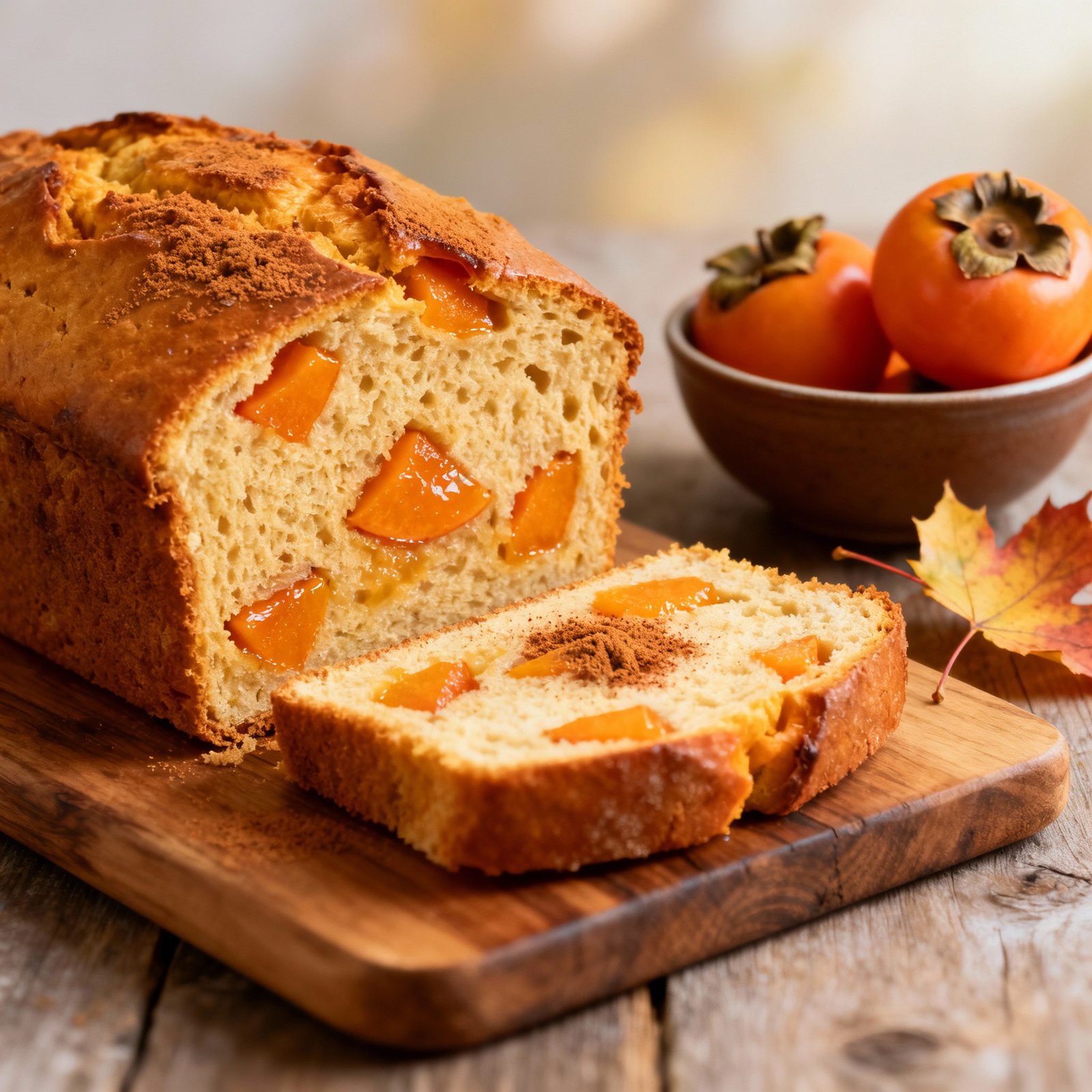
Fall is in the air, and that means one thing: it’s persimmon season! If you’re lucky enough to have a persimmon tree overflowing with these vibrant orange fruits, or if you’ve spotted them at your local farmers market, you’re in for a treat. And what better way to enjoy the unique sweetness of persimmons than in a loaf of moist, delicious persimmon bread? This easy persimmon bread recipe is perfect for novice bakers and seasoned pros alike. It requires minimal effort, uses readily available ingredients, and delivers a bread that’s bursting with flavor and incredibly moist. Get ready to fill your kitchen with the warm, comforting aroma of autumn!
Why This Recipe Works
This persimmon bread recipe is designed for simplicity and guaranteed success. Here’s why it works so well:
- Using Ripe Persimmons: The key to great persimmon bread is using perfectly ripe persimmons. They should be soft to the touch, almost jelly-like. This ensures maximum sweetness and moisture in the final product. We’ll use the pulp of the persimmon, which contributes to the bread’s tender crumb.
- Oil-Based Recipe: Instead of butter, this recipe uses oil, which contributes to a moister bread that stays fresh longer. Oil also helps to create a more even texture.
- Simple Mixing Method: No fancy techniques are required! This recipe uses a straightforward mixing method that minimizes gluten development, resulting in a tender bread.
- Balanced Spices: A blend of cinnamon, nutmeg, and cloves adds warmth and depth of flavor that complements the persimmon beautifully. You can adjust the spices to your personal preference.
- One-Bowl Wonder (Almost!): We try to minimize dishes as much as possible. While you’ll need a separate bowl for the wet ingredients, the dry ingredients can all be combined in one bowl, making cleanup a breeze.
Ingredients
- 2 cups all-purpose flour
- 1 teaspoon baking soda
- 1/2 teaspoon salt
- 1 teaspoon ground cinnamon
- 1/2 teaspoon ground nutmeg
- 1/4 teaspoon ground cloves
- 1 cup granulated sugar
- 1/2 cup packed brown sugar
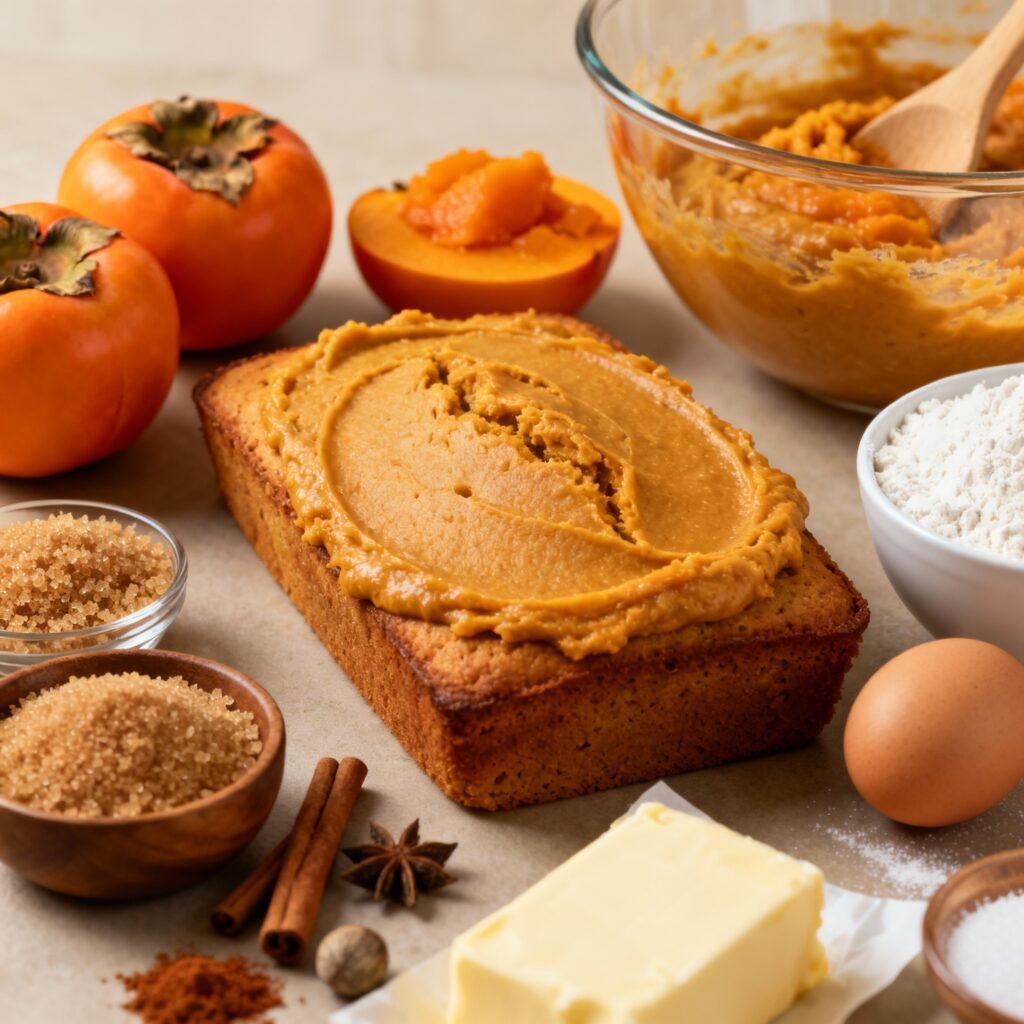
- 1 cup persimmon pulp (from about 3-4 ripe persimmons, depending on size)
- 1/2 cup vegetable oil
- 2 large eggs, lightly beaten
- 1/4 cup chopped walnuts or pecans (optional)
Instructions
- Preheat and Prepare: Preheat your oven to 350°F (175°C). Grease and flour a 9×5 inch loaf pan. Alternatively, you can line the pan with parchment paper, leaving an overhang for easy removal.
- Combine Dry Ingredients: In a large bowl, whisk together the flour, baking soda, salt, cinnamon, nutmeg, and cloves.
- Combine Sugars: Add the granulated sugar and brown sugar to the dry ingredients. Whisk to combine well and break up any clumps of brown sugar.
- Prepare the Wet Ingredients: In a separate bowl, combine the persimmon pulp, oil, and eggs. Whisk until well combined.
- Combine Wet and Dry: Pour the wet ingredients into the dry ingredients and stir until just combined. Be careful not to overmix. A few lumps are okay.
- Add Nuts (Optional): If using, gently fold in the chopped walnuts or pecans.
- Pour into Pan: Pour the batter into the prepared loaf pan, spreading it evenly.
- Bake: Bake for 50-60 minutes, or until a wooden skewer inserted into the center comes out clean or with just a few moist crumbs attached.
- Cool: Let the bread cool in the pan for 10-15 minutes before transferring it to a wire rack to cool completely.
- Slice and Serve: Once completely cooled, slice and serve. Enjoy!
Tips for Success
Here are a few tips to ensure your persimmon bread turns out perfectly every time:
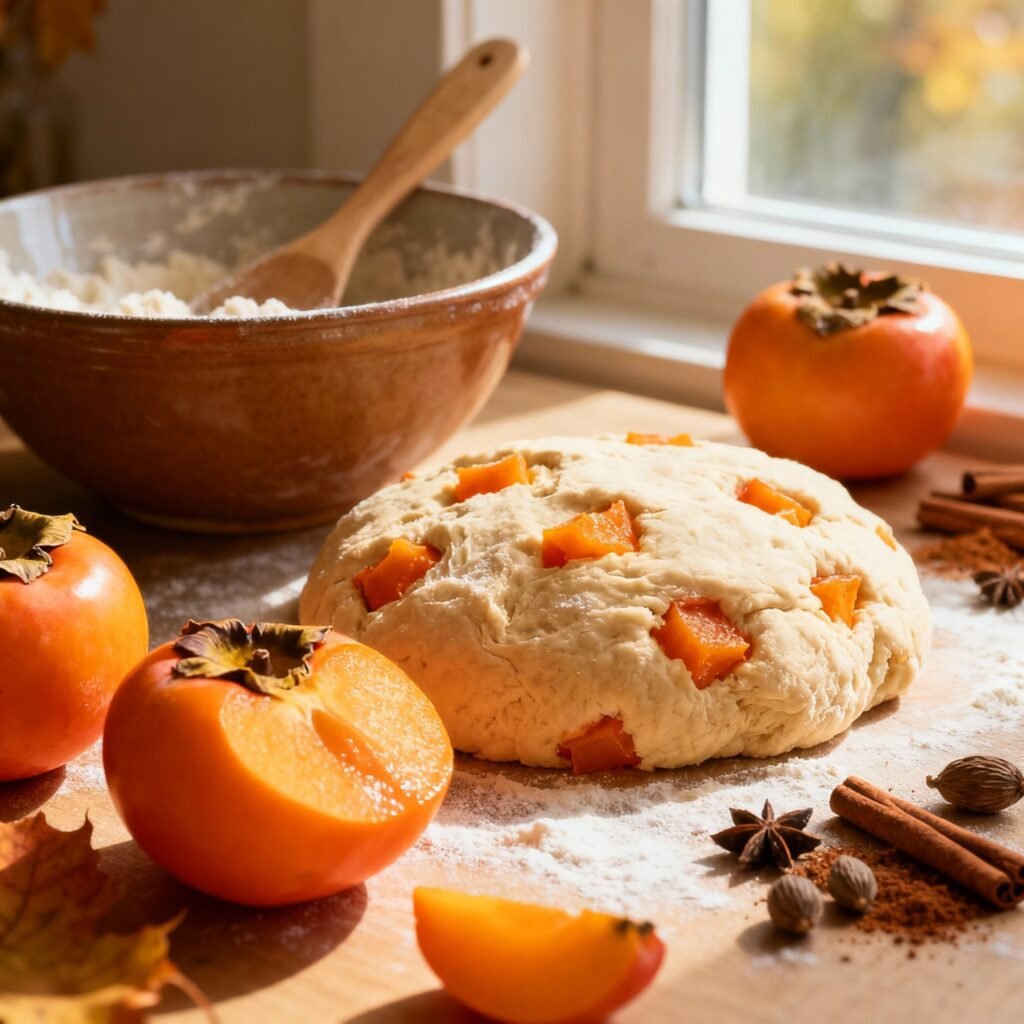
- Use the Right Persimmons: This is crucial! Hachiya persimmons are best for baking. They are astringent when unripe, but become incredibly sweet and soft when fully ripe. Fuyu persimmons can be eaten when firm, but are not ideal for this recipe. Make sure your Hachiya persimmons are almost bursting before using them.
- Prepare Persimmon Pulp: To prepare the pulp, simply scoop out the soft flesh from the ripe persimmons and discard the skin. You can use a food processor or blender for a smoother pulp, but it’s not necessary.
- Don’t Overmix: Overmixing develops gluten, which can result in a tough bread. Mix just until the wet and dry ingredients are combined.
- Check for Doneness: Every oven is different, so start checking for doneness around 50 minutes. If the top of the bread is browning too quickly, you can tent it with foil.
- Let it Cool Completely: Resist the urge to slice into the bread while it’s still warm. Letting it cool completely allows the flavors to meld and the texture to set.
- Add Variations: Feel free to add chocolate chips, dried cranberries, or other spices like ginger or cardamom to customize your bread.
Storage Instructions
To keep your persimmon bread fresh:
- Room Temperature: Store the cooled bread in an airtight container at room temperature for up to 3 days.
- Refrigerator: For longer storage, wrap the bread tightly in plastic wrap and store it in the refrigerator for up to a week.
- Freezer: For long-term storage, wrap the bread tightly in plastic wrap, then place it in a freezer bag. Freeze for up to 2-3 months. Thaw completely at room temperature before serving.
FAQ
Q: Can I use frozen persimmon pulp?
A: Yes, you can use frozen persimmon pulp. Just thaw it completely and drain any excess liquid before using it in the recipe.
Q: Can I reduce the amount of sugar?
A: You can reduce the sugar slightly, but keep in mind that sugar contributes to the bread’s moisture and texture. Reducing it too much may result in a drier bread.
Q: Can I make this recipe gluten-free?
A: Yes, you can substitute the all-purpose flour with a gluten-free all-purpose flour blend. Be sure to use a blend that contains xanthan gum for the best results.
Q: My persimmons are not very sweet. Can I add more sugar?
A: If your persimmons aren’t very sweet, you can add a tablespoon or two of extra sugar. However, remember that the sweetness will intensify as the bread bakes.
Q: Can I use a different type of oil?
A: Yes, you can use other neutral-flavored oils like canola oil or grapeseed oil. Avoid using strongly flavored oils like olive oil, as they may overpower the flavor of the persimmons.
Conclusion
This easy persimmon bread recipe is a delightful way to celebrate the flavors of fall. With its moist texture, warm spices, and unique persimmon flavor, it’s sure to become a family favorite. So, gather your ripe persimmons, preheat your oven, and get ready to bake a loaf of pure autumnal goodness! Enjoy this sweet treat with a cup of coffee or tea for the perfect cozy afternoon snack. Happy baking!