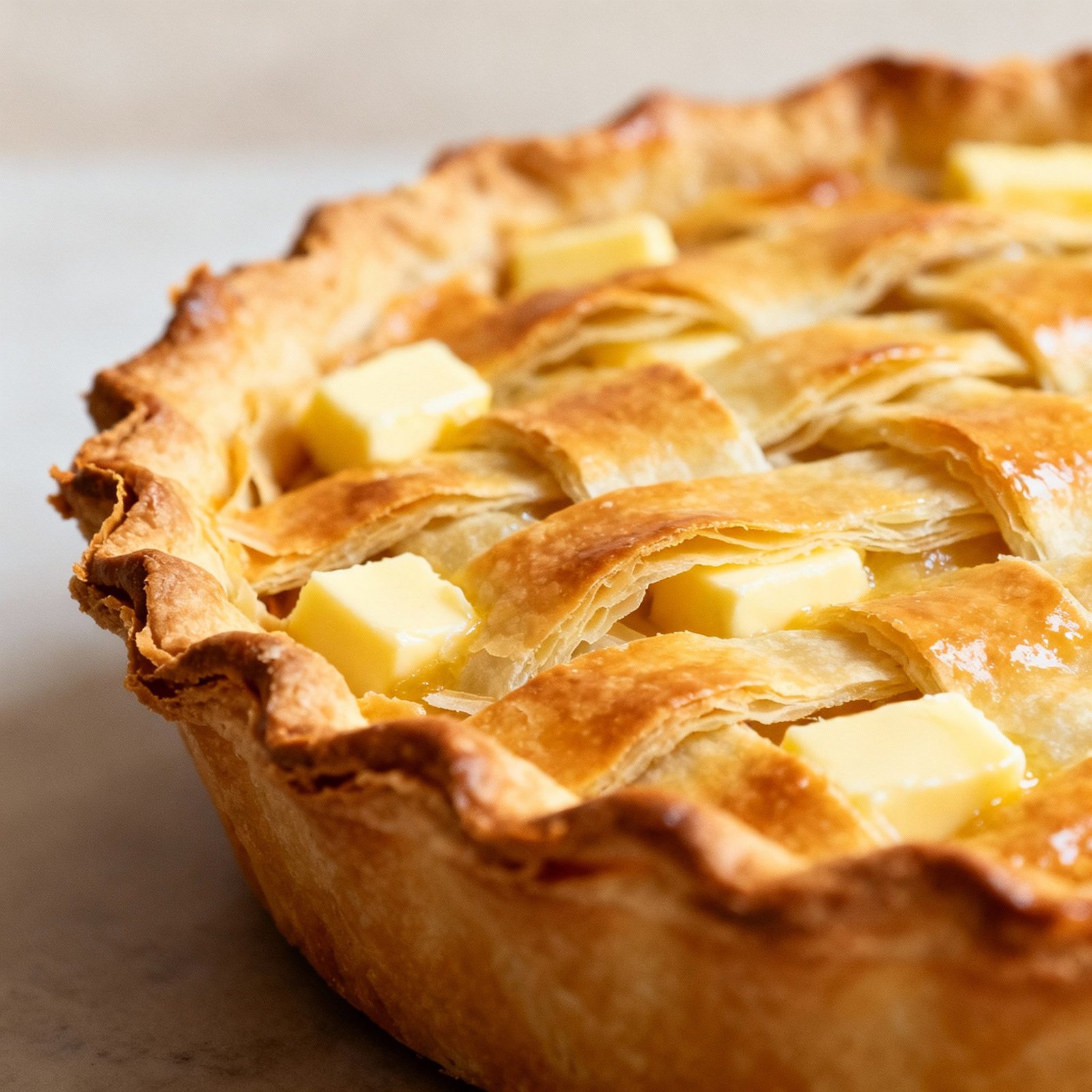
Pie Crust Recipe with Butter: The Flakiest, Most Delicious Crust You’ll Ever Make!
Ah, pie crust. The foundation of so many delectable desserts, yet often the source of kitchen frustration. But fear not! This isn’t just another pie crust recipe; it’s your guide to achieving pie crust perfection. We’re talking golden brown, buttery, and melt-in-your-mouth flaky. This recipe focuses on using butter, the key to that irresistible flavor and texture that makes a pie truly special. Forget tough, bland crusts – with a few simple techniques and this foolproof recipe, you’ll be baking pies that will impress everyone!
Why This Recipe Works
This recipe isn’t just a list of ingredients; it’s a carefully crafted method designed for success. Here’s why it works:
- Butter is King: We use a generous amount of butter, which creates layers of fat that melt during baking, resulting in a flaky crust.
- Cold, Cold, Cold: Keeping everything cold – the butter, the water, even your hands – is crucial. Cold butter prevents the gluten from overdeveloping, leading to a tender crust.
- Minimal Mixing: Overmixing develops gluten, making the crust tough. We use a gentle hand and stop mixing as soon as the dough comes together.
- Resting Time: Allowing the dough to rest in the refrigerator relaxes the gluten, making it easier to roll out and preventing shrinkage during baking.
- Blind Baking Tips: We’ll provide tips for blind baking, ensuring a perfectly crisp bottom crust even when filled with a wet filling.
Ingredients
- 2 1/2 cups (315g) all-purpose flour, plus more for dusting
- 1 teaspoon salt
- 1 cup (2 sticks, 226g) unsalted butter, very cold and cut into 1/2-inch cubes
- 6-8 tablespoons (90-120ml) ice water
Instructions
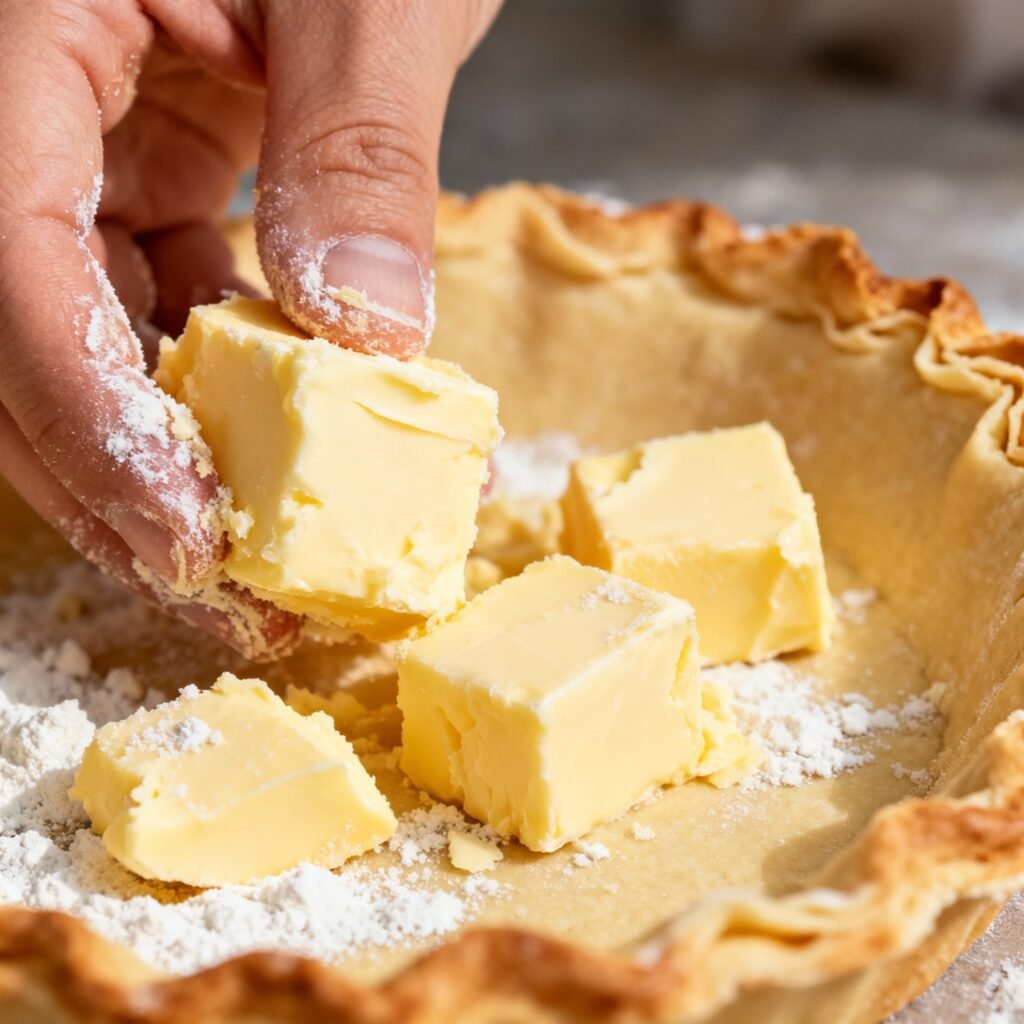
- Prepare the Butter: Cut the cold butter into 1/2-inch cubes. Place the butter cubes in the freezer for 15-20 minutes before starting. This ensures they stay as cold as possible.
- Combine Dry Ingredients: In a large bowl, whisk together the flour and salt.
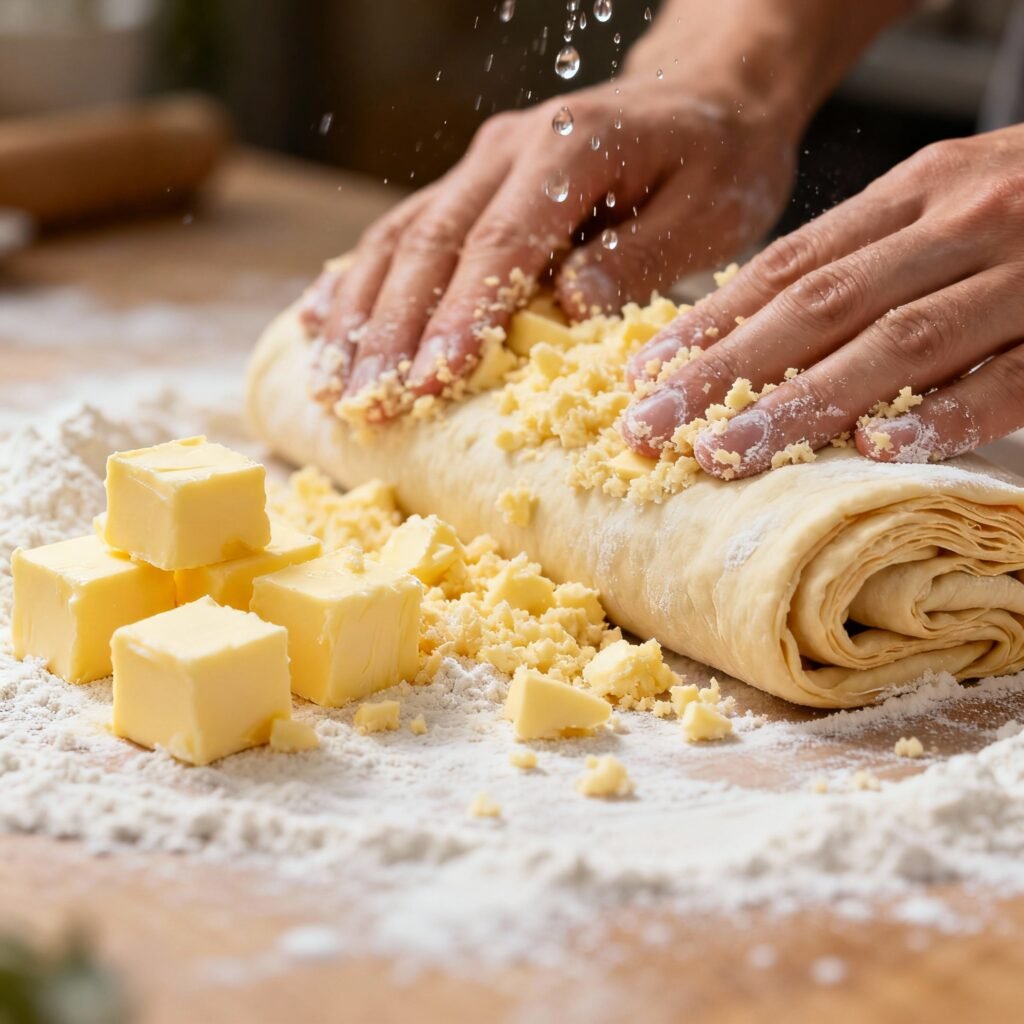
- Cut in the Butter: Add the cold butter to the flour mixture. Using a pastry blender or your fingertips (work quickly to avoid warming the butter), cut the butter into the flour until the mixture resembles coarse crumbs. You should still see some pea-sized pieces of butter. These pieces are what create the flaky layers.
- Add Ice Water: Gradually add the ice water, one tablespoon at a time, mixing lightly after each addition. Use just enough water to bring the dough together. The dough should be slightly shaggy and not completely smooth.
- Form the Dough: Gently gather the dough into a ball. Divide the dough in half. Flatten each half into a disc about 1 inch thick.
- Chill the Dough: Wrap each disc tightly in plastic wrap and refrigerate for at least 2 hours, or preferably overnight. This allows the gluten to relax and the butter to firm up.
- Roll Out the Dough: On a lightly floured surface, roll out one disc of dough into a circle about 12 inches in diameter (for a 9-inch pie plate). Keep the dough moving and add more flour as needed to prevent sticking.
- Transfer to Pie Plate: Gently transfer the dough to the pie plate. Press the dough into the bottom and up the sides of the plate.
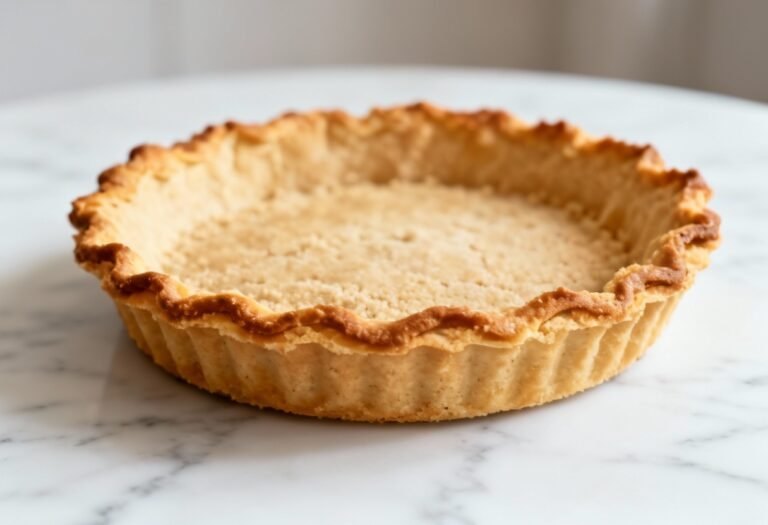
- Trim and Crimp: Trim any excess dough from the edges of the pie plate. Crimp the edges of the crust using a fork or your fingers to create a decorative border.
- Chill Again (Important!): Place the prepared pie crust in the refrigerator for at least 30 minutes before filling or blind baking. This helps prevent shrinkage during baking.
- Blind Baking (If Necessary): If your pie filling requires a pre-baked crust (blind baking), preheat your oven to 375°F (190°C). Line the pie crust with parchment paper and fill it with pie weights or dried beans. Bake for 15-20 minutes, or until the edges are lightly golden brown. Remove the parchment paper and weights and bake for another 5-10 minutes, or until the bottom crust is golden brown. Let cool completely before filling.
- Fill and Bake (If Not Blind Baking): Fill the pie crust with your desired filling and bake according to the filling recipe instructions.
Tips for Success
- Use a Food Processor (Optional): You can use a food processor to cut the butter into the flour. Pulse until the mixture resembles coarse crumbs. Be careful not to over-process.
- Don’t Overwork the Dough: The less you handle the dough, the more tender the crust will be.
- Keep Everything Cold: Seriously, this is the most important tip! Use ice water, cold butter, and refrigerate the dough as instructed.
- Use a Marble Pastry Board (Optional): A marble pastry board stays cool, which helps keep the butter from melting.
- Dock the Crust: If you’re not blind baking, prick the bottom of the crust with a fork several times to prevent it from puffing up during baking.
- Egg Wash for a Shiny Crust (Optional): Before baking, brush the crust with an egg wash (1 egg beaten with 1 tablespoon of water) for a golden brown and shiny finish.
- Prevent Burning: If the edges of the crust are browning too quickly during baking, cover them with foil or a pie shield.
Storage Instructions
- Unbaked Dough: Unbaked pie dough can be stored in the refrigerator for up to 3 days or in the freezer for up to 3 months. Thaw frozen dough in the refrigerator overnight before using.
- Baked Crust: A baked pie crust can be stored at room temperature for up to 2 days. Cover it loosely to prevent it from drying out.
- Baked Pie: Store a baked pie according to the filling recipe instructions. Most fruit pies can be stored at room temperature for up to 2 days, while cream pies should be refrigerated.
FAQ
Q: Can I use salted butter?
A: While you can, it’s generally recommended to use unsalted butter so you can control the amount of salt in the recipe. If you use salted butter, omit the salt in the recipe or reduce it by half.
Q: Can I use shortening instead of butter?
A: Shortening will create a more tender crust, but it won’t have the same rich flavor as butter. You can use a combination of butter and shortening for a good balance of flavor and texture.
Q: My dough is too dry. What should I do?
A: Add a little more ice water, one tablespoon at a time, until the dough comes together. Be careful not to add too much water, or the crust will be tough.
Q: My dough is too sticky. What should I do?
A: Add a little more flour, one tablespoon at a time, until the dough is no longer sticky. Refrigerate the dough for at least 30 minutes to firm it up.
Q: Why is my crust shrinking during baking?
A: This is usually caused by gluten development. Make sure to keep the butter cold, avoid overmixing the dough, and allow the dough to rest in the refrigerator before rolling it out and again after placing it in the pie plate.
Conclusion
There you have it – a foolproof pie crust recipe that will transform your baking game. With a little patience and attention to detail, you’ll be creating flaky, buttery pie crusts that are sure to impress. So go ahead, grab your ingredients, and get ready to bake the best pie of your life! Happy baking!