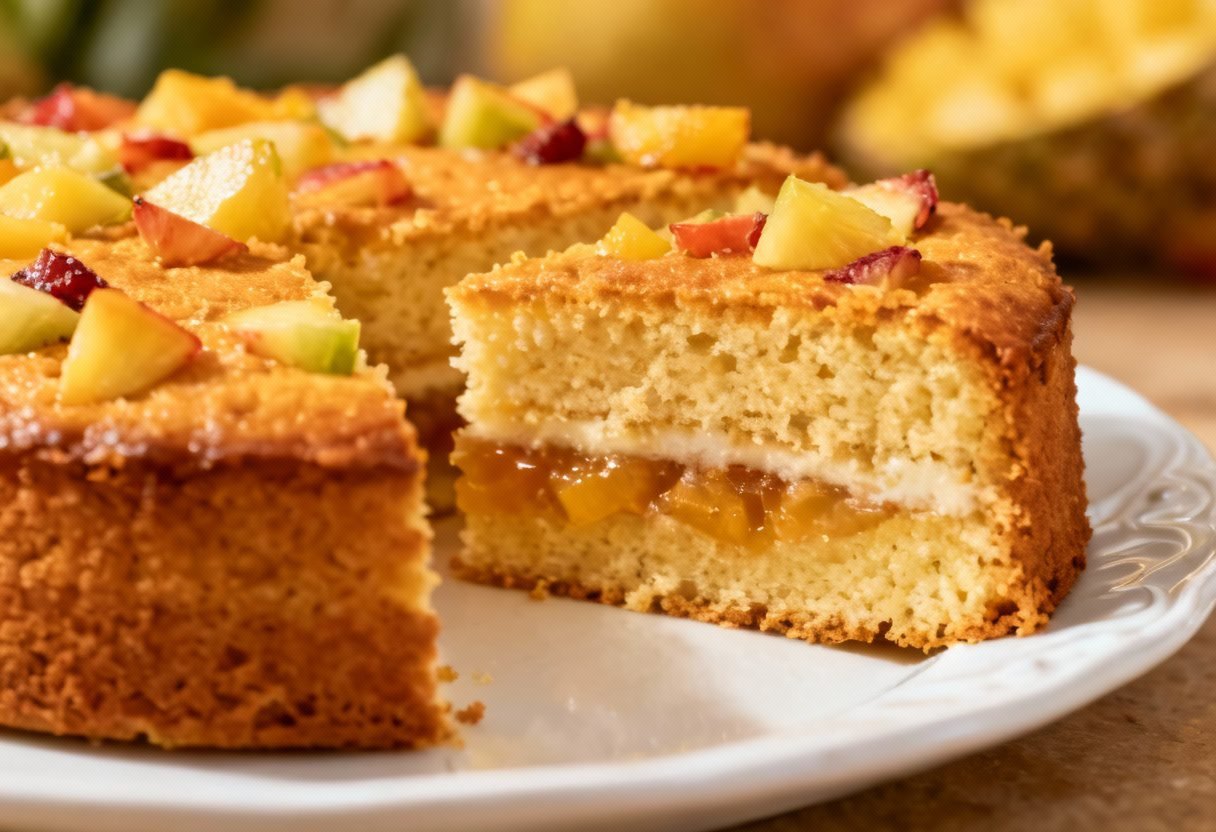
Puerto Rican Cake Recipe: A Taste of Paradise in Every Slice!
Imagine biting into a cake so moist, so flavorful, and so utterly irresistible that it transports you straight to the sunny shores of Puerto Rico. That’s exactly what this recipe delivers. This isn’t just any cake; it’s a celebration of Puerto Rican culture, a symphony of sweet and creamy notes that will leave you craving more. This cake, often called *Bizcocho de Puerto Rico*, is a staple at birthdays, holidays, and family gatherings. Its signature soak, a luscious blend of evaporated milk, condensed milk, and heavy cream, is what makes it truly special. Get ready to experience a taste of paradise with this easy-to-follow recipe!
Why This Recipe Works
This recipe isn’t just a collection of ingredients; it’s a carefully crafted formula designed for foolproof success. Here’s why it works so well:
- The Right Flour: Using cake flour creates a tender, delicate crumb that practically melts in your mouth.
- Creaming is Key: Properly creaming the butter and sugar incorporates air, which is essential for a light and airy texture.
- The Milk Soak: The “tres leches” soak (evaporated milk, condensed milk, and heavy cream) is the star of the show. It infuses the cake with incredible moisture and sweetness.
- Baking Time & Temperature: Baking at the correct temperature and for the right amount of time ensures the cake is cooked through without being dry.
- Patience is a Virtue: Allowing the cake to cool completely before soaking is crucial for preventing it from becoming soggy.
Ingredients
- For the Cake:
- 2 ½ cups cake flour
- 1 tbsp baking powder
- ½ tsp salt
- 1 cup (2 sticks) unsalted butter, softened
- 1 ¾ cups granulated sugar
- 5 large eggs
- 1 cup whole milk
- 1 tsp vanilla extract
- For the Soak (Tres Leches):
- 1 (12 oz) can evaporated milk
- 1 (14 oz) can sweetened condensed milk
- 1 cup heavy cream
- For the Topping:
- 2 cups heavy cream
- ¼ cup powdered sugar
- ½ tsp vanilla extract
- Ground cinnamon for dusting (optional)

Instructions
- Prepare the Oven and Pan: Preheat oven to 350°F (175°C). Grease and flour a 9×13 inch baking pan. Alternatively, you can line the pan with parchment paper, leaving an overhang for easy removal.
- Combine Dry Ingredients: In a medium bowl, whisk together the cake flour, baking powder, and salt. Set aside.
- Cream Butter and Sugar: In a large bowl, cream together the softened butter and granulated sugar until light and fluffy, about 3-5 minutes. Use an electric mixer for best results.
- Add Eggs: Beat in the eggs one at a time, mixing well after each addition. Add the vanilla extract and mix until combined.
- Alternate Wet and Dry Ingredients: Gradually add the dry ingredients to the wet ingredients, alternating with the milk. Begin and end with the dry ingredients. Mix until just combined. Do not overmix. Overmixing will develop the gluten in the flour, resulting in a tough cake.
- Pour into Pan: Pour the batter into the prepared baking pan and spread evenly.
- Bake the Cake: Bake for 30-35 minutes, or until a wooden skewer inserted into the center comes out clean.
- Cool the Cake: Let the cake cool in the pan for 15-20 minutes before poking holes all over the top with a fork or skewer. This allows the soak to penetrate the cake evenly.
- Prepare the Soak: In a medium bowl, whisk together the evaporated milk, condensed milk, and heavy cream.
- Soak the Cake: Slowly pour the milk mixture over the cooled cake, ensuring that it is evenly distributed. The cake will absorb the liquid, becoming incredibly moist.
- Refrigerate: Cover the cake and refrigerate for at least 4 hours, or preferably overnight, to allow the flavors to meld and the cake to fully absorb the milk mixture.
- Prepare the Topping: In a chilled bowl, beat the heavy cream with the powdered sugar and vanilla extract until stiff peaks form. Be careful not to overwhip, or the cream will turn grainy.
- Frost the Cake: Spread the whipped cream frosting evenly over the soaked cake.
- Garnish: Dust with ground cinnamon, if desired.
- Serve: Cut into squares and serve chilled. Enjoy!
Tips for Success
Here are a few extra tips to ensure your Puerto Rican cake is a masterpiece:
- Use Room Temperature Ingredients: Room temperature butter and eggs emulsify better, resulting in a smoother batter.
- Don’t Overmix: Overmixing develops the gluten in the flour, leading to a tough cake. Mix until just combined.
- Check for Doneness: Use a wooden skewer to check for doneness. If it comes out clean, the cake is ready.
- Soak Slowly: Pour the milk mixture slowly to allow the cake to absorb it evenly.
- Chill Thoroughly: Chilling the cake overnight is ideal for optimal flavor and texture.
- Fresh Whipped Cream: While you can use store-bought whipped topping, homemade whipped cream is always best for flavor and texture.
- Variations: Feel free to add a splash of rum or brandy to the soak for an extra layer of flavor. You can also add a layer of fruit filling, such as guava paste or mango, between the cake and the frosting.
Storage Instructions
Store leftover Puerto Rican cake in an airtight container in the refrigerator for up to 3-4 days. The cake will become even more flavorful as it sits, as the milk soak continues to permeate the cake.

FAQ
- Can I use all-purpose flour instead of cake flour? While cake flour is recommended for the most tender crumb, you can substitute all-purpose flour. However, reduce the amount of all-purpose flour by 2 tablespoons per cup.
- Can I use low-fat milk for the soak? Using full-fat milk and heavy cream is essential for the rich flavor and texture of the soak. Low-fat alternatives will result in a less decadent cake.
- Can I freeze this cake? While you can freeze the cake, the texture may change slightly after thawing due to the milk soak. If freezing, freeze the cake before soaking. Wrap tightly in plastic wrap and then in foil. Thaw completely in the refrigerator before soaking and frosting.
- Why is my cake soggy? The cake may be soggy if it was soaked while still warm or if too much milk mixture was used. Be sure to let the cake cool completely before soaking and use the recommended amount of milk mixture.
- Can I make this cake ahead of time? Absolutely! This cake is actually better when made a day or two in advance, as it allows the flavors to meld and the cake to fully absorb the milk mixture.
Conclusion
This Puerto Rican cake recipe is more than just a dessert; it’s a taste of culture, a celebration of flavor, and a testament to the power of simple ingredients. With its moist, tender crumb, luscious milk soak, and creamy whipped cream topping, this cake is sure to impress your family and friends. So, gather your ingredients, follow the instructions, and get ready to experience the sweet taste of paradise. *Buen provecho!* (Enjoy!)