Pumpernickel Sourdough Bread Recipe: The Dark and Delicious Delight
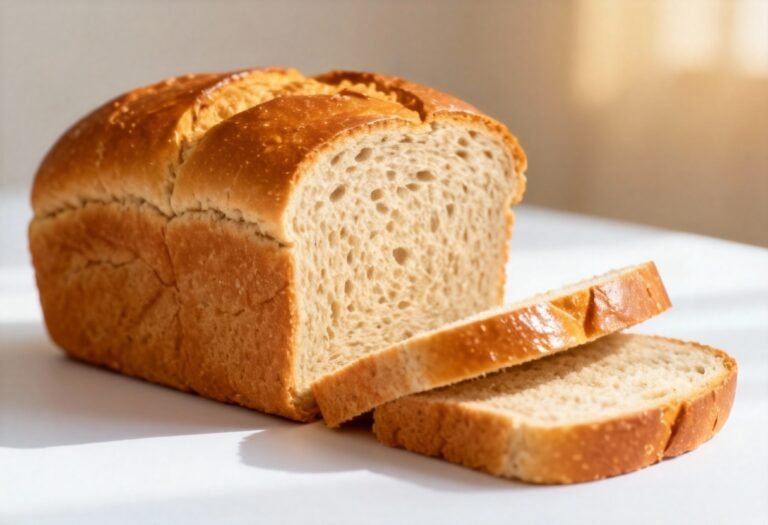
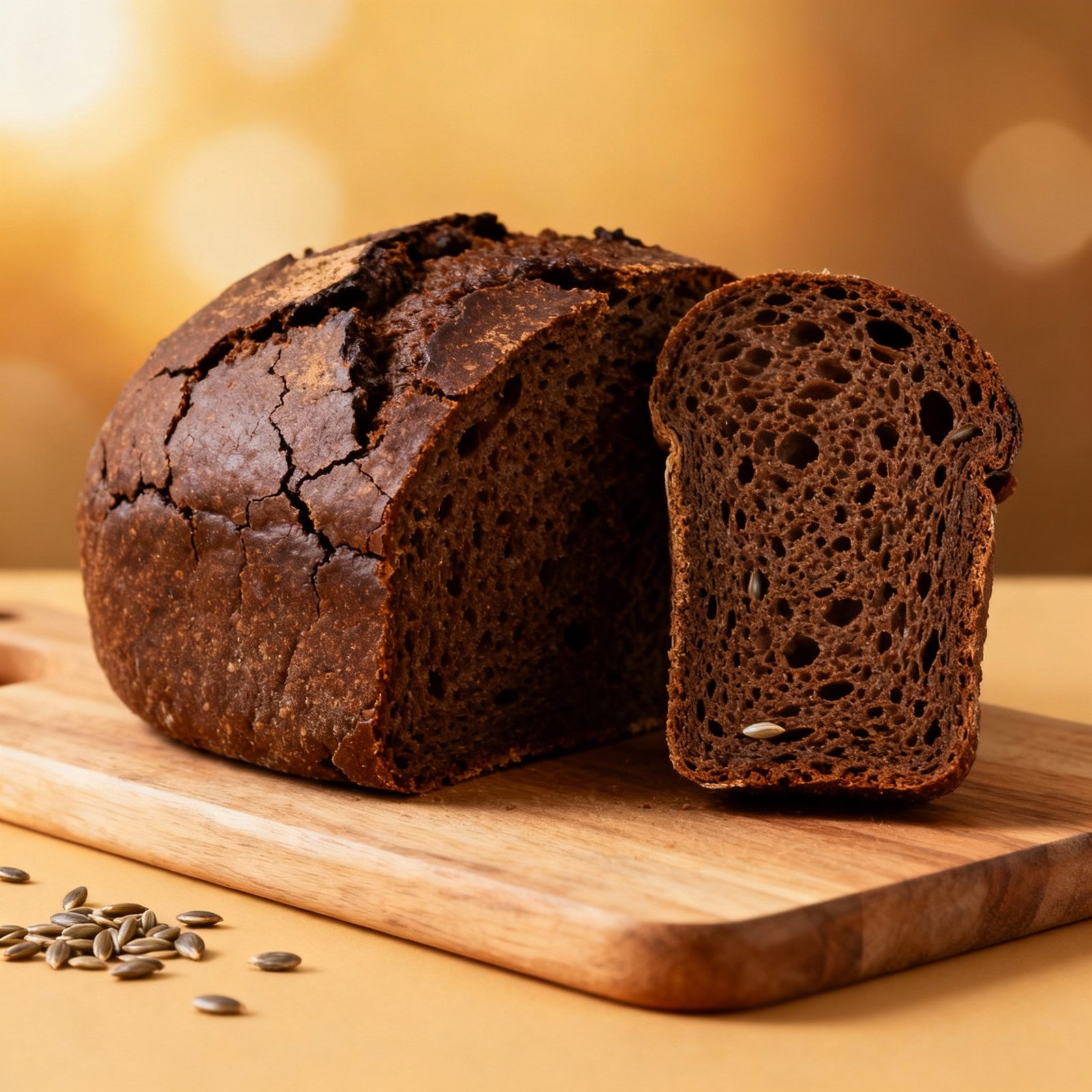
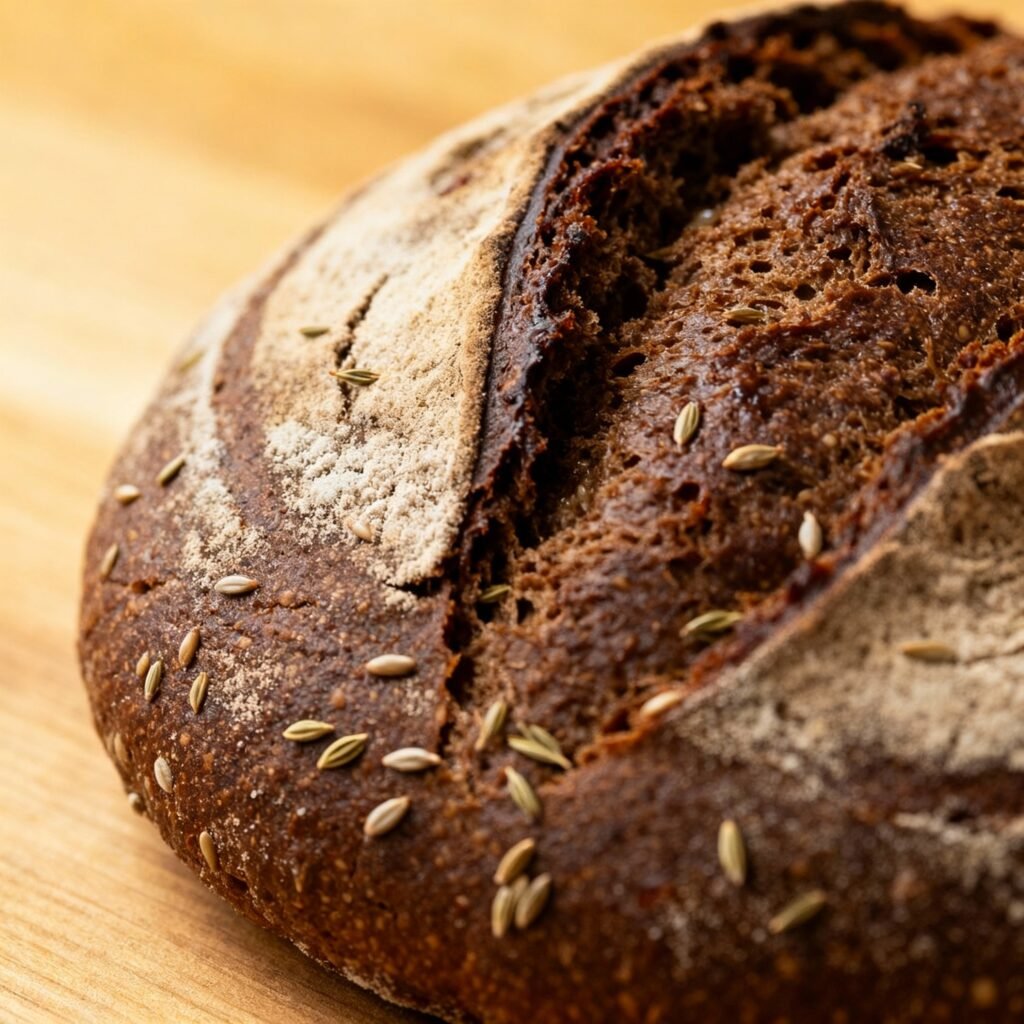
Craving that deeply flavorful, slightly tangy, and undeniably satisfying taste of pumpernickel bread? Forget the store-bought stuff that often disappoints. This recipe unlocks the secrets to making a truly exceptional pumpernickel sourdough bread right in your own kitchen. We’re talking a rich, dark crumb, a chewy crust, and that unmistakable pumpernickel aroma that will fill your home with warmth. It might seem intimidating, but this recipe breaks down the process into manageable steps, making it achievable even for beginner sourdough bakers. Get ready to impress yourself and your loved ones with this dark and delicious delight!
Why This Recipe Works
This pumpernickel sourdough recipe is designed for success because it focuses on key elements that contribute to the bread’s unique flavor and texture:
- Rye Flour: We use a combination of dark rye flour and bread flour. The dark rye flour provides the characteristic pumpernickel flavor and color, while the bread flour provides the structure needed for a good rise.
- Sourdough Starter: A healthy and active sourdough starter is crucial for leavening and contributes to the bread’s tangy flavor. We provide clear instructions on how to assess your starter’s readiness.
- Cocoa Powder and Molasses: These ingredients add depth of flavor and contribute to the bread’s dark color. The molasses also adds a touch of sweetness that balances the tang of the sourdough.
- Coffee: Using strong brewed coffee instead of water enhances the dark, robust flavors of the pumpernickel.
- Long Fermentation: A long, slow fermentation process allows the flavors to develop fully and results in a more complex and satisfying bread.
- Proper Hydration: The recipe carefully balances the hydration level to create a dough that is manageable yet yields a moist and chewy crumb.
Ingredients
- Sourdough Starter (100% hydration): 150g active and bubbly
- Dark Rye Flour: 250g
- Bread Flour: 250g
- Strong Brewed Coffee (cooled): 350g
- Molasses: 30g
- Cocoa Powder (unsweetened): 15g
- Salt: 10g
- Optional: 1 tablespoon caraway seeds
Instructions
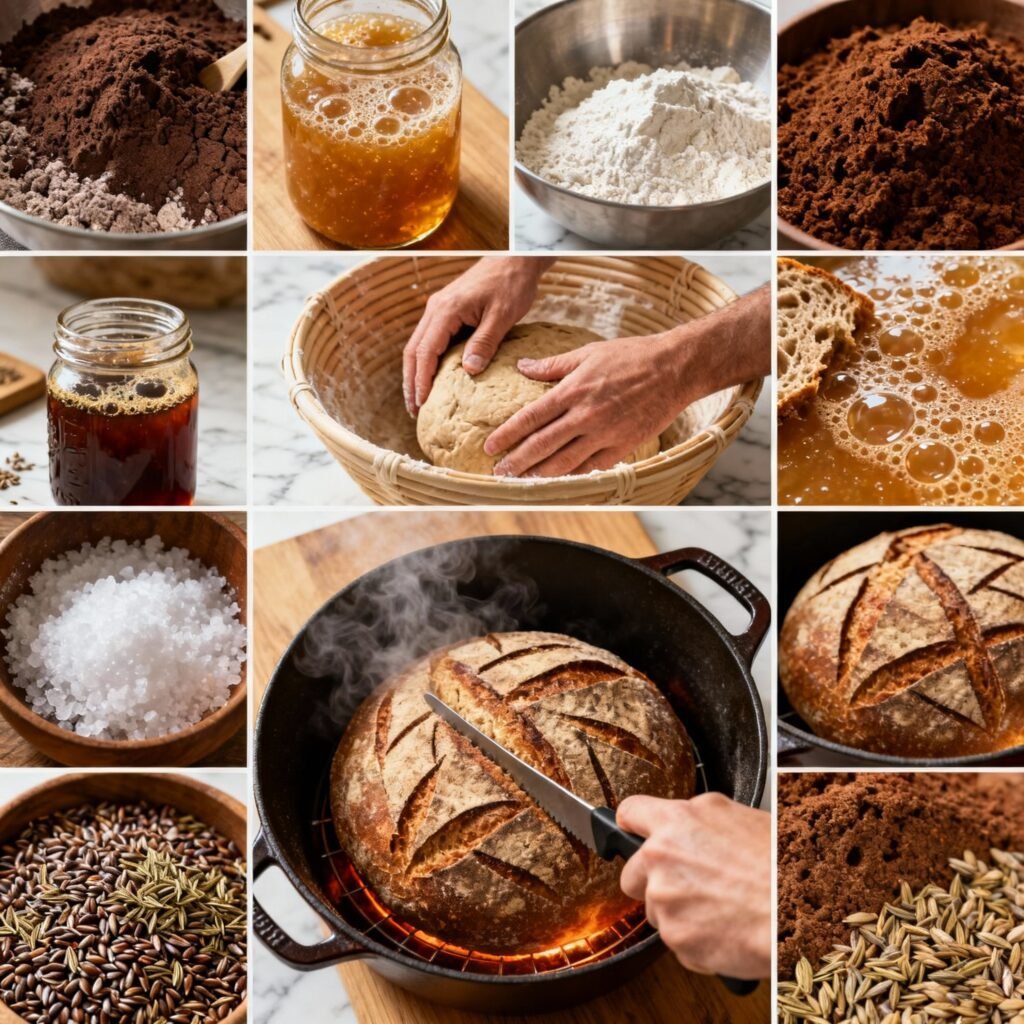
- Prepare the Levain (Evening Before): In a clean jar, combine 50g of your sourdough starter with 50g of dark rye flour and 50g of strong brewed coffee (cooled). Mix well, cover loosely, and let it ferment at room temperature for 6-8 hours, or until doubled in size and very bubbly. This is your levain, and it’s what will leaven your dough.
- Autolyse (Morning): In a large bowl, combine the dark rye flour, bread flour, and cooled strong brewed coffee. Mix until just combined, forming a shaggy dough. Cover the bowl and let it rest for 30-60 minutes. This process, called autolysing, allows the flour to fully hydrate, resulting in a more extensible dough.
- Mix the Dough: Add the levain, molasses, and cocoa powder to the autolysed dough. Mix well with your hands or a stand mixer with a dough hook until everything is incorporated. The dough will be sticky.
- Add Salt: Add the salt and continue mixing for another 5-7 minutes until the dough starts to develop some strength. It will still be sticky, but it should start to pull away from the sides of the bowl. If using caraway seeds, add them now.
- Bulk Fermentation: Transfer the dough to a lightly oiled bowl. Cover and let it bulk ferment at room temperature for 4-6 hours, performing stretch and folds every 30-45 minutes for the first 2 hours. This helps develop strength and structure in the dough. Look for the dough to increase in volume by about 50-75%.
- Shape the Dough: Gently turn the dough out onto a lightly floured surface. Shape it into a round (boule) or an oblong (batard), depending on your preference. Be gentle to avoid degassing the dough too much.
- Proof the Dough: Place the shaped dough in a well-floured banneton basket or a bowl lined with a floured kitchen towel. Cover and refrigerate for 12-24 hours. This cold proofing allows the flavors to develop further and makes the dough easier to score.
- Preheat the Oven: Preheat your oven to 450°F (232°C) with a Dutch oven inside for at least 30 minutes. The hot Dutch oven will create steam, which is essential for a good crust.
- Score the Dough: Carefully remove the dough from the banneton basket or bowl and place it in the preheated Dutch oven. Score the top of the dough with a sharp knife or lame. This allows the dough to expand during baking and prevents it from bursting in unpredictable places. A simple cross or a single slash works well.
- Bake: Cover the Dutch oven and bake for 20 minutes. Then, remove the lid and bake for another 25-35 minutes, or until the crust is deeply browned and the internal temperature reaches 205-210°F (96-99°C).
- Cool: Carefully remove the bread from the Dutch oven and let it cool completely on a wire rack before slicing and enjoying. This is crucial! Cutting into warm bread will result in a gummy texture.
Tips for Success
- Use a Kitchen Scale: Baking is a science, and accurate measurements are essential. Use a kitchen scale to weigh your ingredients for the best results.
- Pay Attention to Your Starter: A healthy and active starter is the key to a well-risen loaf. Make sure your starter is doubling in size within 4-8 hours after feeding before using it in this recipe.
- Don’t Overmix: Overmixing the dough can result in a tough bread. Mix until just combined and then rely on the stretch and folds during bulk fermentation to develop strength.
- Adjust Bulk Fermentation Time: The bulk fermentation time will vary depending on the temperature of your kitchen and the activity of your starter. Keep an eye on the dough and adjust the time accordingly. Look for a 50-75% increase in volume.
- Score Confidently: A clean, confident score will help the bread rise properly in the oven. Use a sharp knife or lame and score about 1/2 inch deep.
- Don’t Skip the Cooling: As tempting as it is to cut into a warm loaf, resist the urge! Allowing the bread to cool completely allows the crumb to set and prevents a gummy texture.
Storage Instructions
Store your pumpernickel sourdough bread in a bread box or wrapped in a clean kitchen towel at room temperature for up to 3 days. For longer storage, slice the bread and freeze it in an airtight container. Thaw at room temperature or toast directly from frozen.
FAQ
- Can I use a different type of flour? While this recipe is specifically designed for dark rye and bread flour, you can experiment with other types of flour. However, keep in mind that the results may vary. Whole wheat flour can be substituted for some of the bread flour, but it will result in a denser loaf.
- Can I use instant yeast instead of sourdough starter? This recipe is designed for sourdough starter. Using instant yeast would require a significant alteration to the recipe and will not result in the same flavor or texture.
- My dough is too sticky. What should I do? Pumpernickel dough is naturally sticky. Resist the urge to add more flour. The stretch and folds during bulk fermentation will help develop strength and manageability.
- My bread is not rising. What could be the problem? The most common causes of a bread that doesn’t rise are an inactive starter, not enough bulk fermentation, or over-proofing. Make sure your starter is active and bubbly, and adjust the bulk fermentation time based on the temperature of your kitchen.
- Why is my bread gummy? Cutting into warm bread is the most common cause of a gummy texture. Allowing the bread to cool completely is crucial. Also, ensure the bread is fully baked by checking the internal temperature with a thermometer.
Conclusion
Congratulations! You’ve just embarked on a journey to create a truly exceptional pumpernickel sourdough bread. With its rich flavor, dark color, and satisfying chew, this bread is sure to become a favorite. Don’t be discouraged if your first attempt isn’t perfect. Sourdough baking is a learning process, and with each loaf, you’ll gain more confidence and expertise. So, get baking and enjoy the delicious rewards of your labor!