Raspberry Jam Recipe Canning: Capture Summer in a Jar!
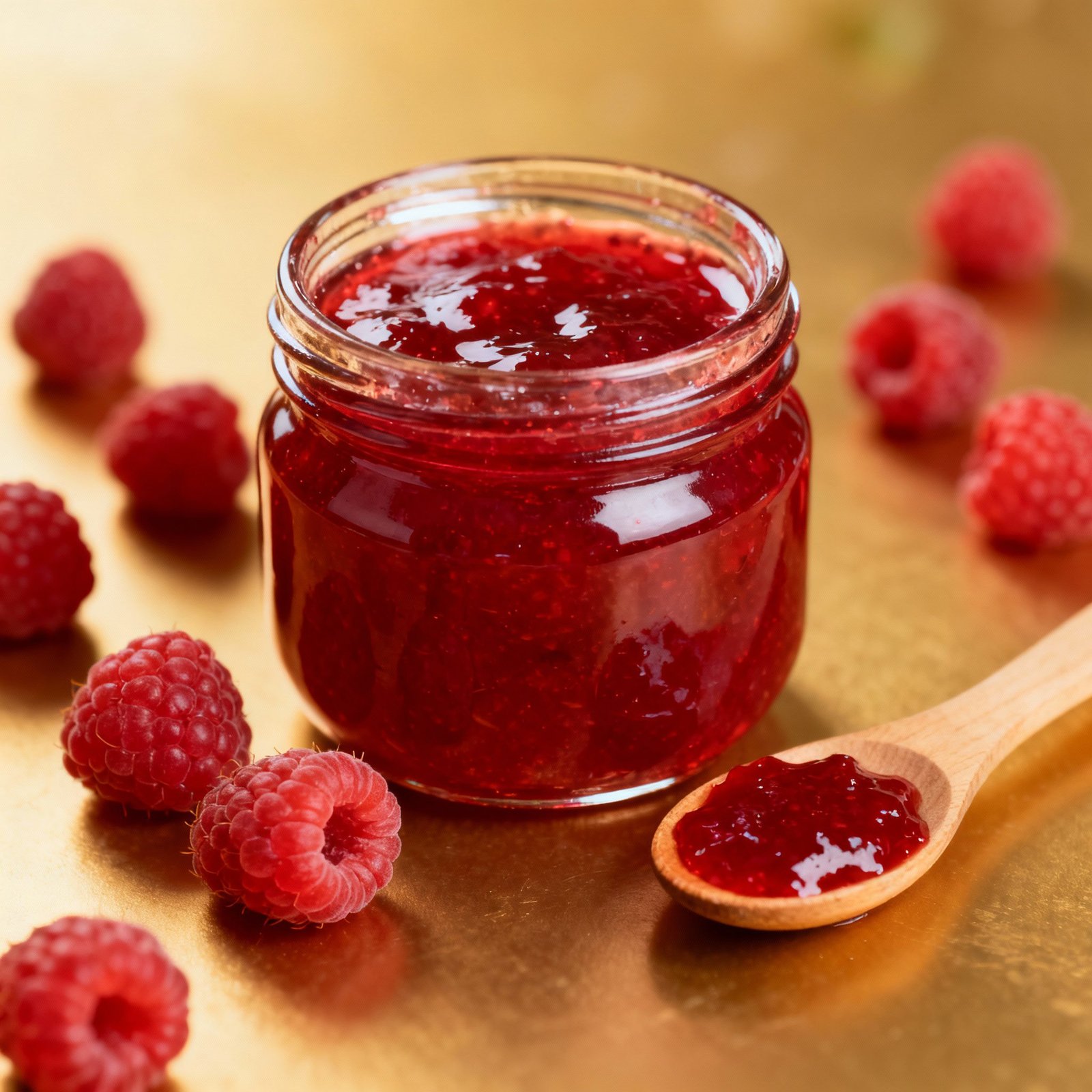
There’s nothing quite like the taste of homemade raspberry jam, especially when you’ve lovingly preserved it yourself. This recipe isn’t just about making jam; it’s about capturing the vibrant essence of summer and enjoying it all year round. Imagine spreading a spoonful of sunshine on your morning toast, adding a burst of flavor to your scones, or gifting a jar to a friend – all made possible with this simple, reliable raspberry jam canning recipe.
This recipe walks you through every step of the process, from selecting the perfect raspberries to safely sealing your jars for long-term storage. We’ll cover everything you need to know to create a beautiful, flavorful, and safe batch of raspberry jam that will bring joy to your table for months to come. So, gather your ingredients, put on your apron, and let’s get jamming!
Why This Recipe Works
This raspberry jam recipe is designed for success, even for beginner canners. Here’s why it consistently delivers delicious results:
- Precise Pectin Ratio: We use a tested ratio of fruit, sugar, and pectin to ensure a perfect set every time. No more runny jam!
- Clear Instructions: Each step is clearly explained, with helpful tips and tricks to guide you through the process.
- Safe Canning Practices: Safety is paramount when canning. This recipe adheres to established canning guidelines to prevent spoilage and ensure food safety.
- Flavor Focused: While the pectin helps the jam set, we focus on letting the natural raspberry flavor shine through. The sugar enhances the fruit’s sweetness without overpowering it.
- Scalable: The recipe can be easily adjusted to accommodate larger batches, perfect for using up a bumper crop of raspberries. Just be sure to maintain the correct ratios.
Ingredients
- 6 cups crushed fresh raspberries (about 3 pounds whole berries)
- 4 cups granulated sugar
- 1/4 cup bottled lemon juice (for acidity and pectin activation)
- 1 package (1.75 ounces) powdered pectin (low-sugar pectin recommended for best flavor)

Instructions
Before You Begin: Gather your canning equipment. You’ll need a boiling water canner with a rack, canning jars with new lids and bands, a jar lifter, a wide-mouth funnel, a ladle, a clean damp cloth, and a magnetic lid lifter (optional but helpful).
- Prepare the Jars: Wash canning jars, lids, and bands in hot, soapy water. Rinse well. Place the jars in the boiling water canner, ensuring they are completely submerged. Bring to a simmer (180°F) and keep hot until ready to fill. This sterilizes the jars. Place the lids in a small saucepan and cover with water. Bring to a simmer (do not boil) and keep hot until ready to use.
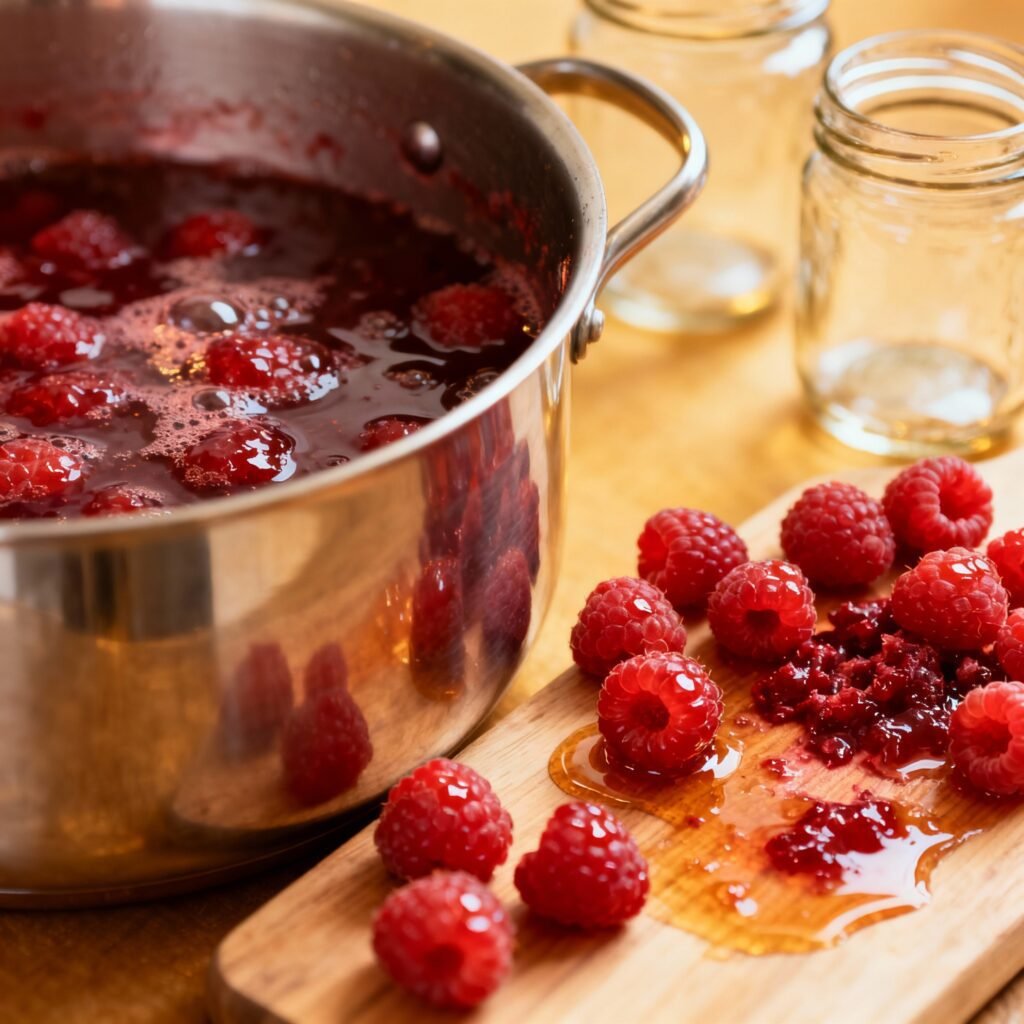
- Prepare the Raspberries: Rinse the raspberries thoroughly and remove any stems or leaves. Crush the berries using a potato masher or food processor. You should have about 6 cups of crushed raspberries.
- Combine Ingredients: In a large, heavy-bottomed pot, combine the crushed raspberries, lemon juice, and pectin. Stir well to ensure the pectin is evenly distributed.
- Bring to a Boil: Over medium-high heat, bring the mixture to a full rolling boil that cannot be stirred down, stirring constantly to prevent sticking and scorching.
- Add Sugar: Quickly add the sugar all at once. Stir vigorously to dissolve the sugar completely.
- Boil Again: Return the mixture to a full rolling boil that cannot be stirred down, stirring constantly. Boil hard for 1 minute, stirring constantly.
- Test for Set: Remove the pot from the heat. To test for set, place a small spoonful of jam on a chilled plate. Let it sit for a minute. Gently push the jam with your finger. If it wrinkles, it’s ready. If it’s still runny, return the pot to the heat and boil for another 30 seconds, then test again. Repeat until the jam reaches the desired consistency.
- Remove Foam: If necessary, skim off any foam from the surface of the jam using a metal spoon.
- Fill the Jars: Using the jar lifter, remove a hot jar from the canner and place it on a heat-resistant surface. Place the wide-mouth funnel in the jar. Ladle the hot jam into the jar, leaving 1/4 inch headspace (the space between the top of the jam and the rim of the jar). Repeat until all jars are filled.
- Remove Air Bubbles: Run a non-metallic utensil (like a plastic knife or bubble remover) around the inside of the jar to release any trapped air bubbles.
- Wipe the Rims: Using a clean, damp cloth, wipe the rims of the jars to remove any spills or drips. This is crucial for a proper seal.
- Place Lids and Bands: Using the magnetic lid lifter (or tongs), place a hot lid on each jar, centering it on the rim. Screw on the band fingertip tight. Do not overtighten.
- Process in Boiling Water Canner: Using the jar lifter, carefully place the filled jars into the boiling water canner, ensuring they are not touching each other. The water should cover the jars by at least 1 inch. If necessary, add more boiling water. Bring the water to a rolling boil.
- Process for the Correct Time: Process the jars for 10 minutes for elevations up to 1,000 feet. For higher elevations, increase the processing time according to the following chart:
- 1,001 – 3,000 feet: 15 minutes
- 3,001 – 6,000 feet: 20 minutes
- 6,001 – 8,000 feet: 25 minutes
- 8,001 – 10,000 feet: 30 minutes
- Turn Off Heat and Rest: Turn off the heat and remove the canner lid. Let the jars sit in the hot water for 5 minutes before removing them. This helps prevent siphoning.
- Cool and Check Seals: Using the jar lifter, carefully remove the jars from the canner and place them on a towel-lined surface, leaving at least 1 inch between jars. Let the jars cool completely, undisturbed, for 12-24 hours. As the jars cool, you should hear a “pop” sound as the lids seal.
- Check Seals: After the jars have cooled completely, check the seals. Press down on the center of each lid. If the lid doesn’t flex or pop back up, the jar is sealed. If the lid flexes, the jar is not sealed and should be refrigerated and used immediately, or reprocessed with a new lid.
- Remove Bands and Store: Once you have confirmed that all jars are sealed, remove the bands. This prevents moisture from accumulating and causing rust. Wash the jars and label them with the date and contents.
Tips for Success
- Use Fresh, Ripe Raspberries: The best jam starts with the best ingredients. Choose plump, ripe raspberries for the most flavorful jam.
- Don’t Overcook: Overcooking the jam can result in a tough, rubbery texture. Test for set frequently to avoid overcooking.
- Use Bottled Lemon Juice: Bottled lemon juice has a consistent acidity level, which is important for proper pectin activation and food safety.
- Sterilize Jars Properly: Sterilizing the jars is essential for preventing spoilage. Make sure the jars are completely submerged in simmering water.
- Maintain Headspace: Leaving the correct headspace is crucial for creating a proper vacuum seal.
- Don’t Overtighten Bands: Overtightening the bands can prevent air from escaping during processing, which can lead to seal failure.
- Be Patient: Allow the jars to cool completely before checking the seals. It can take up to 24 hours for the seals to fully form.
Storage Instructions
Store sealed jars of raspberry jam in a cool, dark, and dry place. Properly canned jam can be stored for up to 18 months. Once a jar is opened, refrigerate it and use it within 2-3 weeks.
FAQ
Q: Can I use frozen raspberries?
A: Yes, you can use frozen raspberries. Thaw them completely and drain off any excess liquid before crushing them.
Q: Can I reduce the amount of sugar?
A: Reducing the sugar can affect the set of the jam. We recommend using low-sugar pectin if you want to reduce the sugar content.
Q: My jam is too runny. What can I do?
A: If your jam is too runny, you can try re-cooking it with more pectin. Follow the instructions on the pectin package.
Q: My jam is too thick. What can I do?
A: Unfortunately, there’s not much you can do to thin out jam that’s already set. Be careful not to overcook it next time.
Q: Why did my jars not seal?
A: There are several reasons why jars might not seal, including insufficient headspace, a dirty jar rim, an overtightened band, or insufficient processing time. Inspect the unsealed lid for defects before re-processing with a new lid.
Conclusion
Congratulations! You’ve just created a batch of delicious, homemade raspberry jam. With its vibrant flavor and beautiful color, this jam is sure to become a favorite in your household. Enjoy it on toast, scones, yogurt, or even as a glaze for meats. The possibilities are endless. And remember, the best part of canning is sharing your homemade creations with friends and family. So, spread the love and enjoy the taste of summer all year long!