This “Recipe Using Sourdough Starter” Turns Leftovers Into Legendary: Crispy-Chewy Sourdough Skillet Focaccia You’ll Make Every Week
👩🍳 The Home Chef's Essential Kitchen
Consistently cooking incredible, healthy meals at home is so much easier when you aren't fighting with cheap tools. These are the 5 absolute powerhouse kitchen essentials that professional chefs and serious home cooks rely on every single day to get perfect results.
🍳 Lodge 10.25" Cast Iron Skillet
The single greatest value in all of cookware. It retains heat infinitely better than cheap non-stick pans, allowing you to get a restaurant-quality crust on steaks or perfect crispy edges on cornbread. With proper care, this $20 pan will literally outlive you.
🔪 Victorinox Fibrox Pro 8" Chef's Knife
A dull knife makes cooking a frustrating chore. This specific blade is the undisputed champion of the culinary world—it holds a terrifyingly sharp edge, features a comfortable non-slip grip, and performs identical to German knives that cost quadruple the price.
🌡️ ThermoPro Instant Read Thermometer
Never serve dry chicken or undercooked pork again. An instant-read thermometer is the secret difference between amateur cooks who 'guess' when protein is done, and professionals who know exactly when to pull meat off the heat for maximum juiciness.
🍲 Lodge Enameled Cast Iron Dutch Oven
The ultimate workhorse for soups, stews, braised short ribs, and baking crusty artisanal bread. The enameled interior provides incredible heat distribution for slow-cooking while eliminating the intense seasoning maintenance required by bare cast iron.
🥄 Bpa-Free Silicone Utensil Set
Throw away those melting plastic spatulas and bacteria-harboring wooden spoons. This pure silicone set is heat-resistant up to 600°F, won't scratch your expensive pans, and features seamless designs that make cleaning out thick sauces and batters effortless.
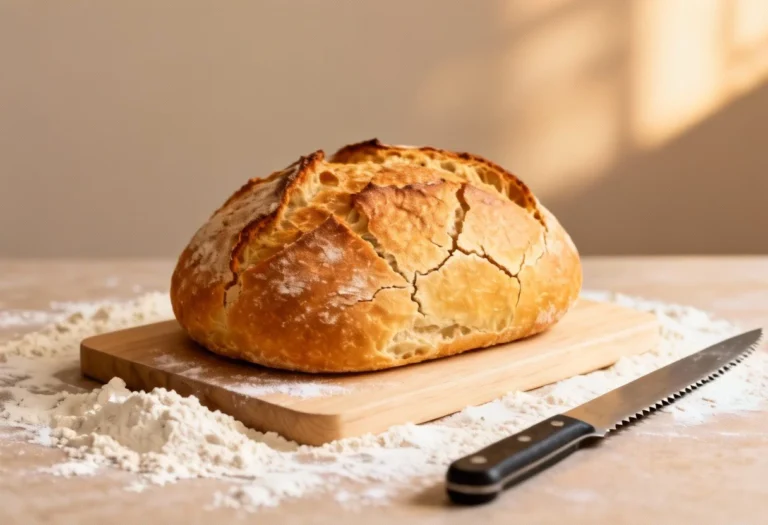
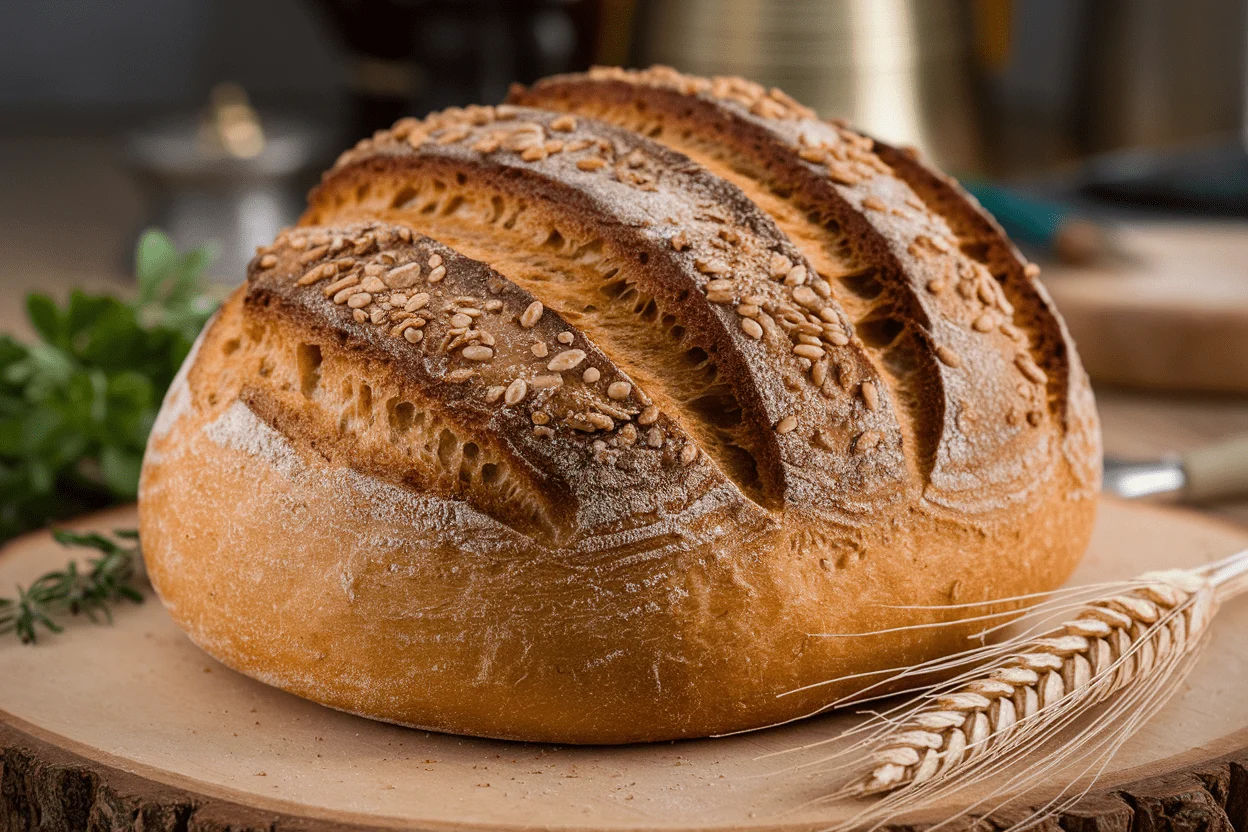
You’ve got a jar of sourdough starter staring at you like a gym membership on January 3rd. Use it or lose it, right? This skillet focaccia is the answer: bubbly, crisp-edged, outrageously flavorful bread with about 10 minutes of actual work.
It tastes like your favorite bakery made a pact with a pizza oven and a cloud. You’ll stretch dough once, dimple aggressively, and then flex when everyone asks for the “secret.” Spoiler: it’s your starter and a shameful amount of olive oil.
What Makes This Recipe So Good
- Zero-knead, high reward: The dough mixes in a bowl, rests, stretches twice, then bakes. No stand mixer, no drama.
- Starter = flavor bomb: Sourdough starter adds mild tang, deep wheat flavor, and better keeping quality.
It’s like seasoning your bread from the inside.
- Skillet magic: Cast iron gives a shatter-crisp bottom with a pillowy interior. If you know, you know.
- Flexible schedule: Make it same day, or stick it in the fridge for a long ferment and even better taste.
- Customizable toppings: Rosemary and sea salt are classic, but you can go tomato, garlic, olive, jalapeño—choose your adventure.
What Goes Into This Recipe – Ingredients
- Active sourdough starter: 150 g (about 2/3 cup), bubbly and fed within 6–8 hours.
- Warm water: 350 g (1 1/2 cups), around 80–85°F.
- Bread flour: 400 g (about 3 1/3 cups). All-purpose works in a pinch; texture will be slightly softer.
- Fine sea salt: 10 g (1 3/4 tsp).
- Extra-virgin olive oil: 4–6 tbsp total.
Non-negotiable for that fried-bottom vibe.
- Flaky sea salt: For finishing.
- Optional toppings: Fresh rosemary, thin red onion, halved cherry tomatoes, sliced olives, garlic, or shredded parmesan.
Step-by-Step Instructions
- Mix the dough: In a large bowl, whisk starter and warm water until milky. Add flour and fine sea salt. Stir with a spoon until no dry spots remain.
The dough will be shaggy and sticky. Cover and rest 30 minutes.
- First stretch and fold: With wet hands, grab a corner of the dough, stretch it up, and fold over itself. Rotate the bowl and repeat 8–10 times.
Cover and rest 30 minutes.
- Second stretch and fold: Repeat the stretch-and-fold routine once more. The dough should feel smoother and bouncier. Cover and let rise at warm room temp until doubled, 2–3 hours (longer if your kitchen is chilly).
- Prep the pan: Generously coat a 10–12 inch cast-iron skillet with 2–3 tbsp olive oil.
Yes, that much. Trust the process.
- Pan the dough: Gently scrape dough into the skillet. Oil your hands, then nudge and press it outward.
Don’t force it to the edges if it resists. Rest 15–20 minutes, then press again to fill the pan.
- Final proof: Cover loosely and let the dough puff until jiggly and airy, about 45–75 minutes. You should see bubbles under the surface.
- Dimple + top: Preheat oven to 450°F (232°C).
Drizzle 1–2 tbsp olive oil over the dough. With oiled fingers, press deep dimples all over. Sprinkle flaky salt and add your toppings.
- Bake: Bake 18–25 minutes until the top is golden and the edges are deeply browned and crisp.
If using lots of toppings, add 2–3 minutes.
- Optional crisp boost: For ultra-crisp bottom, return the skillet to the stovetop over medium heat for 1–2 minutes after baking. Listen for gentle sizzle.
- Cool and devour: Slide focaccia onto a rack. Brush with a little more olive oil.
Cool 10–15 minutes before cutting so the crumb sets. Then disappear it.
Storage Tips
- Room temp: Wrap in parchment or a bread bag and keep at room temp up to 2 days. Avoid the fridge—bread stales faster.
- Freeze: Slice, wrap tightly, and freeze up to 2 months.
Reheat from frozen at 350°F for 8–10 minutes.
- Re-crisp: Day-old focaccia revives beautifully in a 400°F oven for 5–7 minutes. A little olive oil on the pan helps.
What’s Great About This
- Low effort, high status: Minimal steps, bakery-level results. Your friends will assume you apprenticed in Naples.
Let them.
- Anti-waste: Using starter keeps your discard cycle under control and saves flour. Wallet and planet say thanks.
- Meal chameleon: Serve with soup, make sandwiches, rip and dip, or top like Detroit-style pizza. It’s the side that becomes the main.
- Naturally longer fresh: The acidity and structure from starter help it stay tender a bit longer than yeasted focaccia.
What Not to Do
- Don’t use weak starter: If your starter isn’t bubbly and doubling after feeds, your rise will be sad.
Feed it twice before bake day if needed.
- Don’t skimp on oil: Oil is flavor and texture insurance. A dry pan equals pale bottom and sticking. Hard pass.
- Don’t rush the proof: If the dough isn’t jiggly and airy, wait.
Underproofed dough bakes dense. Patience > extra yeast (which you don’t need).
- Don’t over-top with wet ingredients: Too many juicy tomatoes or soggy veg can steam the crust. Pat them dry or add mid-bake.
- Don’t slice hot: Letting it rest 10–15 minutes prevents gummy crumbs and scorched fingertips.
Ask me how I know.
Different Ways to Make This
- Overnight cold ferment: After step 3, refrigerate covered 12–24 hours. Proceed with pan, proof, and bake. Flavor skyrockets.
- Garlic confit focaccia: Scatter soft garlic cloves and drizzle their oil before baking.
Sprinkle parsley after.
- Herb garden: Mix 1–2 tsp dried Italian herbs into the dough at the first mix, then top with fresh rosemary.
- Olive and chili: Add sliced Castelvetrano olives and red pepper flakes. Finish with lemon zest post-bake for brightness.
- Sheet pan party: Double the recipe and bake in a well-oiled half sheet pan (18×13″). Bake 22–30 minutes.
- Cheese pull edition: Add shredded mozzarella and parmesan in the last 5 minutes of baking.
Is it focaccia? Is it pizza? Yes.
FAQ
Can I use sourdough discard?
Yes, if it’s relatively fresh (within a day or two, stored in the fridge).
You’ll get less rise and tang than with an active starter, so give the dough extra time to proof and consider the overnight cold ferment to boost flavor and texture.
What if I don’t have a cast-iron skillet?
Use a heavy, light-colored metal cake pan or a small rimmed sheet pan. Still oil generously. Avoid dark nonstick if possible—it can over-brown the bottom; just keep an eye on it.
Why is my dough so sticky?
High hydration equals open crumb and tenderness.
Sticky is normal. Oil or wet your hands and tools, and avoid adding extra flour, which can toughen the crumb.
How do I know it’s fully baked?
Look for deep golden top, browned edges, and a crisp bottom that releases easily. If you’re nerdy, internal temp should be around 200–205°F.
A few extra minutes won’t hurt—pale focaccia is sadness.
Can I add instant yeast to speed it up?
You could add 1/2 tsp, but IMO it’s unnecessary. The timeline is part of the flavor. If your kitchen is cold, use a warmer spot (near but not on the oven) or the cold ferment method for scheduling sanity.
Is whole wheat flour okay?
Use up to 25–30% whole wheat and increase water by 10–15 g if the dough feels stiff.
Expect a slightly heartier crumb with great flavor.
The Bottom Line
This recipe using sourdough starter turns a humble jar of bubbles into crackly, plush focaccia with minimal effort and maximum flex. Keep your starter lively, be generous with olive oil, and wait for the proof. The result?
A weeknight-friendly, crowd-wowing bread that makes soups better, salads jealous, and store-bought look boring. Bake once and you’ll “accidentally” keep your starter forever.