Simple Buttercream Frosting Recipe: The Easiest Dreamy Delight!
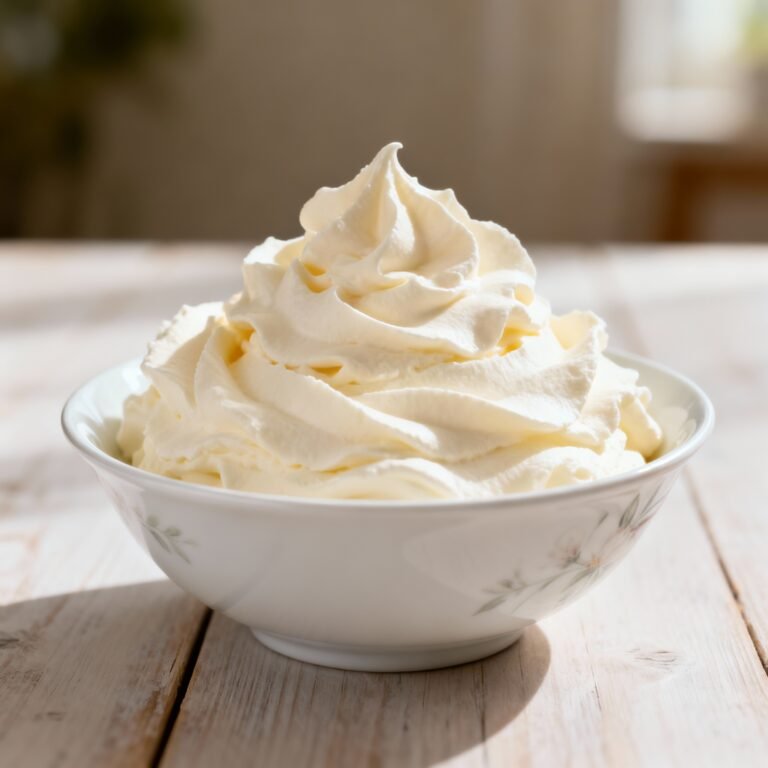
Buttercream frosting. The very name conjures images of perfectly swirled cupcakes, elegantly decorated cakes, and melt-in-your-mouth sweetness. It’s the quintessential topping for countless desserts, and mastering a good buttercream recipe is a cornerstone of any baker’s repertoire. But let’s be honest, some buttercream recipes can be intimidating, calling for precise temperatures, complex techniques, and a whole lot of patience. If you’re looking for a fuss-free, reliable recipe that delivers consistently delicious results, you’ve come to the right place! This simple buttercream frosting recipe is designed for beginners and seasoned bakers alike. It requires minimal ingredients, straightforward instructions, and yields a velvety smooth, perfectly sweet frosting that will elevate any baked good.
Why This Recipe Works
This recipe prioritizes simplicity without sacrificing flavor or texture. Here’s why it’s so effective:
- Easy to Remember Ratio: The recipe relies on a simple, easy-to-remember ratio of butter, powdered sugar, and liquid. This takes the guesswork out of ingredient proportions and makes scaling the recipe up or down a breeze.
- No Special Equipment Needed: You don’t need a fancy stand mixer or any specialized tools. A simple hand mixer (though a stand mixer makes it even easier!) and a couple of bowls are all you need.
- Quick and Efficient: From start to finish, this buttercream comes together in under 15 minutes. Perfect for when you need a last-minute frosting solution.
- Customizable Flavor: The base recipe is a blank canvas for your creativity. Easily adapt it with different extracts, citrus zest, fruit purees, or even a pinch of salt to enhance the flavor profile.
- Consistent Results: The straightforward instructions and reliable ratio ensure that you’ll achieve a smooth, creamy buttercream every time.
Ingredients
- 1 cup (2 sticks or 227g) unsalted butter, softened to room temperature (but not melted!)
- 3-4 cups (360-480g) powdered sugar, sifted
- 2-4 tablespoons milk or heavy cream
- 1 teaspoon vanilla extract
- Pinch of salt (optional, but recommended)
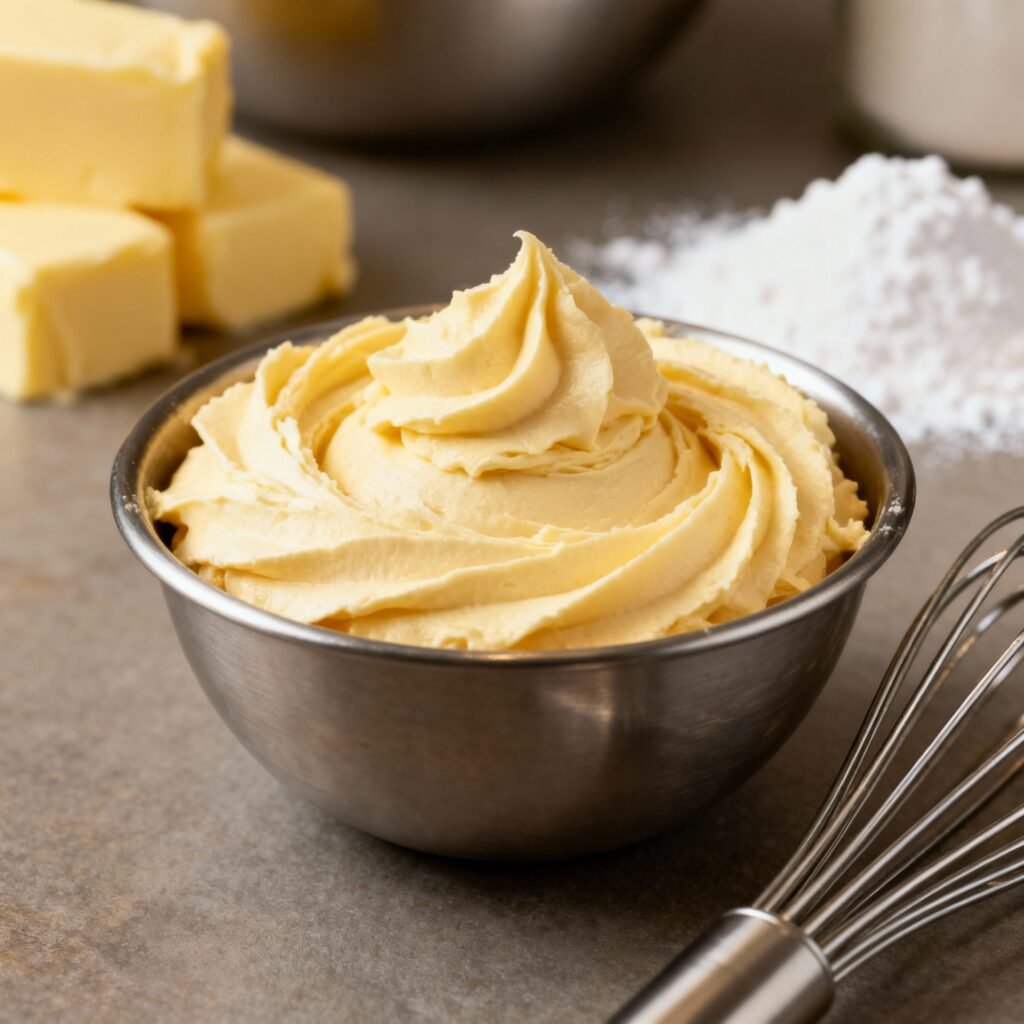
Instructions
- Cream the Butter: In a large bowl, using an electric mixer (hand mixer or stand mixer fitted with the paddle attachment), beat the softened butter on medium speed for 2-3 minutes, or until light and fluffy. This is a crucial step! Properly creamed butter is the foundation for a smooth and airy buttercream.
- Add Powdered Sugar Gradually: Gradually add the sifted powdered sugar, one cup at a time, beating on low speed after each addition. Sifting the powdered sugar is important to prevent lumps in your frosting. Be sure to scrape down the sides and bottom of the bowl frequently.
- Incorporate Liquid: Add 2 tablespoons of milk or heavy cream and the vanilla extract. Beat on low speed until just combined. If the frosting seems too thick, add the remaining milk or cream, one tablespoon at a time, until you reach your desired consistency. Remember, you can always add more liquid, but you can’t take it away!
- Whip for Fluffiness: Increase the mixer speed to medium-high and beat for 2-3 minutes, or until the buttercream is light, fluffy, and smooth. This step is essential for incorporating air and creating a truly dreamy texture.
- Taste and Adjust: Taste the buttercream and adjust the sweetness or flavor as needed. If it’s not sweet enough, add a little more powdered sugar. If you want a richer flavor, add a pinch of salt or a different extract.
- Use Immediately or Store: The buttercream is now ready to use! Frost your cakes, cupcakes, or cookies immediately.
Tips for Success
- Use Softened Butter: This is the most important tip! Make sure your butter is truly softened to room temperature. It should be soft enough to easily press into, but not melted or greasy. If the butter is too cold, it will be difficult to cream properly, resulting in lumpy frosting. If it’s too melted, the frosting will be greasy and thin.
- Sift the Powdered Sugar: Sifting removes lumps and ensures a smooth, even texture. Don’t skip this step!
- Add Liquid Gradually: Adding the liquid slowly allows you to control the consistency of the frosting. You can always add more, but it’s difficult to take it away.
- Don’t Overmix: Overmixing can incorporate too much air and make the frosting unstable. Mix until just combined and then whip for the specified time.
- Adjust Sweetness to Taste: This recipe provides a good starting point, but you can adjust the sweetness to your preference. Some people prefer a sweeter frosting, while others prefer a less sweet one.
- Add Flavor Extracts Carefully: Extracts can add a lot of flavor, so start with a small amount and add more to taste. Popular choices include vanilla, almond, lemon, and peppermint.
- Coloring the Frosting: Use gel food coloring for the best results. Gel colors are more concentrated than liquid colors, so you’ll need less to achieve the desired shade. Add the color a little at a time, mixing well after each addition.
- Address Consistency Issues: If the frosting is too thick, add more liquid, one tablespoon at a time. If the frosting is too thin, add more powdered sugar, one tablespoon at a time.
- Troubleshooting Lumps: If you have lumps in your frosting, try whipping it for a longer period of time. If that doesn’t work, you can try gently heating a small portion of the frosting in the microwave for a few seconds and then mixing it back into the rest of the frosting.
Storage Instructions
- Room Temperature: Buttercream frosting can be stored at room temperature for up to 2 days in an airtight container. However, it’s best to store it in the refrigerator if the weather is warm or humid.
- Refrigerator: Buttercream frosting can be stored in the refrigerator for up to 1 week in an airtight container. Before using, let it come to room temperature and re-whip it until smooth and fluffy.
- Freezer: Buttercream frosting can be frozen for up to 2 months in an airtight container. Thaw it in the refrigerator overnight and re-whip it until smooth and fluffy before using.

FAQ
Q: Can I use salted butter instead of unsalted butter?
A: While you can, unsalted butter is preferred because it allows you to control the amount of salt in the frosting. If you use salted butter, omit the pinch of salt in the recipe.
Q: Can I use margarine instead of butter?
A: Margarine will work, but the flavor and texture will not be as good as with butter. Butter provides a richer flavor and a smoother texture.
Q: My frosting is too sweet. What can I do?
A: Add a pinch of salt or a squeeze of lemon juice to balance the sweetness.
Q: My frosting is too stiff to pipe. What can I do?
A: Add a little more milk or cream, one tablespoon at a time, until you reach a pipeable consistency.
Q: My frosting is separating. What can I do?
A: This can happen if the butter is too warm. Place the bowl in the refrigerator for 15-20 minutes, then re-whip the frosting until it comes back together.
Q: Can I make this recipe ahead of time?
A: Yes! Buttercream frosting can be made ahead of time and stored in the refrigerator or freezer. Just be sure to re-whip it before using.
Conclusion
This simple buttercream frosting recipe is a game-changer for any baker. It’s quick, easy, and delivers consistently delicious results. Whether you’re frosting a birthday cake, decorating cupcakes for a party, or simply adding a sweet touch to your favorite cookies, this recipe will become your go-to for all your buttercream needs. So, gather your ingredients, grab your mixer, and get ready to create a dreamy, delightful frosting that will impress everyone who tastes it. Happy baking!