Sockeye Salmon Recipe Baked: Perfectly Flaky and Flavorful!
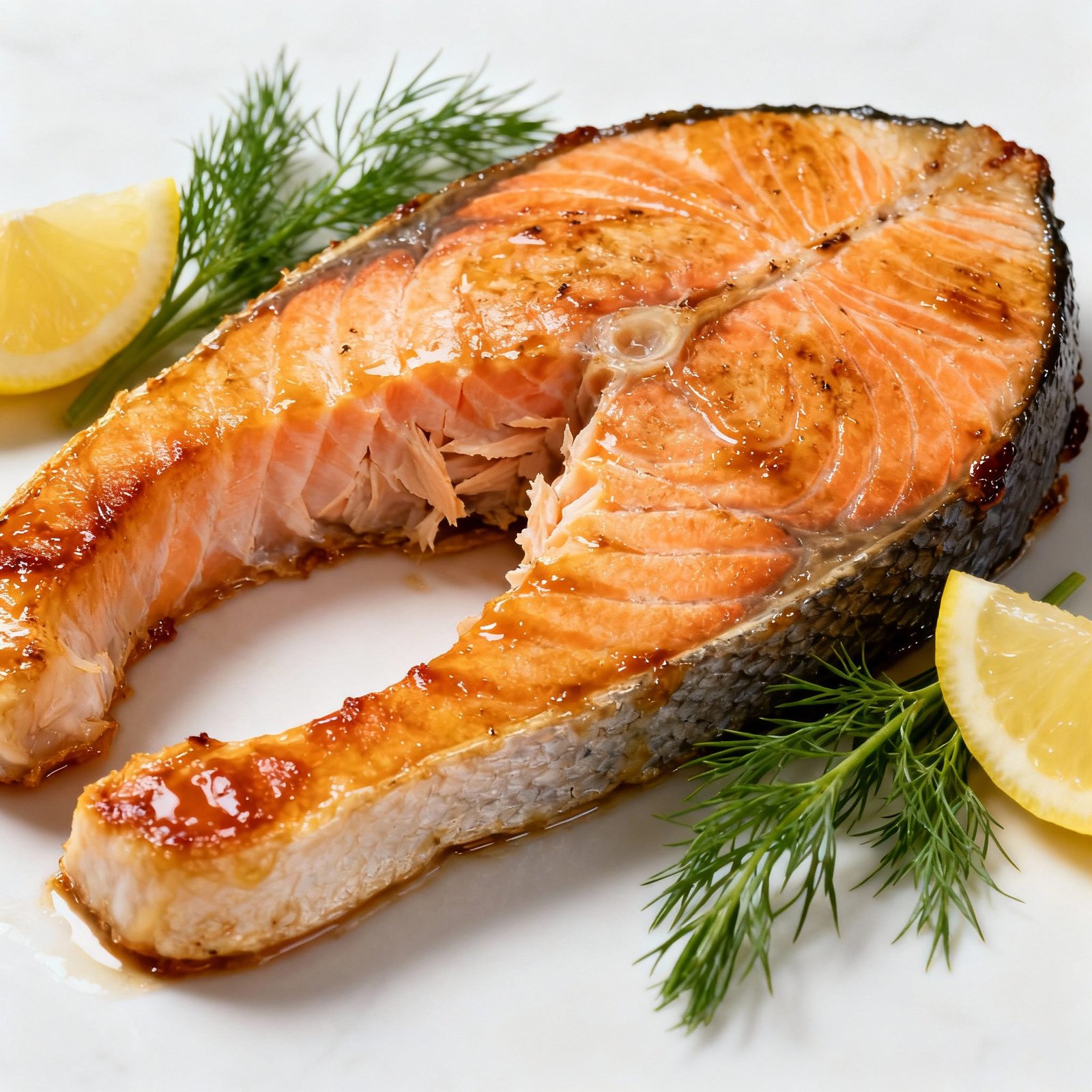
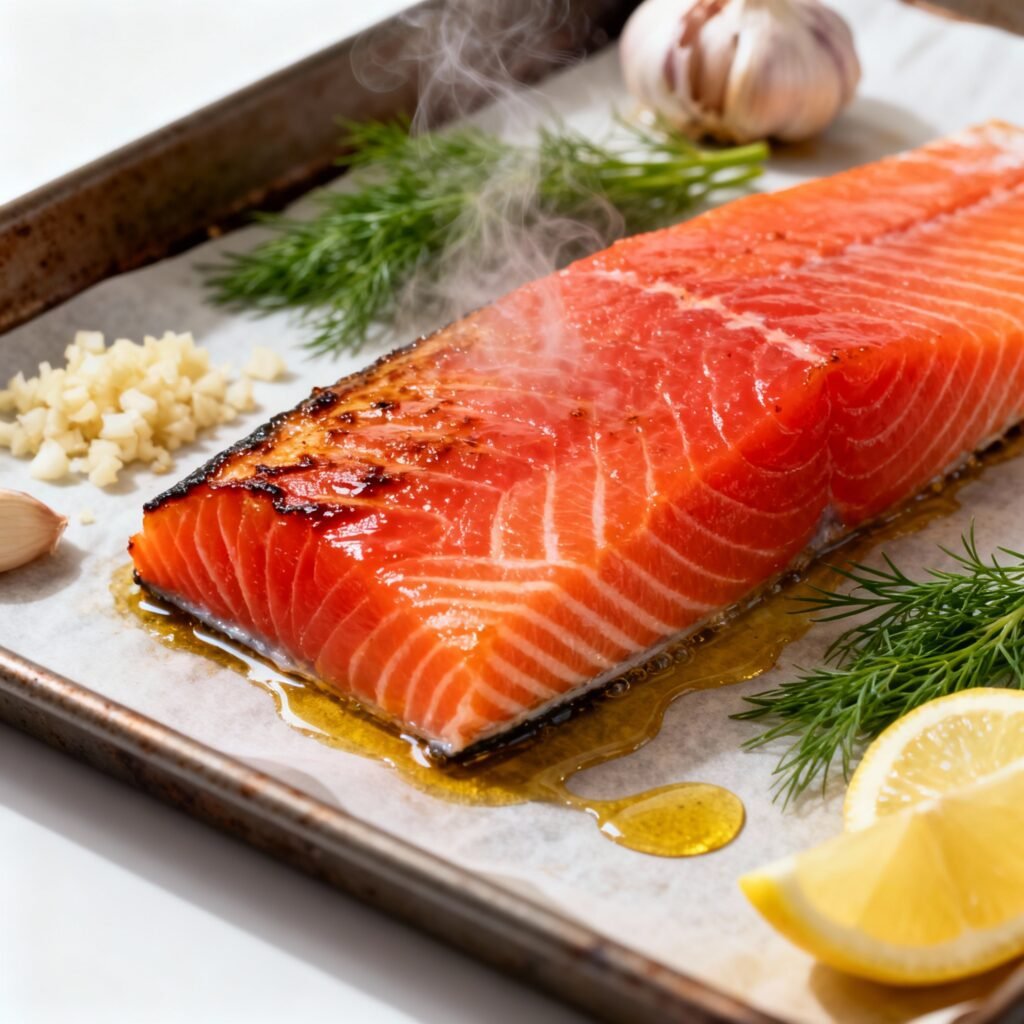
Sockeye salmon, with its vibrant red hue and rich, distinctive flavor, is a true culinary gem. Baking it is one of the easiest and healthiest ways to prepare this prized fish, allowing its natural flavors to shine. This recipe guarantees a perfectly cooked, flaky, and flavorful sockeye salmon that will impress even the most discerning palates. Whether you’re a seasoned seafood enthusiast or a novice cook, this simple yet elegant baked sockeye salmon recipe will become a staple in your kitchen.
Why This Recipe Works
This baked sockeye salmon recipe is designed for success. Here’s why it works:
- Simple Ingredients: We use a short list of readily available ingredients that complement the natural flavor of the salmon without overpowering it.
- Optimal Baking Temperature: Baking at 400°F (200°C) allows the salmon to cook evenly and quickly, resulting in a moist and flaky texture.
- Proper Preparation: Patting the salmon dry before baking ensures a beautiful sear and prevents it from steaming in its own juices.
- Versatile Seasoning: The lemon, garlic, and herb combination enhances the salmon’s flavor profile without being overly complicated. You can easily customize the seasonings to your liking.
- Minimal Effort, Maximum Flavor: This recipe requires minimal prep time and cleanup, making it perfect for busy weeknights or elegant dinner parties.
Ingredients
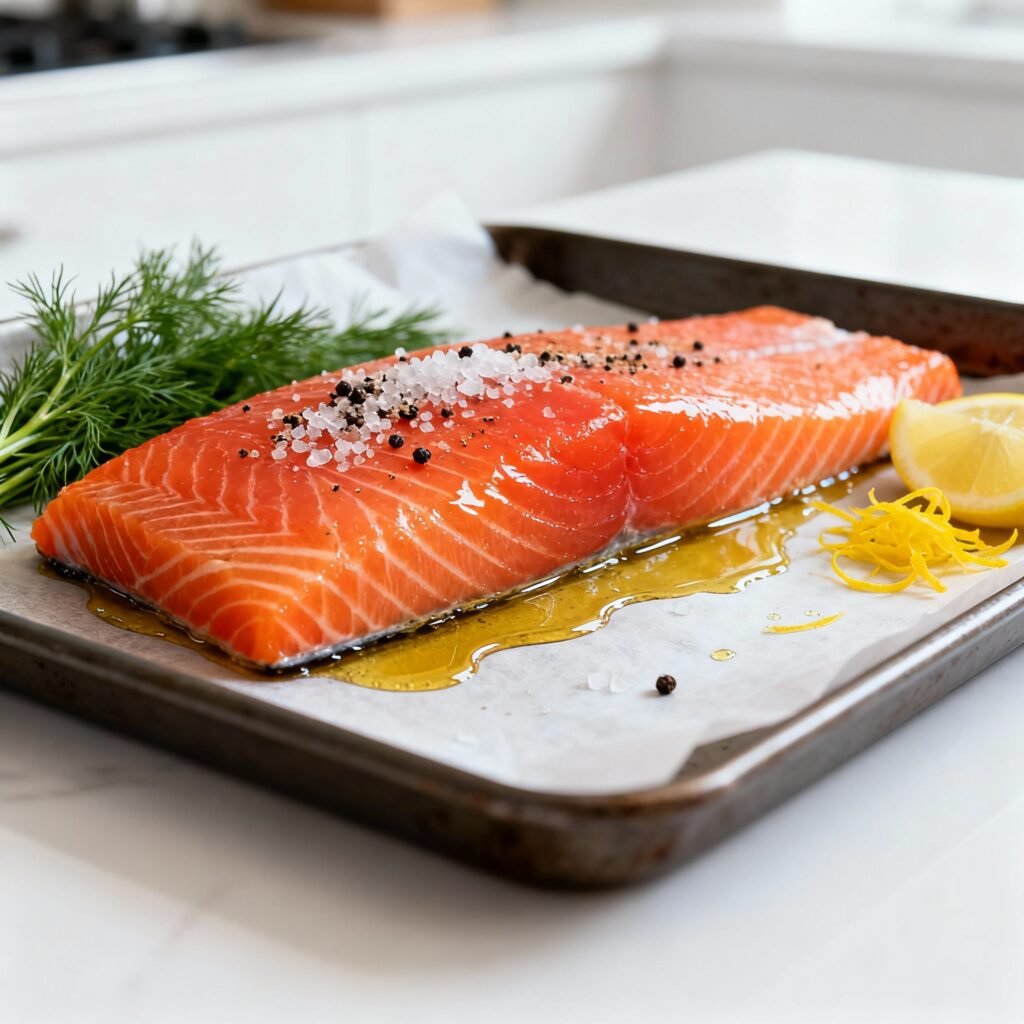
- 1.5 – 2 pounds sockeye salmon fillet, skin on or off
- 2 tablespoons olive oil
- 1 lemon, thinly sliced
- 2 cloves garlic, minced
- 1 tablespoon fresh herbs (such as dill, parsley, or thyme), chopped
- Salt and freshly ground black pepper to taste
- Optional: 1 tablespoon butter, cut into small pats
Instructions
- Preheat the Oven: Preheat your oven to 400°F (200°C).
- Prepare the Salmon: Pat the sockeye salmon fillet dry with paper towels. This is crucial for achieving a nice sear and preventing soggy skin (if baking skin-on).
- Prepare the Baking Dish: Line a baking sheet with parchment paper or aluminum foil. This makes cleanup a breeze.
- Season the Salmon: Place the salmon fillet on the prepared baking sheet. Drizzle with olive oil and rub it evenly over the entire surface. Season generously with salt and freshly ground black pepper.
- Add Aromatics: Scatter the minced garlic and chopped fresh herbs over the salmon fillet. Arrange the lemon slices on top of the salmon. If using butter, dot the salmon with small pats of butter.
- Bake the Salmon: Bake in the preheated oven for 12-15 minutes, or until the salmon is cooked through and flakes easily with a fork. The internal temperature should reach 145°F (63°C). The cooking time will vary depending on the thickness of the fillet.
- Check for Doneness: To check for doneness, gently insert a fork into the thickest part of the salmon. If it flakes easily, it’s ready. Be careful not to overcook the salmon, as it will become dry.
- Rest (Optional): Let the salmon rest for a few minutes before serving. This allows the juices to redistribute, resulting in a more tender and flavorful fish.
- Serve: Serve the baked sockeye salmon immediately. Garnish with extra fresh herbs and lemon wedges, if desired.
Tips for Success
Here are some tips to ensure your baked sockeye salmon turns out perfectly every time:
- Buy High-Quality Salmon: Fresh, high-quality sockeye salmon is essential for the best flavor and texture. Look for salmon with a vibrant red color and a fresh, clean smell.
- Don’t Overcrowd the Pan: If you’re baking multiple salmon fillets, make sure they’re not overcrowded in the baking dish. Overcrowding can prevent the salmon from cooking evenly.
- Adjust Cooking Time: The cooking time will vary depending on the thickness of the salmon fillet. Use a meat thermometer to ensure the salmon reaches an internal temperature of 145°F (63°C).
- Skin On or Off?: Baking with the skin on helps to keep the salmon moist and adds flavor. If you prefer skinless salmon, you can remove the skin before or after baking.
- Experiment with Seasonings: Feel free to experiment with different seasonings to customize the flavor of your baked sockeye salmon. Some other great options include Dijon mustard, soy sauce, ginger, or chili flakes.
- Broil for Extra Color (Optional): For a more golden-brown top, broil the salmon for the last 1-2 minutes of cooking time, keeping a close eye on it to prevent burning.
Storage Instructions
Leftover baked sockeye salmon can be stored in an airtight container in the refrigerator for up to 3 days. To reheat, gently warm the salmon in the oven or microwave until heated through. Be careful not to overcook it, as it can become dry. Cold leftover salmon is also delicious in salads, sandwiches, or wraps.
FAQ
Q: Can I use frozen sockeye salmon for this recipe?
A: Yes, you can use frozen sockeye salmon. Make sure to thaw it completely in the refrigerator before baking. Pat it dry with paper towels to remove any excess moisture.
Q: What side dishes go well with baked sockeye salmon?
A: Baked sockeye salmon pairs well with a variety of side dishes, such as roasted vegetables (asparagus, broccoli, Brussels sprouts), quinoa, rice, potatoes, or a fresh salad.
Q: Can I bake the salmon with other vegetables?
A: Absolutely! You can add vegetables like asparagus, bell peppers, or onions to the baking sheet alongside the salmon for a complete one-pan meal. Just make sure the vegetables are cut into similar sizes so they cook evenly.
Q: How do I know if the salmon is cooked through?
A: The best way to check for doneness is to use a fork to gently flake the salmon in the thickest part. If it flakes easily and is opaque throughout, it’s ready. You can also use a meat thermometer to ensure the internal temperature reaches 145°F (63°C).
Q: Is it necessary to use parchment paper or aluminum foil?
A: While not strictly necessary, lining the baking sheet with parchment paper or aluminum foil makes cleanup much easier. It also prevents the salmon from sticking to the pan.
Conclusion
This baked sockeye salmon recipe is a simple and delicious way to enjoy this nutritious and flavorful fish. With minimal effort and readily available ingredients, you can create a restaurant-quality meal in the comfort of your own home. Whether you’re looking for a quick weeknight dinner or a show-stopping dish for a special occasion, this recipe is sure to impress. So, grab a beautiful fillet of sockeye salmon and get ready to experience the perfectly flaky and flavorful results of this foolproof baking method. Enjoy!