Sourdough Discard English Muffin Recipe: Toast to Tangy Mornings!
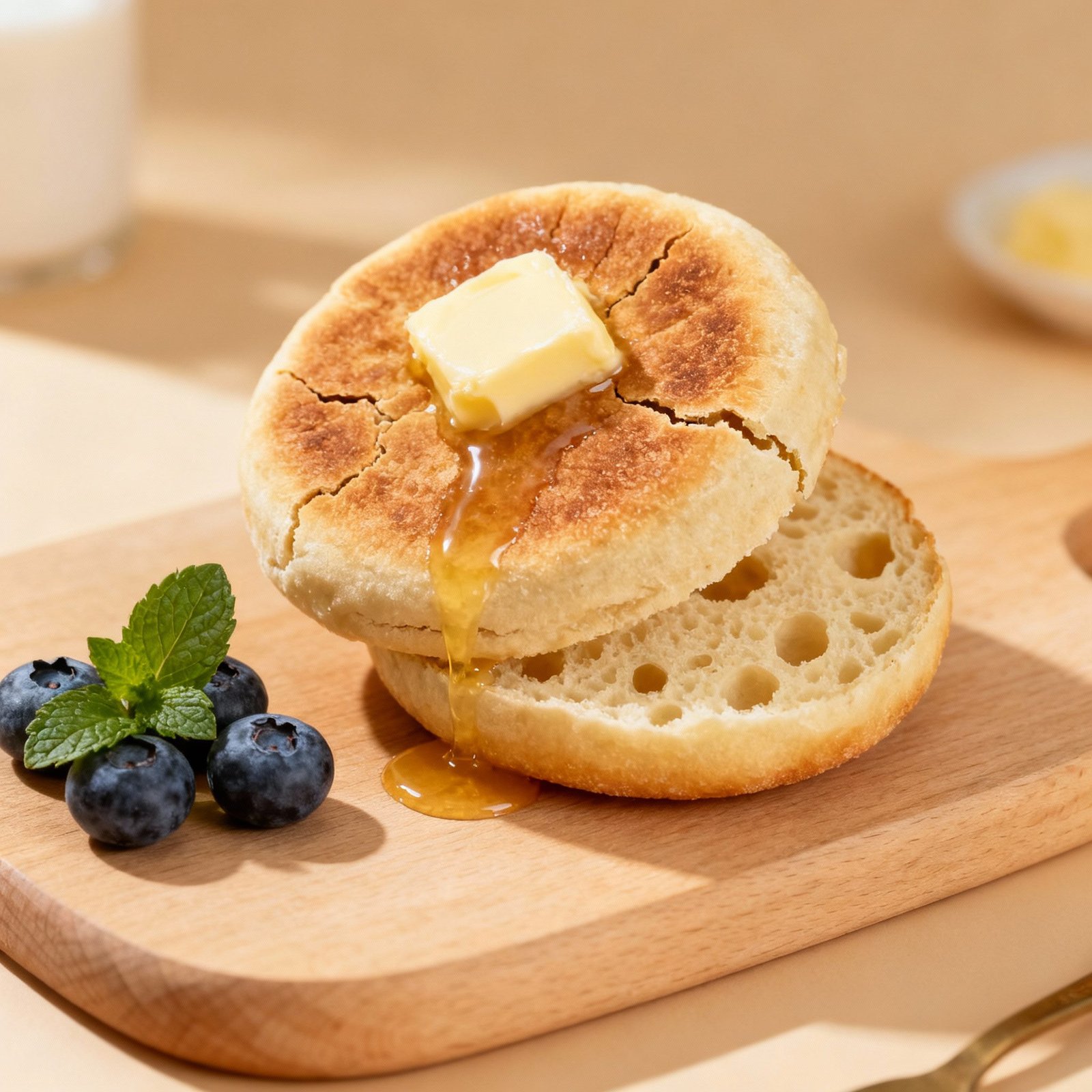
Are you a sourdough baker constantly battling the guilt of discarding that precious starter? Do you crave the craggy, nooks-and-crannies perfection of a homemade English muffin? Well, fret no more! This Sourdough Discard English Muffin recipe is your solution. It transforms that “waste” into delectable, tangy muffins perfect for breakfast, lunch, or even a late-night snack. Imagine sinking your teeth into a warm, toasted muffin, slathered with butter and jam, the subtle sourness perfectly complementing the sweetness. This isn’t just another English muffin recipe; it’s a celebration of resourceful baking and incredible flavor.
Why This Recipe Works
This recipe leverages the unique properties of sourdough discard to create exceptional English muffins. Here’s why it’s a winner:
- Tangy Flavor: The discard contributes a subtle sourness that elevates the flavor profile beyond that of standard English muffins. This tang adds depth and complexity, making each bite more interesting.
- Chewy Texture: Sourdough discard, even when inactive, still contains gluten. This gluten, when combined with the other ingredients and properly developed, creates a delightfully chewy and satisfying texture.
- Simplified Process: Unlike traditional sourdough bread, this recipe doesn’t require active starter or extensive proofing. The discard is used primarily for flavor and texture, making the process much more manageable for busy bakers.
- Resourceful Baking: It eliminates waste! Instead of tossing your discard, you’re transforming it into something delicious and useful. This aligns with sustainable kitchen practices and reduces food waste.
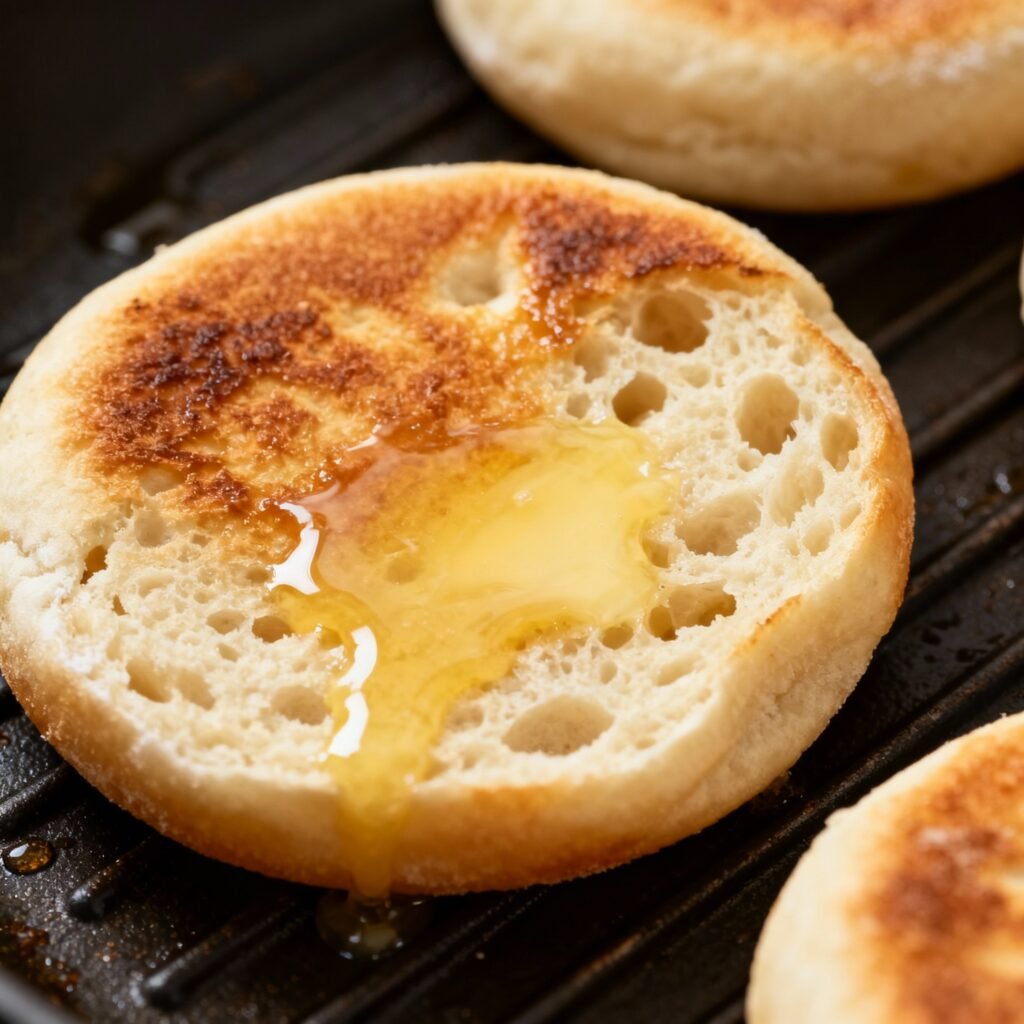
- Nooks and Crannies: The secret to those coveted nooks and crannies lies in the combination of the right hydration, the right cooking method (griddle!), and a little bit of patience. This recipe delivers!
Ingredients
- Sourdough Discard: 1 cup (227g), unfed, room temperature
- All-Purpose Flour: 2 cups (250g), plus more for dusting
- Warm Water: 3/4 cup (177ml), about 105-115°F
- Milk: 1/4 cup (59ml), any kind
- Sugar: 1 tablespoon (12g)
- Salt: 1 teaspoon (6g)
- Baking Soda: 1 teaspoon (4g)
- Neutral Oil: 2 tablespoons (30ml), such as canola or vegetable oil, plus more for greasing
- Cornmeal: For dusting
Instructions
- Combine Wet Ingredients: In a large bowl, whisk together the sourdough discard, warm water, milk, sugar, and oil. Make sure the sugar dissolves completely.
- Add Dry Ingredients: In a separate bowl, whisk together the flour, salt, and baking soda.
- Combine Wet and Dry: Gradually add the dry ingredients to the wet ingredients, mixing until just combined. Do not overmix. The dough will be sticky.
- First Rise: Cover the bowl with plastic wrap or a damp towel and let it rest at room temperature for 1-2 hours, or until slightly puffy. This allows the gluten to relax and the flavors to develop.
- Shape the Muffins: Generously flour a work surface. Turn the dough out onto the floured surface and gently pat it down to about 1/2 inch thickness. Use a 3-inch round cutter (or a glass or jar lid) to cut out the muffins. Re-roll the scraps to cut out more muffins. You should get about 8-10 muffins.
- Second Rise: Place the cut-out muffins on a baking sheet generously sprinkled with cornmeal. Sprinkle more cornmeal on top of the muffins. Cover loosely with plastic wrap and let them rise for 30-45 minutes, or until slightly puffy.
- Cook the Muffins: Heat a lightly oiled griddle or large skillet over medium-low heat. It’s crucial to use low heat to ensure the muffins cook through evenly without burning.
- Griddle the Muffins: Gently transfer the risen muffins to the hot griddle. Cook for 8-10 minutes per side, or until golden brown and cooked through. The internal temperature should reach 200°F (93°C).
- Cool and Split: Transfer the cooked muffins to a wire rack to cool slightly. Use a fork to split the muffins horizontally – this will create those signature nooks and crannies.
- Toast and Enjoy: Toast the split muffins until golden brown and crispy. Serve warm with your favorite toppings.
Tips for Success
- Don’t Overmix: Overmixing will develop too much gluten, resulting in tough muffins. Mix until just combined.
- Low and Slow Cooking: Cooking the muffins over low heat is essential for even cooking and preventing burning. Be patient!
- Cornmeal is Key: Generously coat the baking sheet and the muffins with cornmeal. This prevents sticking and adds a pleasant texture.
- Fork Splitting: Using a fork to split the muffins creates the best nooks and crannies. Avoid using a knife, which will compress the crumb.
- Adjust Sweetness: Feel free to adjust the amount of sugar to your liking. You can also add a touch of honey or maple syrup for extra flavor.
- Flavor Variations: Experiment with adding herbs, spices, or cheese to the dough for different flavor profiles.
- Use a Griddle or Skillet: A flat cooking surface like a griddle or skillet is ideal for achieving even browning.
- Thermometer is your friend: Checking the internal temperature with a food thermometer will guarantee fully cooked muffins.
Storage Instructions
Store cooled English muffins in an airtight container at room temperature for up to 3 days. For longer storage, freeze the muffins in a freezer-safe bag for up to 2 months. To reheat, toast the frozen muffins directly from the freezer.

FAQ
Q: Can I use active sourdough starter instead of discard?
A: While you can, you’ll need to adjust the recipe slightly. Reduce the water by about 1/4 cup and decrease the rise time. The flavor will also be more pronouncedly sour.
Q: My dough is too sticky to handle. What should I do?
A: The dough is meant to be sticky. Generously flour your work surface and your hands to prevent sticking. You can also add a tablespoon or two of flour to the dough if it’s excessively sticky, but be careful not to overmix.
Q: Can I make these muffins ahead of time?
A: Yes! You can prepare the dough up to 24 hours in advance and store it in the refrigerator. Let it come to room temperature for about 30 minutes before shaping and cooking.
Q: My muffins are browning too quickly. What should I do?
A: Lower the heat on your griddle or skillet. You may also need to move the muffins to a cooler part of the cooking surface.
Q: Can I use different types of flour?
A: While all-purpose flour is recommended, you can experiment with using bread flour for a chewier texture. Whole wheat flour can also be used, but it may result in a denser muffin. You may need to adjust the amount of liquid depending on the type of flour you use.
Conclusion
This Sourdough Discard English Muffin recipe is a game-changer for sourdough bakers. It’s a delicious, resourceful, and relatively easy way to use up that discard and create something truly special. The tangy flavor and chewy texture will elevate your breakfast game, and the satisfaction of transforming “waste” into something wonderful is unmatched. So, ditch the store-bought muffins and embrace the joy of homemade. Your taste buds (and your starter!) will thank you. Happy baking!