Sourdough Discard Naan Recipe: The Softest, Fluffiest You’ll Ever Make!
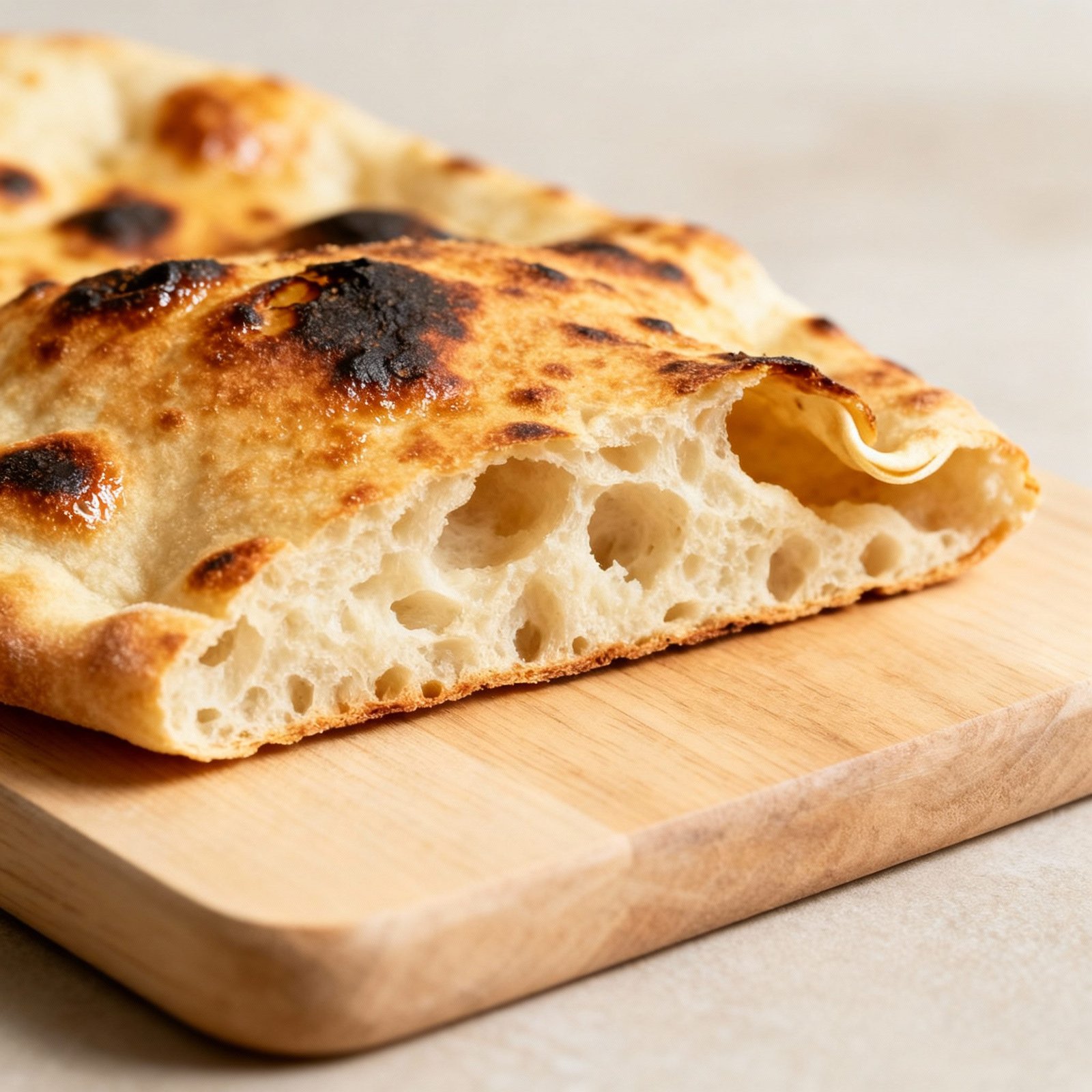
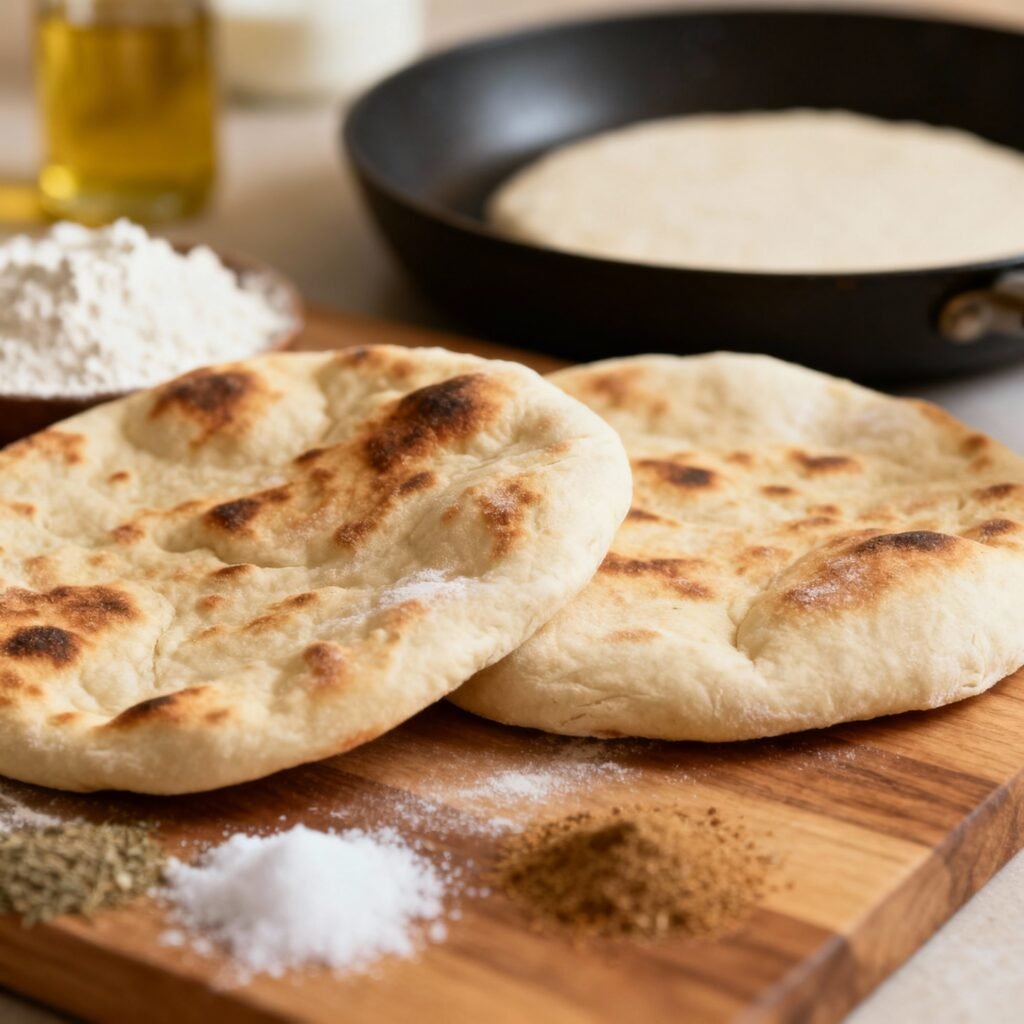
Are you a sourdough baker drowning in discard? Don’t toss it! This Sourdough Discard Naan recipe is the perfect way to transform that tangy byproduct into incredibly soft, flavorful, and addictive flatbread. Forget store-bought naan – this homemade version is a game-changer. Imagine warm, pillowy naan, blistered and slightly charred, ready to scoop up your favorite curries, dips, or even just slathered with butter and garlic. This recipe is surprisingly simple, incredibly versatile, and will quickly become a weeknight staple.
Why This Recipe Works
This recipe isn’t just about using up discard; it’s about leveraging its unique properties to create exceptional naan. Here’s why it works so well:
- Sourdough Discard’s Tang: The slight tang from the discard adds a depth of flavor that’s missing in traditional naan. It’s subtle, but it elevates the overall taste.
- Enhanced Texture: The discard provides extra hydration and gluten development, resulting in a softer, more pliable dough that’s easy to work with.
- Improved Rise: Even though it’s discard, there’s still some active yeast present. This contributes to a slightly better rise and airier texture compared to naan made without it.
- Simplicity: This recipe requires minimal ingredients and effort. You likely already have most of them in your pantry.
- Versatility: You can easily customize this recipe with different herbs, spices, or toppings to suit your taste.
Ingredients
- 1 cup (240g) Sourdough Discard (unfed, room temperature)
- 1/2 cup (120ml) Warm Water (about 110°F/43°C)
- 2 tablespoons Plain Yogurt (full-fat or low-fat)
- 1 tablespoon Olive Oil (or melted ghee)
- 1 teaspoon Sugar
- 1 teaspoon Salt
- 3 cups (360g) All-Purpose Flour, plus more for dusting
- Optional: 1 teaspoon Garlic Powder, 1/2 teaspoon Onion Powder, Chopped Cilantro, Nigella Seeds for topping
Instructions
- Combine Wet Ingredients: In a large bowl, whisk together the sourdough discard, warm water, yogurt, olive oil (or ghee), sugar, and salt until well combined.
- Add Flour: Gradually add the flour to the wet ingredients, mixing with a wooden spoon or your hands until a shaggy dough forms.
- Knead the Dough: Turn the dough out onto a lightly floured surface and knead for 5-7 minutes, or until the dough is smooth and elastic. It should be slightly tacky but not sticky. Add a little more flour if needed, a tablespoon at a time.
- Rest the Dough: Place the dough in a lightly oiled bowl, turning to coat. Cover with plastic wrap or a damp towel and let it rest for at least 1 hour, or up to 2 hours, at room temperature. The longer it rests, the more flavorful and easier to roll out it will be.
- Divide the Dough: Divide the dough into 8 equal pieces. Roll each piece into a ball.
- Roll Out the Naan: On a lightly floured surface, roll out each ball into an oval or teardrop shape, about 1/4 inch thick. Don’t worry about making them perfect!
- Cook the Naan: There are a few ways to cook the naan:
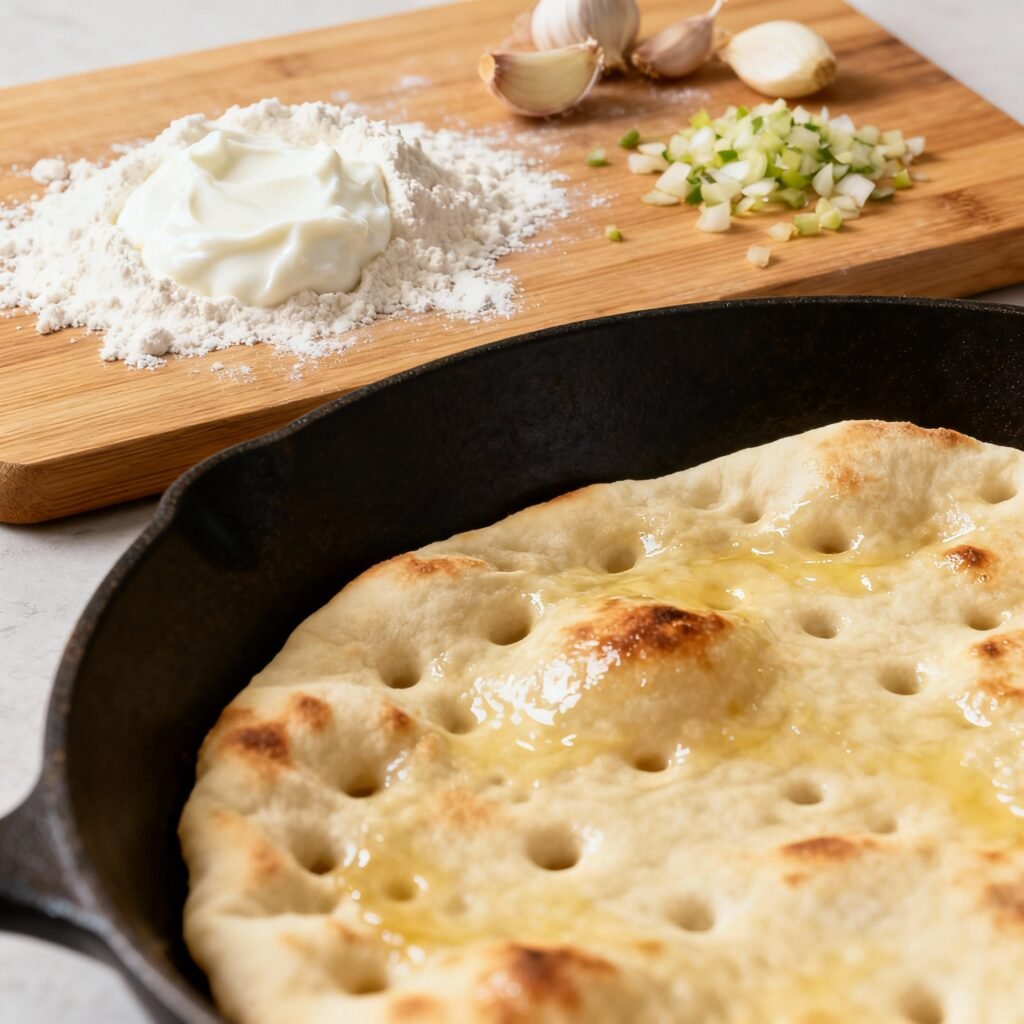
- Cast Iron Skillet: Heat a cast iron skillet (or any heavy-bottomed skillet) over medium-high heat until very hot. Place one naan in the skillet and cook for 1-2 minutes, or until bubbles start to form and the bottom is lightly browned. Flip and cook for another 1-2 minutes, or until the other side is browned and slightly charred in spots.
- Oven Broiler: Preheat your broiler to high. Place the rolled-out naan on a baking sheet lined with parchment paper. Broil for 1-2 minutes per side, watching carefully to prevent burning.
- Tandoor Style (Simulated): Heat a cast iron skillet over medium-high heat. Once hot, place a naan in the skillet for about 30 seconds per side, just enough to start cooking. Then, using tongs, carefully hold the naan directly over an open gas flame for a few seconds per side to char it. This method requires caution and should only be attempted if you are comfortable working with an open flame.
- Brush with Butter (Optional): Immediately after cooking, brush the naan with melted butter or ghee. You can also add minced garlic, chopped cilantro, or other desired toppings.
- Serve Immediately: Serve the naan warm with your favorite curry, dips, or as a side dish.
Tips for Success
- Use Room Temperature Discard: Using discard that’s at room temperature will help the dough rise slightly better.
- Don’t Overknead: Overkneading can result in tough naan. Knead just until the dough is smooth and elastic.
- Resting is Key: The longer the dough rests, the more relaxed the gluten will be, resulting in softer naan.
- Hot Skillet is Crucial: A hot skillet is essential for achieving those beautiful blisters and char marks.
- Watch Carefully While Cooking: Naan cooks quickly, so keep a close eye on it to prevent burning.
- Experiment with Toppings: Get creative with your toppings! Garlic butter, cilantro, nigella seeds, sesame seeds, or even a sprinkle of chili flakes can add extra flavor.
- Adjust Flour as Needed: The amount of flour needed may vary depending on the humidity and the hydration level of your discard. Add more flour, a tablespoon at a time, if the dough is too sticky.
Storage Instructions
Leftover naan can be stored in an airtight container at room temperature for up to 2 days. For longer storage, freeze the naan in a single layer on a baking sheet, then transfer to a freezer bag. Reheat in a skillet, oven, or microwave before serving.
FAQ
- Can I use active sourdough starter instead of discard? While you can, the results will be slightly different. Active starter will result in a more pronounced sourdough flavor and a potentially puffier naan. You may need to adjust the amount of flour used.
- What if I don’t have yogurt? You can substitute sour cream or even buttermilk for the yogurt.
- Can I make this recipe gluten-free? I haven’t tested this recipe with gluten-free flour, but you could try using a 1:1 gluten-free flour blend. You may need to adjust the amount of liquid.
- Why is my naan tough? Overkneading, not enough resting time, or using too much flour can result in tough naan.
- Why isn’t my naan puffing up? Ensure your skillet is hot enough and that you’re not overcrowding the skillet. A properly rested dough will also puff up more easily.
- Can I add herbs to the dough itself? Yes, absolutely! Finely chopped herbs like cilantro, parsley, or mint can be added to the dough during the kneading process.
Conclusion
This Sourdough Discard Naan recipe is a fantastic way to reduce waste and create a delicious, homemade flatbread that’s far superior to anything you can buy in a store. The subtle tang of the sourdough, the soft and pillowy texture, and the endless possibilities for customization make this recipe a true winner. So, next time you’re tempted to toss that discard, think again! Give this recipe a try, and prepare to be amazed at how easy it is to create restaurant-quality naan in your own kitchen.