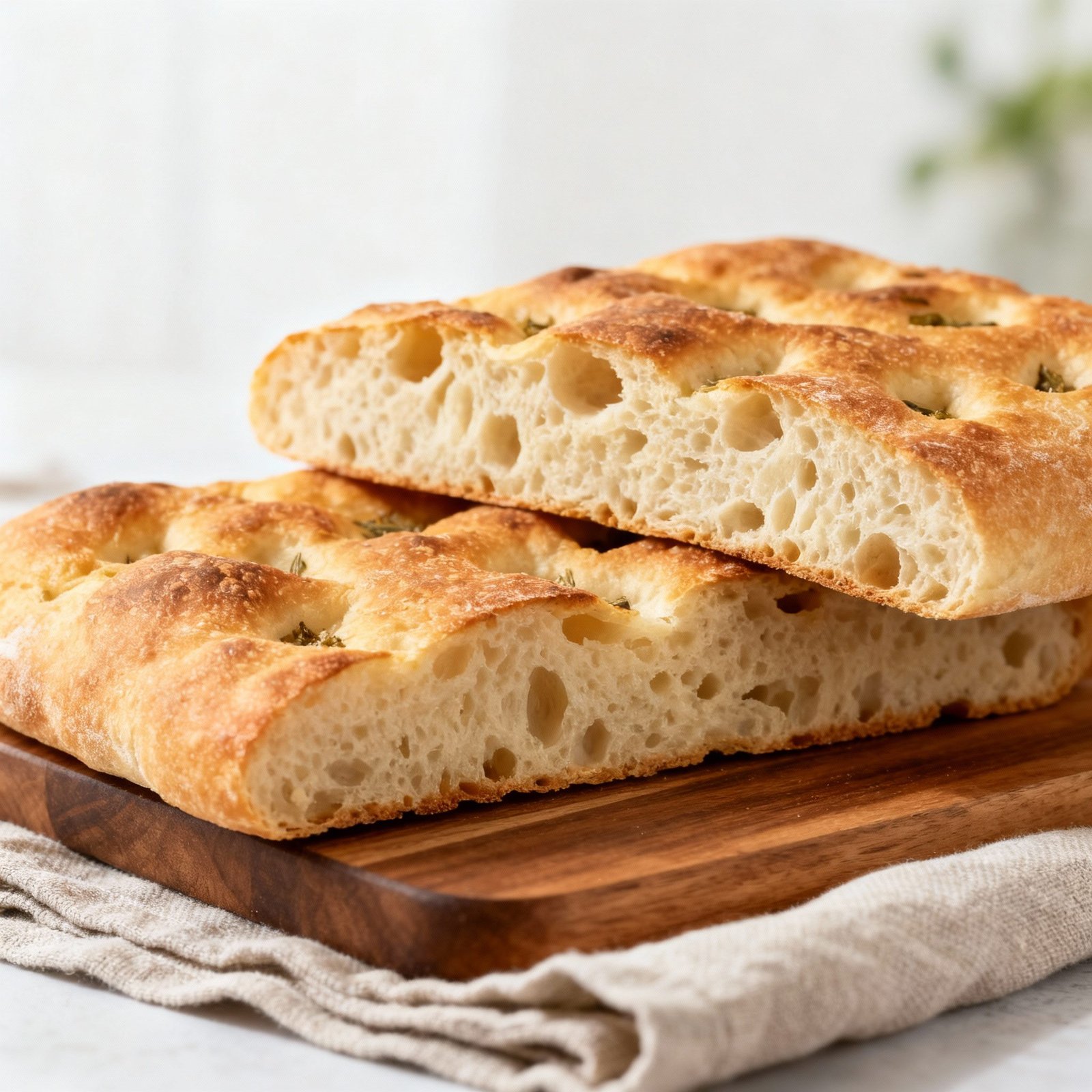
Sourdough Focaccia Bread Recipe: The Ultimate Guide to a Fluffy, Flavorful Loaf
Focaccia, the Italian flatbread, is a culinary canvas. It’s incredibly versatile, delicious on its own, perfect for sandwiches, and a fantastic accompaniment to soups and salads. But what if you could elevate this already delightful bread to another level? Enter the world of sourdough focaccia! This recipe combines the tangy complexity of sourdough with the olive oil-rich, airy texture of traditional focaccia, creating a loaf that’s both deeply flavorful and incredibly satisfying. Get ready to experience focaccia like never before – with a crispy crust, a chewy interior, and a depth of flavor that will keep you coming back for more.
Why This Recipe Works
This sourdough focaccia recipe isn’t just about mixing ingredients; it’s about understanding the science behind the bread. Here’s why it delivers consistent, delicious results:
- Sourdough Starter: The heart of this recipe is your active sourdough starter. The wild yeasts and bacteria in the starter provide a complex flavor profile that you simply can’t achieve with commercial yeast. The long fermentation process also breaks down the gluten, making the bread easier to digest.
- High Hydration: Focaccia is known for its open crumb and airy texture. This is achieved through a high hydration dough, meaning a higher ratio of water to flour. This recipe uses a hydration level that allows for a light and airy loaf while remaining manageable to work with.
- Olive Oil: Olive oil is essential for focaccia. It contributes to the flavor, texture, and beautiful golden crust. We use it generously throughout the recipe, both in the dough and for topping.
- Long Fermentation: The extended fermentation time allows the sourdough starter to fully develop its flavor and leaven the dough gently. This results in a bread with a superior taste and texture. The bulk fermentation and the proofing in the pan, allow for the gluten to relax, creating the signature airy crumb.
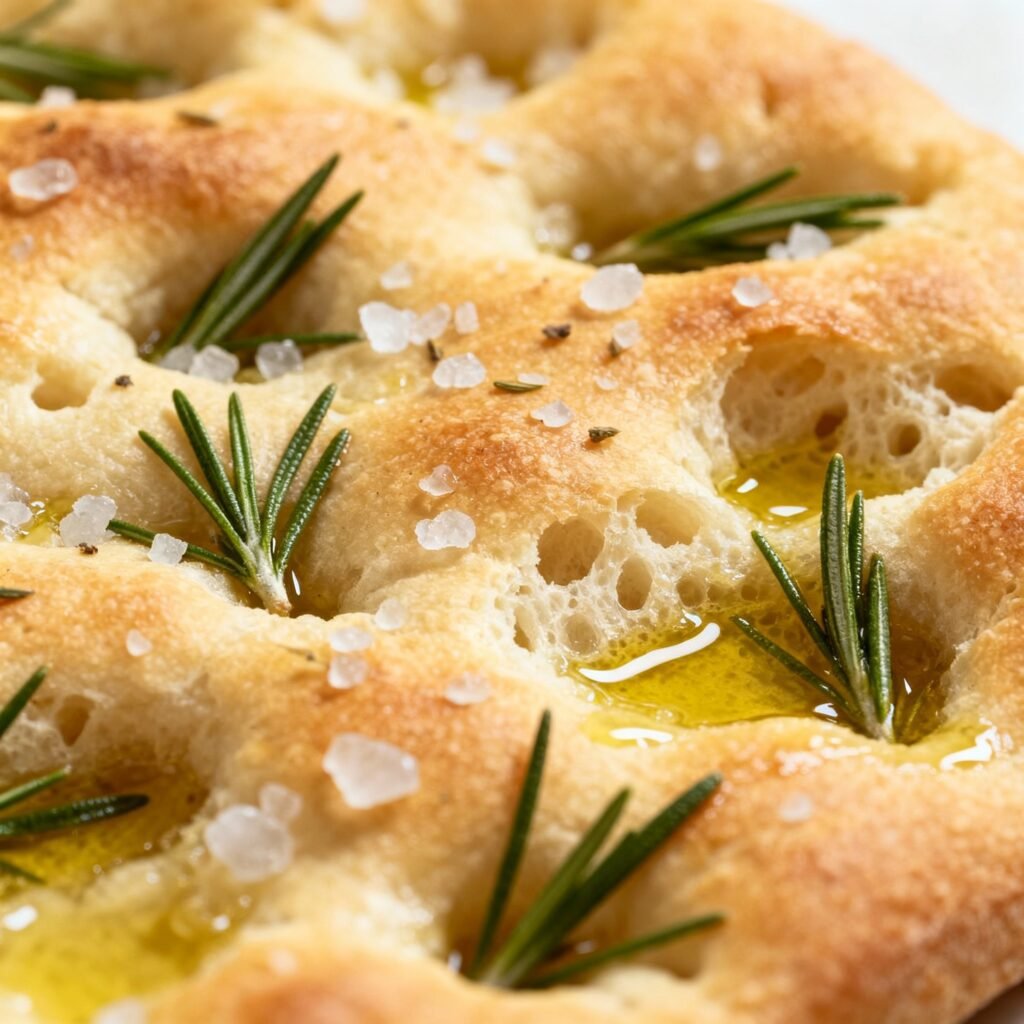
- Dimpling Technique: The iconic dimples in focaccia aren’t just for aesthetics. They create pockets for olive oil to pool, resulting in a crispy, flavorful crust.
Ingredients
- Active Sourdough Starter: 100g (fed and bubbly, doubled in size)
- Bread Flour: 500g (high protein flour is recommended)
- Water: 375g (lukewarm, around 80-85°F)
- Olive Oil: 100ml (plus extra for drizzling)
- Salt: 10g
- Optional Toppings: Coarse sea salt, fresh rosemary, cherry tomatoes, olives, onions, garlic, parmesan cheese, etc.
Instructions
- Autolyse (30 minutes): In a large bowl, combine the bread flour and water. Mix until just combined, and no dry flour remains. Cover and let rest for 30 minutes. This process allows the flour to fully hydrate, resulting in a better texture.
- Add Starter and Salt: Add the active sourdough starter and salt to the autolysed dough. Using your hands or a dough scraper, gently mix until the starter and salt are evenly distributed.
- Add Olive Oil (Gradually): Slowly drizzle in 50ml of olive oil while mixing the dough. Incorporate the oil gradually, allowing it to be fully absorbed before adding more. This can be done by hand or with a stand mixer on low speed.
- Bulk Fermentation (4-6 hours): Cover the bowl and let the dough bulk ferment at room temperature for 4-6 hours. Perform stretch and folds every 30-60 minutes for the first 2-3 hours. To perform a stretch and fold, gently grab a section of the dough, stretch it upwards, and fold it over the center. Rotate the bowl and repeat until you’ve stretched and folded the entire dough. This helps develop strength and structure. The dough should increase in volume and show signs of activity (bubbles).
- Prepare the Pan: Generously grease a 9×13 inch baking pan with the remaining 50ml of olive oil. Make sure the bottom and sides are well coated.
- Transfer to Pan: Gently transfer the dough to the prepared baking pan. Try to avoid deflating the dough too much.
- Proofing (2-4 hours): Cover the pan and let the dough proof at room temperature for 2-4 hours, or until it has almost doubled in size and is puffy. The proofing time will depend on the temperature of your kitchen.
- Dimpling and Topping: Preheat your oven to 450°F (232°C). Once the dough has proofed, generously drizzle the top with more olive oil. Use your fingers to create deep dimples all over the surface of the dough. Be generous with the dimpling! Add your desired toppings (coarse sea salt and rosemary are classic).
- Baking (20-25 minutes): Bake for 20-25 minutes, or until the focaccia is golden brown and the bottom is crispy. Rotate the pan halfway through baking to ensure even browning.
- Cooling: Let the focaccia cool in the pan for a few minutes before transferring it to a wire rack to cool completely.
- Serve: Slice and serve warm or at room temperature. Enjoy!
Tips for Success
- Use a Kitchen Scale: For best results, use a kitchen scale to measure your ingredients accurately.
- Active Starter is Key: Make sure your sourdough starter is active and bubbly before using it in the recipe. A weak starter will result in a dense, under-proofed loaf.
- Don’t Overmix: Avoid overmixing the dough, especially after adding the olive oil. Overmixing can lead to a tough bread.
- Adjust Proofing Time: The proofing time will vary depending on the temperature of your kitchen. Keep an eye on the dough and adjust the time accordingly.
- Be Generous with Olive Oil: Olive oil is crucial for flavor and texture. Don’t be afraid to use it generously!
- Experiment with Toppings: Get creative with your toppings! Try different combinations of herbs, vegetables, and cheeses.
- Listen to Your Dough: Baking is a learning process. Pay attention to how your dough feels and looks at each stage. Adjust the recipe as needed based on your observations.
Storage Instructions
Sourdough focaccia is best enjoyed fresh, but it can be stored for a few days. Here’s how:
- Room Temperature: Store the focaccia in an airtight container or wrapped tightly in plastic wrap at room temperature for up to 2 days.
- Freezing: For longer storage, you can freeze the focaccia. Wrap it tightly in plastic wrap and then in foil, or place it in a freezer bag. It can be frozen for up to 2 months. Thaw at room temperature before reheating.
- Reheating: To reheat focaccia, preheat your oven to 350°F (175°C). Place the focaccia on a baking sheet and bake for 5-10 minutes, or until warmed through. You can also reheat individual slices in a toaster oven.
FAQ
Q: Can I use all-purpose flour instead of bread flour?
A: While bread flour is recommended for its higher protein content, which contributes to a chewier texture, you can use all-purpose flour in a pinch. The texture will be slightly different, but it will still be delicious.
Q: My dough is too sticky. What should I do?
A: Sourdough focaccia dough is naturally sticky due to the high hydration. Make sure you’re using a well-floured surface and wet hands when handling the dough. Avoid adding more flour, as this can make the bread dense.
Q: My focaccia is dense and not airy. What went wrong?
A: Several factors can contribute to a dense focaccia. Make sure your sourdough starter is active, you’re not overmixing the dough, and you’re allowing for sufficient bulk fermentation and proofing time. Also, avoid deflating the dough too much when transferring it to the pan.
Q: Can I make this recipe without a stand mixer?
A: Absolutely! This recipe can be made entirely by hand. Just be prepared for a bit of arm work, especially when incorporating the olive oil.
Q: Can I use dried herbs instead of fresh rosemary?
A: Yes, you can substitute dried herbs for fresh herbs. Use about half the amount of dried herbs as you would fresh herbs.
Conclusion
This sourdough focaccia recipe is a journey of flavor and texture. From the active starter to the generous olive oil, each step contributes to a truly exceptional loaf. Don’t be intimidated by the long fermentation process; it’s what gives this bread its unique character. So, grab your ingredients, fire up your starter, and get ready to bake a focaccia that will impress your friends and family. Enjoy the process, experiment with toppings, and savor every delicious bite!