South African Fudge Recipe: The Creamiest, Dreamiest Bite!
👩🍳 The Home Chef's Essential Kitchen
Consistently cooking incredible, healthy meals at home is so much easier when you aren't fighting with cheap tools. These are the 5 absolute powerhouse kitchen essentials that professional chefs and serious home cooks rely on every single day to get perfect results.
🍳 Lodge 10.25" Cast Iron Skillet
The single greatest value in all of cookware. It retains heat infinitely better than cheap non-stick pans, allowing you to get a restaurant-quality crust on steaks or perfect crispy edges on cornbread. With proper care, this $20 pan will literally outlive you.
🔪 Victorinox Fibrox Pro 8" Chef's Knife
A dull knife makes cooking a frustrating chore. This specific blade is the undisputed champion of the culinary world—it holds a terrifyingly sharp edge, features a comfortable non-slip grip, and performs identical to German knives that cost quadruple the price.
🌡️ ThermoPro Instant Read Thermometer
Never serve dry chicken or undercooked pork again. An instant-read thermometer is the secret difference between amateur cooks who 'guess' when protein is done, and professionals who know exactly when to pull meat off the heat for maximum juiciness.
🍲 Lodge Enameled Cast Iron Dutch Oven
The ultimate workhorse for soups, stews, braised short ribs, and baking crusty artisanal bread. The enameled interior provides incredible heat distribution for slow-cooking while eliminating the intense seasoning maintenance required by bare cast iron.
🥄 Bpa-Free Silicone Utensil Set
Throw away those melting plastic spatulas and bacteria-harboring wooden spoons. This pure silicone set is heat-resistant up to 600°F, won't scratch your expensive pans, and features seamless designs that make cleaning out thick sauces and batters effortless.
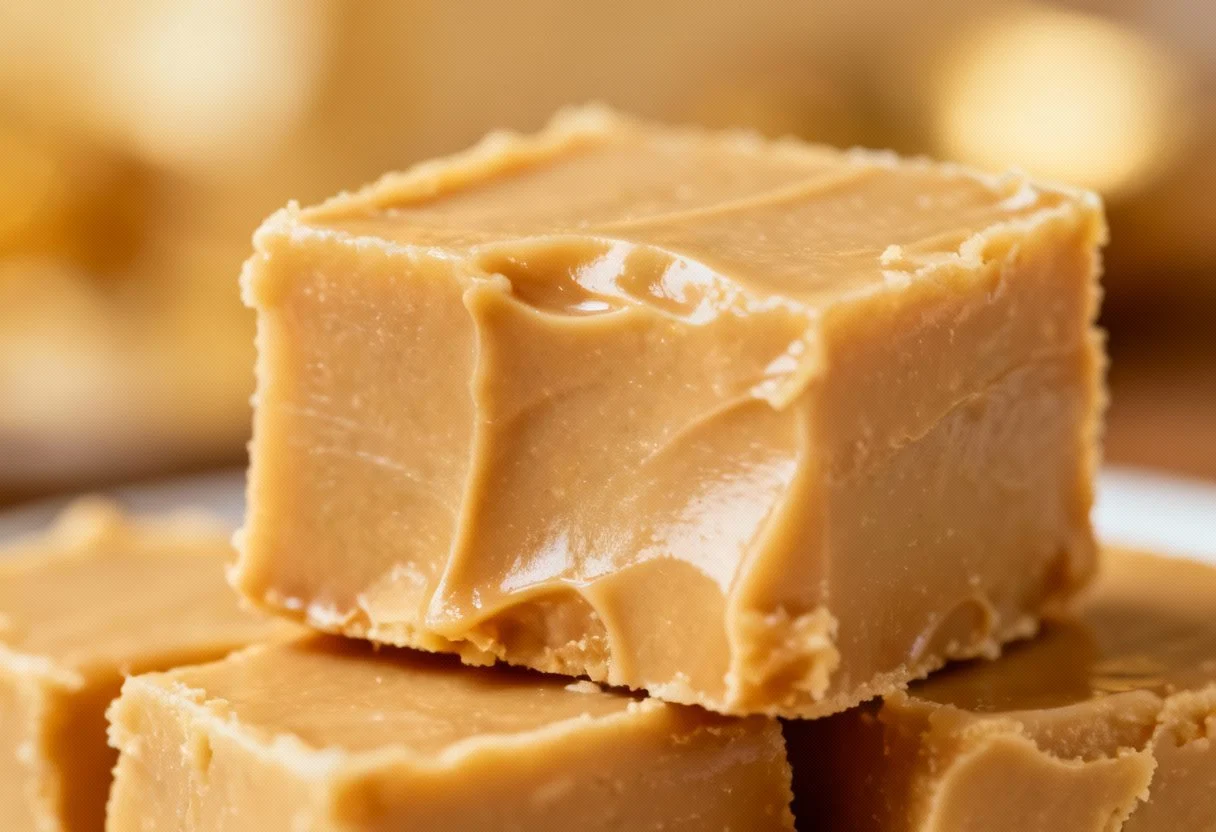
Imagine biting into a square of pure, unadulterated sweetness, so rich and creamy it melts in your mouth. That, my friends, is the magic of South African fudge, or “roomyskonfyt” as it’s sometimes called. Unlike some other fudge recipes that can be grainy or dry, this version delivers a luxuriously smooth texture and a flavor that’s both comforting and incredibly satisfying. This recipe is a cherished family tradition, passed down through generations, and now I’m thrilled to share it with you. Get ready to experience fudge like never before!
Why This Recipe Works
This South African fudge recipe stands out for a few key reasons:
- The Perfect Ratio: The precise balance of sugar, butter, and milk ensures a creamy, never-grainy texture. Too much sugar and it will be hard and brittle; too little and it won’t set properly.
- The Cooking Process: Cooking the mixture to the correct softball stage is crucial. This ensures the fudge sets properly without being too hard or too soft. We’ll explain exactly how to achieve this!
- The Beating Technique: Beating the mixture until it thickens slightly after removing it from the heat is key to achieving the signature smooth, creamy texture. This helps to break down any sugar crystals that may have formed during cooking.
- Simple Ingredients, Big Flavor: You don’t need fancy ingredients to make incredible fudge. This recipe relies on pantry staples, proving that sometimes the simplest things are the best.
Ingredients
- 2 cups (400g) granulated sugar
- 1 cup (250ml) full cream milk
- 1/2 cup (115g) unsalted butter, cut into cubes
- 1/4 teaspoon salt
- 1 teaspoon vanilla extract

Instructions
- Prepare the Pan: Lightly grease and line an 8×8 inch (20×20 cm) square baking pan with parchment paper, leaving an overhang on two sides for easy removal.
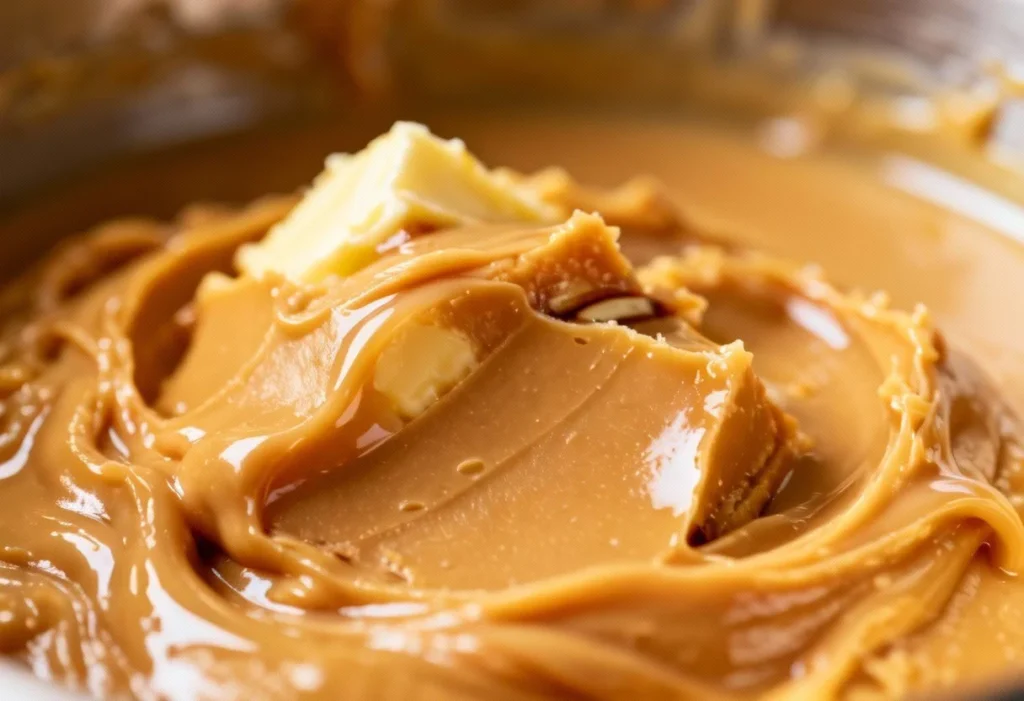
- Combine Ingredients: In a heavy-bottomed saucepan (this is important to prevent scorching), combine the sugar, milk, butter, and salt.
- Cook to Softball Stage: Place the saucepan over medium heat and stir continuously until the sugar is completely dissolved. Once dissolved, stop stirring and bring the mixture to a boil.
- Monitor the Temperature: Use a candy thermometer to monitor the temperature. Cook the mixture, without stirring, until it reaches the softball stage (235-240°F or 112-115°C). If you don’t have a candy thermometer, you can test for the softball stage by dropping a small amount of the hot mixture into a bowl of cold water. If it forms a soft, pliable ball that you can easily flatten between your fingers, it’s ready.
- Remove from Heat: Once the mixture reaches the softball stage, remove the saucepan from the heat.
- Add Vanilla: Stir in the vanilla extract.
- Cool Slightly: Allow the mixture to cool for about 5-10 minutes. This is a crucial step! The mixture needs to cool slightly before beating, otherwise, it will be too runny.
- Beat the Fudge: Now, using a wooden spoon or an electric mixer (on low speed), beat the fudge mixture until it thickens and loses its glossy sheen. This process can take anywhere from 5-10 minutes. You’ll notice the mixture becoming lighter in color and more opaque. Be careful not to overbeat, as this can make the fudge grainy. The fudge is ready when it becomes difficult to stir and starts to hold its shape.
- Pour into Pan: Immediately pour the fudge mixture into the prepared pan and spread it evenly.
- Chill and Set: Let the fudge cool completely at room temperature, then refrigerate for at least 2 hours, or preferably overnight, to allow it to set firmly.
- Cut and Serve: Once the fudge is firm, use the parchment paper overhang to lift it out of the pan. Cut it into squares and serve. Enjoy!
Tips for Success
- Use a Heavy-Bottomed Saucepan: This will prevent the fudge from scorching and ensure even cooking.
- Don’t Stir After Dissolving the Sugar: Stirring after the sugar has dissolved can cause sugar crystals to form, resulting in grainy fudge.
- Accurate Temperature is Key: Use a candy thermometer for the most accurate results. If you don’t have one, practice the cold water test to determine the softball stage.
- Be Patient with the Beating: The beating process is crucial for achieving the right texture. Don’t rush it!
- Don’t Overbeat: Overbeating can make the fudge grainy. Stop beating when the mixture thickens and loses its glossy sheen.
- Add Nuts or Other Flavors: Get creative! You can add chopped nuts (like pecans or walnuts), dried fruit, chocolate chips, or a swirl of peanut butter to customize your fudge. Add these after you remove the fudge from the heat and before you beat it.
Storage Instructions
Store your South African fudge in an airtight container at room temperature for up to 1 week, or in the refrigerator for up to 2 weeks. Fudge stored in the refrigerator may become slightly harder, but it will still taste delicious. You can also freeze fudge for up to 2 months. Wrap it tightly in plastic wrap and then place it in a freezer-safe bag.
FAQ
Q: My fudge is grainy. What did I do wrong?
A: Grainy fudge is usually caused by sugar crystals forming during the cooking process. This can happen if you stirred the mixture after the sugar dissolved, or if the mixture wasn’t cooked to the correct temperature. Make sure to use a heavy-bottomed saucepan, avoid stirring after the sugar dissolves, and use a candy thermometer to ensure accuracy.
Q: My fudge didn’t set. What happened?
A: Fudge that doesn’t set is usually due to not cooking the mixture to the softball stage. Make sure to use a candy thermometer and cook the mixture to 235-240°F (112-115°C). Also, ensure you are using full cream milk, as lower fat content can affect the setting process.
Q: Can I use brown sugar instead of granulated sugar?
A: While you can experiment with brown sugar, it will alter the flavor and texture of the fudge. The original recipe is designed for granulated sugar to achieve the desired creamy texture. If you do use brown sugar, use light brown sugar and be aware that the fudge will be richer and may not set as firmly.
Q: Can I make this recipe vegan?
A: Yes, you can! Substitute the butter with a vegan butter alternative and the milk with a full-fat coconut milk. Be aware that the flavor and texture may be slightly different, but it will still be delicious!
🍰 The Master Baker & Prep Kit
Baking is a science, and meal prep requires efficiency. If you want consistently flaky pie crusts, perfectly risen cakes, and healthy meals ready for the week, these are the 5 upgrade tools that take your execution to the next level.
⚖️ OXO Good Grips 11lb Food Scale
The secret to why bakery bread and cookies are always perfect while home batches vary wildly. Measuring by weight (grams) instead of volume (cups) guarantees precise hydration and flawlessly consistent results every single time you bake.
🧑🍳 KitchenAid Classic Stand Mixer
The undisputed holy grail of the kitchen. From aggressively kneading heavy pizza doughs to whipping meringues into stiff peaks, this powerful motor saves your arms from exhaustion and cuts your hands-on prep time in half.
🍪 Silpat Premium Silicone Baking Mats
Stop wasting money on rolls of parchment paper or agonizing over cookies permanently fused to your metal pans. These reusable, professional-grade silicone mats ensure completely even heat distribution and instantly release even the stickiest caramel.
🌪️ Braun MultiQuick Immersion Blender
The ultimate shortcut tool for creamy tomato soups, lump-free gravies, and rapid smoothies. Avoid the burns and mess of dangerously transferring boiling liquids in batches to a traditional blender by simply blending right inside your cooking pot.
🍱 Premium Glass Meal Prep Containers
If you want to bake and cook healthier, batch preparation is required. These durable glass containers transition safely from freezer to microwave, never absorb tomato sauce stains, and feature airtight seals to keep your hard work fresh all week.
Conclusion
This South African fudge recipe is more than just a dessert; it’s a taste of home, a connection to tradition, and a celebration of simple pleasures. With its creamy texture and unforgettable flavor, it’s sure to become a favorite in your household. So gather your ingredients, follow the steps carefully, and get ready to indulge in the creamiest, dreamiest fudge you’ve ever tasted. Happy baking!