Soya Chunks Recipe Indian Curries: Unlock Flavor & Protein!
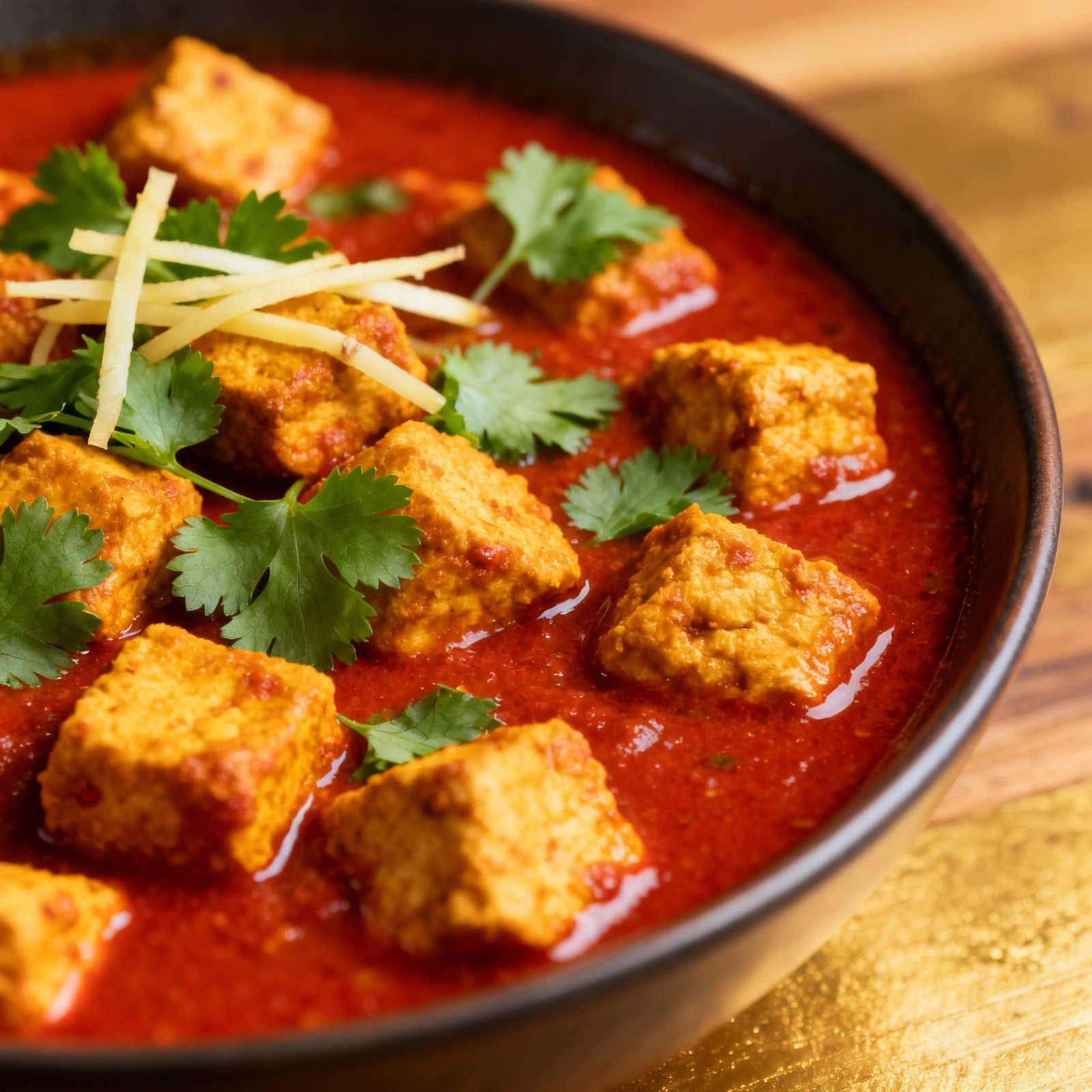
Craving a hearty, flavorful, and protein-packed Indian curry? Look no further! Soya chunks, also known as textured vegetable protein (TVP), are a fantastic and versatile ingredient that soaks up flavor beautifully and adds a satisfying, meaty texture to vegetarian and vegan dishes. This recipe provides a foundation for creating a variety of delicious soya chunk curries, from creamy tomato-based gravies to spicy coconut milk concoctions. Get ready to transform these humble chunks into a culinary masterpiece!
Why This Recipe Works
This recipe focuses on two key elements: properly preparing the soya chunks and building a flavorful base for the curry. Many people find soya chunks bland or even slightly bitter if not cooked correctly. Our method ensures they are tender, juicy, and ready to absorb all the delicious spices and flavors of the curry. The step-by-step instructions guide you through creating a rich and aromatic base that perfectly complements the soya chunks, resulting in a curry that’s both satisfying and bursting with authentic Indian flavors. We’ll cover the essential techniques for achieving the perfect balance of spices and textures, making this recipe accessible to both novice and experienced cooks.
Ingredients
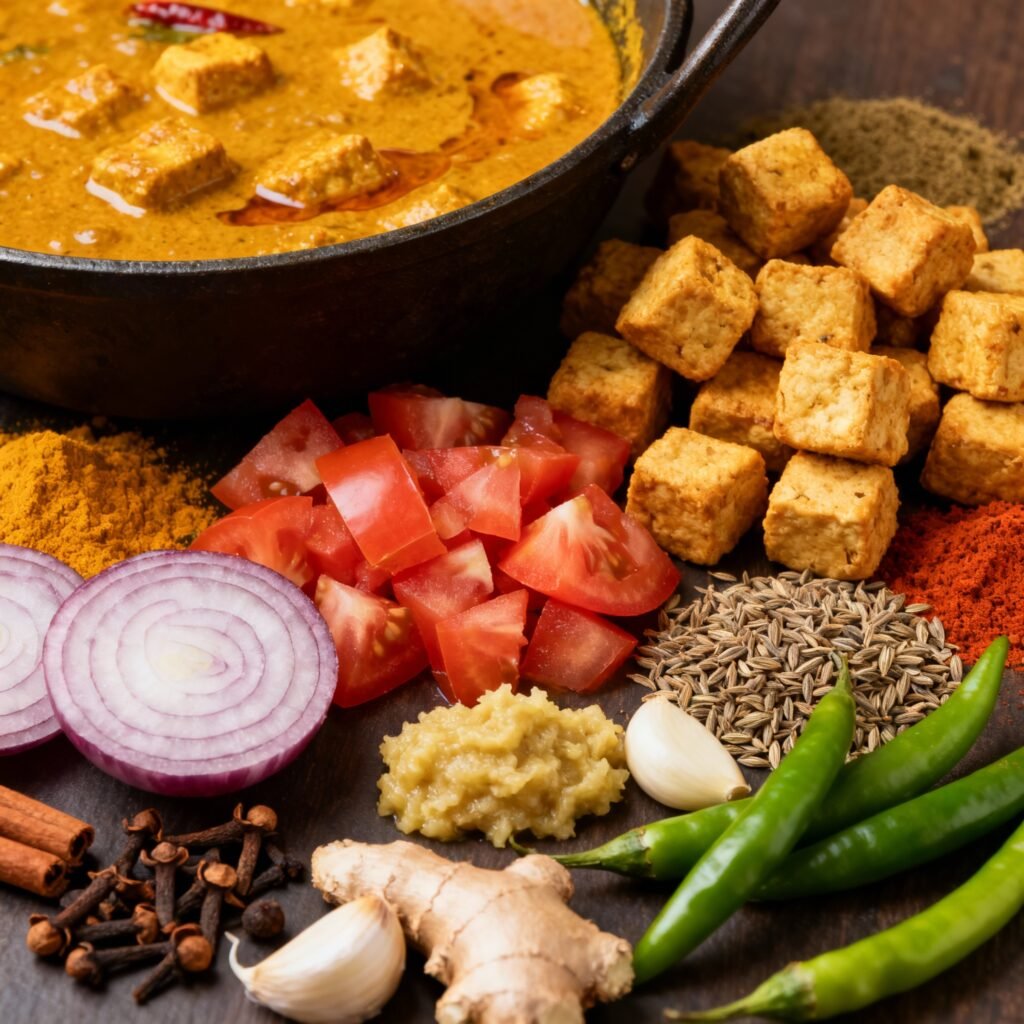
- Soya Chunks: 1 cup (about 100g) – small or medium size recommended
- Water: For soaking and boiling the soya chunks
- Salt: To taste, for boiling the soya chunks and seasoning the curry
- Oil: 2 tablespoons (vegetable, canola, or coconut oil)
- Onion: 1 large, finely chopped
- Ginger-Garlic Paste: 1 tablespoon (equal parts ginger and garlic, crushed)
- Tomatoes: 2 medium, pureed or finely chopped
- Green Chilies: 1-2, finely chopped (adjust to your spice preference)
- Turmeric Powder: 1/2 teaspoon
- Red Chili Powder: 1 teaspoon (adjust to your spice preference)
- Coriander Powder: 2 teaspoons
- Cumin Powder: 1 teaspoon
- Garam Masala: 1/2 teaspoon
- Kasuri Methi (Dried Fenugreek Leaves): 1 teaspoon, crushed (optional, but highly recommended for authentic flavor)
- Fresh Coriander Leaves: For garnish, chopped
- Optional Additions:
- Cashew Paste: 2 tablespoons (for a richer, creamier gravy)
- Cream or Yogurt: 2 tablespoons (added at the end for extra richness)
- Coconut Milk: 1/2 cup (for a South Indian-inspired curry)
- Potatoes or Peas: 1 cup, diced or frozen (added for extra vegetables)
Instructions
- Rehydrate the Soya Chunks: Bring 4 cups of water to a boil in a saucepan. Add the soya chunks and a pinch of salt. Let them boil for 5-7 minutes, or until they become soft and spongy.
- Remove Excess Water: Drain the soya chunks in a colander. Once they are cool enough to handle, gently squeeze out as much water as possible. This step is crucial to prevent the curry from becoming watery and to allow the soya chunks to absorb the flavors of the spices.
- Prepare the Curry Base: Heat oil in a heavy-bottomed pan or Dutch oven over medium heat. Add the chopped onion and sauté until golden brown, about 5-7 minutes. This step is important for developing the base flavor of the curry.
- Add Aromatics: Add the ginger-garlic paste and green chilies. Sauté for another minute, until fragrant. Be careful not to burn the garlic.
- Cook the Tomatoes: Add the tomato puree or chopped tomatoes. Cook for 5-7 minutes, stirring occasionally, until the tomatoes soften and the oil starts to separate from the mixture. This ensures the tomatoes are cooked through and their acidity is reduced.
- Add the Spices: Add the turmeric powder, red chili powder, coriander powder, and cumin powder. Sauté for 1-2 minutes, stirring constantly, until the spices are fragrant and well combined. Be careful not to burn the spices. Add a splash of water if the mixture becomes too dry.
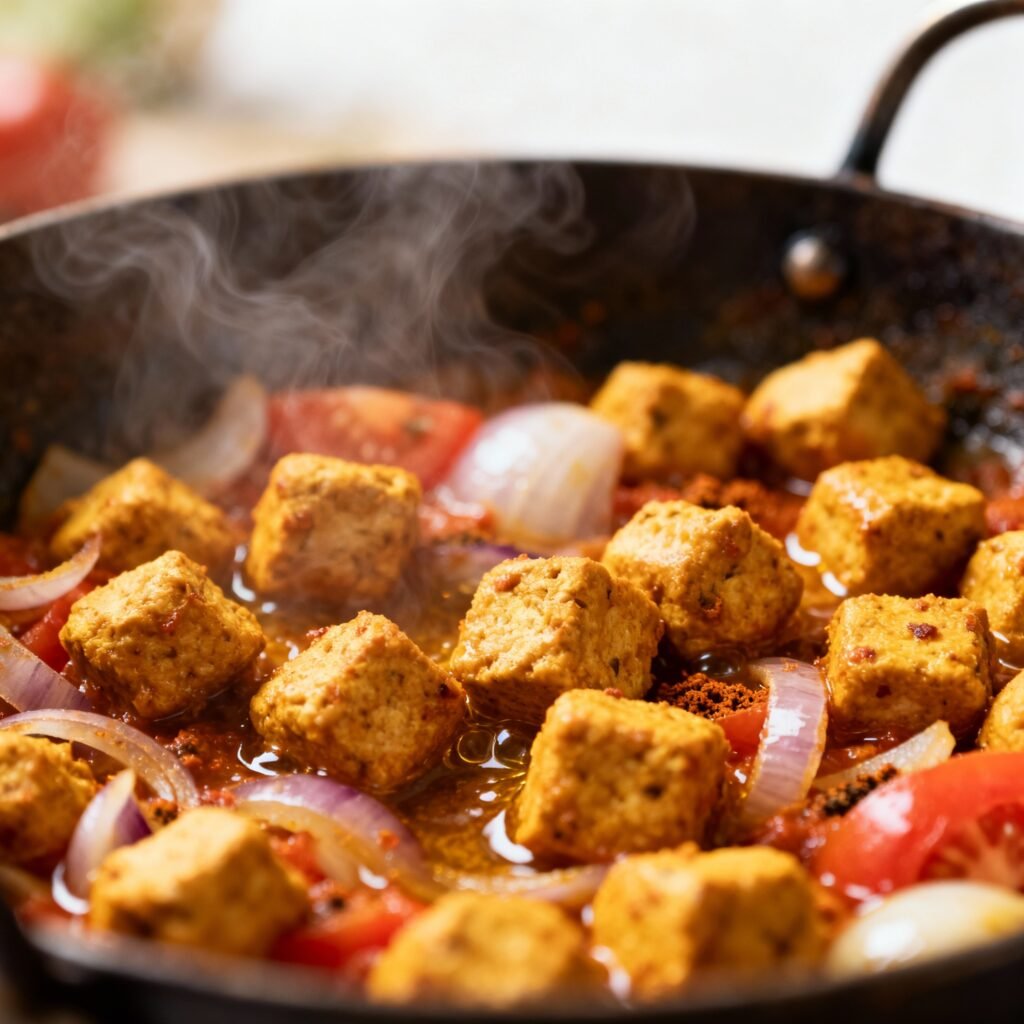
- Add the Soya Chunks: Add the squeezed soya chunks to the pan. Mix well to coat them evenly with the spice mixture.
- Add Water and Simmer: Add 1-2 cups of water, depending on the desired consistency of the curry. Bring to a simmer, then reduce the heat to low, cover the pan, and cook for 15-20 minutes, or until the soya chunks are tender and have absorbed the flavors of the curry.
- Finish the Curry: Stir in the garam masala and crushed kasuri methi (if using). If desired, add cashew paste, cream, yogurt, or coconut milk for extra richness. Simmer for another 2-3 minutes.
- Garnish and Serve: Garnish with fresh coriander leaves. Serve hot with rice, roti, naan, or paratha.
Tips for Success
- Squeeze, Squeeze, Squeeze!: Don’t underestimate the importance of squeezing out excess water from the soya chunks. This is key to preventing a watery curry and allowing the soya chunks to absorb the flavors properly.
- Bloom the Spices: Sautéing the spices in oil helps to release their aroma and flavor. Be careful not to burn them, as this will make the curry bitter.
- Adjust Spice Levels: Adjust the amount of red chili powder and green chilies to suit your spice preference.
- Taste and Adjust: Taste the curry throughout the cooking process and adjust the seasoning as needed. Add more salt, spices, or water to achieve the desired flavor and consistency.
- Slow Cooker Option: This recipe can easily be adapted for a slow cooker. Simply sauté the onions, ginger-garlic paste, and spices in a pan, then transfer everything to the slow cooker along with the soya chunks, tomatoes, and water. Cook on low for 6-8 hours or on high for 3-4 hours.
Storage Instructions
Leftover soya chunk curry can be stored in an airtight container in the refrigerator for up to 3-4 days. Reheat gently on the stovetop or in the microwave until heated through. You may need to add a little water to loosen the curry if it has thickened during storage.
FAQ
Q: Can I use different types of soya chunks?
A: Yes, you can use small, medium, or large soya chunks. The cooking time may vary slightly depending on the size of the chunks. Just make sure they are soft and tender before adding them to the curry.
Q: Can I make this recipe without tomatoes?
A: Yes, you can substitute the tomatoes with 1/2 cup of tomato paste or 1 tablespoon of tamarind paste for a tangy flavor.
Q: Can I freeze soya chunk curry?
A: Yes, soya chunk curry freezes well. Store it in an airtight container in the freezer for up to 2-3 months. Thaw overnight in the refrigerator before reheating.
Q: What other vegetables can I add to this curry?
A: You can add a variety of vegetables, such as potatoes, peas, carrots, cauliflower, or spinach. Add them along with the soya chunks and adjust the cooking time accordingly.
Conclusion
This soya chunks recipe opens the door to a world of delicious and satisfying Indian curries. With its high protein content and ability to absorb flavors, soya chunks are a fantastic ingredient for vegetarians and vegans alike. Experiment with different spices, vegetables, and additions to create your own signature soya chunk curry. Enjoy the process of cooking and the delicious results!