Tuna Salad Recipe Healthy: The 10-Minute Power Lunch That Actually Tastes Epic
👩🍳 The Home Chef's Essential Kitchen
Consistently cooking incredible, healthy meals at home is so much easier when you aren't fighting with cheap tools. These are the 5 absolute powerhouse kitchen essentials that professional chefs and serious home cooks rely on every single day to get perfect results.
🍳 Lodge 10.25" Cast Iron Skillet
The single greatest value in all of cookware. It retains heat infinitely better than cheap non-stick pans, allowing you to get a restaurant-quality crust on steaks or perfect crispy edges on cornbread. With proper care, this $20 pan will literally outlive you.
🔪 Victorinox Fibrox Pro 8" Chef's Knife
A dull knife makes cooking a frustrating chore. This specific blade is the undisputed champion of the culinary world—it holds a terrifyingly sharp edge, features a comfortable non-slip grip, and performs identical to German knives that cost quadruple the price.
🌡️ ThermoPro Instant Read Thermometer
Never serve dry chicken or undercooked pork again. An instant-read thermometer is the secret difference between amateur cooks who 'guess' when protein is done, and professionals who know exactly when to pull meat off the heat for maximum juiciness.
🍲 Lodge Enameled Cast Iron Dutch Oven
The ultimate workhorse for soups, stews, braised short ribs, and baking crusty artisanal bread. The enameled interior provides incredible heat distribution for slow-cooking while eliminating the intense seasoning maintenance required by bare cast iron.
🥄 Bpa-Free Silicone Utensil Set
Throw away those melting plastic spatulas and bacteria-harboring wooden spoons. This pure silicone set is heat-resistant up to 600°F, won't scratch your expensive pans, and features seamless designs that make cleaning out thick sauces and batters effortless.
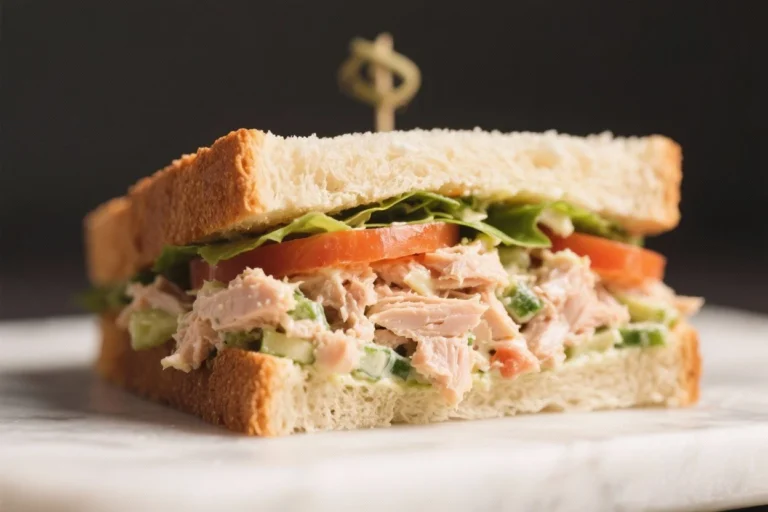
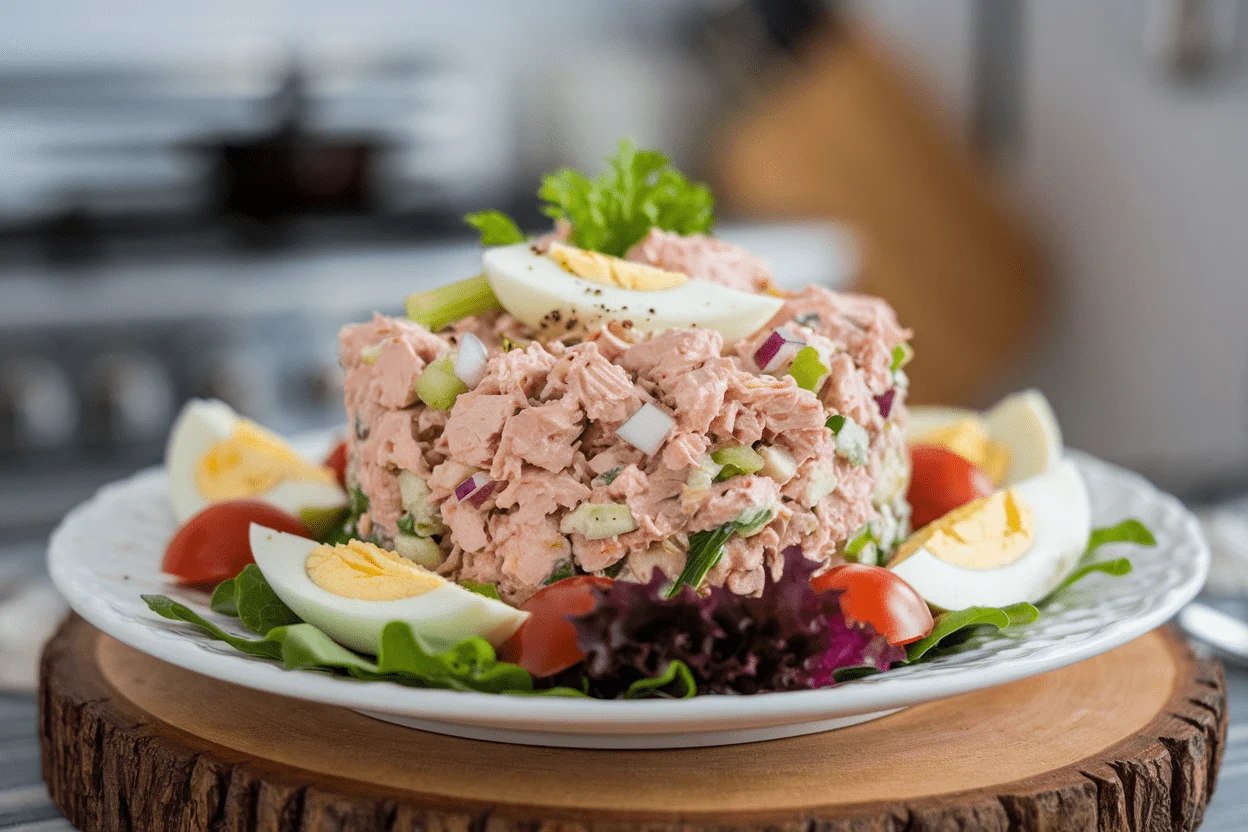
You don’t need a chef, a blender, or a trust fund to eat like someone who has their life together. You need a can of tuna, a few fresh add-ins, and a plan. This tuna salad recipe is crisp, zesty, and seriously satisfying—without the mayo bomb or sad desk vibes.
It’s high-protein, low-fuss, and built for people who want results, not excuses. Ready to make your lunch the most productive decision of your day?
The Secret Behind This Recipe
The magic is all about texture and acidity. Most tuna salads are heavy and mushy; this one is bright and crunchy thanks to celery, cucumber, and red onion.
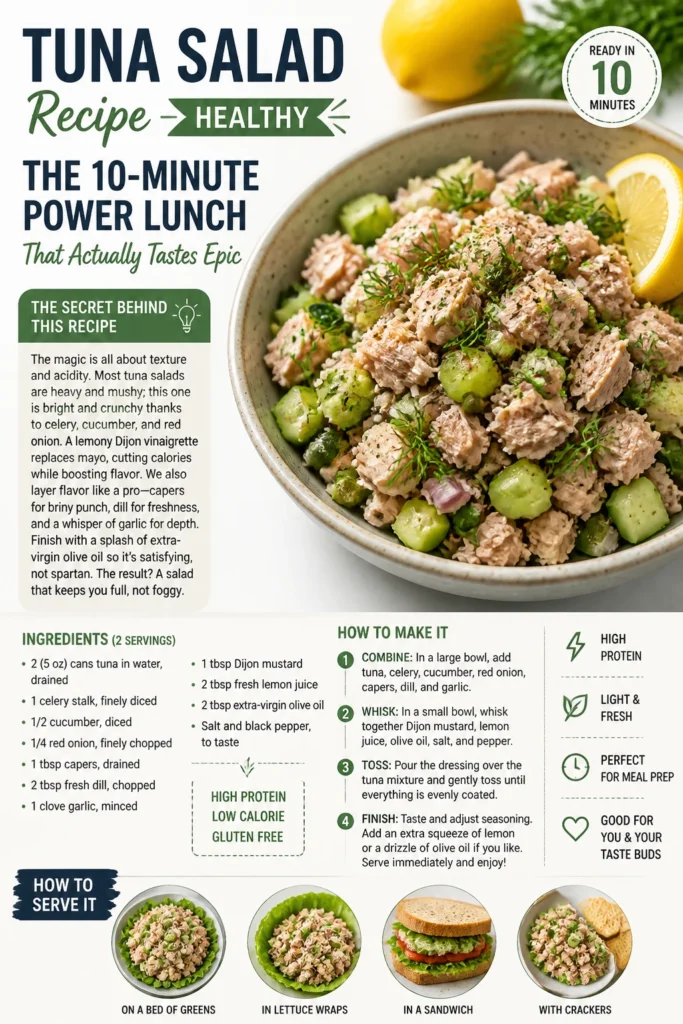
A lemony Dijon vinaigrette replaces mayo, cutting calories while boosting flavor. We also layer flavor like a pro: capers for briny punch, dill for freshness, and a whisper of garlic for depth. Finish with a splash of extra-virgin olive oil so it’s satisfying, not spartan.
The result? A salad that keeps you full, not foggy.
Ingredients
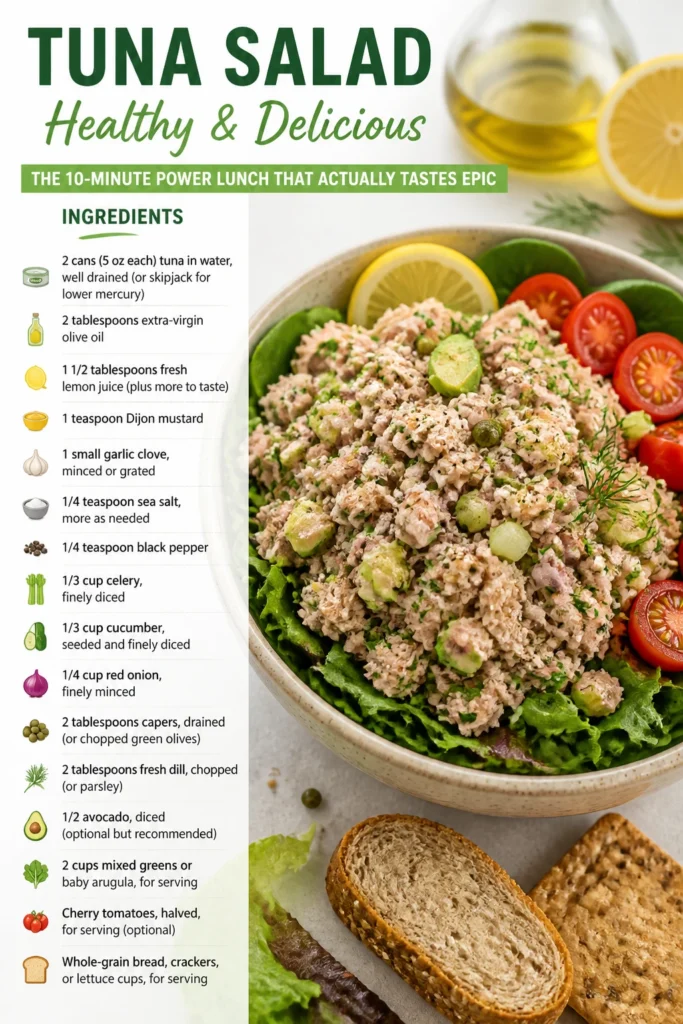
- 2 cans (5 oz each) tuna in water, well drained (or skipjack for lower mercury)
- 2 tablespoons extra-virgin olive oil
- 1 1/2 tablespoons fresh lemon juice (plus more to taste)
- 1 teaspoon Dijon mustard
- 1 small garlic clove, minced or grated
- 1/4 teaspoon sea salt, more as needed
- 1/4 teaspoon black pepper
- 1/3 cup celery, finely diced
- 1/3 cup cucumber, seeded and finely diced
- 1/4 cup red onion, finely minced
- 2 tablespoons capers, drained (or chopped green olives)
- 2 tablespoons fresh dill, chopped (or parsley)
- 1/2 avocado, diced (optional but recommended)
- 2 cups mixed greens or baby arugula, for serving
- Cherry tomatoes, halved, for serving (optional)
- Whole-grain bread, crackers, or lettuce cups, for serving
Cooking Instructions
- Make the dressing: In a small bowl, whisk olive oil, lemon juice, Dijon, garlic, salt, and pepper until glossy and emulsified.
- Prep the crunch: Dice celery and cucumber, mince the red onion, and chop dill. Pat them dry with a paper towel so the salad stays crisp.
- Drain like you mean it: Press the tuna gently in the can with the lid to remove excess water.
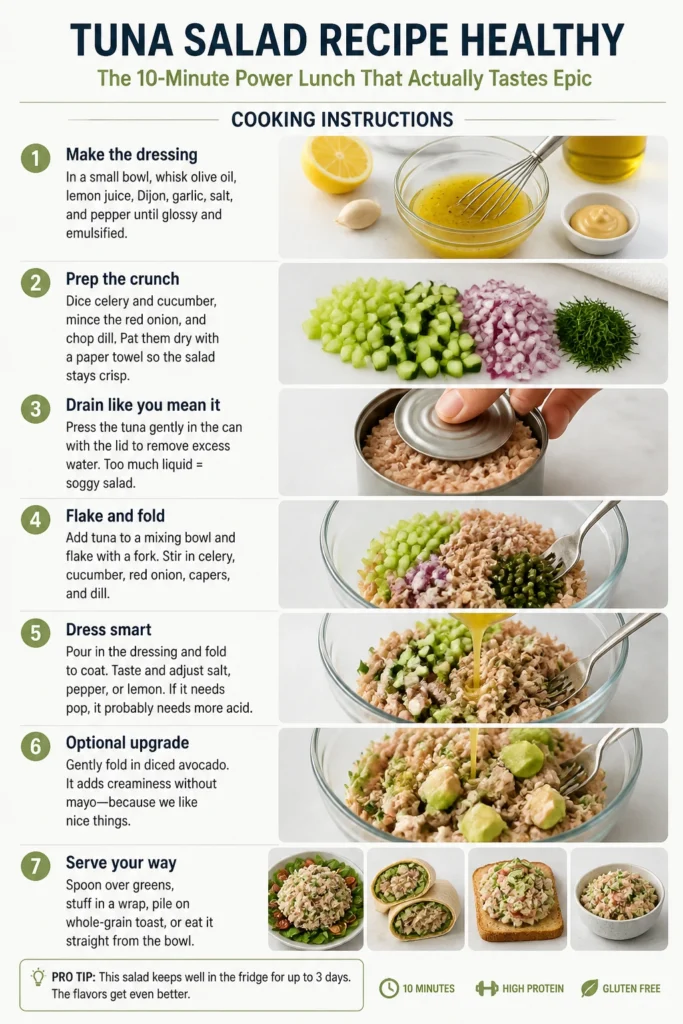
Too much liquid = soggy salad.
- Flake and fold: Add tuna to a mixing bowl and flake with a fork. Stir in celery, cucumber, red onion, capers, and dill.
- Dress smart: Pour in the dressing and fold to coat. Taste and adjust salt, pepper, or lemon.
If it needs “pop,” it probably needs more acid.
- Optional upgrade: Gently fold in diced avocado. It adds creaminess without mayo—because we like nice things.
- Serve your way: Spoon over greens, pile onto toasted whole-grain bread, stuff into lettuce cups, or pair with seeded crackers and tomatoes.
- Finish strong: Drizzle a touch more olive oil and a squeeze of lemon right before serving for restaurant-level shine and flavor.
Preservation Guide
- Fridge life: Store in an airtight container for 2–3 days. Keep greens separate to avoid wilting.
- No avocado?
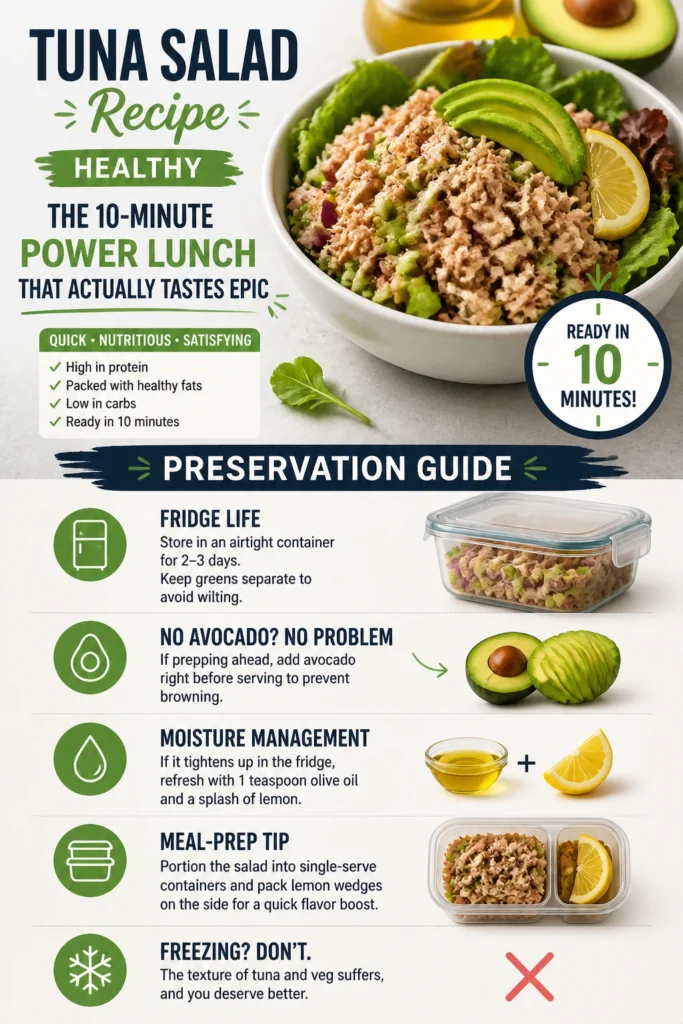
No problem:
If prepping ahead, add avocado right before serving to prevent browning. - Moisture management: If it tightens up in the fridge, refresh with 1 teaspoon olive oil and a splash of lemon.
- Meal-prep tip: Portion the salad into single-serve containers and pack lemon wedges on the side for a quick flavor boost.
- Freezing: Don’t. The texture of tuna and veg suffers, and you deserve better.
Why This is Good for You
- High protein, low nonsense: Each serving brings a hefty hit of lean protein to keep you full and support muscle repair.
- Healthy fats: Olive oil and optional avocado deliver monounsaturated fats for heart health and steady energy.
- Omega-3s: Tuna contains EPA and DHA, which support brain function and tame inflammation. Your future self says thanks.
- Fiber + micronutrients: Veggies add fiber for digestion plus potassium, vitamin K, and antioxidants.
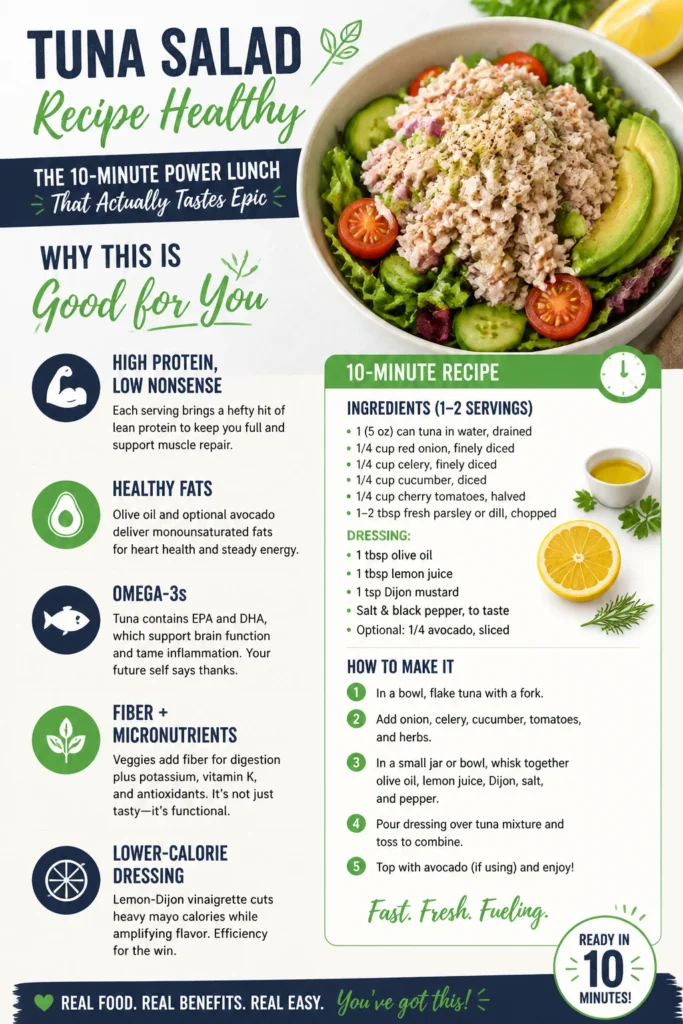
It’s not just tasty—it’s functional.
- Lower-calorie dressing: Lemon-Dijon vinaigrette cuts heavy mayo calories while amplifying flavor. Efficiency for the win.
Pitfalls to Watch Out For
- Watery salad: Not draining tuna or patting veggies dry turns your bowl into a puddle. Be ruthless.
- Bland vibes: If it tastes flat, it needs acid or salt.
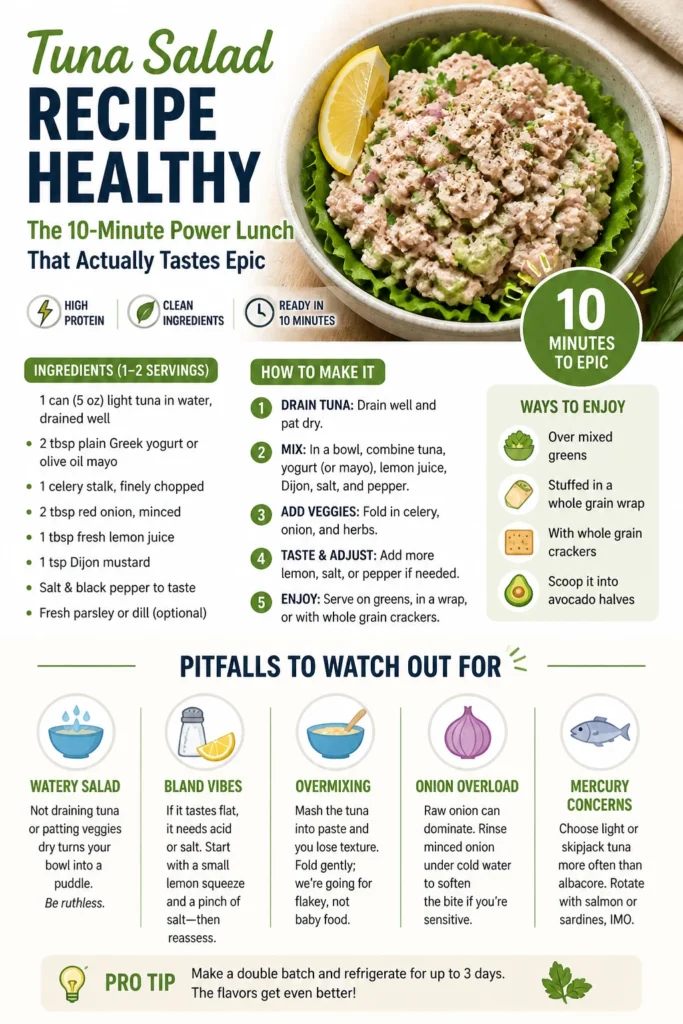
Start with a small lemon squeeze and a pinch of salt—then reassess.
- Overmixing: Mash the tuna into paste and you lose texture. Fold gently; we’re going for flakey, not baby food.
- Onion overload: Raw onion can dominate. Rinse minced onion under cold water to soften the bite if you’re sensitive.
- Mercury concerns: Choose light or skipjack tuna more often than albacore.
Rotate with salmon or sardines, IMO.
Mix It Up
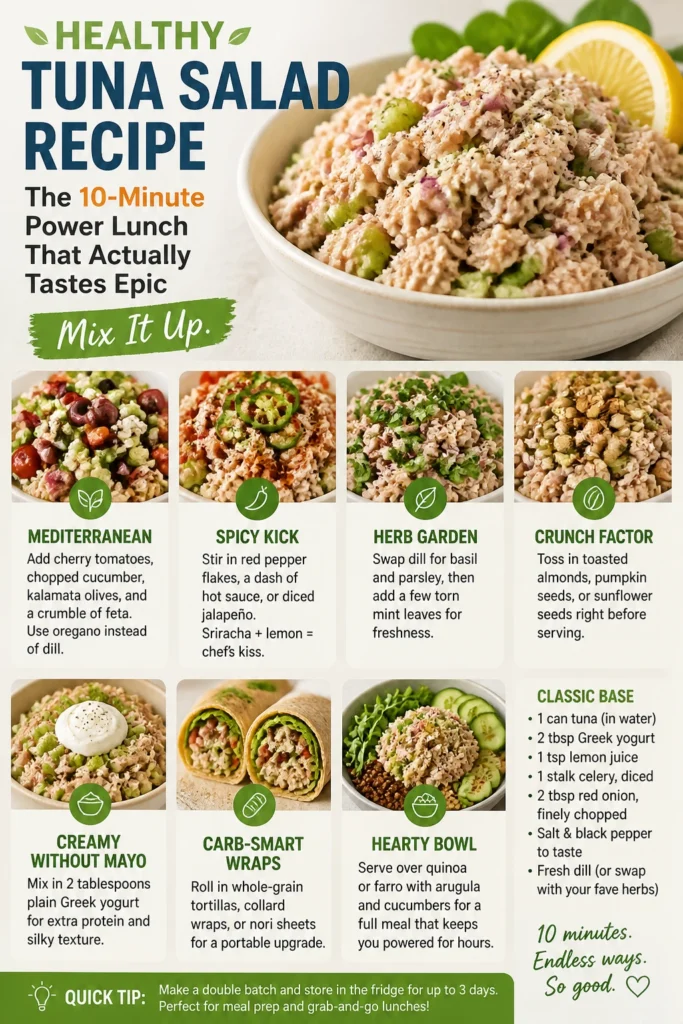
- Mediterranean: Add cherry tomatoes, chopped cucumber, kalamata olives, and a crumble of feta. Use oregano instead of dill.
- Spicy kick: Stir in red pepper flakes, a dash of hot sauce, or diced jalapeño. Sriracha + lemon = chef’s kiss.
- Herb garden: Swap dill for basil and parsley, then add a few torn mint leaves for freshness.
- Crunch factor: Toss in toasted almonds, pumpkin seeds, or sunflower seeds right before serving.
- Creamy without mayo: Mix in 2 tablespoons plain Greek yogurt for extra protein and silky texture.
- Carb-smart wraps: Roll in whole-grain tortillas, collard wraps, or nori sheets for a portable upgrade.
- Hearty bowl: Serve over quinoa or farro with arugula and cucumbers for a full meal that keeps you powered for hours.
FAQ
Can I use fresh tuna instead of canned?
Yes.
Sear a tuna steak to medium-rare, cool, and flake. It’s a luxe twist, but canned tuna is faster, cheaper, and still nutritious.
What’s the best tuna to buy for health?
Skipjack or “light” tuna typically has lower mercury than albacore. Look for sustainably caught options (pole-and-line, MSC certified) when possible.
Is there a mayo version that’s still healthy?
Use half olive oil–lemon dressing and half Greek yogurt or avocado mayo.
You’ll keep tang and creaminess with fewer calories.
How do I reduce the onion bite?
Rinse minced onion under cold water, then pat dry. Or swap in thinly sliced scallions for a gentler flavor.
Can I make this dairy-free and gluten-free?
It already is dairy-free if you skip yogurt variations. It’s naturally gluten-free—just use GF bread or serve with lettuce cups or grain bowls.
How much protein is in a serving?
Two 5-oz cans split into 3 servings delivers roughly 18–22 grams of protein per serving, depending on the brand and add-ins.
What can I use instead of capers?
Chopped green olives, pickles, or a tiny splash of pickle brine mimic the salty-briny pop.
Adjust salt accordingly.
How do I meal prep this without it getting soggy?
Keep dressing separate until the night before or morning of. Add avocado right before eating and pack greens on the side. FYI: paper towel in the container helps absorb moisture.
Wrapping Up
This tuna salad recipe healthy hits the sweet spot: fast, flavorful, and built to keep you sharp.
It’s crunchy, lemony, and satisfying without the nap-inducing heaviness. Batch it for the week, tweak it to your taste, and serve it however your day demands. Simple, smart, and delicious—aka the lunch you’ll actually look forward to.