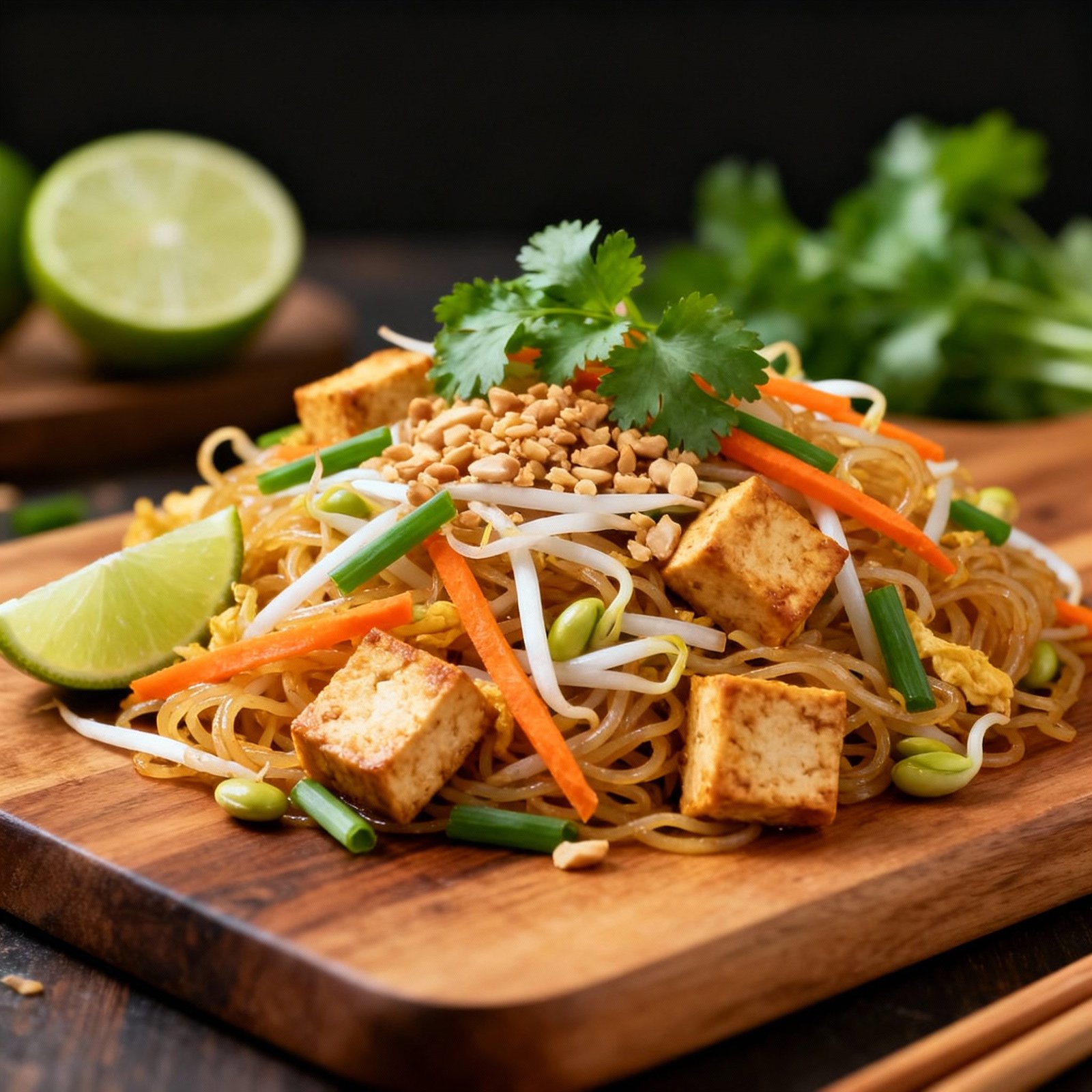
Vegan Pad Thai Recipe: Better Than Takeout!
Craving that sweet, tangy, and savory flavor bomb that is Pad Thai, but living that plant-based life? Look no further! This vegan Pad Thai recipe delivers all the authentic flavors you love, without any of the animal products. Forget ordering takeout – you can whip up a restaurant-quality Pad Thai in your own kitchen, in under 30 minutes. Get ready for a symphony of textures and tastes that will leave you completely satisfied. This recipe is easily customizable to suit your preferences and dietary needs, making it a weeknight winner every time. It’s healthier, tastier, and more budget-friendly than delivery. What’s not to love?
Why This Recipe Works
Many vegan Pad Thai recipes fall short, often lacking the depth of flavor and authentic taste of the traditional version. This recipe overcomes those challenges by focusing on several key elements:
- The Sauce: The heart of any Pad Thai is the sauce. This recipe uses a combination of tamarind paste, soy sauce (or tamari for gluten-free), rice vinegar, brown sugar (or maple syrup), and a touch of chili garlic sauce to create that perfect balance of sweet, sour, salty, and spicy. We’ve carefully calibrated the ratios to mimic the complex flavors of traditional Pad Thai sauce.
- Tamarind Magic: Tamarind paste is essential. Don’t skip it! It provides the signature tangy flavor that defines Pad Thai. If you can’t find tamarind paste, you can substitute with a mixture of lime juice and brown sugar, but the flavor won’t be quite the same.
- Umami Boost: Shiitake mushrooms and vegetable broth contribute to a rich, savory umami flavor that replaces the fish sauce typically found in non-vegan Pad Thai. This ensures a deeply satisfying and flavorful dish.
- Textural Contrast: The combination of chewy rice noodles, crunchy peanuts, crisp bean sprouts, and tender tofu creates a delightful textural experience that keeps you coming back for more.
- Easy Customization: This recipe is a great starting point. Feel free to adjust the level of spice, sweetness, or sourness to your liking. You can also add other vegetables like bell peppers, broccoli, or carrots.
Ingredients
- Rice Noodles: 8 ounces dried flat rice noodles (about 1/4 inch wide)
- Tofu: 1 block (14-16 ounces) extra-firm tofu, pressed and cubed
- Vegetable Oil: 2 tablespoons
- Garlic: 3 cloves, minced
- Shallot: 1 medium, thinly sliced
- Dried Shiitake Mushrooms: ½ cup, rehydrated and sliced (reserve soaking liquid)
- Vegetable Broth: ½ cup (plus some reserved mushroom soaking liquid, if available)
- Tamarind Paste: 3 tablespoons
- Soy Sauce (or Tamari): 3 tablespoons
- Rice Vinegar: 2 tablespoons
- Brown Sugar (or Maple Syrup): 2 tablespoons
- Chili Garlic Sauce: 1-2 teaspoons (or to taste)
- Bean Sprouts: 2 cups
- Green Onions: 3, thinly sliced
- Roasted Peanuts: ½ cup, chopped
- Lime Wedges: For serving
- Optional: Sriracha for extra heat
- Optional Vegetables: Bell peppers, broccoli, carrots
Instructions
- Prepare the Noodles: Cook the rice noodles according to package directions. Be careful not to overcook them, as they will become mushy. Drain and rinse with cold water to prevent sticking. Set aside.
- Press the Tofu: Press the extra-firm tofu for at least 30 minutes to remove excess water. This will help it crisp up nicely when stir-fried. Cut the tofu into cubes.
- Fry the Tofu: Heat 1 tablespoon of vegetable oil in a large skillet or wok over medium-high heat. Add the cubed tofu and cook until golden brown and crispy on all sides, about 8-10 minutes. Remove the tofu from the skillet and set aside.
- Sauté Aromatics: Add the remaining 1 tablespoon of vegetable oil to the skillet. Add the minced garlic and sliced shallot and cook until fragrant, about 1 minute.
- Add Mushrooms and Broth: Add the sliced shiitake mushrooms and cook for 2-3 minutes, until softened. Pour in the vegetable broth (and reserved mushroom soaking liquid, if using) and bring to a simmer.
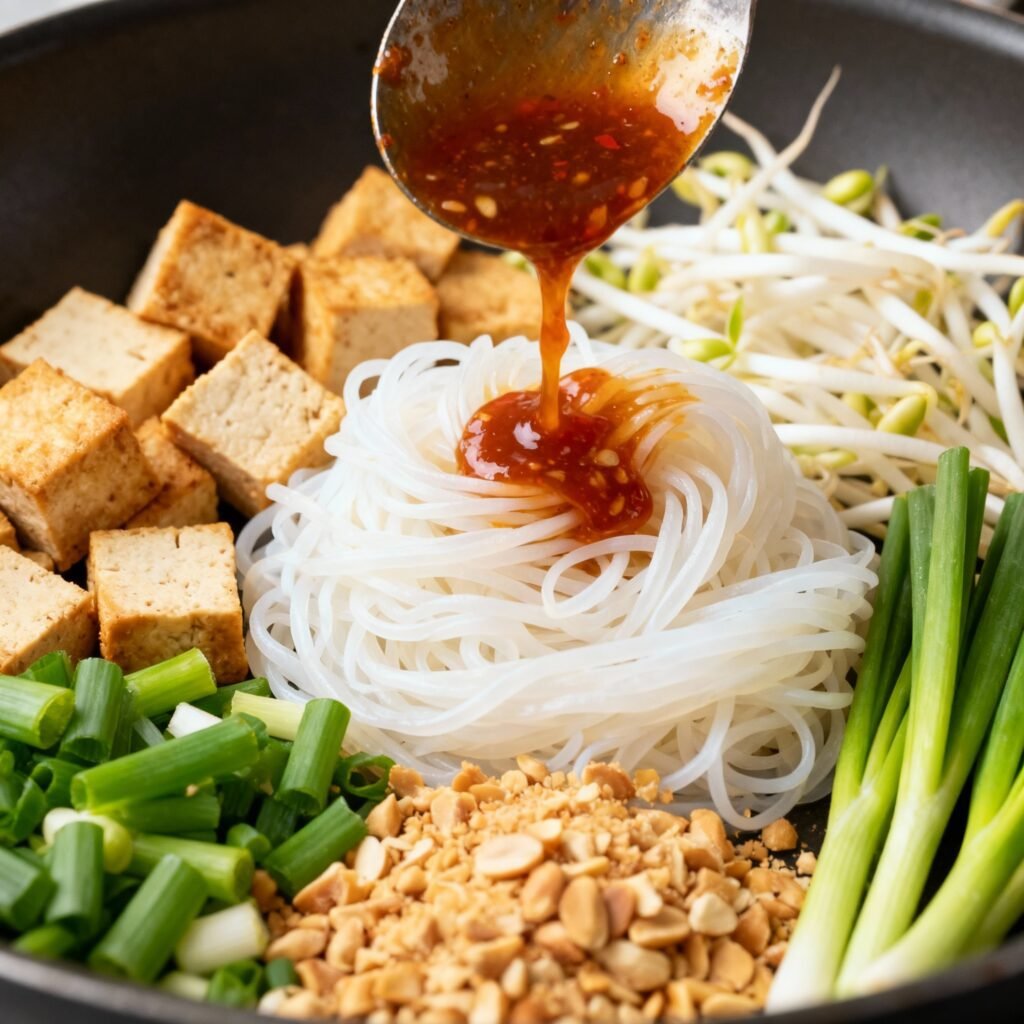
- Make the Sauce: Stir in the tamarind paste, soy sauce (or tamari), rice vinegar, brown sugar (or maple syrup), and chili garlic sauce. Simmer for 2-3 minutes, until the sauce has slightly thickened. Taste and adjust seasonings as needed.
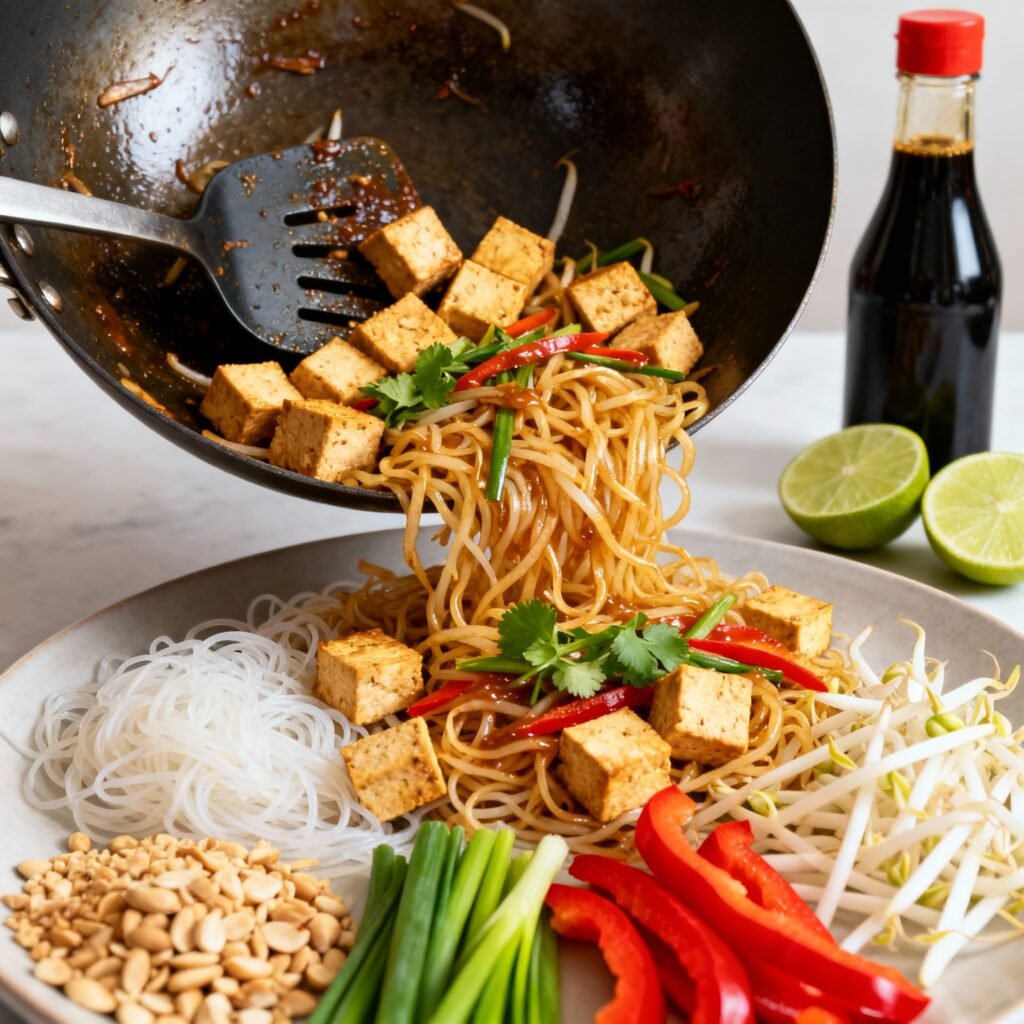
- Combine Everything: Add the cooked rice noodles and crispy tofu to the skillet with the sauce. Toss gently to coat everything evenly. Cook for 1-2 minutes, until the noodles are heated through.
- Add Bean Sprouts and Green Onions: Stir in the bean sprouts and most of the green onions (reserve some for garnish). Cook for just a minute, until the bean sprouts are slightly wilted but still crisp.
- Serve: Divide the Pad Thai among serving plates. Garnish with chopped roasted peanuts, remaining green onions, and lime wedges. Serve immediately with sriracha (optional).
Tips for Success
- Don’t Overcook the Noodles: This is the most common mistake. Overcooked noodles will become mushy and unpleasant. Follow the package directions carefully and test them frequently.
- Press the Tofu Well: Removing excess water from the tofu is crucial for achieving a crispy texture. Use a tofu press or wrap the tofu in paper towels and place a heavy object on top for at least 30 minutes.
- Taste and Adjust: The key to a perfect Pad Thai sauce is balancing the sweet, sour, salty, and spicy flavors. Taste the sauce and adjust the ingredients to your liking.
- Work Quickly: Once you start adding the noodles and tofu to the sauce, work quickly to prevent the noodles from sticking together.
- Use a Wok (if you have one): A wok is ideal for stir-frying, as it distributes heat evenly and allows you to toss the ingredients easily. However, a large skillet will also work.
- Rehydrate Dried Mushrooms Properly: Soak the dried shiitake mushrooms in hot water for at least 30 minutes, or until they are softened. Remove the stems (they can be tough) and slice the caps. Save the soaking liquid – it’s full of flavor!
Storage Instructions
Leftover vegan Pad Thai can be stored in an airtight container in the refrigerator for up to 3 days. Reheat gently in a skillet or microwave. The noodles may become slightly softer upon reheating, but the flavor will still be delicious.
FAQ
- Can I make this gluten-free? Yes! Simply substitute soy sauce with tamari, which is a gluten-free soy sauce alternative.
- Can I use different vegetables? Absolutely! Feel free to add your favorite vegetables to this recipe. Bell peppers, broccoli, carrots, and snow peas all work well.
- I can’t find tamarind paste. What can I use instead? While tamarind paste is the most authentic ingredient, you can substitute with a mixture of lime juice and brown sugar. Use about 2 tablespoons of lime juice and 1 tablespoon of brown sugar for every 3 tablespoons of tamarind paste. Keep in mind that the flavor will be slightly different.
- Can I make this spicier? Yes! Add more chili garlic sauce or a pinch of red pepper flakes to the sauce. You can also serve the Pad Thai with sriracha for an extra kick.
- Can I add protein other than tofu? While this is a vegan recipe, you can certainly add other protein sources if you prefer. Tempeh, seitan, or even cooked chickpeas would be good options.
Conclusion
This vegan Pad Thai recipe is a game-changer. It’s easy to make, packed with flavor, and completely plant-based. Whether you’re a seasoned vegan or just looking to incorporate more meatless meals into your diet, this recipe is sure to become a new favorite. So ditch the takeout menu and get ready to create a restaurant-quality Pad Thai experience in your own kitchen. Enjoy!