The Victoria Sponge Cake Recipe You’ll Brag About: Fluffy Layers, Real Butter, Zero Regrets
👩🍳 The Home Chef's Essential Kitchen
Consistently cooking incredible, healthy meals at home is so much easier when you aren't fighting with cheap tools. These are the 5 absolute powerhouse kitchen essentials that professional chefs and serious home cooks rely on every single day to get perfect results.
🍳 Lodge 10.25" Cast Iron Skillet
The single greatest value in all of cookware. It retains heat infinitely better than cheap non-stick pans, allowing you to get a restaurant-quality crust on steaks or perfect crispy edges on cornbread. With proper care, this $20 pan will literally outlive you.
🔪 Victorinox Fibrox Pro 8" Chef's Knife
A dull knife makes cooking a frustrating chore. This specific blade is the undisputed champion of the culinary world—it holds a terrifyingly sharp edge, features a comfortable non-slip grip, and performs identical to German knives that cost quadruple the price.
🌡️ ThermoPro Instant Read Thermometer
Never serve dry chicken or undercooked pork again. An instant-read thermometer is the secret difference between amateur cooks who 'guess' when protein is done, and professionals who know exactly when to pull meat off the heat for maximum juiciness.
🍲 Lodge Enameled Cast Iron Dutch Oven
The ultimate workhorse for soups, stews, braised short ribs, and baking crusty artisanal bread. The enameled interior provides incredible heat distribution for slow-cooking while eliminating the intense seasoning maintenance required by bare cast iron.
🥄 Bpa-Free Silicone Utensil Set
Throw away those melting plastic spatulas and bacteria-harboring wooden spoons. This pure silicone set is heat-resistant up to 600°F, won't scratch your expensive pans, and features seamless designs that make cleaning out thick sauces and batters effortless.
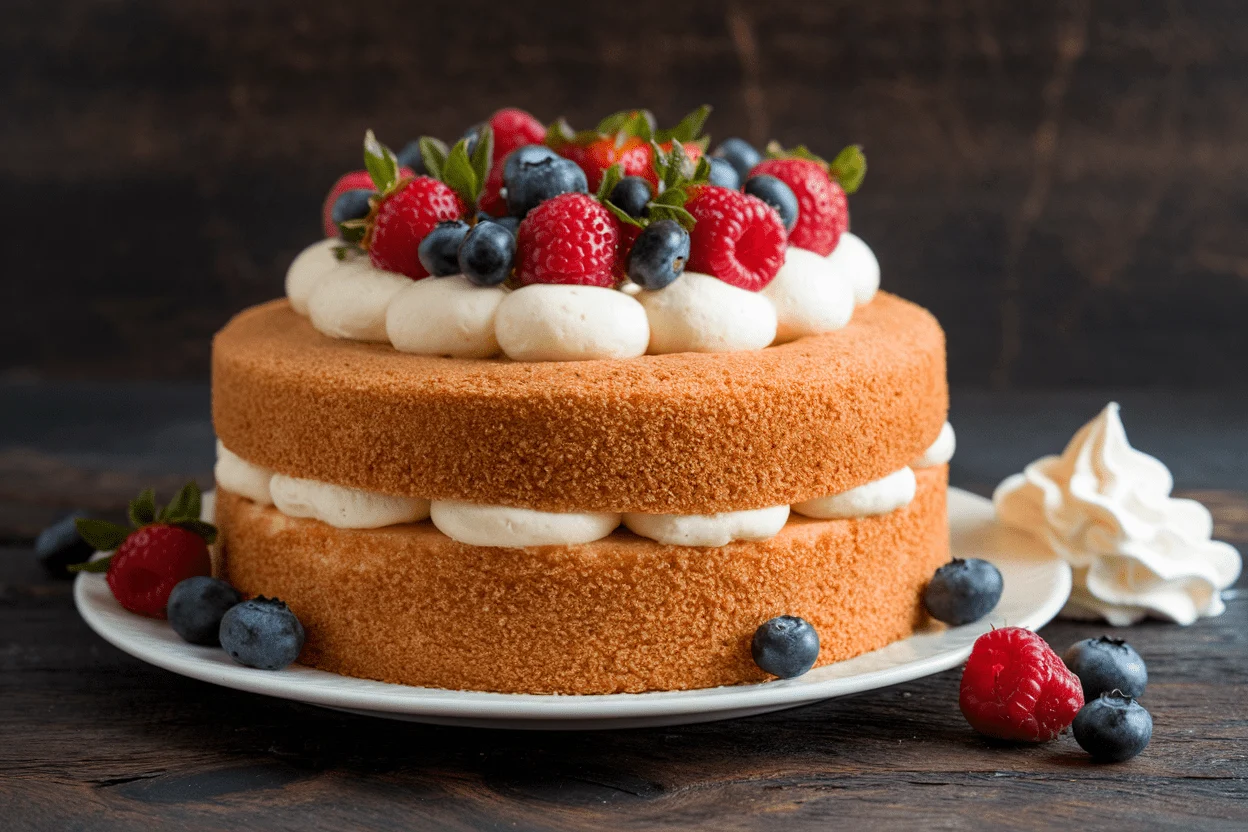
You want a cake that never fails, impresses your toughest critics, and doesn’t chew up your afternoon? Meet the Victoria sponge cake recipe. Two golden layers, feather-light crumb, real butter, and a jam-and-cream middle that makes store-bought taste like cardboard.
This is the bake that turns skeptics into fans and “I don’t bake” into “What else can I make?” It’s simple, classic, and ridiculously satisfying—like a mic drop in dessert form.
What Makes This Special
This version nails the trifecta: pillowy texture, clean buttery flavor, and foolproof technique. We use the classic equal-weights method for even rise and reliable crumb. A bit of milk keeps the batter silky, while room-temperature ingredients trap more air for a lighter sponge.
And we skip frosting overload—jam and softly whipped cream keep it elegant, British, and proudly unfussy.
Ingredients Breakdown
- Unsalted butter (200g), softened – Flavor and structure. Soft, not melty.
- Caster sugar (200g) – Fine granules cream better for a lighter crumb.
- Eggs (4 large), room temperature – Bind and lift; room temp prevents curdling.
- Self-raising flour (200g), sifted – Built-in lift; sifting keeps it airy.
- Fine sea salt (a pinch) – Enhances flavor; don’t skip.
- Whole milk (1–2 tbsp) – Adjusts batter to a soft dropping consistency.
- Vanilla extract (1 tsp, optional) – Not traditional, but lovely.
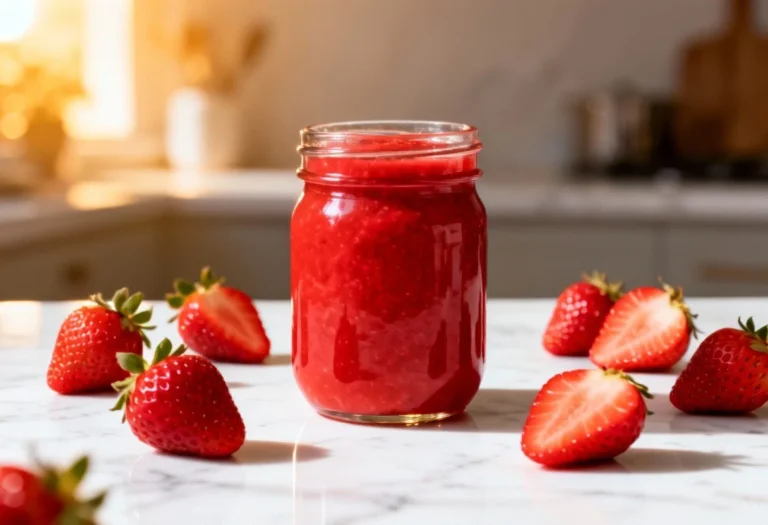
- Strawberry or raspberry jam (4–6 tbsp) – Choose a good, seedless jam if you want a smooth finish.
- Double cream (200ml), softly whipped – Light and luxe; don’t overwhip.
- Icing sugar (1–2 tbsp) – For dusting, classic finish.
Instructions
- Prep the tins: Heat oven to 180°C/160°C fan (350°F). Grease and line two 20cm (8-inch) round sandwich tins with parchment.
We want easy release and even edges.
- Cream butter and sugar: In a large bowl, beat the softened butter and caster sugar 3–5 minutes until very pale and fluffy. If your mixture looks just “mixed,” keep going—air equals lift.
- Add eggs gradually: Beat in the eggs one at a time. If it starts to curdle, add a spoonful of the flour and continue.
Optional vanilla goes in here.
- Fold in flour and salt: Sift the self-raising flour and salt over the bowl. Fold gently with a spatula until just combined—no streaks, but no overmixing.
- Adjust with milk: Add 1–2 tbsp milk to achieve a soft dropping consistency. The batter should fall from the spoon in a slow dollop, not a clump or a stream.
- Divide and level: Split batter evenly between tins.
Level tops with a spatula and give each tin a gentle tap to pop large air pockets.
- Bake: Bake 20–24 minutes until risen, golden, and springy. A skewer should come out clean with just a crumb or two. Do not open the oven early—patience equals height.
- Cool properly: Let cakes rest in tins 5 minutes, then turn out onto a wire rack.
Peel parchment and cool completely. Warm cake + cream = slippery chaos.
- Whip the cream: Whip double cream to soft peaks with a little icing sugar if you like. Soft peaks = plush middle; stiff peaks = dry.
- Assemble: Place one sponge top-side down.
Spread a generous layer of jam, then a layer of cream. Top with the second sponge, top-side up. Dust with icing sugar.
- Serve: Slice with a serrated knife.
Bask in the compliments, pretend it was hard.
Storage Instructions
- Same day: Best enjoyed fresh. Keep covered at room temp up to 6 hours if filled with cream and the room is cool.
- Refrigerate: Once filled with cream, store in the fridge, covered, for up to 2 days. Bring to room temp 20–30 minutes before serving for best texture.
- Make-ahead sponges: Bake, cool, wrap well, and store at room temp up to 24 hours or freeze up to 2 months.
Thaw completely before filling.
- Avoid sogginess: If storing overnight, spread a thin base layer of jam on both cut sides to create a moisture barrier before adding cream.
Benefits of This Recipe
- Reliably light crumb: The creaming method and room-temp ingredients mean consistent rise without drama.
- Fast and unfussy: No complicated syrups or frostings—just jam and cream that deliver maximum payoff.
- Flexible base: Switch jams, add citrus, or go buttercream if cream isn’t your thing. It plays nice with variety, FYI.
- Elegant, not heavy: Perfect for afternoon tea, birthdays, or that “we have guests in 3 hours” panic.
Don’t Make These Errors
- Cold butter and eggs: They won’t emulsify properly, leading to dense cake. Room temp is non-negotiable.
- Overmixing the flour: This builds gluten and toughens the crumb.
Fold gently until just combined.
- Opening the oven early: Cool air deflates the rise. Peek after 18–20 minutes, not before.
- Overbaking: Dry sponge is unforgivable. Remove when springy and just pulling from the edges.
- Overwhipped cream: It becomes grainy and heavy.
Aim for soft peaks that barely hold their shape.
- Uneven tins: Different batter levels bake at different speeds. Weigh the batter if you’re picky—IMO it’s worth it.
Recipe Variations
- Lemon Victoria: Add zest of 1–2 lemons to the batter and swap jam for lemon curd. Dust with a little extra zest-infused sugar.
- Classic Buttercream: Skip cream.
Beat 125g butter with 250g icing sugar and 1–2 tbsp milk. Spread over jam for a firmer, travel-friendly finish.
- Strawberries & Cream: Add sliced strawberries over the jam (pat them dry first). It’s summer in a bite.
- Almond Twist: Replace 30g flour with ground almonds and add a drop of almond extract.
Toasted flaked almonds on top? Chef’s kiss.
- Chocolate Victoria: Replace 30g flour with cocoa powder and use raspberry jam. Not traditional, but extremely lovable.
- Mini Sponges: Bake in cupcake tins (lined) for 14–16 minutes, then sandwich pairs with jam and cream.
Portable bragging rights.
FAQ
Can I use all-purpose/plain flour instead of self-raising?
Yes. Use 200g plain flour plus 2 tsp baking powder and a pinch of salt. Sift well to distribute the leavening evenly.
What if my batter curdles when adding eggs?
Add a spoonful of the measured flour and keep mixing until smooth.
Curdling looks scary but usually bakes up fine once stabilized.
Which jam is best?
Strawberry is classic; raspberry adds tang. Choose a good-quality, high-fruit jam. If seeds bug you, go seedless or warm and strain.
Can I make it dairy-free?
Use a good vegan block “butter,” plant milk, and a dairy-free whipping cream alternative.
Texture will differ slightly, but it still works.
How do I keep the cream from squeezing out?
Use soft, not stiff, peaks and don’t overload the filling. Pipe a shallow “ring” of cream near the edge and spread jam inside so it doesn’t escape.
Why is my sponge dense?
Common culprits: cold ingredients, under-creamed butter and sugar, overmixed flour, or old baking powder (if using plain flour). Beat longer at the creaming stage next time.
Can I skip the cream for a picnic?
Absolutely.
Use buttercream or just jam for a sturdier cake that travels well and doesn’t require refrigeration.
How do I halve the recipe?
Use two 6-inch tins and bake 18–22 minutes, or bake one 8-inch layer and slice it in half horizontally. Keep ratios the same.
Does it need vanilla?
Traditional Victoria sponge doesn’t require it, but a teaspoon of good vanilla enhances the butter and egg flavors. Totally your call.
Can I add fresh fruit inside?
Yes, but keep slices thin and dry them first with paper towels to avoid slipping and sogginess.
Less is more here.
Final Thoughts
The Victoria sponge is proof that simple done right beats complicated done “meh.” With equal measures, room-temp ingredients, and a light hand, you’ll get bakery-level results without the drama. Keep it classic with jam and cream, or flex with one of the variations. Either way, expect clean plates, happy noises, and the inevitable “You made this?” response.
Go on—claim the crown of a true teatime legend.