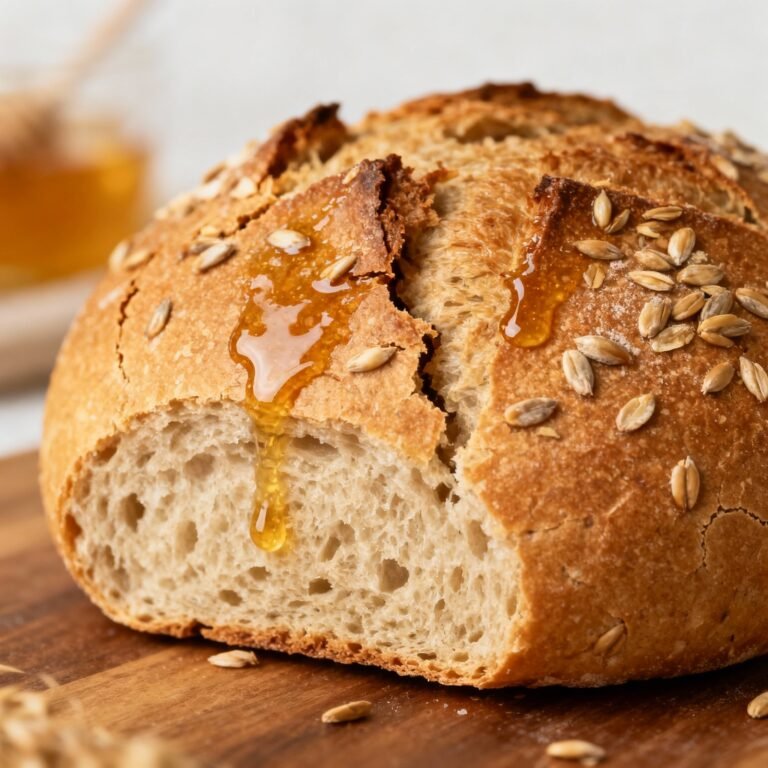
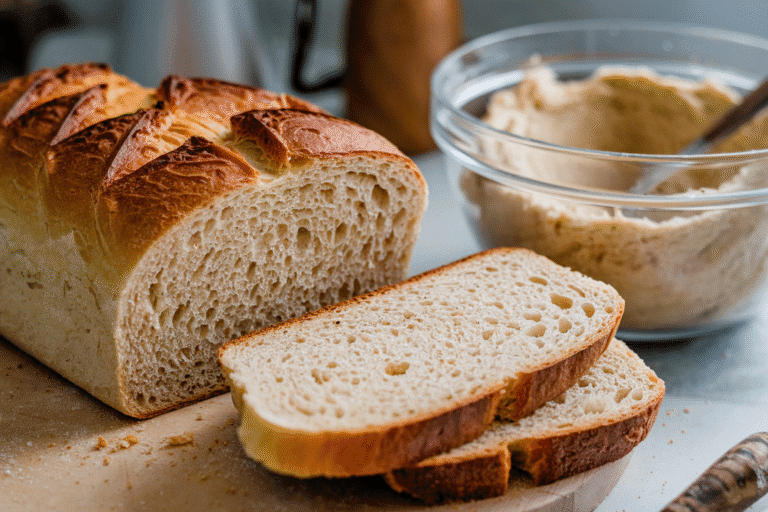
1 Hour Bread Recipe: Fresh Loaf, Zero Wait!
Craving the comforting aroma and satisfying taste of homemade bread but don’t have all day? You’re not alone! Many of us dream of baking fresh bread but are intimidated by the lengthy proofing times typically involved. This recipe is the answer to your prayers – a delicious, crusty loaf of bread ready in just one hour. Yes, you read that right! Say goodbye to hours of waiting and hello to warm, freshly baked bread in a fraction of the time. This recipe is perfect for busy weeknights, spontaneous gatherings, or anytime you need a quick bread fix. Get ready to impress yourself and your loved ones with this unbelievably easy and fast bread recipe!
Why This Recipe Works
This 1-hour bread recipe achieves its speed through a few key techniques. Firstly, it utilizes instant or rapid-rise yeast. This type of yeast is specifically designed to work quickly, eliminating the need for a long initial proofing period. Secondly, the recipe uses warm water. The warmth encourages the yeast to activate quickly and efficiently. Finally, the dough is kneaded vigorously for a shorter period, just enough to develop some gluten structure. While a longer kneading time would result in a chewier bread, the shorter kneading keeps the process fast without sacrificing too much on texture. The result is a loaf that’s perfectly acceptable for sandwiches, toast, or dipping in soup or olive oil.
Ingredients
- 3 cups (360g) all-purpose flour, plus more for dusting
- 1 teaspoon instant or rapid-rise yeast
- 1 ½ teaspoons salt
- 1 ½ cups (360ml) warm water (around 110°F/43°C)
- 1 tablespoon olive oil, plus more for greasing

Instructions
- Combine Dry Ingredients: In a large bowl, whisk together the flour, instant yeast, and salt. Make sure the yeast is well distributed throughout the flour.
- Add Water and Oil: Pour the warm water and olive oil into the bowl with the dry ingredients.
- Mix the Dough: Use a wooden spoon or your hands to mix the ingredients until a shaggy dough forms. It will be sticky, and that’s perfectly fine.
- Knead the Dough: Turn the dough out onto a lightly floured surface. Knead the dough for 5-7 minutes. The dough will still be slightly sticky, but it should start to become smoother and more elastic. If the dough is too sticky, add a tablespoon of flour at a time until it is manageable.
- First (and Only!) Rise: Lightly grease the same bowl with olive oil. Place the dough in the bowl, turning to coat it with the oil. Cover the bowl with plastic wrap or a clean kitchen towel. Let the dough rise in a warm place for 10-15 minutes. While it won’t double in size, it should puff up slightly.
- Shape the Loaf: Gently punch down the dough (it’s okay if it doesn’t deflate much). On a lightly floured surface, shape the dough into a round or oval loaf.
- Prepare for Baking: Place the shaped loaf on a baking sheet lined with parchment paper. You can also use a well-greased cast iron skillet or baking stone.
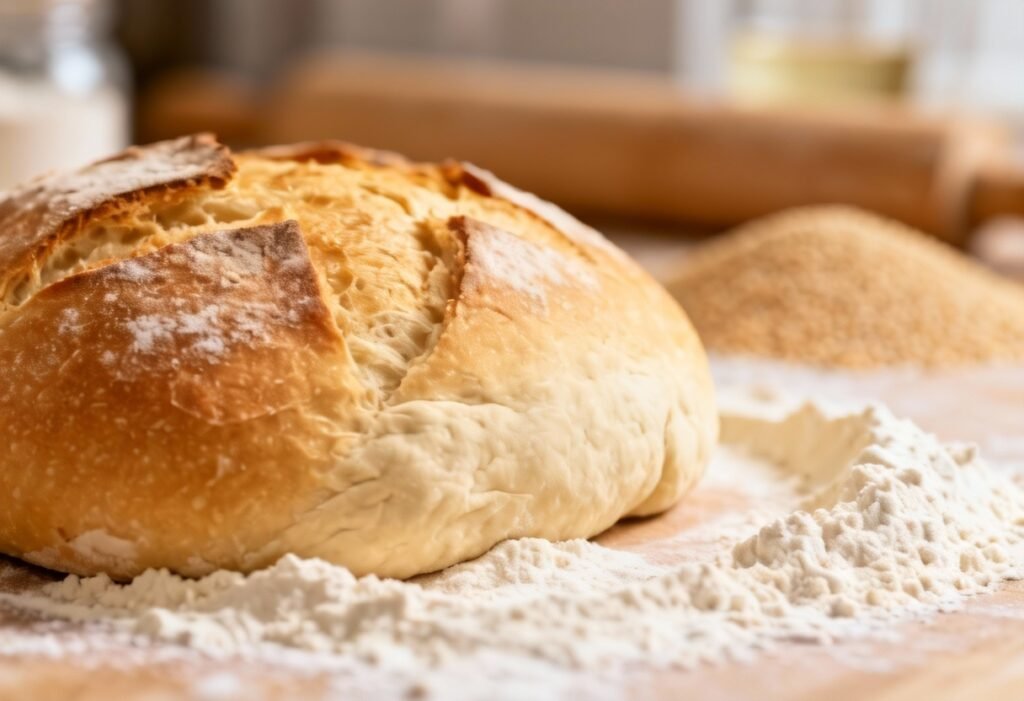
- Score the Loaf: Using a sharp knife or a lame, score the top of the loaf with a few shallow slashes. This will allow the bread to expand properly in the oven.
- Bake: Preheat your oven to 425°F (220°C). Place the baking sheet with the loaf in the preheated oven and bake for 25-30 minutes, or until the loaf is golden brown and sounds hollow when tapped on the bottom.
- Cool: Remove the bread from the oven and let it cool on a wire rack for at least 10 minutes before slicing and serving. This will prevent the bread from becoming gummy.
Tips for Success
- Water Temperature is Key: Make sure the water is warm, but not too hot. If the water is too hot, it can kill the yeast. A temperature of around 110°F (43°C) is ideal. Use a kitchen thermometer to ensure accuracy.
- Don’t Over-Knead: Over-kneading can result in a tough loaf. Kneading for 5-7 minutes is sufficient for this recipe.
- Warm Place for Rising: A warm place will help the dough rise faster. You can place the bowl in a slightly warmed oven (turned off, of course!), on top of the refrigerator, or near a sunny window.
- Scoring is Important: Scoring the loaf allows the steam to escape during baking, preventing the bread from cracking unevenly.
- Oven Temperature Accuracy: Oven temperatures can vary, so keep an eye on the bread while it’s baking and adjust the baking time accordingly.
- Experiment with Flavors: Feel free to add herbs, spices, or cheese to the dough for extra flavor. Rosemary, garlic, or cheddar cheese are all great additions.
Storage Instructions
This bread is best enjoyed fresh, but it can be stored at room temperature for up to 2 days. Wrap the bread tightly in plastic wrap or store it in a bread bag to prevent it from drying out. For longer storage, you can freeze the bread. Slice the bread before freezing, and then wrap it tightly in plastic wrap and place it in a freezer bag. Frozen bread can be stored for up to 2 months. To thaw, simply remove the bread from the freezer and let it thaw at room temperature. You can also toast the frozen bread for a quick and easy breakfast or snack.
FAQ
- Can I use active dry yeast instead of instant yeast? Yes, you can. However, you’ll need to activate the active dry yeast first. Dissolve the yeast in the warm water with a teaspoon of sugar and let it sit for 5-10 minutes until it becomes foamy. Then, add the yeast mixture to the flour and proceed with the recipe. You may need to add a few extra minutes to the rising time.
- Can I use bread flour instead of all-purpose flour? Yes, you can. Bread flour has a higher protein content, which will result in a slightly chewier loaf.
- My dough is too sticky. What should I do? Add a tablespoon of flour at a time until the dough is manageable. Be careful not to add too much flour, as this can result in a dry loaf.
- My bread is not rising. What could be the problem? The most common reason for bread not rising is that the yeast is dead. Make sure your yeast is fresh and that the water is not too hot, as this can kill the yeast. Also, make sure you are providing a warm environment for the dough to rise.
- Can I bake this bread in a Dutch oven? Absolutely! Baking in a Dutch oven will create a crustier loaf. Preheat the Dutch oven in the oven while it’s preheating. Carefully place the shaped dough in the hot Dutch oven and bake with the lid on for 20 minutes, then remove the lid and bake for another 5-10 minutes, or until the bread is golden brown.
Conclusion
There you have it – a delicious, homemade loaf of bread in just one hour! This recipe is a game-changer for anyone who loves fresh bread but doesn’t have the time for traditional bread-making methods. With its simple ingredients and easy-to-follow instructions, this 1-hour bread recipe is sure to become a staple in your kitchen. So, gather your ingredients, preheat your oven, and get ready to enjoy the irresistible aroma and taste of freshly baked bread. Happy baking!