Great Northern Beans Recipe Stove Top: Creamy, Flavorful Perfection
👩🍳 The Home Chef's Essential Kitchen
Consistently cooking incredible, healthy meals at home is so much easier when you aren't fighting with cheap tools. These are the 5 absolute powerhouse kitchen essentials that professional chefs and serious home cooks rely on every single day to get perfect results.
🍳 Lodge 10.25" Cast Iron Skillet
The single greatest value in all of cookware. It retains heat infinitely better than cheap non-stick pans, allowing you to get a restaurant-quality crust on steaks or perfect crispy edges on cornbread. With proper care, this $20 pan will literally outlive you.
🔪 Victorinox Fibrox Pro 8" Chef's Knife
A dull knife makes cooking a frustrating chore. This specific blade is the undisputed champion of the culinary world—it holds a terrifyingly sharp edge, features a comfortable non-slip grip, and performs identical to German knives that cost quadruple the price.
🌡️ ThermoPro Instant Read Thermometer
Never serve dry chicken or undercooked pork again. An instant-read thermometer is the secret difference between amateur cooks who 'guess' when protein is done, and professionals who know exactly when to pull meat off the heat for maximum juiciness.
🍲 Lodge Enameled Cast Iron Dutch Oven
The ultimate workhorse for soups, stews, braised short ribs, and baking crusty artisanal bread. The enameled interior provides incredible heat distribution for slow-cooking while eliminating the intense seasoning maintenance required by bare cast iron.
🥄 Bpa-Free Silicone Utensil Set
Throw away those melting plastic spatulas and bacteria-harboring wooden spoons. This pure silicone set is heat-resistant up to 600°F, won't scratch your expensive pans, and features seamless designs that make cleaning out thick sauces and batters effortless.
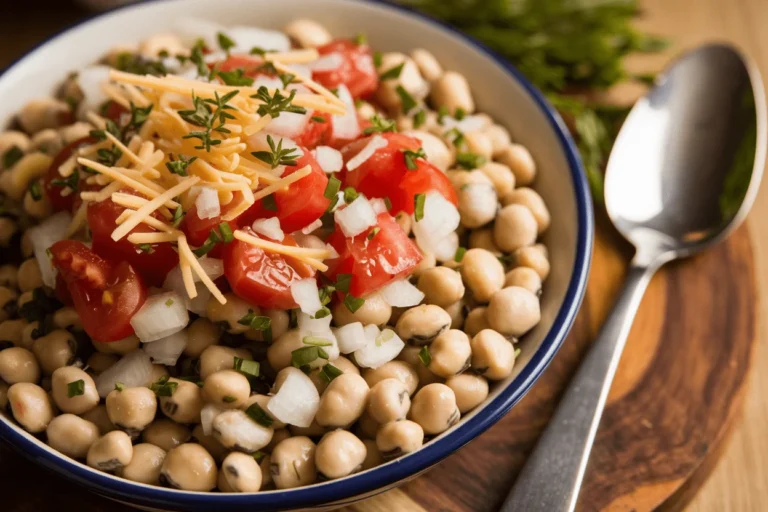
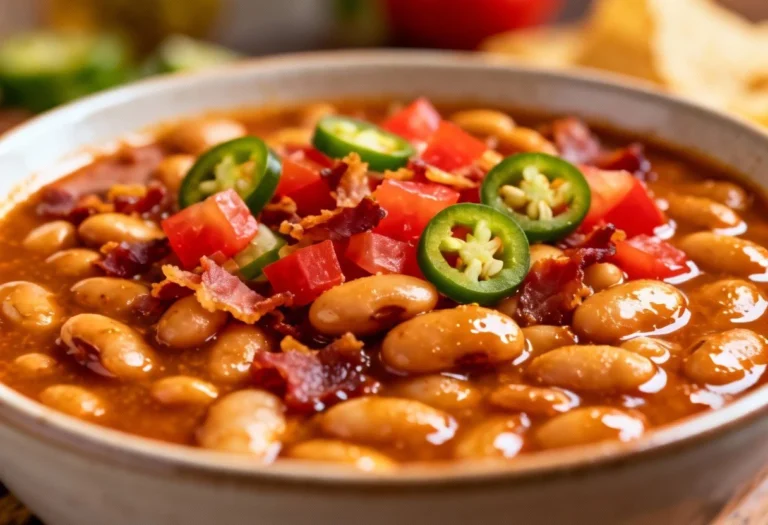
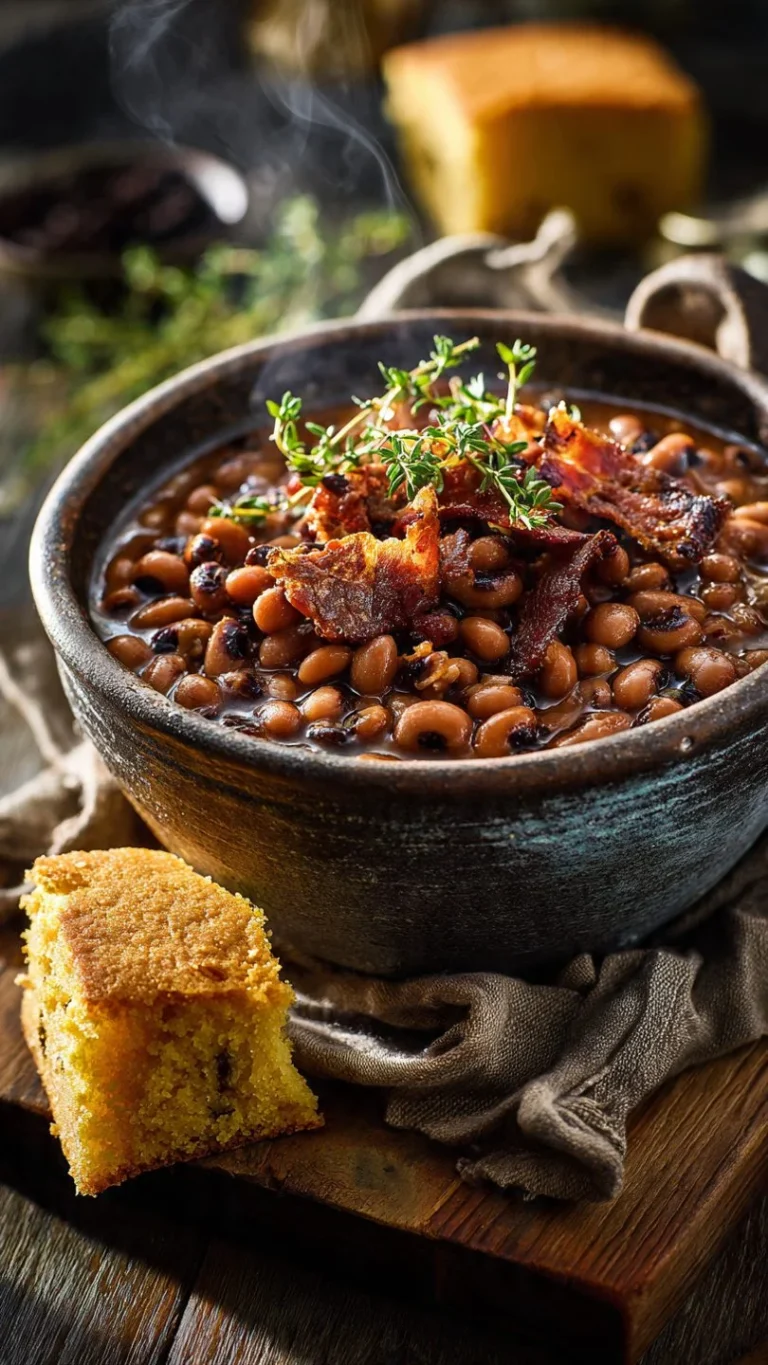
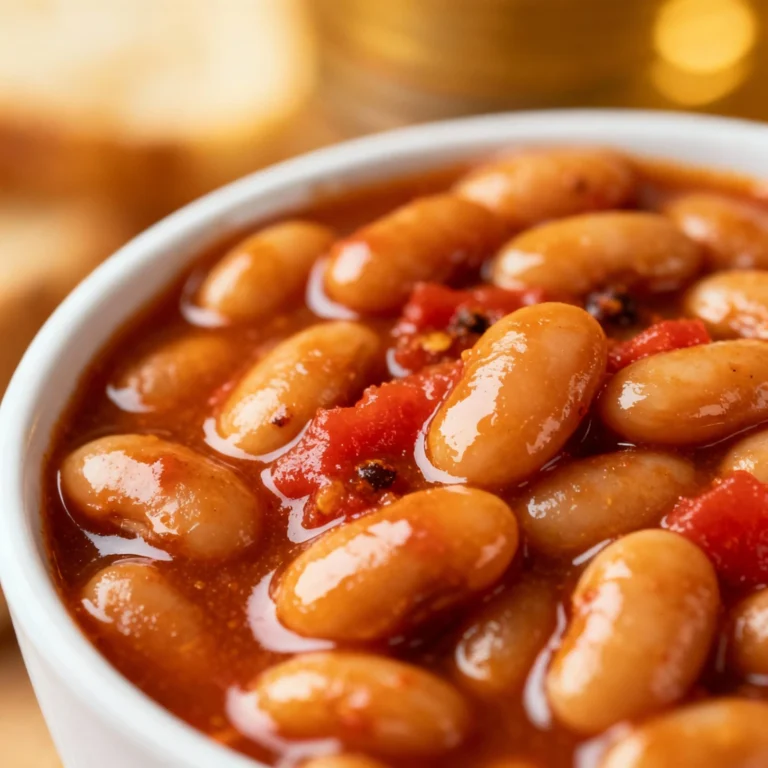
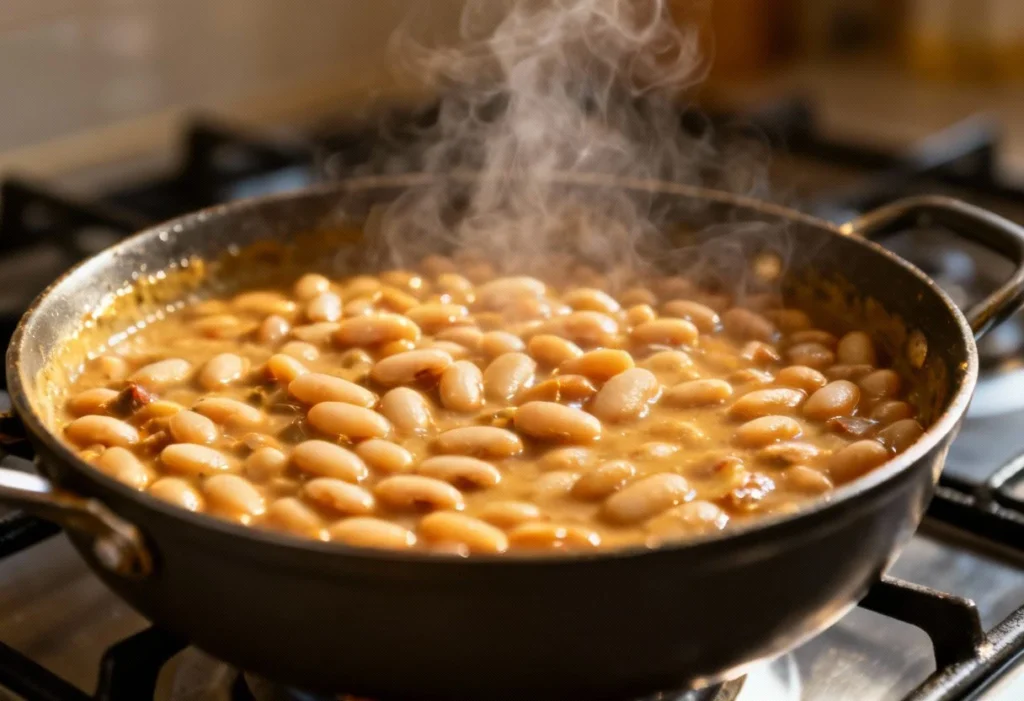
Few things are as comforting and versatile as a pot of perfectly cooked great northern beans. These creamy, mild-flavored beans are a blank canvas for countless culinary creations, from hearty soups and stews to flavorful side dishes and even vegetarian mains. Forget the canned stuff – learning how to cook great northern beans on the stovetop unlocks a world of flavor and texture you never knew existed. This recipe delivers consistently delicious results, ensuring your beans are always tender, creamy, and bursting with savory goodness. Get ready to elevate your bean game!
Why This Recipe Works
This recipe isn’t just about boiling beans; it’s about coaxing out their natural flavors and creating a truly satisfying dish. Here’s why it works:
- Soaking is Key: Soaking the beans, ideally overnight, significantly reduces cooking time and helps to remove indigestible sugars that can cause… well, you know. It also promotes even cooking, resulting in a creamier texture.
- Flavor Infusion from the Start: We don’t just use water. Starting with a flavorful broth (chicken or vegetable) infuses the beans with savory depth from the very beginning. Aromatics like onion, garlic, and bay leaf add another layer of complexity.
- Low and Slow: Patience is a virtue when cooking beans. Simmering them gently over low heat allows them to cook evenly and develop their creamy texture without bursting or becoming mushy.
- Salt Timing Matters: Adding salt too early can toughen the beans. We add it towards the end of the cooking process, allowing the beans to fully absorb the broth and soften properly.
- Simple Yet Versatile: The base recipe is simple, allowing you to customize it with your favorite herbs, spices, and other ingredients to create a dish that perfectly suits your taste.
Ingredients
- 1 pound dried great northern beans, sorted and rinsed
- 8 cups chicken broth (or vegetable broth for a vegetarian option)
- 1 medium yellow onion, chopped
- 2 cloves garlic, minced
- 1 bay leaf
- 1 teaspoon dried thyme (optional)
- 1/2 teaspoon smoked paprika (optional)
- Salt and freshly ground black pepper to taste
- 1 tablespoon olive oil (or other cooking oil)
- Optional additions: diced carrots, celery, ham hock, bacon
Instructions
- Soak the Beans: Place the rinsed beans in a large bowl or pot and cover with at least 2 inches of cold water. Let them soak for at least 8 hours or overnight. Drain and rinse the soaked beans thoroughly.
- Sauté the Aromatics: In a large, heavy-bottomed pot or Dutch oven, heat the olive oil over medium heat. Add the chopped onion and cook until softened and translucent, about 5-7 minutes. Add the minced garlic and cook for another minute, until fragrant. Be careful not to burn the garlic.
- Combine Ingredients: Add the drained and rinsed beans, chicken (or vegetable) broth, bay leaf, thyme (if using), and smoked paprika (if using) to the pot. If you’re adding any optional ingredients like diced carrots, celery, ham hock, or bacon, add them now as well.
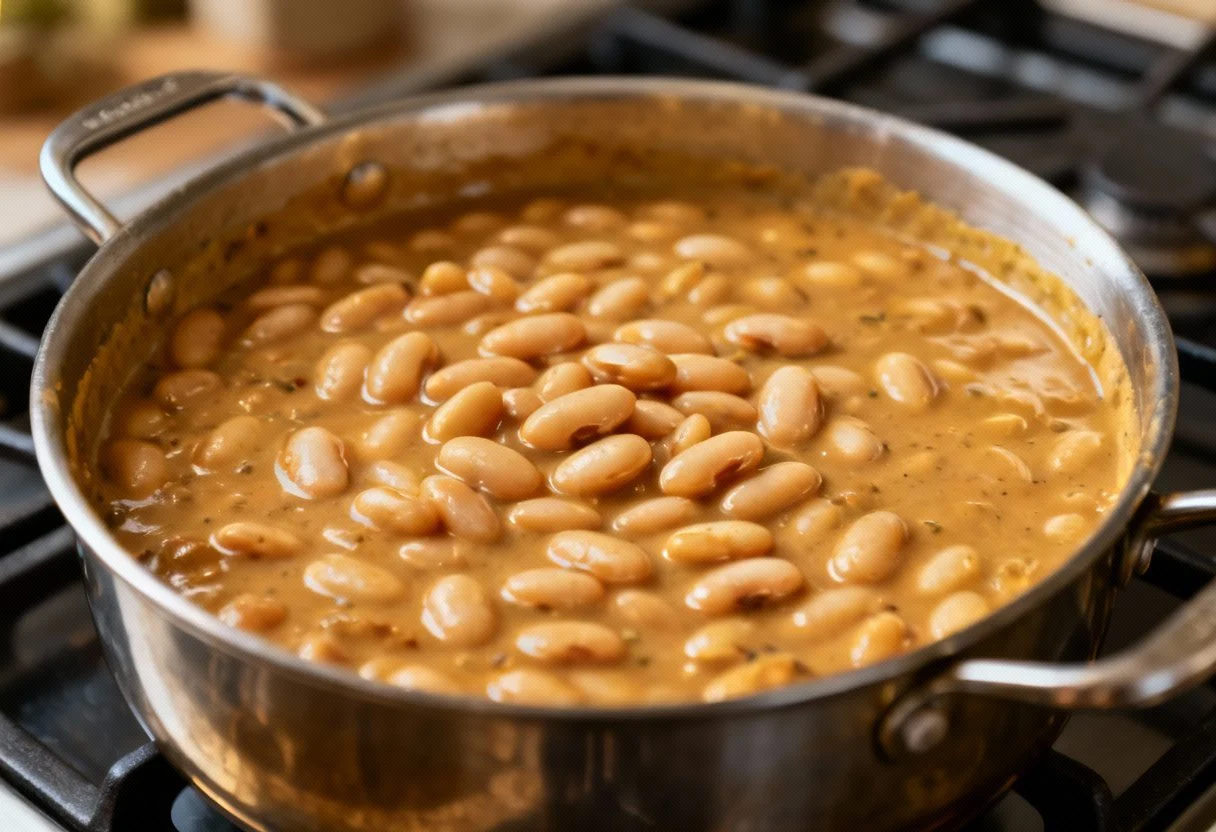
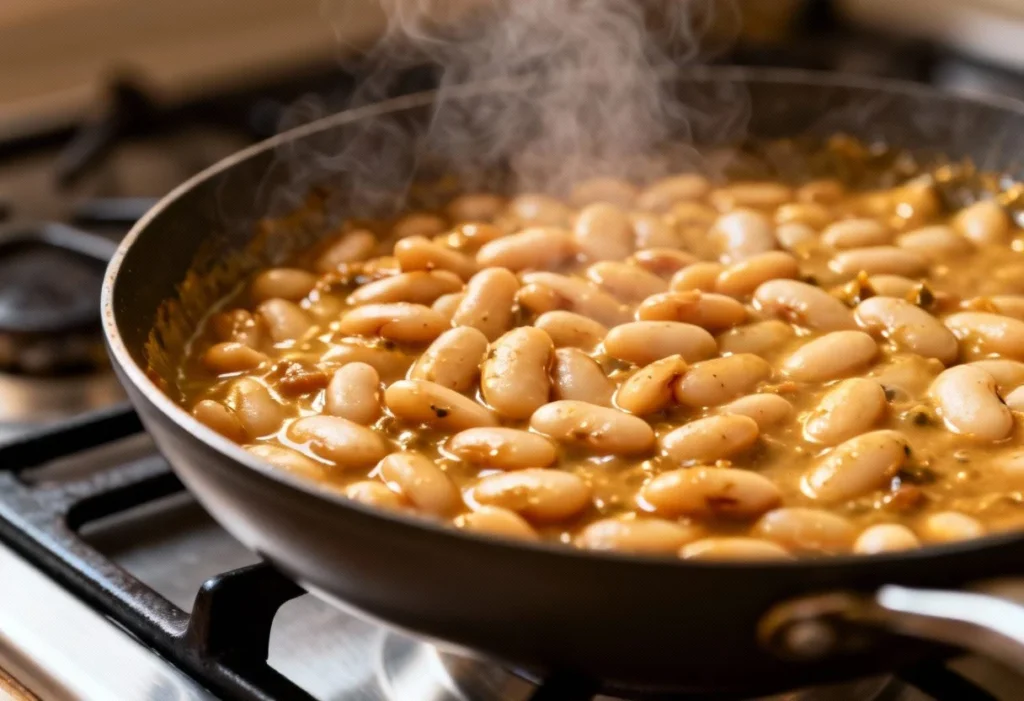
- Bring to a Boil, Then Simmer: Bring the mixture to a boil over medium-high heat. Once boiling, reduce the heat to low, cover the pot, and simmer gently for 1 1/2 to 2 hours, or until the beans are tender and creamy. Stir occasionally to prevent sticking.
- Check for Doneness: The cooking time will vary depending on the age and dryness of the beans. Start checking for doneness after 1 1/2 hours. The beans should be easily pierced with a fork and have a creamy texture. If they are still firm, continue to simmer for another 15-30 minutes, or until tender.
- Season and Serve: Once the beans are cooked to your liking, remove the bay leaf. Add salt and freshly ground black pepper to taste. Start with about 1 teaspoon of salt and adjust as needed. Stir well to combine.
- Serve: Serve the great northern beans hot as a side dish, in soups or stews, or as a vegetarian main course. Garnish with fresh herbs like parsley or cilantro, if desired.
Tips for Success
- Sort and Rinse: Always sort through your dried beans before soaking to remove any small stones, debris, or shriveled beans. Rinse them thoroughly under cold water.
- Don’t Overcook: Overcooked beans can become mushy and lose their texture. Check for doneness frequently towards the end of the cooking time.
- Adjust Liquid Levels: If the beans are absorbing too much liquid during cooking, add more broth or water as needed to keep them submerged.
- Use Fresh Herbs: Fresh herbs like thyme, rosemary, or oregano can add a bright and aromatic flavor to the beans. Add them during the last 30 minutes of cooking.
- Spice it Up: Experiment with different spices to customize the flavor of your beans. Chili powder, cumin, or even a pinch of cayenne pepper can add a delicious kick.
- Acidic Ingredients: Avoid adding acidic ingredients like tomatoes or vinegar until the beans are fully cooked, as they can inhibit softening.
- Water Quality Matters: If you have hard water, consider using filtered water for soaking and cooking the beans, as hard water can sometimes affect their texture.
Storage Instructions
Cooked great northern beans can be stored in the refrigerator for up to 4-5 days. Allow the beans to cool completely before transferring them to an airtight container. You can also freeze cooked beans for longer storage. Divide the beans into freezer-safe containers or bags, leaving some headspace for expansion. Frozen beans can be stored for up to 2-3 months. Thaw them in the refrigerator overnight before reheating.
FAQ
Q: Do I have to soak the beans?
A: While you can cook great northern beans without soaking (using a quick-soak method or simply extending the cooking time), soaking is highly recommended. It reduces cooking time, improves texture, and helps to remove indigestible sugars.
Q: Can I use a pressure cooker or Instant Pot?
A: Yes, you can adapt this recipe for a pressure cooker or Instant Pot. Reduce the cooking time significantly and follow the manufacturer’s instructions for cooking beans.
Q: What can I add to make the beans more flavorful?
A: The possibilities are endless! Consider adding smoked meats like ham hock or bacon, vegetables like carrots, celery, or bell peppers, and herbs and spices like rosemary, oregano, chili powder, or cumin.
Q: My beans are still hard after cooking for a long time. What should I do?
A: Several factors can cause beans to remain hard. Make sure you are using fresh beans (older beans take longer to cook). Also, ensure you are not adding salt or acidic ingredients too early in the cooking process. Continue to simmer the beans gently, adding more liquid if needed, until they reach the desired tenderness.
Q: Can I use this recipe with other types of beans?
A: Yes, this recipe can be adapted for other types of dried beans, such as navy beans, cannellini beans, or pinto beans. Cooking times may vary depending on the type of bean.
🍰 The Master Baker & Prep Kit
Baking is a science, and meal prep requires efficiency. If you want consistently flaky pie crusts, perfectly risen cakes, and healthy meals ready for the week, these are the 5 upgrade tools that take your execution to the next level.
⚖️ OXO Good Grips 11lb Food Scale
The secret to why bakery bread and cookies are always perfect while home batches vary wildly. Measuring by weight (grams) instead of volume (cups) guarantees precise hydration and flawlessly consistent results every single time you bake.
🧑🍳 KitchenAid Classic Stand Mixer
The undisputed holy grail of the kitchen. From aggressively kneading heavy pizza doughs to whipping meringues into stiff peaks, this powerful motor saves your arms from exhaustion and cuts your hands-on prep time in half.
🍪 Silpat Premium Silicone Baking Mats
Stop wasting money on rolls of parchment paper or agonizing over cookies permanently fused to your metal pans. These reusable, professional-grade silicone mats ensure completely even heat distribution and instantly release even the stickiest caramel.
🌪️ Braun MultiQuick Immersion Blender
The ultimate shortcut tool for creamy tomato soups, lump-free gravies, and rapid smoothies. Avoid the burns and mess of dangerously transferring boiling liquids in batches to a traditional blender by simply blending right inside your cooking pot.
🍱 Premium Glass Meal Prep Containers
If you want to bake and cook healthier, batch preparation is required. These durable glass containers transition safely from freezer to microwave, never absorb tomato sauce stains, and feature airtight seals to keep your hard work fresh all week.
Conclusion
Mastering the art of cooking great northern beans on the stovetop is a rewarding culinary experience. With just a few simple ingredients and a little patience, you can create a flavorful and versatile dish that will impress your family and friends. So, ditch the canned beans and give this recipe a try. You’ll be amazed at the difference in taste and texture. Enjoy your creamy, delicious, and homemade great northern beans!