🥗 The Best Italian Salad Dressing Recipe
👩🍳 The Home Chef's Essential Kitchen
Consistently cooking incredible, healthy meals at home is so much easier when you aren't fighting with cheap tools. These are the 5 absolute powerhouse kitchen essentials that professional chefs and serious home cooks rely on every single day to get perfect results.
🍳 Lodge 10.25" Cast Iron Skillet
The single greatest value in all of cookware. It retains heat infinitely better than cheap non-stick pans, allowing you to get a restaurant-quality crust on steaks or perfect crispy edges on cornbread. With proper care, this $20 pan will literally outlive you.
🔪 Victorinox Fibrox Pro 8" Chef's Knife
A dull knife makes cooking a frustrating chore. This specific blade is the undisputed champion of the culinary world—it holds a terrifyingly sharp edge, features a comfortable non-slip grip, and performs identical to German knives that cost quadruple the price.
🌡️ ThermoPro Instant Read Thermometer
Never serve dry chicken or undercooked pork again. An instant-read thermometer is the secret difference between amateur cooks who 'guess' when protein is done, and professionals who know exactly when to pull meat off the heat for maximum juiciness.
🍲 Lodge Enameled Cast Iron Dutch Oven
The ultimate workhorse for soups, stews, braised short ribs, and baking crusty artisanal bread. The enameled interior provides incredible heat distribution for slow-cooking while eliminating the intense seasoning maintenance required by bare cast iron.
🥄 Bpa-Free Silicone Utensil Set
Throw away those melting plastic spatulas and bacteria-harboring wooden spoons. This pure silicone set is heat-resistant up to 600°F, won't scratch your expensive pans, and features seamless designs that make cleaning out thick sauces and batters effortless.
So, you’re standing in the grocery aisle, staring at a wall of bottled dressings. They all look vaguely neon, contain ingredients you can’t pronounce, and cost way more than seasoned oil should. You’re craving something tasty but you’re too lazy to spend forever in the kitchen, huh? Same.
But here’s the thing: making your own dressing is the aggressive “adulting” move that actually requires zero effort. We are talking about five minutes of work for a payout that will make your sad desk salad taste like it came from a Tuscan villa. Put the bottle down. We can do better.
Why This Recipe is Awesome
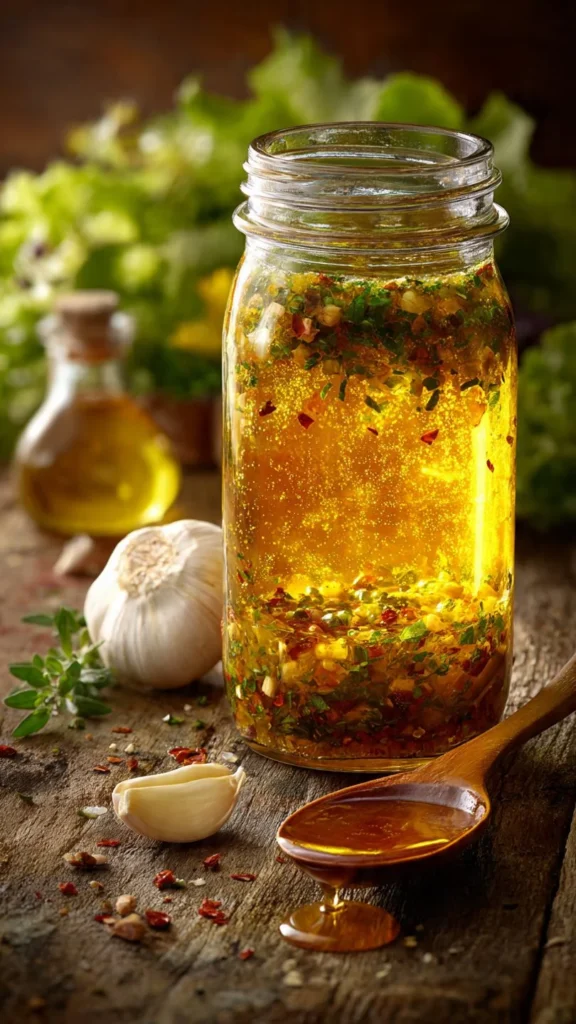
Look, I’m not here to tell you how to live your life, but if you’re still buying that shelf-stable Italian dressing that separates into weird, distinct layers of “oil” and “regret,” we need to talk. This Italian salad dressing recipe is the real deal. It’s zesty, it’s tangy, and it clings to your lettuce like it’s afraid of letting go.
Here is why you are going to be obsessed:
- It’s Idiot-Proof: Seriously. If you can measure things (mostly) and shake a jar, you are qualified to make this. Even I didn’t mess it up, and I once burned toast in a toaster oven.
- The “Zing” Factor: Store-bought versions are usually packed with High Fructose Corn Syrup to mask the cheap vinegar. This recipe uses real ingredients, giving you a sharp, bright acidity that actually wakes up your palate. It cuts through the richness of cheese and croutons perfectly.
- It’s a Chameleon: This isn’t just for leafy greens. It’s a killer marinade for chicken, a glaze for roasted veggies, or a drizzle for that pasta salad you’re bringing to the potluck you almost forgot about.
- No Weird Gunk: No xanthan gum, no preservatives, no artificial colors. Just food. Actual food.
- The Science of Emulsion: We are using a little secret weapon (mustard) to force the oil and vinegar to get along. This creates a velvety texture that coats every single leaf, rather than sliding off to the bottom of the bowl.
Ingredients You’ll Need
We are keeping it simple, but specific. Don’t go rogue on me here.
- Extra Virgin Olive Oil (EVOO): This is the base, folks. Since we aren’t cooking it, you’ll taste the flavor. Use a decent one—something that smells grassy and peppery, not like old machinery.
- Red Wine Vinegar: The classic choice. It provides that signature tang. In a pinch, white wine vinegar works, but red adds a deeper flavor profile.
- Fresh Garlic: Use a garlic press or mince it super fine. We want flavor, not big chunks that burn your tongue. Tip: If you are feeling exceptionally lazy, garlic powder is acceptable, but fresh is elite.
- Dijon Mustard: The unsung hero! You won’t taste “mustard,” I promise. It acts as an emulsifier to bind the oil and vinegar. Without it, you’re just pouring separate puddles of liquid.
- Dried Oregano & Basil: While I usually preach “fresh is best,” dried herbs actually work better for that classic “Italian Dressing” vibe. They marinate in the oil and release flavor slowly.
- Red Pepper Flakes: Just a pinch. We want a tiny kick, not a fire hazard.
- Honey or Maple Syrup: Just a tiny splash. You need a little sugar to balance the aggressive acidity of the vinegar. Trust the process.
- Salt & Black Pepper: Generously. Salad greens are watery; they need salt to shine.
- Parmesan Cheese (Optional but Recommended): Finely grated. It adds a salty, nutty umami punch that makes you want to drink the dressing straight. (Don’t do that. Or do. I don’t judge.)
Step-by-Step Instructions
Ready to feel like a Michelin-star chef with minimal effort? Let’s go.
1. The Prep Work (A.K.A. The Hard Part) First, grab your garlic. Smash it, peel it, and mince it until it’s almost a paste. If you have a microplane, use it. The goal is to release those aromatic oils without leaving big chunks that will surprise you later. If you’re using fresh herbs, chop them finely. If using dried, open the jar. Hard work, I know.
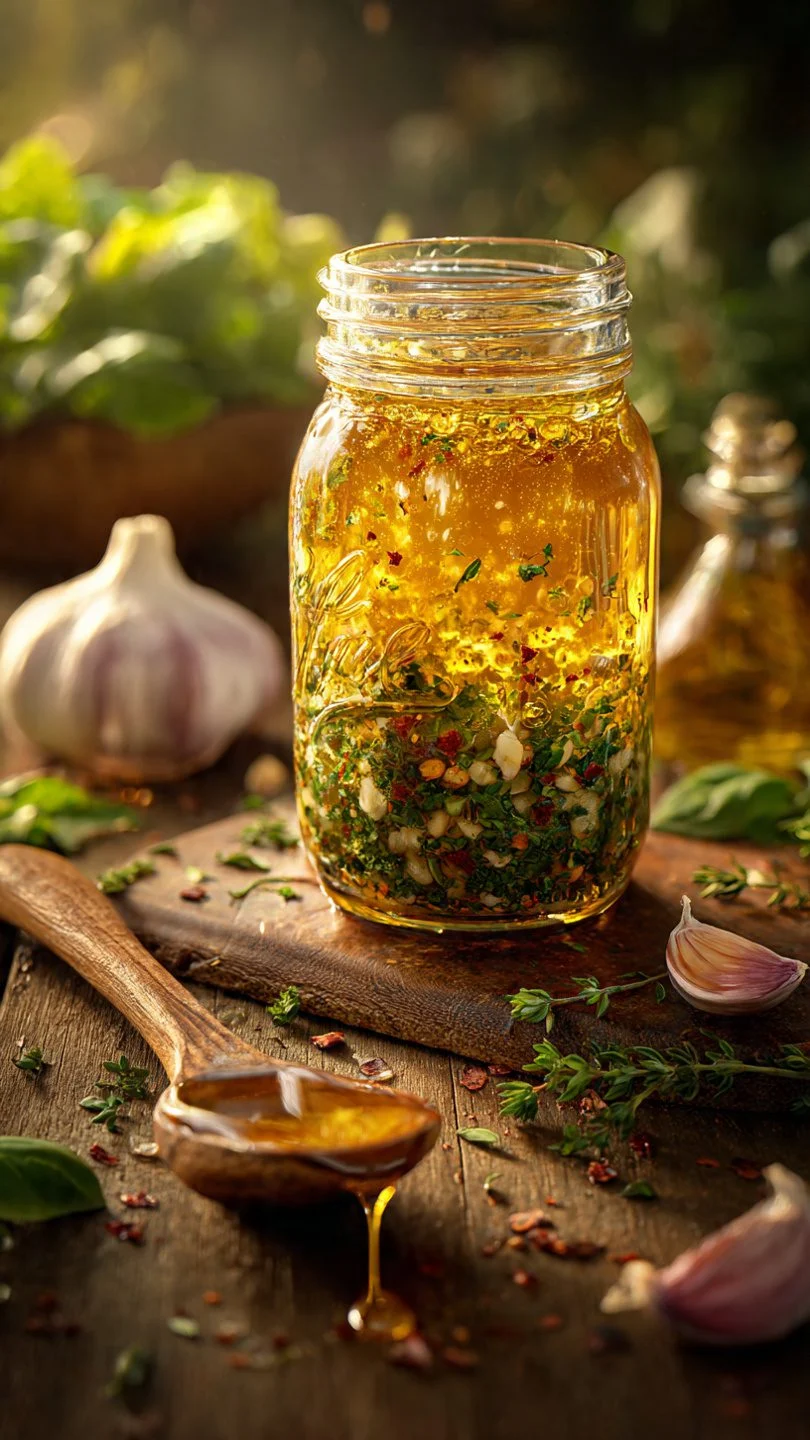
2. The Flavor Base Grab a mason jar (or a bowl if you enjoy washing whisks). Add the vinegar, minced garlic, Dijon mustard, honey, salt, pepper, red pepper flakes, and dried herbs.
- Science Tip: Always dissolve your salt and aromatics in the vinegar before adding the oil. Salt doesn’t dissolve well in oil. By mixing it with the acid first, you ensure the flavor is evenly distributed throughout the dressing.
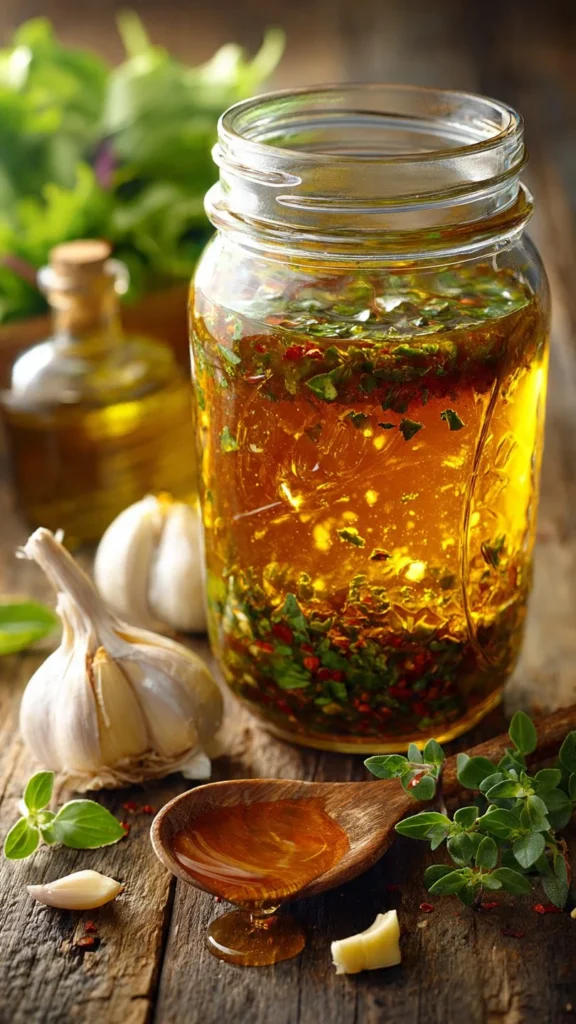
3. The Emulsion (The Shake Weight Workout) Pour in your Extra Virgin Olive Oil. If you’re using a bowl, slowly drizzle the oil in while whisking frantically like you’re trying to start a fire. If you’re using a jar (the superior method), screw the lid on tight—like, really tight—and shake it like a Polaroid picture.
- Sensory Check: Watch the color change. It will go from separated clear liquids to a cloudy, creamy, golden-opaque mixture. That is the magic of emulsion happening right before your eyes.
4. The Cheese Finish Once the liquid is creamy and combined, stir in the grated Parmesan cheese. We add this last so it doesn’t get totally pulverized during the intense shaking phase.
5. The Taste Test Dip a lettuce leaf (not your finger, you animal) into the dressing. Does it need more salt? More zing? Adjust now.
- Flavor Balancing: Too sour? Add a drop more honey. Too oily? Splash a bit more vinegar. Tastes flat? Add salt.
6. The Resting Period Technically, you can eat this immediately. However, if you have the patience of a saint, let it sit on the counter for 30 minutes. This allows the dried herbs to rehydrate and the garlic to infuse the oil. It’s worth the wait.
Common Mistakes to Avoid
Even though this is easy, there are ways to ruin it. Let’s avoid these culinary tragedies.
- Using “Light” Olive Oil: Do not do this. Light olive oil is treated with heat and chemicals. We want Extra Virgin. It’s the difference between drinking grape juice and fine wine.
- Skipping the Mustard: “But I don’t like mustard!” Doesn’t matter. You won’t taste it. If you skip it, your dressing will separate immediately, and you’ll get a mouthful of straight vinegar followed by a mouthful of straight oil. Gross.
- Thinking You Don’t Need Sugar: Vinegar is an acid. It is aggressive. You need the honey/sugar to round out the sharp edges. It doesn’t make the dressing sweet; it makes it balanced.
- Over-blending the Olive Oil: If you decide to use a high-speed blender, be careful. Blending EVOO at high speeds can sometimes release bitter compounds (polyphenols) that make the dressing taste metallic. A whisk or a jar shake is safer (and less cleanup).
- Refrigerating Immediately: If you use real olive oil, it will solidify in the fridge. That’s normal science stuff! If you make it ahead, pull it out 15 minutes before serving so it can liquefy again. Don’t panic when it looks like a science experiment gone wrong.
Alternatives & Substitutions
Cooking is jazz, baby. Improvise!
- The “Creamy Italian” Hack: Want that thick, restaurant-style creamy Italian? Add two tablespoons of mayonnaise or Greek yogurt to the mixture. It adds a tangy richness that is absolutely to die for.
- Vinegar Swaps: No red wine vinegar? White wine vinegar is the closest sub. Apple cider vinegar works too, but it will be slightly fruitier. Balsamic turns it into a different dressing entirely, but hey, you do you.
- Herb Swaps: If you have fresh basil, parsley, or thyme growing on your windowsill (look at you, gardener), chop them up! Just remember the rule: use 3x more fresh herbs than dried herbs because dried flavors are more concentrated.
- The Spicy Kick: If you want to sweat a little, chop up a fresh chili or double down on the red pepper flakes.
- Vegan Option: This recipe is naturally vegan if you swap the honey for maple syrup or agave, and skip the Parmesan (or use nutritional yeast for that cheesy vibe).
FAQ (Frequently Asked Questions)
1. How long does this last in the fridge? About 1 to 2 weeks. The vinegar acts as a preservative, but the fresh garlic is the limiting factor. If it starts smelling funky (funkier than garlic usually smells), toss it.
2. Why did my dressing turn into a solid block in the fridge? Because you used good quality olive oil! High-quality fats solidify at cold temperatures. Just set it on the counter while you prep your salad, or run the jar under warm water for 30 seconds. Shake and serve.
3. Can I use this as a marinade? Absolutely. In fact, please do. It’s incredible on chicken thighs or flank steak. The vinegar tenderizes the meat, and the oil carries the flavor.
4. Can I use lemon juice instead of vinegar? Technically yes, but then it’s a Lemon Vinaigrette, not Italian Dressing. It will taste fresher and brighter, but less “classic.”
5. Is this gluten-free? Generally, yes. Most distilled vinegars and mustards are gluten-free, but always check the label on your soy sauce (if you added any secret umami) or mustard just to be safe.
6. Can I use margarine instead of butter? Wait, there is no butter in this recipe. But also, why would you ask me that? Margarine is sadness in tub form. Stick to the olive oil.
7. My dressing tastes too acidic. What did I do wrong? You probably went heavy on the vinegar or your vinegar is super strong. Just add a little more oil or a tiny bit more honey to counteract the pucker.
Final Thoughts
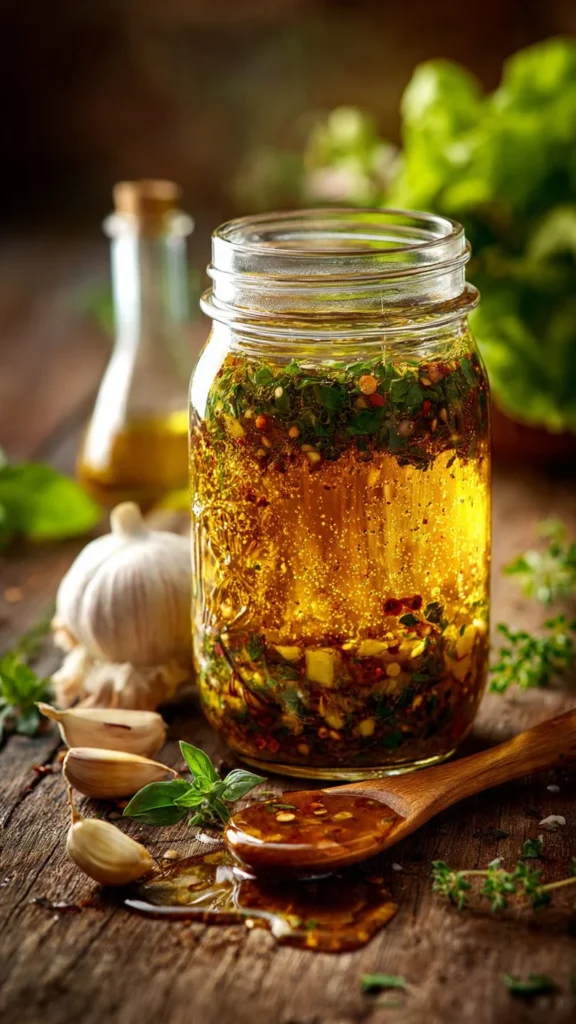
There you have it. You have successfully navigated the treacherous waters of emulsion science and created something delicious. No more sad, preservatives-laden bottles cluttering your fridge door.
This Italian salad dressing recipe is a staple you will turn to again and again. It’s fresh, it’s vibrant, and honestly, it makes eating vegetables feel less like a chore and more like a treat. Now go impress someone—or just yourself—with your new culinary skills. You’ve earned it!