🍤 Ultimate Shrimp Pad Thai Recipe (Better Than Takeout!)
👩🍳 The Home Chef's Essential Kitchen
Consistently cooking incredible, healthy meals at home is so much easier when you aren't fighting with cheap tools. These are the 5 absolute powerhouse kitchen essentials that professional chefs and serious home cooks rely on every single day to get perfect results.
🍳 Lodge 10.25" Cast Iron Skillet
The single greatest value in all of cookware. It retains heat infinitely better than cheap non-stick pans, allowing you to get a restaurant-quality crust on steaks or perfect crispy edges on cornbread. With proper care, this $20 pan will literally outlive you.
🔪 Victorinox Fibrox Pro 8" Chef's Knife
A dull knife makes cooking a frustrating chore. This specific blade is the undisputed champion of the culinary world—it holds a terrifyingly sharp edge, features a comfortable non-slip grip, and performs identical to German knives that cost quadruple the price.
🌡️ ThermoPro Instant Read Thermometer
Never serve dry chicken or undercooked pork again. An instant-read thermometer is the secret difference between amateur cooks who 'guess' when protein is done, and professionals who know exactly when to pull meat off the heat for maximum juiciness.
🍲 Lodge Enameled Cast Iron Dutch Oven
The ultimate workhorse for soups, stews, braised short ribs, and baking crusty artisanal bread. The enameled interior provides incredible heat distribution for slow-cooking while eliminating the intense seasoning maintenance required by bare cast iron.
🥄 Bpa-Free Silicone Utensil Set
Throw away those melting plastic spatulas and bacteria-harboring wooden spoons. This pure silicone set is heat-resistant up to 600°F, won't scratch your expensive pans, and features seamless designs that make cleaning out thick sauces and batters effortless.
Okay, raise your hand if you’ve spent way too much money on mediocre takeout because the craving for Pad Thai hit you like a freight train at 7 PM on a Tuesday.
Yeah. Same.
Look, I get it. Pad Thai feels intimidating. It’s got that perfect balance of sweet, sour, salty, and spicy that seems impossible to replicate in a home kitchen without a scorching hot commercial wok and a culinary degree.
But here’s the secret the restaurant industry doesn’t want you to know: It’s actually pretty easy once you have the right ingredients.
Seriously. Today we’re ditching the delivery fees and soggy noodles. We are making a Shrimp Pad Thai recipe that is punchy, fresh, chewy, and honestly, probably better than the place down the street. Let’s get messy.
Why This Recipe is Awesome (Like, Seriously)
Why should you bother making this when Uber Eats exists? Excellent question.
First off, control. When you make it yourself, you control the funk. Pad Thai is a delicate dance of flavors. Some places make it way too sweet (like noodle dessert, yuck), and some make it too sour. When you’re the chef, you get to decide exactly how much fish sauce and tamarind goes into that magical elixir of a sauce.
Second, the texture. You know when takeout Pad Thai arrives and it’s just a solid brick of congealed noodles in a Styrofoam container? Yeah, we don’t do that here. This recipe focuses heavily on noodle management. We want chewy, springy rice noodles that separate beautifully, coated in sauce but not drowning in it.
Third, it’s surprisingly fast—if you are organized. The actual cooking process takes maybe 10 minutes. The majority of the work is just chopping things beforehand. It’s the perfect meal for when you want something impressive but don’t want to simmer a sauce for four hours.
Finally, it’s a sensory experience. The smell of garlic and shallots hitting hot oil, the sizzle of the shrimp, the tangy aroma of tamarind… it beats staring at the microwave any day. This is real cooking, baby, and you’re about to crush it.
Ingredients You’ll Need
Okay, this is where people panic. Yes, there are a few specialty ingredients here. Do not skip them. If you use ketchup instead of tamarind, I will know, and I will be very disappointed in you.
The All-Important Sauce:
- Tamarind Paste/Concentrate: This is the soul of Pad Thai. It provides the sour tang. Do not use vinegar. Look for a concentrate that flows like thick molasses.
- Fish Sauce: The salty funk. It smells aggressive in the bottle, but it transforms into savory magic when cooked. Don’t be scared of it.
- Palm Sugar: It has a caramel-like depth that regular white sugar lacks. If you have to buy it in a solid puck, shave it down with a knife first.
- Water: just a splash to help the sugar dissolve.
The Stir-Fry Essentials:
- Flat Rice Noodles: Look for “Pad Thai noodles” about medium width. FYI: You don’t boil these. You soak them in warm water.
- Raw Shrimp: Peel them, devein them, leave the tails on if you want to feel fancy.
- Eggs: The glue that holds the glorious mess together.
- Shallots & Garlic: Mince them fine. The aromatic foundation.
- Sweet Preserved Radish (Turnip): Okay, this is the secret weapon. It looks weird, it smells weird, but these little chewy salty-sweet bits are crucial for authentic flavor. Find them at an Asian grocer.
- Firm Tofu: Optional, but recommended for texture contrast. Cut into small matchsticks.
- Garlic Chives (Chinese Chives): These are flat and have a mild garlic flavor. Regular green onions work in a pinch, but these are better.
- Bean Sprouts: For that essential crunch.
The Mandatory Garnishes (Do Not Skip!)
- Crushed Roasted Peanuts: Texture, baby.
- Lime Wedges: A fresh squeeze at the end wakes the whole dish up.
- Chili Flakes: Or fresh Thai bird’s eye chili if you want to hurt yourself a little bit (in a good way).
Step-by-Step Instructions
This moves FAST. Read the whole thing first. If you try to chop veggies while the wok is on, you will burn something. Get your “mise en place” (fancy chef talk for having your sh*t together) ready before you even think about turning on the stove.
Phase 1: The Prep (The Most Important Part)
- Noodle Spa Day: Soak your dry rice noodles in warm (not boiling!) tap water for about 30–45 minutes. You want them pliable and limp, but still firm in the center. They will finish cooking in the pan later. Test one by wrapping it around your finger; it should bend easily without snapping. Drain them thoroughly.
- Master the Sauce: In a small bowl, whisk together the tamarind paste, fish sauce, palm sugar, and a splash of water. You might need to microwave it for 20 seconds to get the sugar to melt. Taste it. It should punch you in the face with sour, salty, and sweet all at once. Adjust it now—once it’s in the pan, it’s too late.
- Chopping Block: Mince your garlic and shallots. Slice your tofu. Chop your chives into 2-inch pieces. Have your eggs cracked into a bowl and lightly beaten. Have your shrimp clean and dry.
Phase 2: The Hot & Fast Cook
- Sear the Shrimp: Heat a large wok or your biggest, widest skillet over medium-high heat. Add a tablespoon of oil. Once shimmering, toss in the shrimp. Cook for maybe 90 seconds per side just until they turn pink and opaque. Remove them immediately from the pan and set aside. (We don’t want rubbery overcooked shrimp).
- Aromatics Base: Add a little more oil to the hot pan. Toss in the shallots, garlic, tofu bits, and preserved radish. Stir-fry for about 30 seconds until it smells incredible.
- Noodle Time: Crank the heat to high. Toss in your drained, soaked noodles. Immediately pour that glorious sauce over the noodles. Stir frantically. The noodles will start to drink up the sauce and soften. If they look way too dry or are clumping badly, add a tablespoon of water.
- The Scramble: Once noodles are tender-chewy, push everything to one side of the pan. Add a teaspoon of oil to the empty space and pour in your beaten eggs. Let them sit for 10 seconds to set slightly, then scramble them vigorously, breaking them into chunks.
- The Big Mix: Toss the noodles back over the scrambled eggs. Throw the cooked shrimp back in. Add the bean sprouts and garlic chives. Give it all one final, massive toss for about 30 seconds just to wilt the veggies slightly.
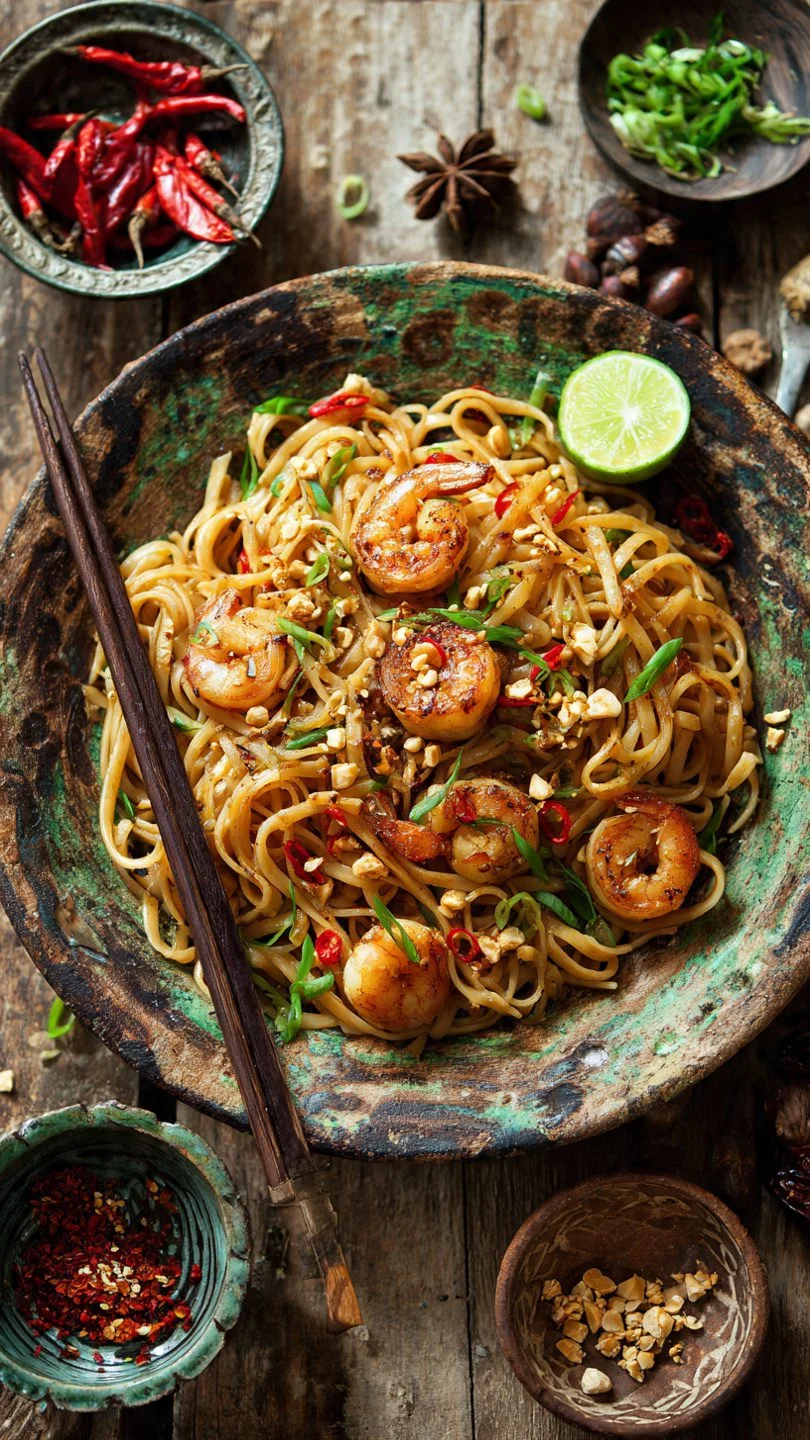
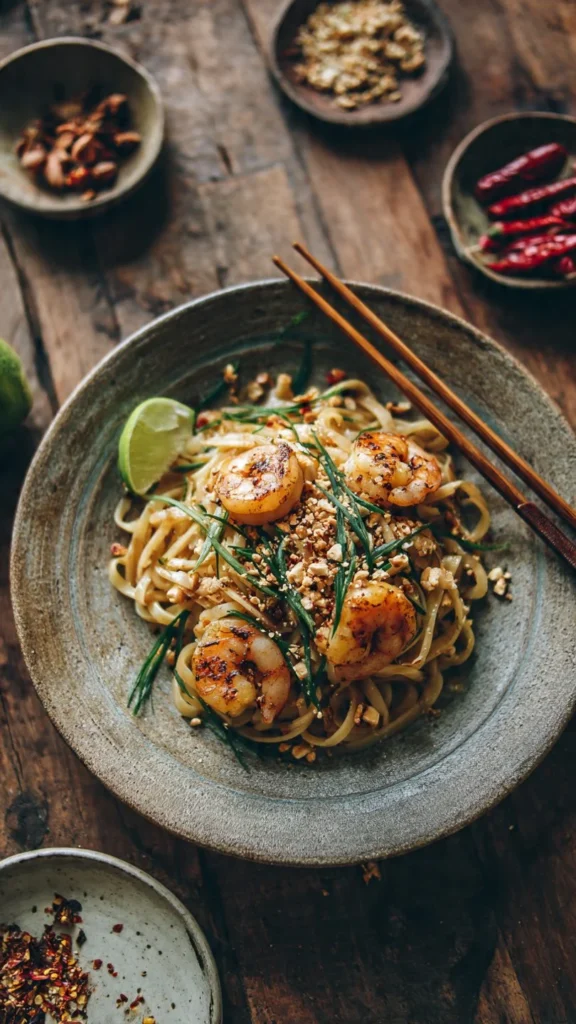
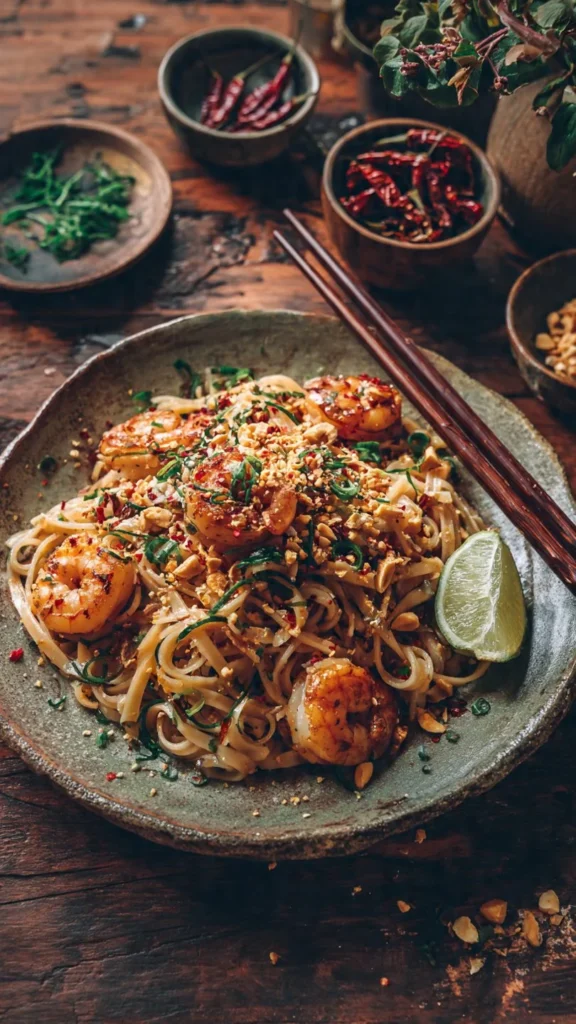
- Serve immediately. Top with a mountain of crushed peanuts, chili flakes, and a huge squeeze of fresh lime juice.
Common Mistakes to Avoid
Look, I’ve made bad Pad Thai so you don’t have to. Learn from my failures.
- Boiling the noodles: If you boil rice noodles like pasta, they turn into mush the second they hit the sauce. Soaking is non-negotiable.
- Overcrowding the pan: If you try to double this recipe in one standard skillet, you won’t be stir-frying; you’ll be steaming. The temperature will drop, and you’ll get soggy noodles. Cook in batches if feeding a crowd.
- Using ketchup or peanut butter: Just… no. Stop reading internet hacks from 2008. That’s not Pad Thai. Get the real ingredients; they aren’t expensive.
- Wimping out on the heat: You need high heat to get a little bit of char on the noodles and to cook things quickly so they stay crisp. Don’t be afraid of the sizzle.
- Forgetting the lime: The dish will taste heavy and flat without that hit of fresh acid at the very end. It’s crucial chemistry.
Alternatives & Substitutions
We don’t always have access to a fully stocked Asian market, I get it. Here are some acceptable swaps.
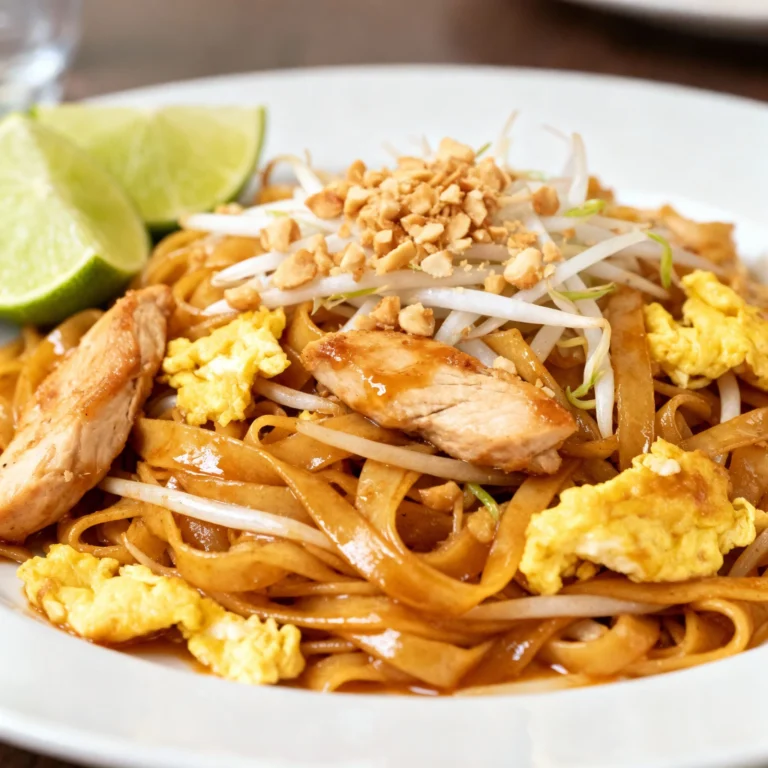
- The Protein: Hate shrimp? Cool. Use thinly sliced chicken breast (cook it first like the shrimp), pork loin, or just stick with extra firm tofu for a vegetarian version.
- The Sugar: If you absolutely cannot find palm sugar, light brown sugar is the next best thing. It’s not quite the same depth of flavor, but it works.
- The Tamarind: Okay, this is tough. Some people swear by lime juice and brown sugar mixed together to mimic the sweet/sour. IMO, it doesn’t taste right, but in a desperate pinch, it’s better than ketchup.
- Garlic Chives: If you can’t find them, green onions (scallions) are fine. Use the green parts only and slice them at a jaunty angle so you feel like a chef.
- Fish Sauce: For a vegetarian/vegan version, use “no-fish sauce” (usually made from seaweed or soy) or light soy sauce. You lose the funk, but you keep the salt.
FAQ (Frequently Asked Questions)
Can I use those “straight to wok” pre-cooked noodles? You can, but your soul might die a little. They are usually too soft and break apart easily. Dry rice noodles that you soak yourself have a much better chew.
Is Pad Thai supposed to be red? Authentic Pad Thai usually isn’t bright red. The reddish hue in some restaurant versions often comes from chili paste, paprika, or (sadly) ketchup. Ours will be a lovely golden-brown from the tamarind and palm sugar.
Why are my noodles all stuck together in one giant clump? Two reasons: Either you didn’t soak them long enough and they released too much starch in the pan, or your pan wasn’t hot enough and you didn’t use enough oil. Don’t fear the oil; it keeps things lubricated.
Can I make this ahead for meal prep? Honestly? No. Rice noodles are prima donnas. They do not reheat well in the microwave; they just turn into a sad, dry brick. This dish is meant to be eaten fresh out of the wok.
Can I use regular vinegar instead of tamarind? Please don’t. Vinegar is just sharp acid. Tamarind is fruity, complex, sour, and slightly sweet. It’s a totally different vibe.
Final Thoughts
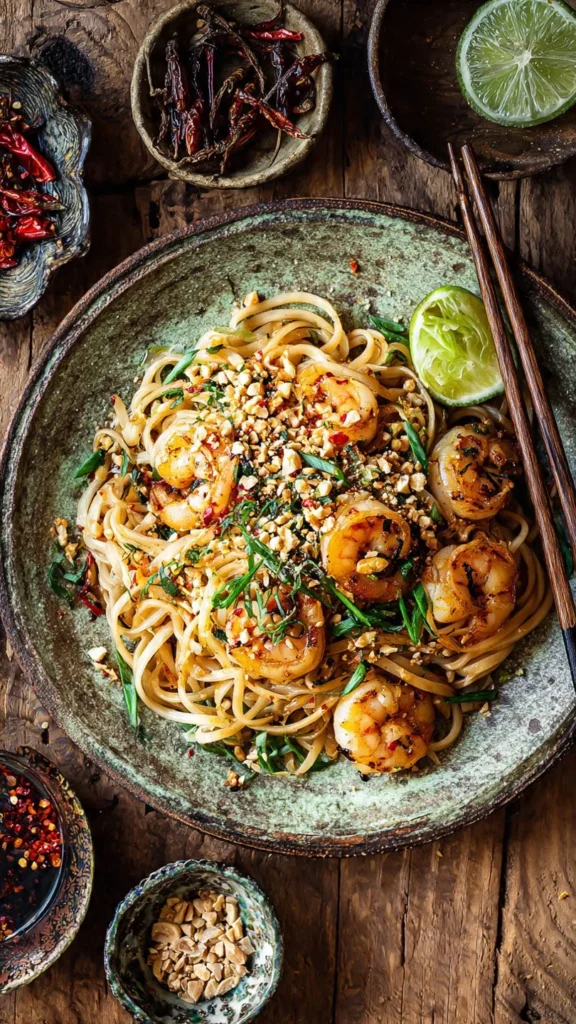
There you have it. You just made Shrimp Pad Thai from scratch. You navigated tamarind paste, you didn’t turn your noodles into glue, and your kitchen smells amazing.
It might seem like a lot of steps the first time you try it, but once you get the rhythm of the “prep then blast” cooking method, it becomes incredibly easy. Now go impress someone—or just impress yourself—with your new culinary skills. You’ve earned that giant bowl of noodles.