This Cottage Cheese Bread Recipe Is the Protein-Packed Loaf Your Breakfast Has Been Begging For
👩🍳 The Home Chef's Essential Kitchen
Consistently cooking incredible, healthy meals at home is so much easier when you aren't fighting with cheap tools. These are the 5 absolute powerhouse kitchen essentials that professional chefs and serious home cooks rely on every single day to get perfect results.
🍳 Lodge 10.25" Cast Iron Skillet
The single greatest value in all of cookware. It retains heat infinitely better than cheap non-stick pans, allowing you to get a restaurant-quality crust on steaks or perfect crispy edges on cornbread. With proper care, this $20 pan will literally outlive you.
🔪 Victorinox Fibrox Pro 8" Chef's Knife
A dull knife makes cooking a frustrating chore. This specific blade is the undisputed champion of the culinary world—it holds a terrifyingly sharp edge, features a comfortable non-slip grip, and performs identical to German knives that cost quadruple the price.
🌡️ ThermoPro Instant Read Thermometer
Never serve dry chicken or undercooked pork again. An instant-read thermometer is the secret difference between amateur cooks who 'guess' when protein is done, and professionals who know exactly when to pull meat off the heat for maximum juiciness.
🍲 Lodge Enameled Cast Iron Dutch Oven
The ultimate workhorse for soups, stews, braised short ribs, and baking crusty artisanal bread. The enameled interior provides incredible heat distribution for slow-cooking while eliminating the intense seasoning maintenance required by bare cast iron.
🥄 Bpa-Free Silicone Utensil Set
Throw away those melting plastic spatulas and bacteria-harboring wooden spoons. This pure silicone set is heat-resistant up to 600°F, won't scratch your expensive pans, and features seamless designs that make cleaning out thick sauces and batters effortless.
Forget boring toast. If you want a soft, high-protein loaf that actually tastes like something you’d brag about, this cottage cheese bread recipe is your new flex. It’s tender, slightly tangy, and sneaks in a major protein boost without weird powders or 47 ingredients.
Bake it once, and suddenly your sandwiches get leveled up, your French toast becomes elite, and your meal prep stops feeling like punishment. Warning: you may start baking this weekly.
What Makes This Recipe Awesome
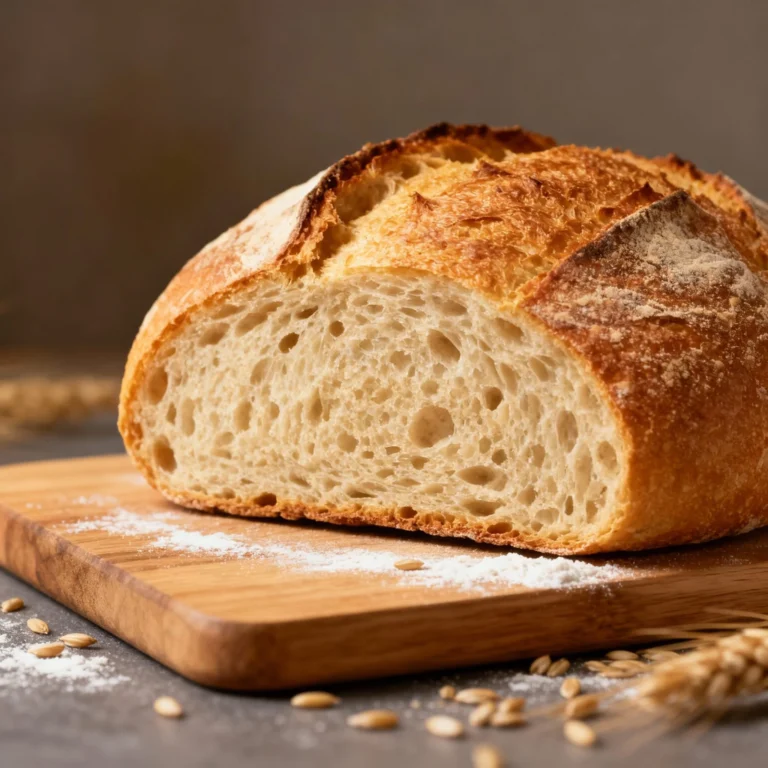
This bread has the best of both worlds: the structure and chew of classic yeast bread with the moisture and tenderness of enriched dough. The cottage cheese melts into the crumb, giving it a soft, almost velvety interior—no dry slices here.
It’s subtly tangy, super sliceable, and goes with both sweet and savory spreads. Bonus: it’s beginner-friendly and forgiving, even if your kneading technique is “enthusiastic but misguided.”
- High protein, legit flavor: Cottage cheese boosts protein without the chalky taste.
- Moist crumb, tender bite: The curds disappear when baked, leaving a fluffy texture.
- Versatile AF: Sandwiches, toast, French toast, croutons—it does it all.
- Meal-prep friendly: Stays soft for days and freezes like a champ.
What You’ll Need (Ingredients)
- 2 3/4 to 3 cups (330–360 g) bread flour (or all-purpose, but bread flour = better rise)
- 1 cup (225 g) cottage cheese (full-fat for best texture; small curd works great)
- 1/2 cup (120 ml) warm water (about 105–110°F/40–43°C)
- 2 tablespoons (28 g) unsalted butter, melted
- 1 tablespoon (12 g) sugar or honey
- 2 teaspoons (7 g) instant yeast (or active dry; see notes in instructions)
- 1 teaspoon fine sea salt
- 1 large egg (optional but recommended for richness)
- Optional add-ins: 1 tablespoon everything bagel seasoning, 2 tablespoons chopped chives, or 1/2 teaspoon garlic powder
- For topping (optional): 1 tablespoon milk or egg wash, sesame or poppy seeds
Let’s Get Cooking – Instructions
- Warm the wet ingredients: In a bowl, whisk cottage cheese until mostly smooth. Stir in warm water, melted butter, sugar/honey, and the egg.
The mixture should feel warm, not hot—think cozy bath, not lava.
- Activate yeast (if using active dry): Sprinkle active dry yeast over the warm mixture and let it sit for 5–7 minutes until foamy. If using instant yeast, skip the wait and add it with the flour.
- Make the dough: In a large bowl, combine 2 3/4 cups flour, salt, and instant yeast (if using). Pour in the wet ingredients.
Mix with a spoon or dough hook until a shaggy dough forms. If it’s super sticky, add the remaining flour 1 tablespoon at a time.
- Knead: Knead on a lightly floured surface or in a stand mixer for 6–8 minutes. You’re aiming for a smooth, slightly tacky dough that springs back when poked.
Don’t chase perfection; cottage cheese dough stays a touch sticky.
- First rise: Place the dough in a lightly oiled bowl, cover, and let rise in a warm spot until doubled, about 60–90 minutes. If your kitchen is cold, use your oven’s proof setting or place the bowl near warm water.
- Shape the loaf: Gently deflate the dough. Pat into a rectangle (about 8×12 inches).
Roll up tightly from the short end, pinch the seam, and tuck the ends under. Place seam-side down in a greased 8.5×4.5-inch loaf pan.
- Second rise: Cover and let rise until the dough crowns about 1 inch over the rim, 35–55 minutes. It should look puffy and airy when gently pressed.
- Preheat and top: Preheat oven to 350°F (175°C).
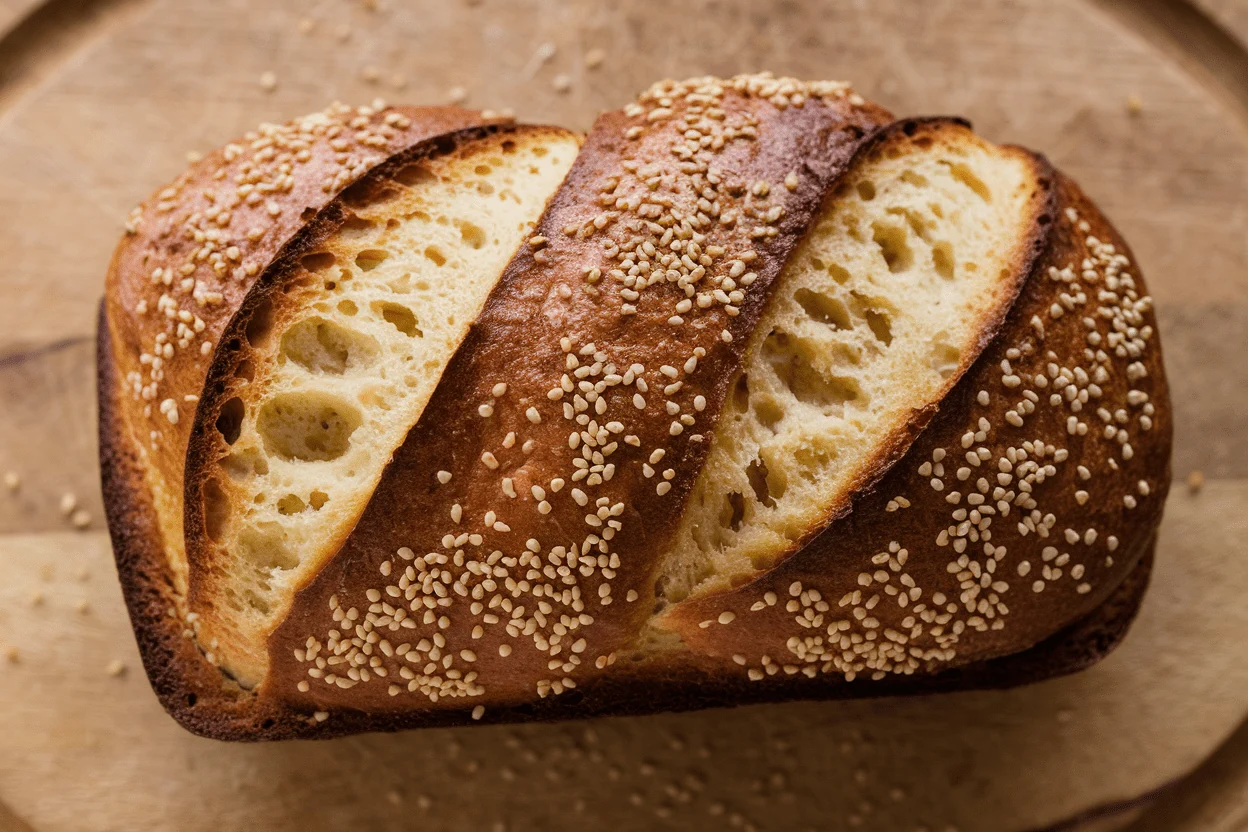
Brush the top with milk or egg wash and sprinkle seeds or seasoning if you like. You’re going for bakery vibes.
- Bake: Bake 30–38 minutes until deep golden. The internal temp should hit 190–195°F (88–90°C).
If it’s browning too fast, tent with foil in the last 10 minutes.
- Cool like you mean it: Remove from the pan after 10 minutes and cool fully on a rack before slicing. Yes, waiting is annoying. Yes, it’s worth it.
How to Store
- Room temp: Wrap tightly and keep at room temp for up to 3 days.
Avoid the fridge—it dries bread out, FYI.
- Freeze: Slice, wrap tightly, and freeze up to 2 months. Toast straight from frozen or thaw on the counter.
- Refresh: Day-old bread revives in a 300°F (150°C) oven for 8–10 minutes. Boom: soft again.
Why This is Good for You
This isn’t your average white loaf.
Cottage cheese adds extra protein and calcium, which helps with satiety and supports bone health. The fat from butter and cottage cheese keeps the crumb moist and satisfying, so you don’t inhale four slices just to feel full (been there). Pair it with eggs, smoked salmon, or nut butter, and you’ve got a balanced meal that doesn’t taste like “diet food.” IMO, that’s a win.
Don’t Make These Errors
- Overheating the liquids: Too hot = dead yeast.
Keep liquids around 105–110°F.
- Adding too much flour: Slightly sticky dough bakes softer. Heavy dough = dense brick. Start low; add flour slowly.
- Skipping the full cool: Cutting hot bread makes gummy slices.
Let the crumb set or regret it.
- Cold-rise panic: If your kitchen is chilly, give it more time. Rising is about volume, not the clock.
- Using fat-free cottage cheese: It works, but you’ll lose tenderness and flavor. Go 2% or full-fat for best results.
Different Ways to Make This
- Whole wheat upgrade: Swap 1 cup of bread flour for whole wheat.
Add 1–2 tablespoons extra water if needed. Expect a slightly heartier crumb.
- Herb and garlic loaf: Add 2 tablespoons chopped chives or parsley and 1/2 teaspoon garlic powder to the dough. Great for sandwich magic.
- Seeded powerhouse: Mix 2 tablespoons each of sunflower, pumpkin, and flax seeds into the dough.
Sprinkle more on top for crunch.
- Sweet breakfast version: Add 2 tablespoons sugar and 1 teaspoon vanilla. Swirl in cinnamon sugar before shaping. French toast heaven.
- Gluten-free route: Use a high-quality 1:1 gluten-free flour blend and add 1 teaspoon xanthan gum if not included.
Dough will be stickier; bake in a pan and skip heavy kneading.
FAQ
Can I use Greek yogurt instead of cottage cheese?
Yes, but it changes the texture. Greek yogurt makes the crumb slightly tighter and less plush. If swapping, use full-fat yogurt and reduce the water by 1–2 tablespoons to avoid an overly wet dough.
Do I need a stand mixer?
Nope.
A bowl and your hands work fine. The dough is manageable and kneads in under 10 minutes. A mixer just saves effort if you’re multitasking or already emotionally attached to your dough hook.
Why didn’t my bread rise?
Common culprits: dead yeast, liquids too hot, or a cold kitchen.
Check your yeast’s expiration, confirm your liquid temp, and give it more time. Also, too much flour can weigh down the dough—keep it slightly tacky.
Can I make this without eggs?
Yes. Skip the egg and add 1–2 tablespoons extra water or milk to maintain hydration.
The bread will be a tad less rich but still soft and delicious.
How do I keep the top from over-browning?
Simple: tent with foil for the last 10–15 minutes of baking. Also, place the loaf on a lower rack if your oven runs hot on top.
What’s the best way to slice it?
Use a serrated knife and wait until the loaf is fully cool. For ultra-clean slices (hello, sandwich game), chill the loaf 20 minutes before cutting or use an electric knife.
Wrapping Up
This cottage cheese bread recipe gives you bakery-level results with everyday ingredients and a not-so-secret protein boost.
It’s soft, flavorful, and ridiculously versatile—exactly what your toaster has been missing. Make it once, and it’ll be on repeat in your kitchen, no pitch needed. Happy baking, and please save at least one slice for tomorrow—you’ll thank yourself at breakfast.