Stop Overcooking Fish: The Ahi Tuna Steak Recipe That Turns 6 Minutes into “Whoa”
👩🍳 The Home Chef's Essential Kitchen
Consistently cooking incredible, healthy meals at home is so much easier when you aren't fighting with cheap tools. These are the 5 absolute powerhouse kitchen essentials that professional chefs and serious home cooks rely on every single day to get perfect results.
🍳 Lodge 10.25" Cast Iron Skillet
The single greatest value in all of cookware. It retains heat infinitely better than cheap non-stick pans, allowing you to get a restaurant-quality crust on steaks or perfect crispy edges on cornbread. With proper care, this $20 pan will literally outlive you.
🔪 Victorinox Fibrox Pro 8" Chef's Knife
A dull knife makes cooking a frustrating chore. This specific blade is the undisputed champion of the culinary world—it holds a terrifyingly sharp edge, features a comfortable non-slip grip, and performs identical to German knives that cost quadruple the price.
🌡️ ThermoPro Instant Read Thermometer
Never serve dry chicken or undercooked pork again. An instant-read thermometer is the secret difference between amateur cooks who 'guess' when protein is done, and professionals who know exactly when to pull meat off the heat for maximum juiciness.
🍲 Lodge Enameled Cast Iron Dutch Oven
The ultimate workhorse for soups, stews, braised short ribs, and baking crusty artisanal bread. The enameled interior provides incredible heat distribution for slow-cooking while eliminating the intense seasoning maintenance required by bare cast iron.
🥄 Bpa-Free Silicone Utensil Set
Throw away those melting plastic spatulas and bacteria-harboring wooden spoons. This pure silicone set is heat-resistant up to 600°F, won't scratch your expensive pans, and features seamless designs that make cleaning out thick sauces and batters effortless.
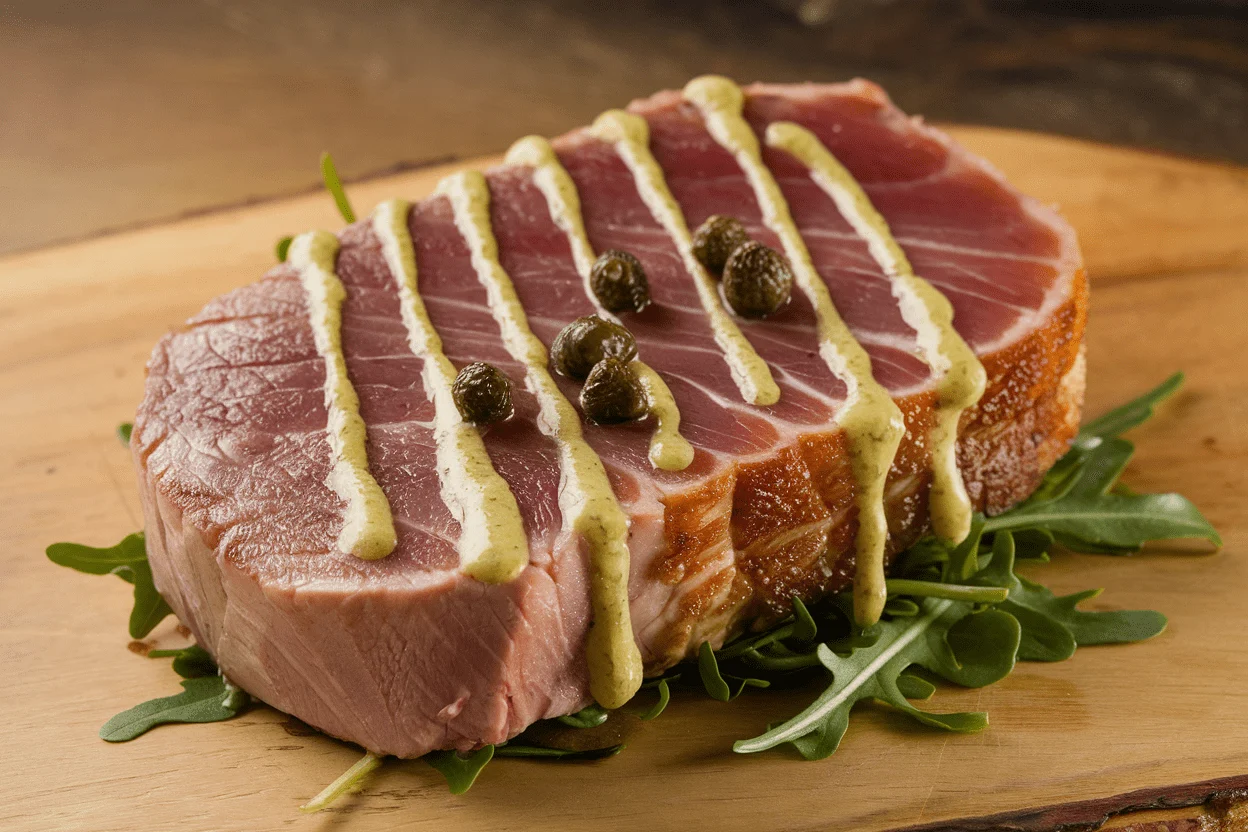
You don’t need a Michelin star to pull this off; you just need heat, timing, and a little courage. Ahi tuna is that rare dinner that looks expensive, cooks insanely fast, and makes you look like you know what you’re doing. Most people massacre tuna into gray cardboard—don’t be “most people.” Give it a hard sear, keep the center ruby, and watch the table go silent.
Six minutes. One pan. Instant bragging rights.
What Makes This Recipe So Good
- Quick sear, silky center: High heat caramelizes the outside while keeping the inside tender and sashimi-esque.
- Restaurant flavor at home: A simple soy-citrus marinade delivers deep umami without a grocery list.
- Flexible: Works with cast iron, grill, or a ripping-hot stainless skillet.
Indoor or outdoor—your call.
- Healthy without trying: Lean protein, omega-3s, and zero heavy sauces. It’s clean but tastes indulgent.
- Bulletproof timing: You’ll get exact cues so you don’t cross the line from perfect to “cat treats.”
Ingredients
- 2 ahi tuna steaks (yellowfin), 1 to 1.5 inches thick, about 6–8 oz each, sushi-grade if possible
- 2 tablespoons soy sauce (or tamari for gluten-free)
- 1 tablespoon toasted sesame oil
- 1 tablespoon neutral high-heat oil (avocado, grapeseed, or refined peanut)
- 1 tablespoon fresh lime juice (or lemon)
- 1 teaspoon honey (or maple syrup)
- 1 teaspoon rice vinegar
- 1 teaspoon grated fresh ginger
- 1 small garlic clove, finely grated
- 1 tablespoon sesame seeds (white, black, or mixed)
- Kosher salt and freshly ground black pepper
- Optional for serving: thinly sliced scallions, chili crisp, wasabi, pickled ginger, steamed rice, cucumber ribbons
Instructions
- Pat dry like you mean it: Remove tuna from the fridge and pat very dry with paper towels. Moisture is the enemy of a good sear.
Season both sides lightly with salt and pepper.
- Whisk a quick marinade: In a small bowl, combine soy sauce, sesame oil, lime juice, honey, rice vinegar, ginger, and garlic. Reserve 1 tablespoon as a finishing drizzle.
- Coat, don’t soak: Brush or spoon the marinade over the tuna on both sides. Let it sit 10–15 minutes at room temp.
You’re flavoring the outside, not curing it.
- Heat the pan to “rocket” mode: Set a cast-iron or stainless skillet over high heat until it’s just shy of smoking. Add the neutral oil and swirl. If it doesn’t shimmer, it’s not ready.
- Sear fast: Lay the tuna in the hot pan.
Don’t move it. Sear 60–90 seconds until a golden-brown crust forms. Flip and repeat 60–90 seconds on the second side.
- Edge sear (optional but pro): Use tongs to roll the steaks on their edges for 15–20 seconds per edge to kiss them with heat.
Looks fancy, cooks evenly.
- Check doneness: For classic presentation, aim for rare to medium-rare with a cool to warm ruby center. Internal temp target is 95–105°F for rare, 110–115°F for medium-rare. It will rise a few degrees off heat.
- Rest briefly: Transfer to a plate and rest 2 minutes.
Sprinkle with sesame seeds and sliced scallions. Drizzle that reserved tablespoon of marinade over the top.
- Slice smart: Cut against the grain into 1/4–1/2-inch slices with a very sharp knife. Serve with rice, cucumber, and a dab of wasabi or chili crisp if you like chaos.
Keeping It Fresh
- Buy smart: Look for sushi-grade or previously frozen ahi with a deep, vibrant color and clean smell.
No dull, brown edges.
- Storage: Keep tuna wrapped in paper towels inside an airtight container, set over ice in the fridge. Use within 24 hours for best texture.
- Leftovers: Sliced seared tuna keeps 1 day, tightly covered. Eat chilled over salads or bowls.
Reheating? Hard pass—unless you enjoy shoe leather.
- Freezing: Freeze raw tuna tightly wrapped for up to 2 months. Thaw slowly in the fridge, never on the counter.
FYI, texture may soften slightly after freezing.
Benefits of This Recipe
- Speed: From pan to plate in under 15 minutes. It’s practically a weeknight cheat code.
- Nutrients: High-quality protein, omega-3 fatty acids, and no heavy carbs unless you add them. Your macros will smile.
- Versatility: Works as an entrée, poke-style bowl topper, salad protein, or fancy appetizer.
- Low ingredient count, high payoff: Minimal shopping list, maximum flavor flex.
- Entertaining power: Sliced ahi screams “restaurant” with almost zero effort.
You get applause without suffering.
Avoid These Mistakes
- Overcooking: The number-one crime. Ahi goes from silky to chalky fast. Set a timer and trust it.
- Cold pan syndrome: If the pan isn’t screaming hot, you’ll steam the fish and lose the crust.
Wait for shimmer.
- Too much marinade time: Acid will “cook” the surface and turn it mealy. Keep it to 10–15 minutes.
- Wet surface: Don’t skip patting dry. Water blocks browning and causes sticking.
- Wrong oil: Olive oil burns.
Use a high-heat neutral oil for the sear and save the sesame oil for flavor.
- Hacking at it with a dull knife: You crush the fibers and lose that clean, sashimi-style look. Sharpen up.
Alternatives
- Citrus-pepper crust: Swap soy for lemon zest, cracked black pepper, and a pinch of sea salt. Finish with olive oil and parsley.
- Everything-bagel style: Press everything seasoning onto the surface before searing.
Serve with a tangy yogurt-dill sauce.
- Spicy gochujang glaze: Mix gochujang, soy, honey, and a splash of rice vinegar. Brush during the last 15 seconds per side.
- Grill it: Preheat grill to high, oil grates, and sear 60–90 seconds per side. Gorgeous grill marks, same ruby center.
- No soy? Use coconut aminos; adjust honey down since it’s sweeter.
- No sesame? Use a dash of smoked paprika or furikake for depth and crunch.
FAQ
Can I cook ahi tuna well-done?
Yes, but it won’t be the same experience.
Ahi is lean; when fully cooked it turns dry and firm. If you must, sear medium (125–130°F) and add a sauce like ponzu or an herby yogurt to help with moisture.
Do I need sushi-grade tuna?
Sushi-grade is ideal, especially if you’re serving rare. It generally means it was handled and frozen with raw consumption in mind.
If you can’t find it, choose the freshest, highest-quality steaks from a trusted fishmonger.
How do I know the pan is hot enough?
Flick a drop of water—if it skitters and evaporates instantly, you’re close. Oil should shimmer, not smoke aggressively. When the tuna hits the pan, you should hear a confident sizzle, not a timid whisper.
Can I marinate longer for more flavor?
Short answer: no.
Acid and salt start changing the texture fast. Brush on more of the reserved sauce after cooking if you want a flavor boost without the mush factor.
What should I serve with ahi tuna steaks?
Great sides include jasmine rice, sesame cucumbers, seaweed salad, blistered shishitos, or a crisp cabbage slaw with lime. Keep it bright and textural to complement the rich tuna.
Is it safe to eat rare tuna?
When sourced properly and handled cold, seared-rare ahi is commonly served in restaurants.
If you’re pregnant, immunocompromised, or unsure about your source, cook to at least medium and consult your healthcare provider, IMO.
My tuna stuck to the pan—why?
The pan likely wasn’t hot enough, or the surface was wet. Also, don’t force the flip. Once a crust forms, the fish releases naturally.
If it’s resisting, give it another 15–20 seconds.
Can I air-fry ahi tuna?
You can, but you’ll lose the dramatic hard sear. If using an air fryer, preheat, brush lightly with oil, and cook 3–4 minutes at 450°F, checking early. It’s decent, just not rockstar-level.
The Bottom Line
A great ahi tuna steak recipe isn’t complicated—it’s about heat, timing, and restraint.
Keep the exterior caramelized, the center ruby, and the flavors clean and bold. Do that, and you’ve got a 5-star plate in minutes. Skip the fuss, nail the sear, and let everyone assume you trained in Tokyo.
You can tell them later—or not.