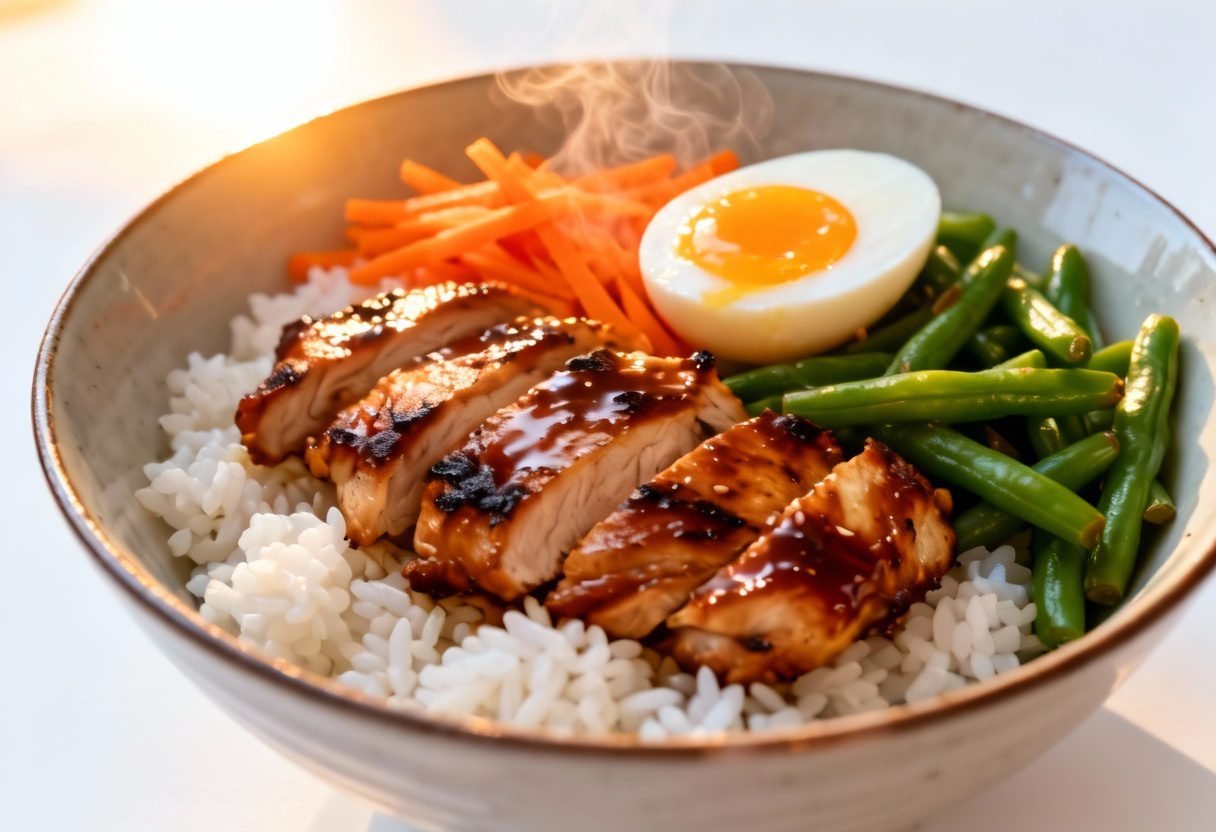
Asian Rice Bowl Recipe: Your Weeknight Dinner Savior!
Craving vibrant flavors and a satisfying meal, but short on time? Look no further! This Asian Rice Bowl recipe is your answer. It’s a customizable, quick, and utterly delicious dish that’s perfect for busy weeknights, meal prepping, or a casual weekend lunch. We’re talking perfectly cooked rice, tender protein, crisp vegetables, and a flavor-packed sauce that will have you scraping the bowl clean. Forget takeout – this homemade version is healthier, cheaper, and tastes even better!
Why This Recipe Works
This recipe isn’t just delicious; it’s designed for success. Here’s why it works:
- Customizable: The beauty of a rice bowl is its adaptability. Swap out the protein, vegetables, or sauce to suit your preferences and what you have on hand. Chicken, tofu, shrimp, broccoli, carrots, bell peppers – the possibilities are endless!
- Quick & Easy: From start to finish, this recipe can be on your table in under 30 minutes. The sauce comes together in a flash, and the protein and vegetables cook quickly.
- Balanced Meal: This rice bowl provides a balanced combination of carbohydrates (rice), protein (chicken, tofu, etc.), and vitamins and minerals (vegetables).
- Flavorful Sauce: The star of the show is the sauce! It’s a harmonious blend of sweet, savory, and umami flavors that coats every grain of rice and morsel of protein.
- Meal Prep Friendly: Cook the rice, protein, and vegetables ahead of time and store them separately. Assemble the bowls when you’re ready to eat for a quick and healthy lunch or dinner.
Ingredients
- Rice: 1 cup uncooked long-grain white rice (such as jasmine or basmati) or brown rice.
- Water: 2 cups (for cooking rice)
- Protein: 1 pound boneless, skinless chicken breasts (or thighs), tofu (extra firm), shrimp, or your preferred protein.
- Vegetables: 1 cup broccoli florets, 1 cup sliced carrots, 1 cup sliced bell peppers (any color), ½ cup snow peas, or your preferred vegetables.
- Soy Sauce: ¼ cup low-sodium soy sauce (or tamari for gluten-free).
- Honey: 2 tablespoons honey (or maple syrup).
- Rice Vinegar: 2 tablespoons rice vinegar.
- Sesame Oil: 1 tablespoon sesame oil.
- Garlic: 2 cloves garlic, minced.
- Ginger: 1 teaspoon ginger, grated.
- Cornstarch: 1 tablespoon cornstarch.
- Water (for cornstarch slurry): 2 tablespoons cold water.
- Optional Garnishes: Sesame seeds, chopped green onions, sriracha, avocado slices.
- Cooking Oil: 1 tablespoon vegetable oil (or canola oil).

Instructions
- Cook the Rice: Rinse the rice under cold water until the water runs clear. Combine the rice and water in a saucepan. Bring to a boil, then reduce heat to low, cover, and simmer for 15-20 minutes (or according to package directions) until all the water is absorbed. Fluff with a fork.
- Prepare the Protein: If using chicken, cut it into bite-sized pieces. If using tofu, press out excess water and cube it. If using shrimp, peel and devein it.
- Prepare the Sauce: In a small bowl, whisk together the soy sauce, honey, rice vinegar, sesame oil, minced garlic, and grated ginger.
- Make the Cornstarch Slurry: In a separate small bowl, whisk together the cornstarch and cold water until smooth. This will help thicken the sauce.
- Cook the Protein: Heat the vegetable oil in a large skillet or wok over medium-high heat. Add the protein and cook until browned and cooked through. If using chicken, cook until the internal temperature reaches 165°F (74°C). If using tofu, cook until golden brown and crispy. If using shrimp, cook until pink and opaque. Remove the protein from the skillet and set aside.
- Cook the Vegetables: Add the vegetables to the same skillet and cook until tender-crisp, about 5-7 minutes. If using vegetables that take longer to cook, such as carrots, add them to the skillet first.
- Combine and Simmer: Pour the sauce over the vegetables and bring to a simmer. Stir in the cornstarch slurry and cook until the sauce thickens, about 1-2 minutes.
- Add the Protein Back: Add the cooked protein back to the skillet and toss to coat with the sauce.
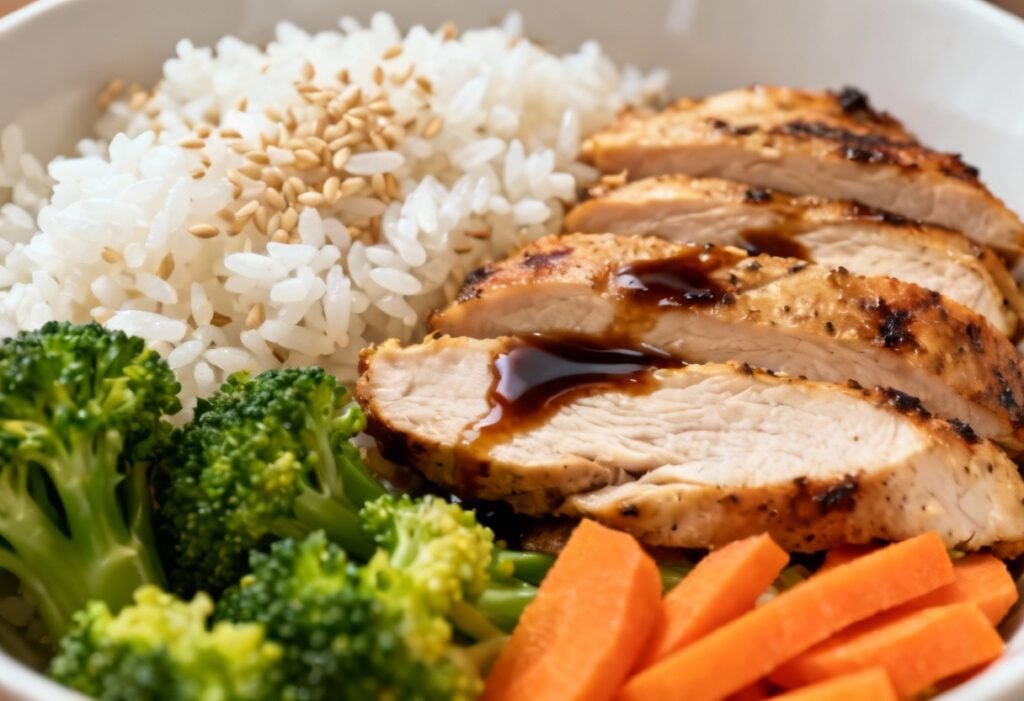
- Assemble the Bowls: Divide the cooked rice among bowls. Top with the protein and vegetable mixture.
- Garnish and Serve: Garnish with sesame seeds, chopped green onions, sriracha, and avocado slices, if desired. Serve immediately.
Tips for Success
Here are a few tips to ensure your Asian Rice Bowl is a success:
- Don’t Overcook the Rice: Overcooked rice will be mushy. Follow the package directions carefully and keep an eye on the rice as it cooks.
- Use Low-Sodium Soy Sauce: This will help control the saltiness of the sauce.
- Adjust the Sweetness: If you prefer a less sweet sauce, reduce the amount of honey.
- Don’t Skip the Cornstarch Slurry: This is essential for thickening the sauce. Make sure the cornstarch is fully dissolved in the water before adding it to the skillet.
- Customize to Your Liking: Experiment with different proteins, vegetables, and sauces to create your perfect rice bowl.
- Prep Ahead: Cook the rice, protein, and vegetables ahead of time to save time on busy weeknights.
- Use a Wok (Optional): A wok is ideal for cooking stir-fries because it distributes heat evenly and allows the ingredients to cook quickly. However, a large skillet will work just fine.
Storage Instructions
Store leftover rice, protein, and vegetables separately in airtight containers in the refrigerator for up to 3 days. Reheat the protein and vegetables in a skillet or microwave until heated through. Assemble the bowls just before serving.
FAQ
- Can I use brown rice instead of white rice? Yes, you can use brown rice. Keep in mind that brown rice takes longer to cook than white rice. Adjust the cooking time accordingly.
- Can I use frozen vegetables? Yes, you can use frozen vegetables. Thaw them before cooking.
- Can I make this vegetarian or vegan? Yes, you can easily make this vegetarian or vegan by using tofu as the protein source and ensuring that all the ingredients are vegan-friendly (e.g., using maple syrup instead of honey).
- Can I add more spice? Absolutely! Add a pinch of red pepper flakes or a dash of sriracha to the sauce for extra heat.
- Can I use a different type of oil? Yes, you can use any neutral-flavored cooking oil, such as canola oil, vegetable oil, or avocado oil.
- The sauce is too thick/thin. How do I fix it? If the sauce is too thick, add a little water until it reaches the desired consistency. If the sauce is too thin, simmer it for a few more minutes to allow it to thicken.
Conclusion
This Asian Rice Bowl recipe is a winner! It’s quick, easy, customizable, and packed with flavor. Whether you’re looking for a healthy weeknight dinner, a convenient meal prep option, or a delicious way to use up leftover ingredients, this recipe is sure to become a staple in your kitchen. So, gather your ingredients, get cooking, and enjoy a satisfying and flavorful meal in minutes!