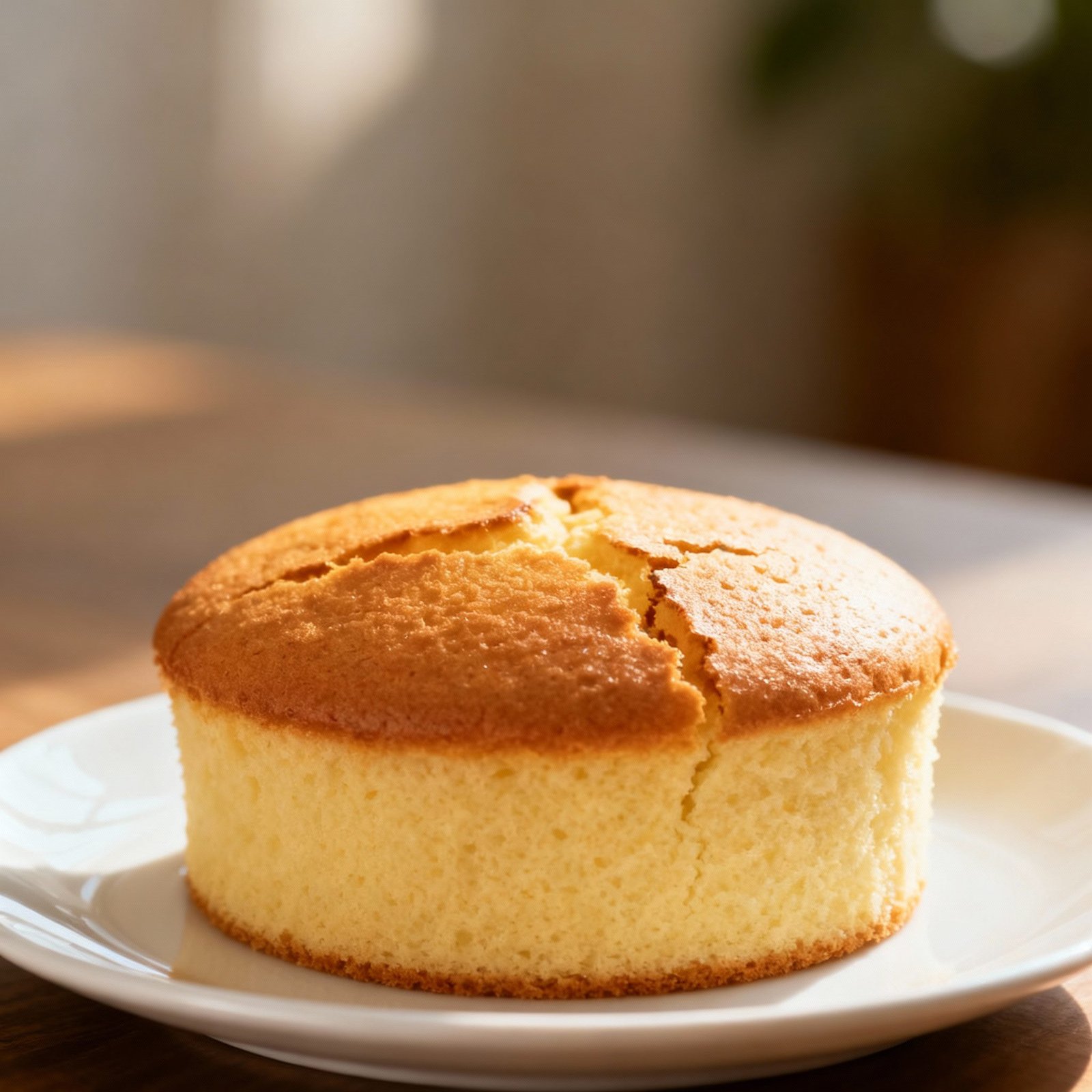
Basic Vanilla Cake Recipe: Your Guide to Baking Perfection
Is there anything more comforting than a slice of perfectly moist, tender vanilla cake? This recipe is your starting point, your canvas, your foundation for countless delicious desserts. Whether you’re a seasoned baker or just starting out, this basic vanilla cake recipe is foolproof and guaranteed to impress. Forget dry, crumbly cakes – this one is light, airy, and bursting with vanilla flavor. Get ready to bake a cake that’s so good, you’ll want to make it again and again!
Why This Recipe Works
This isn’t just another vanilla cake recipe; it’s a meticulously crafted formula designed for consistent results. Here’s why it works:
- Creaming Method: We use the creaming method, which involves beating together the butter and sugar until light and fluffy. This incorporates air into the mixture, creating a light and airy texture.
- Proper Ingredient Temperature: Using room temperature ingredients, especially butter and eggs, is crucial. Room temperature ingredients emulsify more easily, resulting in a smooth batter and a tender cake.
- The Right Ratio of Wet to Dry Ingredients: The balance of wet and dry ingredients is carefully calculated to ensure the cake is moist without being dense.
- Gentle Mixing: Overmixing develops gluten, leading to a tough cake. We emphasize gentle mixing to keep the cake tender.
- Baking Time and Temperature: Baking at the correct temperature for the right amount of time is essential for a perfectly cooked cake. We provide clear guidelines to avoid overbaking or underbaking.
Ingredients
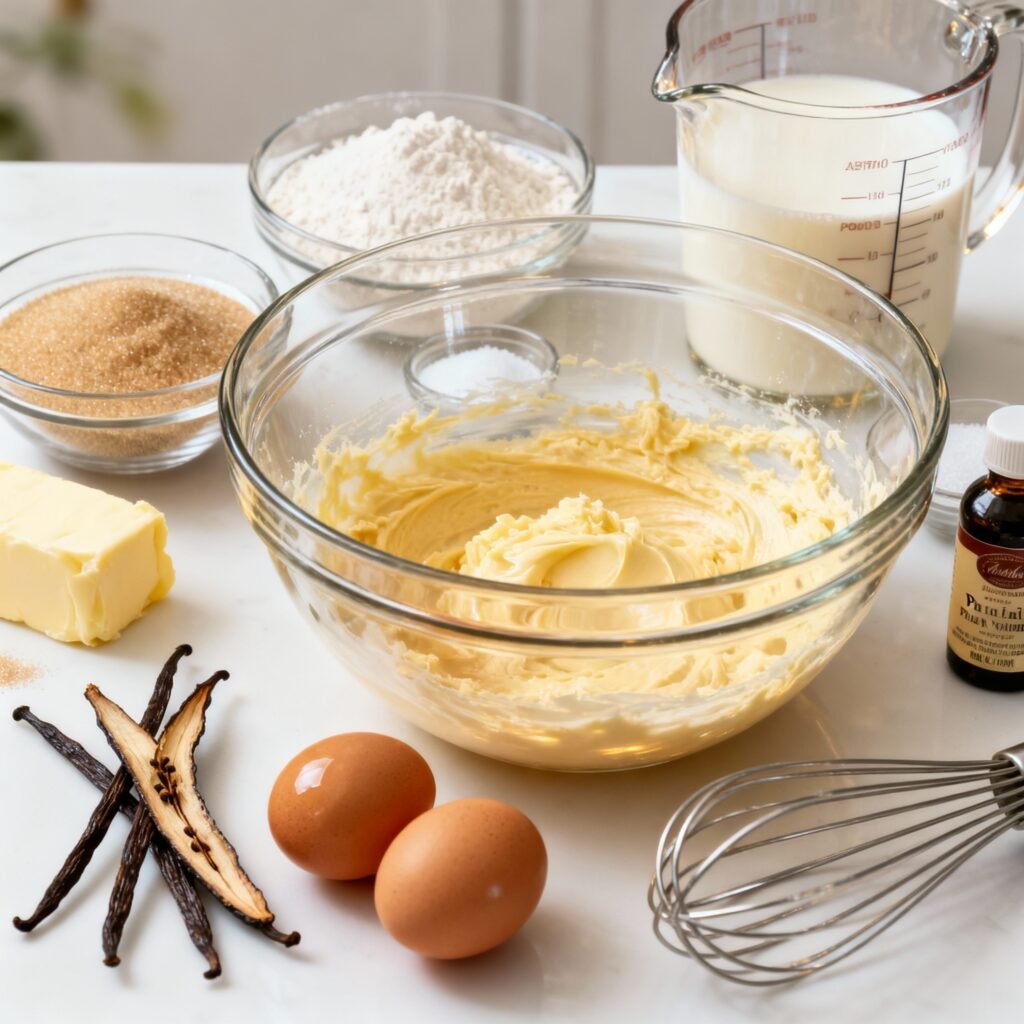
- 2 1/4 cups (281g) all-purpose flour: Provides structure to the cake.
- 2 1/2 teaspoons baking powder: Leavening agent that helps the cake rise.
- 1/2 teaspoon salt: Enhances the flavors of the other ingredients.
- 1 cup (2 sticks or 226g) unsalted butter, softened: Adds richness, flavor, and moisture.
- 1 3/4 cups (350g) granulated sugar: Sweetens the cake and contributes to its tenderness.
- 2 large eggs, at room temperature: Add richness, structure, and moisture.
- 1 teaspoon vanilla extract: Provides the classic vanilla flavor. Use a good quality extract for the best results.
- 1 cup (240ml) milk, at room temperature: Adds moisture and helps to create a smooth batter.
Instructions
- Preheat and Prep: Preheat your oven to 350°F (175°C). Grease and flour a 9-inch round cake pan. Alternatively, you can use baking spray with flour.
- Combine Dry Ingredients: In a medium bowl, whisk together the flour, baking powder, and salt. This ensures even distribution of the leavening agent.
- Cream Butter and Sugar: In a large bowl, cream together the softened butter and granulated sugar using an electric mixer until light and fluffy, about 3-5 minutes. This is a crucial step for incorporating air into the batter.
- Add Eggs: Beat in the eggs one at a time, mixing well after each addition. Make sure each egg is fully incorporated before adding the next.
- Stir in Vanilla: Stir in the vanilla extract.
- Alternate Wet and Dry Ingredients: Gradually add the dry ingredients to the wet ingredients, alternating with the milk. Begin and end with the dry ingredients. Mix until just combined. Be careful not to overmix. Overmixing will develop the gluten in the flour, resulting in a tough cake. A good rule of thumb is to add 1/3 of the dry ingredients, then 1/2 of the milk, then another 1/3 of the dry ingredients, then the remaining milk, and finally the remaining 1/3 of the dry ingredients.
- Pour into Pan: Pour the batter into the prepared cake pan and spread evenly.
- Bake: Bake for 30-35 minutes, or until a wooden skewer inserted into the center comes out clean.
- Cool: Let the cake cool in the pan for 10 minutes before inverting it onto a wire rack to cool completely.
- Frost (Optional): Once the cake is completely cool, frost with your favorite frosting. Vanilla buttercream, chocolate ganache, or cream cheese frosting are all excellent choices.
Tips for Success
Here are some tips to ensure your vanilla cake turns out perfectly every time:
- Use Room Temperature Ingredients: This is the most important tip! Room temperature ingredients emulsify better, creating a smoother batter and a more tender cake.
- Don’t Overmix: Overmixing develops gluten, leading to a tough cake. Mix until just combined.
- Measure Accurately: Use measuring cups and spoons designed for baking. Spoon the flour into the measuring cup and level off with a knife. Do not pack the flour.
- Check for Doneness: Use a wooden skewer or toothpick to check for doneness. If it comes out clean, the cake is done.
- Cool Completely Before Frosting: Frosting a warm cake will cause the frosting to melt. Make sure the cake is completely cool before frosting.
- Use High-Quality Vanilla Extract: The quality of your vanilla extract will significantly impact the flavor of the cake. Use a pure vanilla extract for the best results.
- Adjust Baking Time as Needed: Ovens vary, so you may need to adjust the baking time slightly. Start checking for doneness around 30 minutes.
- Level the Cake (Optional): If your cake has a dome, you can use a serrated knife to level it before frosting. This will make it easier to frost and create a more professional-looking cake.
Storage Instructions
Unfrosted Cake:
- Room Temperature: Store unfrosted cake tightly wrapped in plastic wrap or in an airtight container at room temperature for up to 3 days.
- Freezer: Wrap the cake tightly in plastic wrap and then in aluminum foil. Freeze for up to 2 months. Thaw in the refrigerator overnight.
Frosted Cake:
- Room Temperature: Store frosted cake in an airtight container at room temperature for up to 2 days, depending on the type of frosting. Buttercream frosting can typically be stored at room temperature, while cream cheese frosting should be refrigerated.
- Refrigerator: Store frosted cake in an airtight container in the refrigerator for up to 5 days. Bring to room temperature before serving for the best flavor and texture.
FAQ
Q: Can I use cake flour instead of all-purpose flour?
A: Yes, you can substitute cake flour for all-purpose flour. This will result in a slightly more tender cake. Use the same amount of cake flour as all-purpose flour.
Q: Can I use a different size pan?
A: Yes, you can use a different size pan, but you may need to adjust the baking time. For example, if you use two 8-inch round cake pans, the baking time will be shorter. If you use a 9×13 inch pan, the baking time may be slightly longer.
Q: Can I add other flavors to this cake?
A: Absolutely! This recipe is a great base for adding other flavors. You can add lemon zest, almond extract, or chocolate chips. Get creative and experiment with your favorite flavors!
Q: My cake is dry. What did I do wrong?
A: A dry cake can be caused by a few things: overbaking, using too much flour, or not using enough liquid. Make sure you are measuring your ingredients accurately and checking for doneness with a toothpick. Also, ensure your oven temperature is accurate.
Q: My cake sank in the middle. Why?
A: A sunken cake can be caused by several factors, including: not enough leavening agent, overmixing the batter, opening the oven door too frequently during baking, or baking at too low of a temperature. Make sure your baking powder is fresh and avoid opening the oven door unnecessarily.
Conclusion
Congratulations! You now have the perfect basic vanilla cake recipe in your arsenal. This recipe is a reliable and delicious foundation for all your cake-baking adventures. Whether you’re celebrating a special occasion or simply craving a sweet treat, this cake is sure to please. So, preheat your oven, gather your ingredients, and get ready to bake a cake that will become a family favorite for years to come. Happy baking!