Biscuit Recipe Homemade No Buttermilk: Fluffy Perfection Achieved!
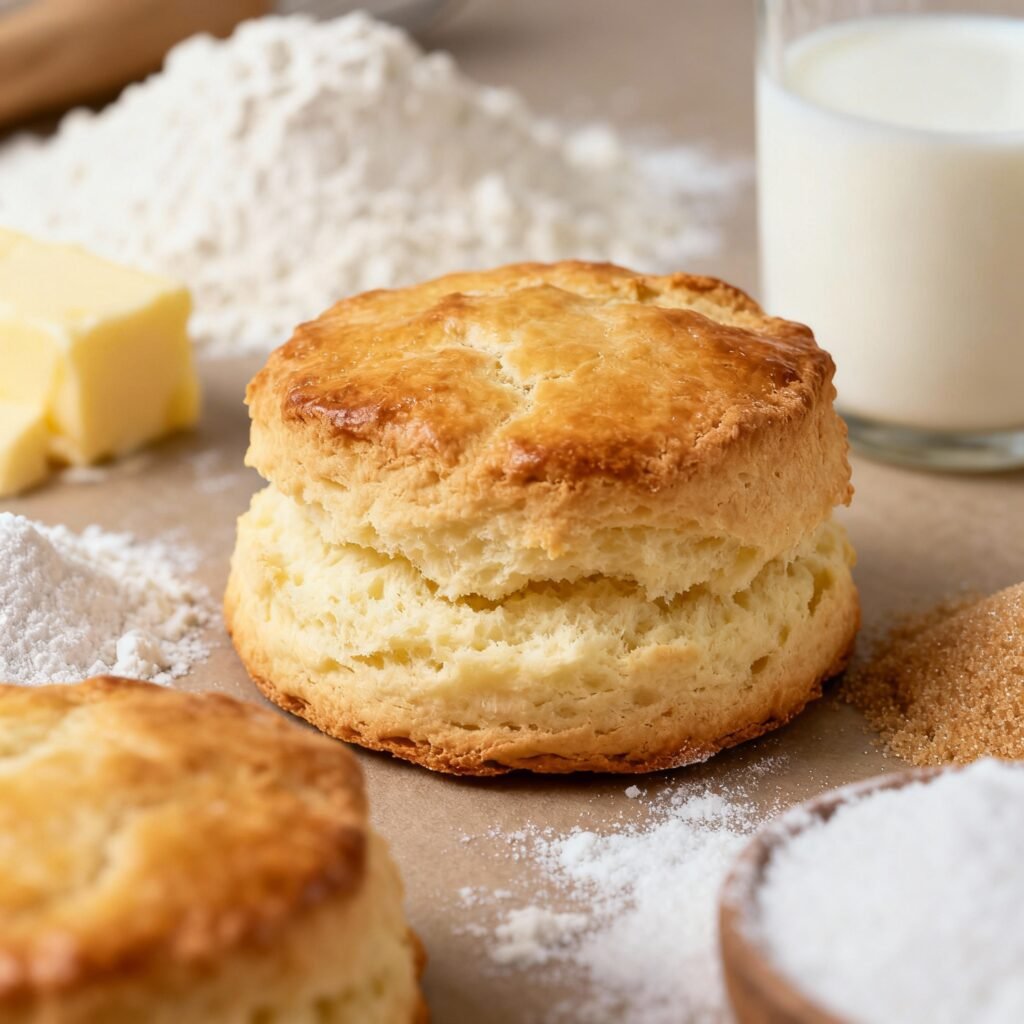
Craving warm, flaky, homemade biscuits but don’t have buttermilk on hand? Don’t worry! This recipe delivers incredibly delicious, sky-high biscuits without a drop of the tangy stuff. We’re talking soft, buttery interiors and golden-brown, slightly crisp exteriors – the kind of biscuits that make you want to slather them with jam, sausage gravy, or simply a pat of butter. This is your go-to biscuit recipe for any day of the week, perfect for breakfast, lunch, or dinner. Get ready to impress your family and friends with these irresistible, easy-to-make delights!
Why This Recipe Works
Many biscuit recipes rely on buttermilk for its acidity, which helps to tenderize the gluten in the flour and create a light, airy texture. Buttermilk also contributes to a slight tanginess that some find appealing. However, buttermilk isn’t always readily available. This recipe bypasses the need for buttermilk by using a combination of cold milk and a touch of lemon juice or vinegar. The acid in the lemon juice (or vinegar) mimics the effect of buttermilk, tenderizing the dough and contributing to that signature biscuit texture. The key to success lies in using very cold ingredients – cold butter, cold milk, and even chilling your dry ingredients beforehand if possible. This prevents the butter from melting prematurely, creating pockets of steam during baking, which results in those beautiful, flaky layers we all crave. Furthermore, the “folding” technique, similar to that used in making laminated doughs, creates even more layers and contributes to the biscuit’s overall height and tenderness. This recipe is also relatively simple, using pantry staples you likely already have on hand. So, say goodbye to buttermilk woes and hello to perfect homemade biscuits!
Ingredients
- 2 cups all-purpose flour, plus more for dusting
- 1 tablespoon baking powder
- 1 teaspoon salt
- 1/2 teaspoon baking soda
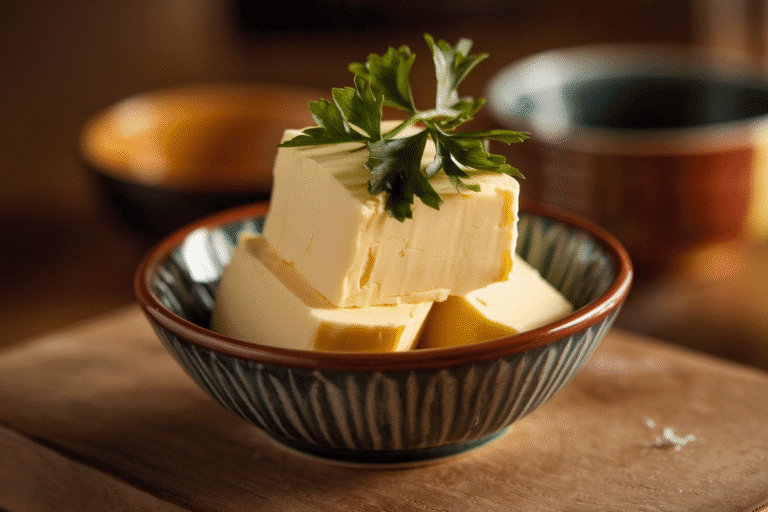
- 1/2 cup (1 stick) cold unsalted butter, cut into 1/2-inch cubes
- 3/4 cup cold milk
- 1 tablespoon lemon juice or white vinegar
- 2 tablespoons melted butter, for brushing (optional)
Instructions
- Prepare the Milk: In a liquid measuring cup, add the lemon juice or white vinegar to the cold milk. Stir and let it sit for 5 minutes. This creates a “buttermilk” substitute.
- Combine Dry Ingredients: In a large bowl, whisk together the flour, baking powder, salt, and baking soda.
- Cut in the Butter: Add the cold butter cubes to the flour mixture. Use a pastry blender or your fingertips to cut the butter into the flour until the mixture resembles coarse crumbs. You should still see small pieces of butter. This is crucial for creating flaky layers.
- Add the Wet Ingredients: Make a well in the center of the dry ingredients. Pour in the milk mixture. Use a fork to gently stir the wet and dry ingredients together until just combined. Do not overmix! The dough will be shaggy and slightly sticky.
- Turn Out and Fold: Lightly flour a clean work surface. Turn the dough out onto the floured surface. Gently pat the dough into a rectangle about 1 inch thick.
- Folding Technique: Fold the dough in thirds, like a letter. This is the key to creating layers. Gently pat the folded dough back into a 1-inch thick rectangle. Repeat this folding process 3-4 times. This develops those beautiful, flaky layers.
- Cut Out Biscuits: After the final fold, gently pat the dough to about 3/4 inch thickness. Use a 2-3 inch biscuit cutter (or a knife) to cut out biscuits. Press straight down; avoid twisting the cutter, as this can seal the edges and prevent the biscuits from rising properly.
- Place on Baking Sheet: Place the biscuits on an ungreased baking sheet, close together. Placing them close together helps them rise higher.
- Chill (Optional but Recommended): For best results, chill the biscuits in the refrigerator for 15-30 minutes before baking. This allows the butter to firm up again, resulting in even more lift and flakiness.
- Bake: Preheat oven to 450°F (232°C). Bake for 12-15 minutes, or until the biscuits are golden brown on top.
- Brush with Butter (Optional): Immediately after removing the biscuits from the oven, brush the tops with melted butter for added flavor and a beautiful sheen.
- Serve: Serve warm and enjoy!
Tips for Success
- Keep Everything Cold: This is the most important tip! Cold butter, cold milk, even chilling the dry ingredients beforehand will result in the flakiest biscuits. Consider placing the bowl with the dry ingredients and the butter in the freezer for 15 minutes before starting.
- Don’t Overmix: Overmixing develops the gluten in the flour, resulting in tough biscuits. Mix just until the ingredients are combined. A shaggy dough is perfectly fine.
- Handle Gently: Be gentle when handling the dough. Avoid pressing down too hard when patting it out or folding it.
- Flour Generously: Use plenty of flour when working with the dough to prevent it from sticking to the work surface.
- Cut Straight Down: When cutting out the biscuits, press the cutter straight down and avoid twisting. Twisting can seal the edges and prevent the biscuits from rising properly.
- Don’t Overbake: Overbaking will result in dry biscuits. Bake until they are golden brown on top.
- Experiment with Flavors: Add herbs, cheese, or spices to the dry ingredients for a flavored biscuit.
- Use a Cast Iron Skillet: For extra crispy bottoms, bake the biscuits in a preheated cast iron skillet.
- Adjust Baking Time for Size: Smaller biscuits will bake faster, while larger biscuits may need a few extra minutes.
Storage Instructions
Store leftover biscuits in an airtight container at room temperature for up to 2 days. For longer storage, freeze the biscuits in a freezer-safe bag or container for up to 2 months. To reheat frozen biscuits, thaw them completely and then warm them in a 350°F (175°C) oven for 5-10 minutes, or until heated through.

FAQ
Q: Can I use self-rising flour?
A: No, self-rising flour already contains baking powder and salt. Using it with this recipe will result in biscuits that are too salty and overly leavened.
Q: Can I use margarine instead of butter?
A: While you can use margarine, butter provides a richer flavor and better texture. For the best results, stick with butter.
Q: Can I use a different type of milk?
A: Whole milk will give you the richest flavor, but 2% or even skim milk can be used. Keep in mind that the biscuits may not be as tender with lower-fat milk.
Q: Why didn’t my biscuits rise?
A: There are several reasons why your biscuits might not have risen. Make sure your baking powder is fresh. Avoid overmixing the dough. Ensure your oven is properly preheated. And most importantly, keep the ingredients cold!
Q: Can I make these ahead of time?
A: Yes! You can prepare the biscuits up to the point of baking and then chill them in the refrigerator for up to 24 hours. Add a few extra minutes to the baking time if baking straight from the refrigerator.
Q: What can I serve with these biscuits?
A: The possibilities are endless! These biscuits are delicious with butter and jam, sausage gravy, fried chicken, or as a side to any meal.
Conclusion
This no-buttermilk biscuit recipe is a game-changer. It’s simple, reliable, and delivers consistently delicious results. With a few simple techniques and readily available ingredients, you can enjoy warm, flaky, homemade biscuits any time you crave them. So, ditch the store-bought versions and embrace the joy of baking these delightful treats from scratch. Happy baking!