Bone-In Prime Rib Roast Recipe Ovens: Perfectly Cooked Every Time!
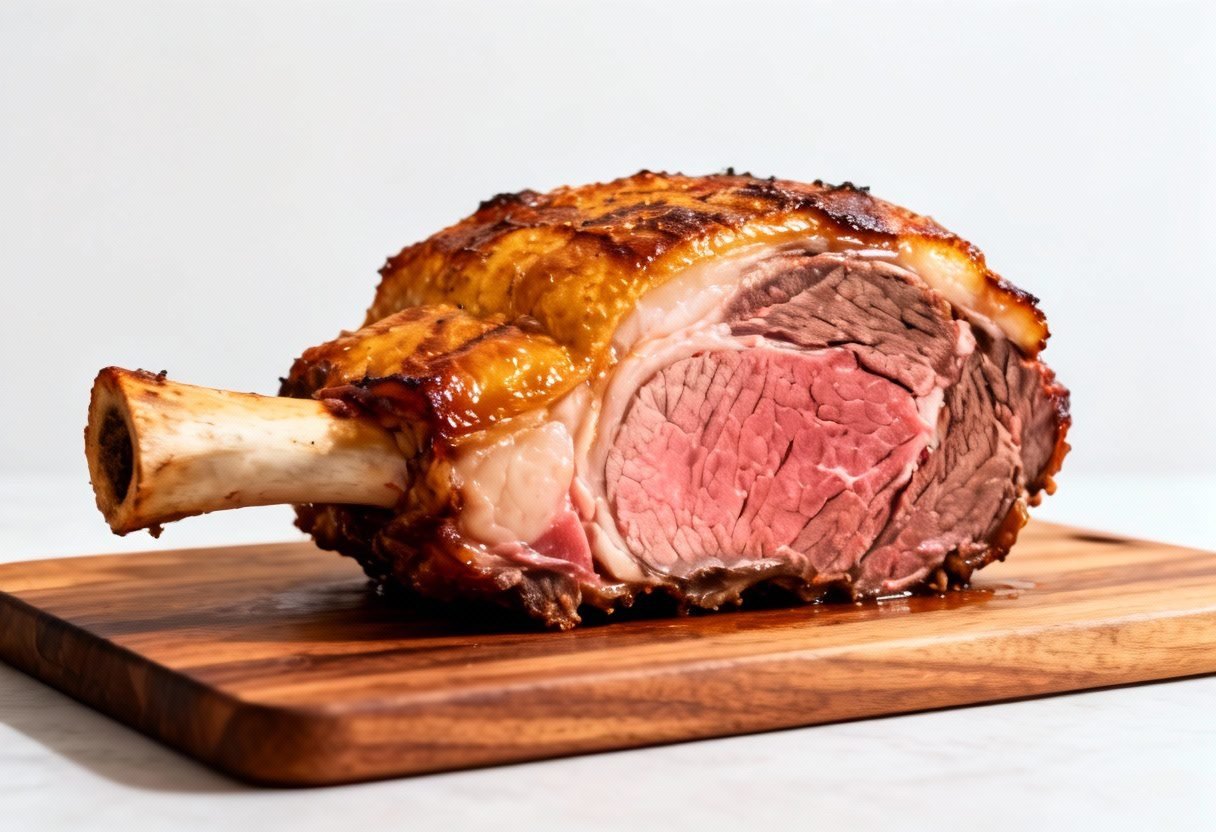
The holidays are fast approaching, and that means it’s time to start thinking about the centerpiece of your feast: the magnificent prime rib roast! This recipe guarantees a perfectly cooked, juicy, and flavorful bone-in prime rib roast that will impress your family and friends. We’ll walk you through every step, from selecting the right roast to achieving that perfect crust and a beautifully pink interior. Forget complicated techniques – this method is straightforward and reliable, ensuring a stress-free and delicious holiday meal.
Why This Recipe Works
This recipe focuses on simplicity and precision. Here’s why it delivers consistently excellent results:
- Slow Roasting: The key to a tender and evenly cooked prime rib is low and slow roasting. This method allows the heat to penetrate the roast gently, preventing the outer layers from overcooking before the center reaches the desired temperature.
- Reverse Sear: After the slow roast, a high-heat sear creates a beautiful, flavorful crust. This technique, known as the reverse sear, ensures a perfectly browned exterior without overcooking the inside.
- Temperature Control: Using a reliable meat thermometer is crucial. Cooking to the correct internal temperature guarantees a perfect level of doneness. Forget guessing – accuracy is key!
- Resting Period: Allowing the roast to rest after cooking is essential. This allows the juices to redistribute throughout the meat, resulting in a more tender and flavorful roast.
- Simple Seasoning: We use a simple yet effective blend of salt, pepper, garlic, and herbs to enhance the natural flavor of the prime rib without overpowering it.
Ingredients
- 1 bone-in prime rib roast (standing rib roast), 4-6 pounds
- 3 tablespoons kosher salt
- 2 tablespoons freshly ground black pepper
- 2 tablespoons garlic powder
- 1 tablespoon dried rosemary
- 1 tablespoon dried thyme
- 2 tablespoons olive oil
- 1 cup beef broth (optional, for the pan)
Instructions
- Prepare the Roast: Pat the prime rib roast dry with paper towels. This is crucial for achieving a good sear.
- Season the Roast: In a small bowl, combine the salt, pepper, garlic powder, rosemary, and thyme. Mix well.
- Apply the Rub: Rub the olive oil all over the roast. Then, generously coat the entire roast with the spice mixture, pressing it firmly into the meat. Make sure every surface is well-seasoned.
- Refrigerate (Optional): For best results, wrap the seasoned roast tightly in plastic wrap and refrigerate for at least 2 hours, or preferably overnight. This allows the flavors to penetrate the meat.
- Preheat the Oven: Preheat your oven to 250°F (120°C).
- Place the Roast: Place the roast, bone-side down, in a roasting pan fitted with a rack. The rack allows for even air circulation. If you don’t have a rack, you can use roughly chopped vegetables (carrots, celery, onions) as a makeshift rack.
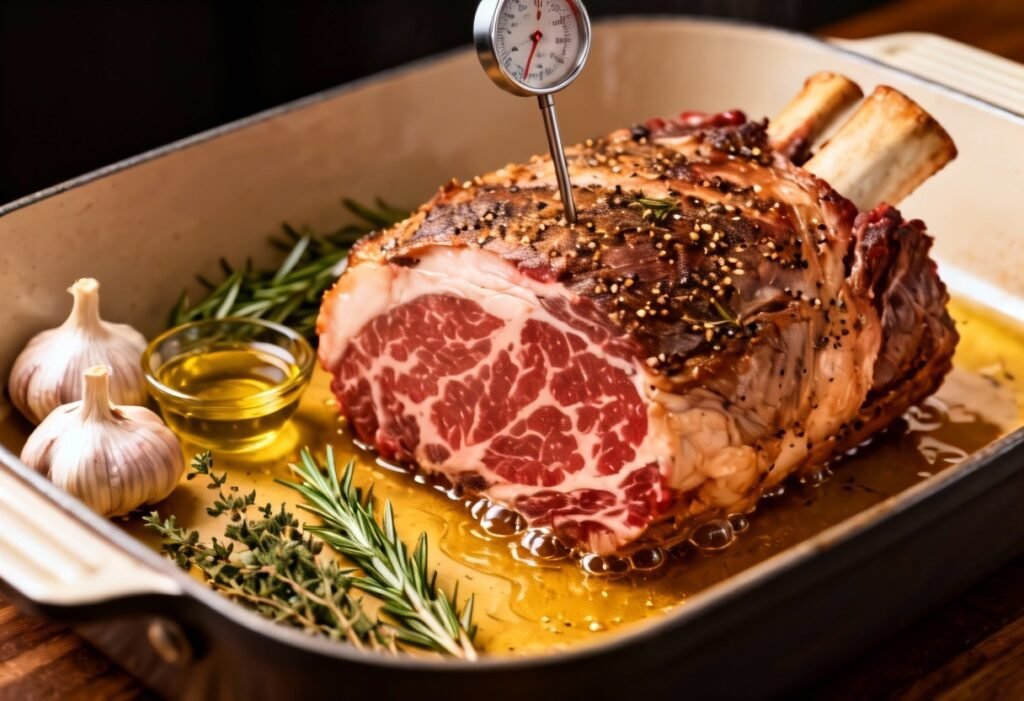
- Slow Roast: Roast the prime rib until it reaches the desired internal temperature. Use a meat thermometer inserted into the thickest part of the roast, avoiding the bone.
- Rare: 120-125°F (49-52°C)
- Medium-Rare: 130-135°F (54-57°C)
- Medium: 135-140°F (57-60°C)
- Medium-Well: 140-145°F (60-63°C)
- Well-Done: 145°F+ (63°C+) (Not recommended)
Approximate roasting times at 250°F (120°C):
- 4-pound roast: Approximately 2-2.5 hours for medium-rare
- 6-pound roast: Approximately 2.5-3 hours for medium-rare
Note: These are just estimates. Always rely on a meat thermometer for accurate doneness.
- Rest the Roast: Remove the roast from the oven and place it on a cutting board. Tent it loosely with foil and let it rest for at least 30 minutes. This is crucial for juicy results! During this time, the internal temperature will continue to rise slightly (carryover cooking).
- Increase Oven Temperature: While the roast is resting, increase the oven temperature to 500°F (260°C).
- Sear the Roast: Return the roast to the preheated oven (still on the rack in the roasting pan) and sear for 5-7 minutes, or until the crust is nicely browned. Watch it carefully to prevent burning.
- Final Rest: Remove the roast from the oven and let it rest for another 10 minutes before carving.
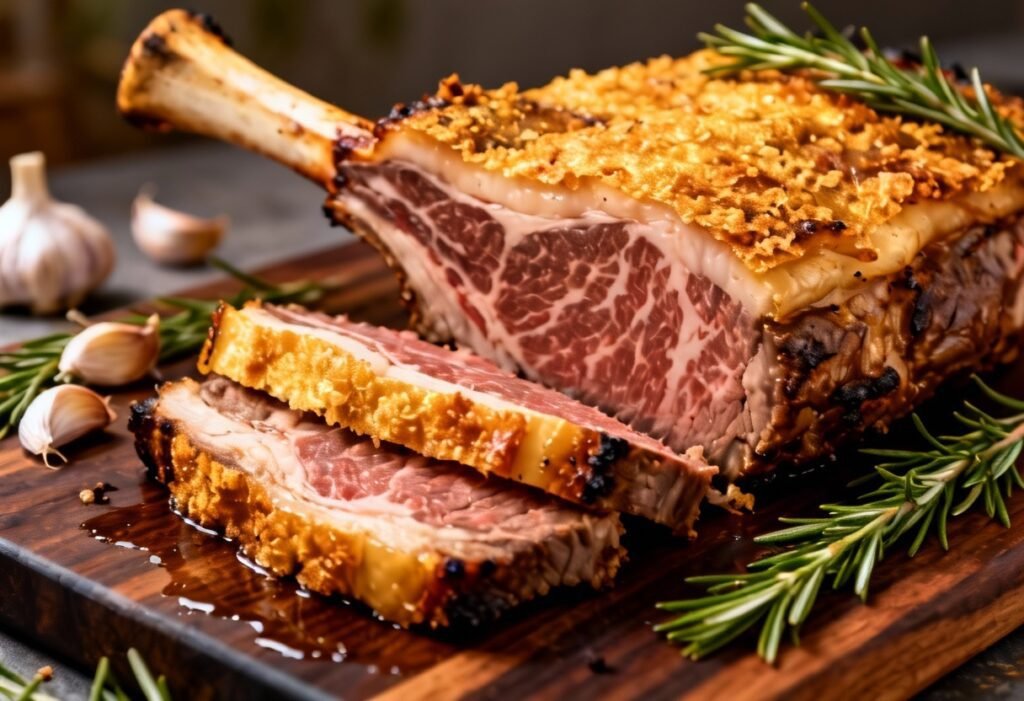
- Carve and Serve: Carve the prime rib against the grain into slices about 1/2 inch thick. Serve immediately. If desired, deglaze the roasting pan with beef broth to make a simple pan sauce.
Tips for Success
- Choose the Right Roast: Look for a prime rib roast with good marbling (flecks of fat throughout the meat). This will contribute to a more flavorful and tender roast.
- Bone-In vs. Boneless: We recommend bone-in for maximum flavor and moisture. The bones help to insulate the meat and prevent it from drying out.
- Don’t Overcook: Use a meat thermometer and aim for a slightly lower internal temperature than your desired doneness, as the roast will continue to cook while resting.
- Sharp Knife is Key: Use a sharp carving knife to slice the roast cleanly.
- Adjust Seasoning: Feel free to adjust the seasoning to your liking. You can add other herbs and spices, such as garlic powder, onion powder, or paprika.
- Thermometer Placement: Ensure the thermometer is placed in the thickest part of the roast and not touching the bone, as this will give you an inaccurate reading.
- Room Temperature Start: Bringing the roast to room temperature for an hour or two before cooking can promote more even cooking.
Storage Instructions
Leftover prime rib can be stored in the refrigerator for up to 3-4 days. Wrap it tightly in plastic wrap or store it in an airtight container. Reheat gently in a low oven or microwave. Sliced prime rib can also be frozen for longer storage (up to 2-3 months). Wrap it tightly in freezer-safe plastic wrap and then place it in a freezer bag.
FAQ
Q: Can I cook a frozen prime rib roast?
A: It’s not recommended to cook a prime rib roast from frozen. Thawing it completely in the refrigerator ensures even cooking and prevents unevenly cooked or potentially unsafe results.
Q: What if I don’t have a roasting rack?
A: You can use roughly chopped vegetables (carrots, celery, onions) as a makeshift rack. This will elevate the roast and allow for better air circulation.
Q: How do I make a pan sauce?
A: After removing the roast from the pan, place the roasting pan over medium heat. Add 1 cup of beef broth and scrape up any browned bits from the bottom of the pan. Simmer for a few minutes until the sauce has thickened slightly. Strain the sauce and season with salt and pepper to taste.
Q: What side dishes go well with prime rib?
A: Classic side dishes for prime rib include mashed potatoes, roasted vegetables (such as asparagus, Brussels sprouts, or carrots), Yorkshire pudding, and creamed spinach.
Conclusion
With this recipe, achieving a perfectly cooked, restaurant-quality prime rib roast in your oven is easier than you think. By following these simple steps and paying attention to detail, you’ll be rewarded with a tender, juicy, and flavorful centerpiece that will impress your guests and make your holiday celebration truly memorable. So, gather your ingredients, preheat your oven, and get ready to create a culinary masterpiece! Happy cooking!