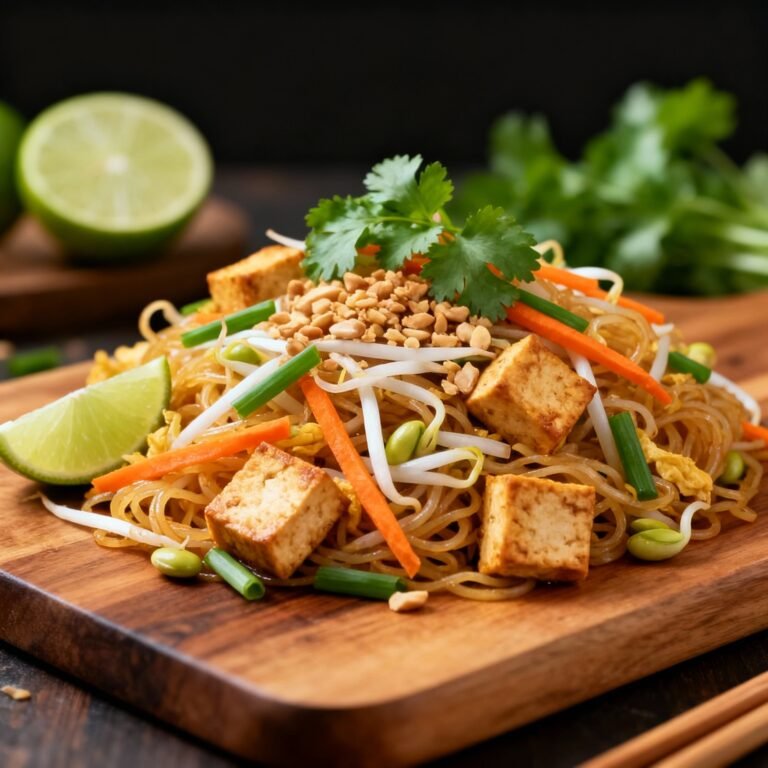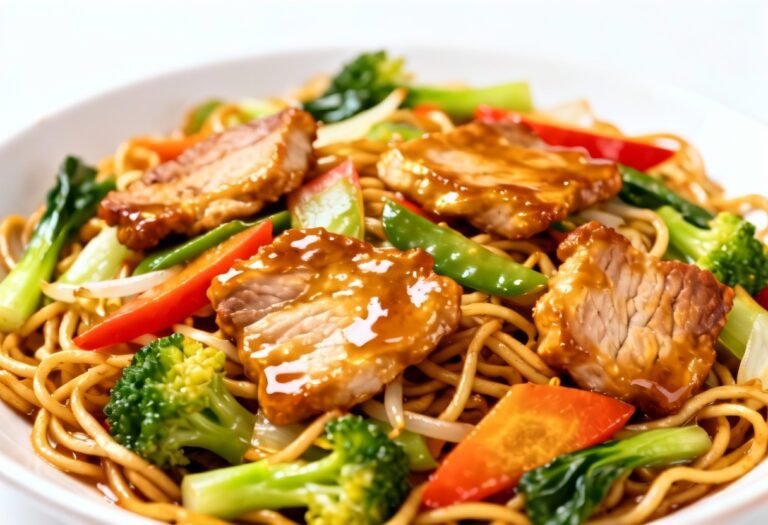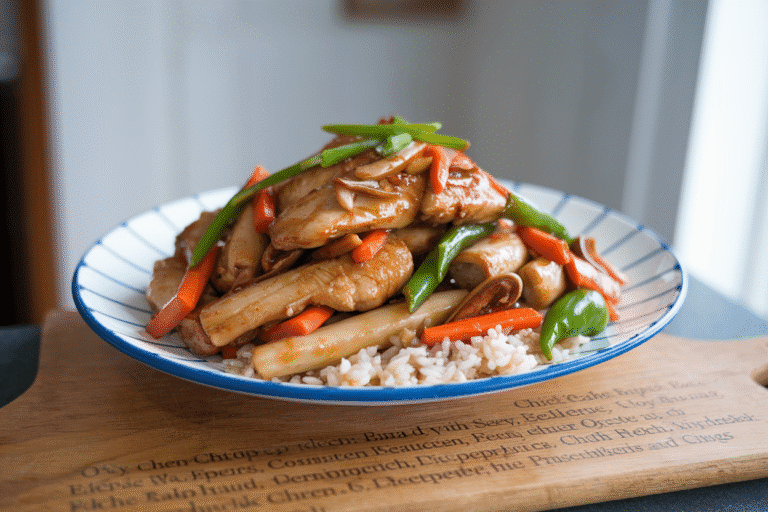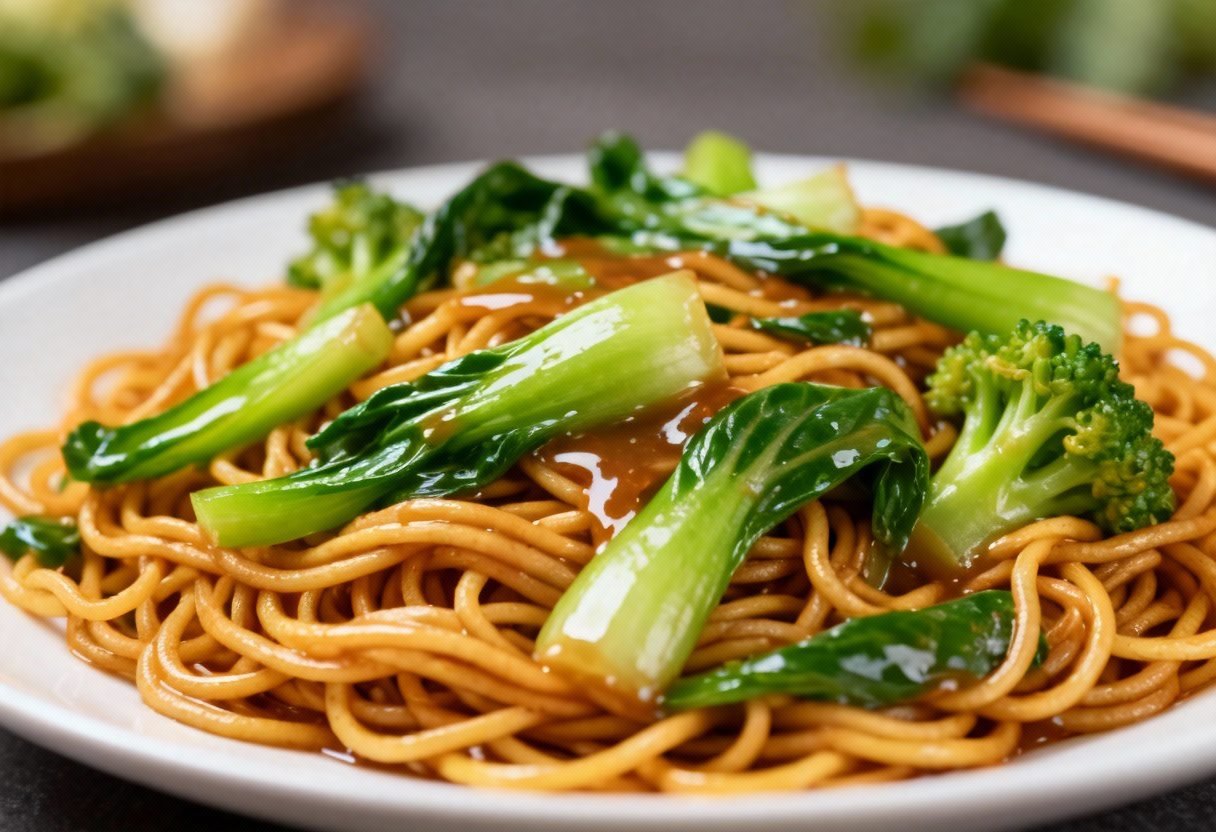
Chow Mein Recipe Vegetable: The Ultimate Weeknight Dinner
Craving a flavorful and satisfying meal that’s packed with vegetables and ready in under 30 minutes? Look no further! This vegetable chow mein recipe is your answer. It’s a customizable, healthy, and incredibly delicious way to enjoy a classic takeout favorite right in your own kitchen. Forget the greasy takeout containers – this homemade version is bursting with fresh flavors and vibrant textures. Whether you’re a seasoned cook or a beginner, this recipe is foolproof and guaranteed to become a new staple in your weeknight rotation.
Why This Recipe Works
This recipe isn’t just easy; it’s also designed for maximum flavor and texture. Here’s why it works:
- Perfectly Cooked Noodles: We’ll guide you on how to cook your chow mein noodles to al dente perfection, preventing them from becoming mushy.
- Flavorful Sauce: The sauce is a harmonious blend of soy sauce, oyster sauce (optional for vegetarian versions – see variations below), sesame oil, and a touch of sugar for balance. This creates a rich, umami-packed coating that clings to every noodle and vegetable.
- Crisp-Tender Vegetables: The key to great vegetable chow mein is perfectly cooked vegetables – crisp-tender, not soggy. We’ll show you the best way to achieve this.
- Customizable: This recipe is incredibly versatile. Feel free to swap out vegetables based on your preferences and what you have on hand. Add protein like tofu or tempeh for a heartier meal.
- Quick & Easy: From start to finish, this recipe takes less than 30 minutes, making it perfect for busy weeknights.
Ingredients
- Noodles: 1 pound fresh or dried chow mein noodles (egg noodles are a good substitute)
- Vegetable Oil: 2 tablespoons, divided (canola, vegetable, or peanut oil)
- Garlic: 2 cloves, minced
- Ginger: 1 teaspoon, minced
- Onion: 1 medium, thinly sliced
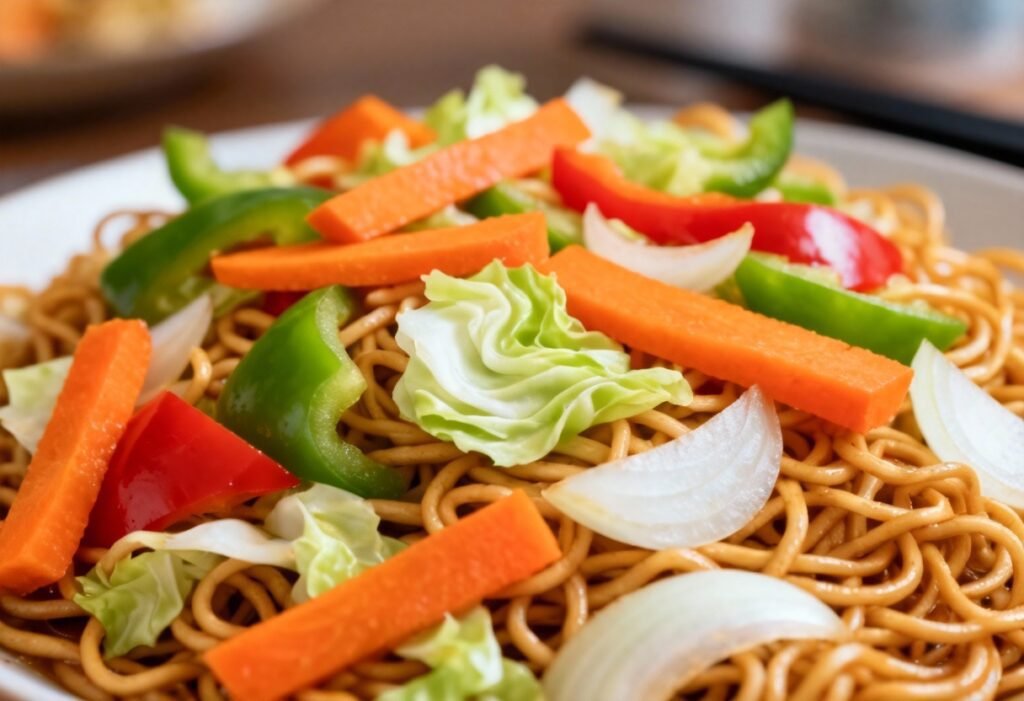
- Carrot: 1 medium, julienned
- Celery: 2 stalks, thinly sliced
- Bell Pepper: 1, thinly sliced (any color)
- Broccoli Florets: 1 cup
- Mushrooms: 1 cup, sliced (shiitake, cremini, or button mushrooms)
- Soy Sauce: 1/4 cup
- Oyster Sauce: 2 tablespoons (optional, omit for vegetarian; use mushroom soy sauce as a substitute)
- Sesame Oil: 1 tablespoon
- Brown Sugar: 1 teaspoon
- Cornstarch: 1 teaspoon
- Water: 2 tablespoons
- Green Onions: 2, thinly sliced (for garnish)
- Sesame Seeds: 1 tablespoon (for garnish, optional)
Instructions
- Cook the Noodles: Cook the chow mein noodles according to package directions. Be careful not to overcook them; they should be al dente. Drain well and toss with 1 tablespoon of vegetable oil to prevent sticking.
- Prepare the Sauce: In a small bowl, whisk together the soy sauce, oyster sauce (or mushroom soy sauce), sesame oil, brown sugar, cornstarch, and water. Set aside.
- Sauté Aromatics: Heat 1 tablespoon of vegetable oil in a large wok or skillet over medium-high heat. Add the garlic and ginger and cook for about 30 seconds, or until fragrant. Be careful not to burn them.
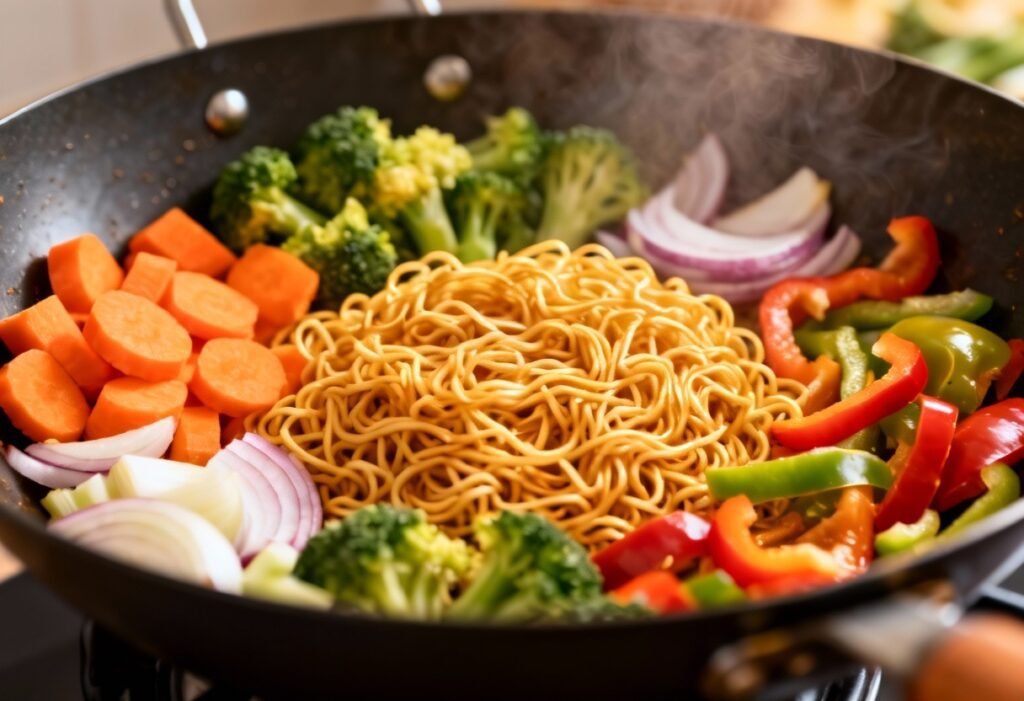
- Cook the Vegetables: Add the onion, carrot, and celery to the wok and cook for 2-3 minutes, or until slightly softened. Add the bell pepper, broccoli florets, and mushrooms and cook for another 3-4 minutes, or until the vegetables are crisp-tender. If the vegetables start to stick to the wok, add a tablespoon of water to deglaze.
- Add the Noodles and Sauce: Add the cooked noodles to the wok with the vegetables. Pour the sauce over the noodles and vegetables and toss well to combine. Cook for 2-3 minutes, or until the sauce has thickened and the noodles are heated through.
- Garnish and Serve: Remove from heat and garnish with green onions and sesame seeds (if using). Serve immediately.
Tips for Success
Here are a few tips to ensure your vegetable chow mein turns out perfectly every time:
- Don’t Overcook the Noodles: This is crucial! Overcooked noodles will become mushy and ruin the texture of the dish. Cook them al dente according to package directions.
- Prepare Ingredients in Advance: This recipe comes together quickly, so it’s best to have all your vegetables chopped and the sauce mixed before you start cooking.
- Use a Hot Wok (or Skillet): A hot wok or skillet is essential for achieving that signature “wok hei” flavor, which is a slightly smoky and charred taste. If you don’t have a wok, a large skillet will work.
- Don’t Overcrowd the Wok: Overcrowding the wok will lower the temperature and cause the vegetables to steam instead of stir-fry. Cook the vegetables in batches if necessary.
- Adjust the Sauce to Your Taste: Feel free to adjust the amount of soy sauce, oyster sauce, and brown sugar to your liking. If you prefer a spicier chow mein, add a pinch of red pepper flakes to the sauce.
- Vegetarian Variation: To make this recipe vegetarian, simply omit the oyster sauce and substitute it with mushroom soy sauce or an equal amount of regular soy sauce. You can also add some fried tofu or tempeh for protein.
- Add Protein: Feel free to add your favorite protein to this dish. Tofu, tempeh, chicken, shrimp, or beef all work well. Cook the protein separately and add it to the wok along with the vegetables.
Storage Instructions
Leftover vegetable chow mein can be stored in an airtight container in the refrigerator for up to 3 days. To reheat, microwave until heated through or stir-fry in a wok or skillet with a little oil. The noodles may become slightly softer upon reheating.
FAQ
- Can I use different vegetables? Absolutely! This recipe is very flexible. Feel free to use any vegetables you like, such as bok choy, snow peas, bean sprouts, or water chestnuts.
- Can I make this recipe ahead of time? While it’s best served fresh, you can prepare the vegetables and sauce ahead of time. Store them separately in the refrigerator and combine them when you’re ready to cook the chow mein.
- What kind of noodles should I use? Chow mein noodles are the best choice for this recipe, but egg noodles can be used as a substitute. Look for them in the Asian section of your grocery store.
- Where can I find oyster sauce? Oyster sauce is typically found in the Asian section of your grocery store.
- Can I freeze this chow mein? It’s not recommended to freeze chow mein, as the noodles can become mushy when thawed.
Conclusion
This vegetable chow mein recipe is a quick, easy, and delicious way to enjoy a classic takeout favorite at home. With its customizable ingredients and simple instructions, it’s a perfect weeknight meal that’s sure to please everyone. So ditch the takeout menus and give this recipe a try – you won’t be disappointed! Enjoy the fresh flavors and satisfying textures of homemade vegetable chow mein, made just the way you like it.