Easiest Bread Recipe No Yeast: Crusty Homemade Loaf in Under an Hour!
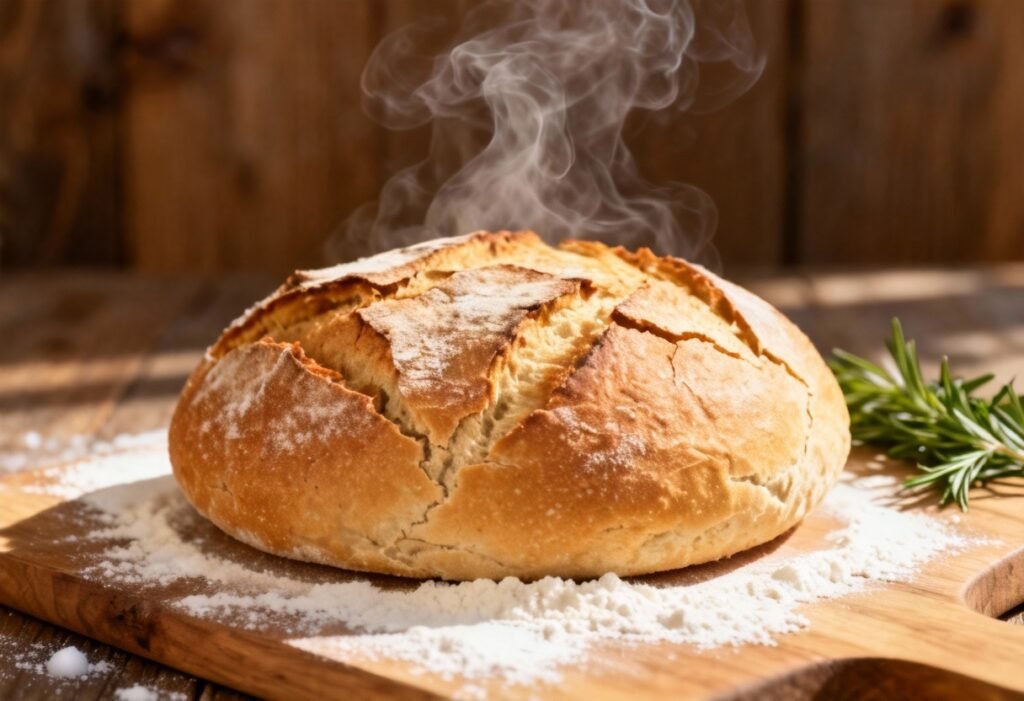
Craving the comforting aroma of freshly baked bread but don’t have yeast on hand? Or maybe you’re simply intimidated by the kneading and proving processes of traditional bread making? Fear not! This recipe delivers a delicious, crusty loaf of bread without any yeast at all. It’s so easy, even a complete beginner can master it. Get ready to impress yourself (and your taste buds) with this simple, satisfying, and incredibly quick bread recipe.
Why This Recipe Works
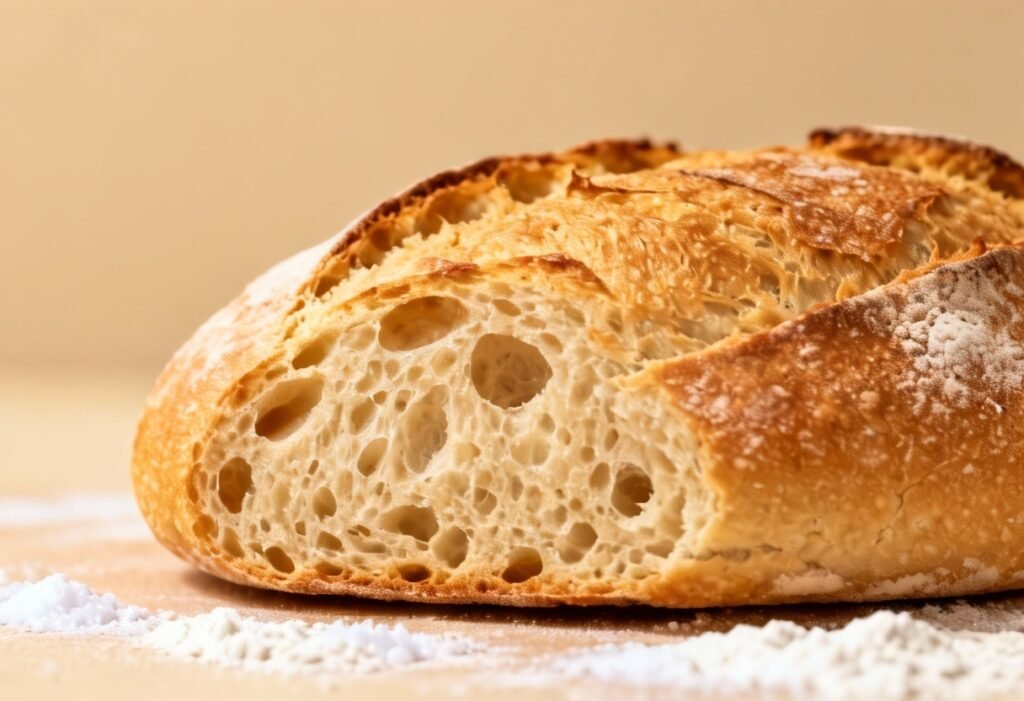
This no-yeast bread relies on baking powder as its leavening agent. Unlike yeast, which requires time and warmth to ferment and produce carbon dioxide, baking powder reacts almost immediately when mixed with liquid. This creates a rapid rise in the oven, resulting in a light and airy crumb structure. The combination of flour, baking powder, salt, and a liquid (usually buttermilk or milk) creates a simple dough that’s easy to handle and bakes to perfection in under an hour. The addition of optional ingredients like herbs or cheese can customize the flavor to your liking, making this recipe incredibly versatile. Best of all, there’s no kneading required, saving you time and effort!
Ingredients
- 3 cups (360g) All-Purpose Flour – Provides the structure of the bread.
- 4 teaspoons Baking Powder – The leavening agent, responsible for the rise.
- 1 teaspoon Salt – Enhances the flavor and controls the baking powder’s reaction.
- 1 ½ cups (360ml) Buttermilk (or Milk + 1 ½ tablespoons Lemon Juice/White Vinegar) – Adds moisture and acidity, which helps activate the baking powder and tenderizes the crumb.
- 2 tablespoons Olive Oil (Optional) – Adds richness and flavor.
- Optional Add-ins: ½ cup chopped fresh herbs (rosemary, thyme, chives), ½ cup grated cheese (cheddar, parmesan), ½ cup chopped nuts (walnuts, pecans).
Instructions
- Preheat the Oven: Preheat your oven to 400°F (200°C). Place a baking sheet in the oven to heat up while you prepare the dough. This helps create a crispier crust.
- Combine Dry Ingredients: In a large bowl, whisk together the flour, baking powder, and salt. Make sure the baking powder is evenly distributed to ensure a consistent rise.
- Add Wet Ingredients: If using buttermilk, add it directly to the dry ingredients. If using milk, add the lemon juice or white vinegar to the milk and let it sit for 5 minutes to curdle slightly. This creates a buttermilk substitute. Then, add the buttermilk (or milk mixture) and olive oil (if using) to the dry ingredients.
- Mix the Dough: Stir the ingredients together with a wooden spoon or spatula until just combined. Be careful not to overmix, as this can result in a tough bread. The dough will be slightly sticky.
- Add Optional Ingredients: If using any optional add-ins like herbs, cheese, or nuts, gently fold them into the dough until evenly distributed.
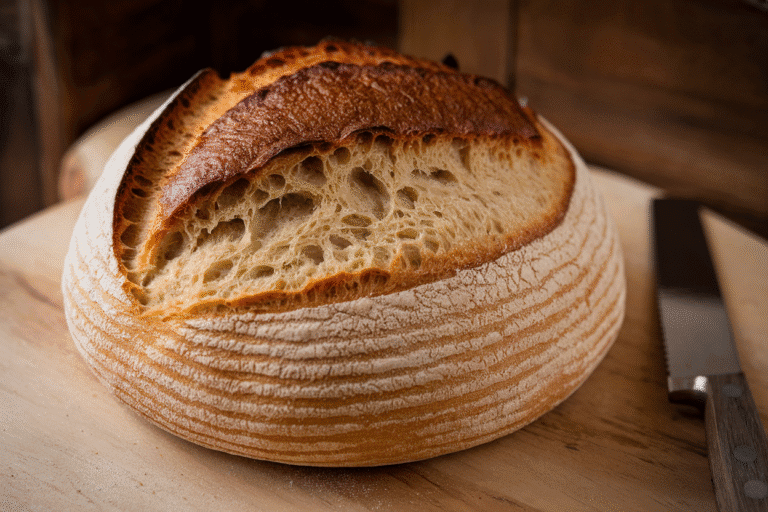
- Shape the Dough: Turn the dough out onto a lightly floured surface. Gently shape it into a round or oblong loaf. You can also score the top of the loaf with a sharp knife or razor blade to allow steam to escape during baking. This helps prevent the bread from cracking unevenly.
- Bake the Bread: Carefully remove the preheated baking sheet from the oven. Place the loaf directly onto the hot baking sheet.
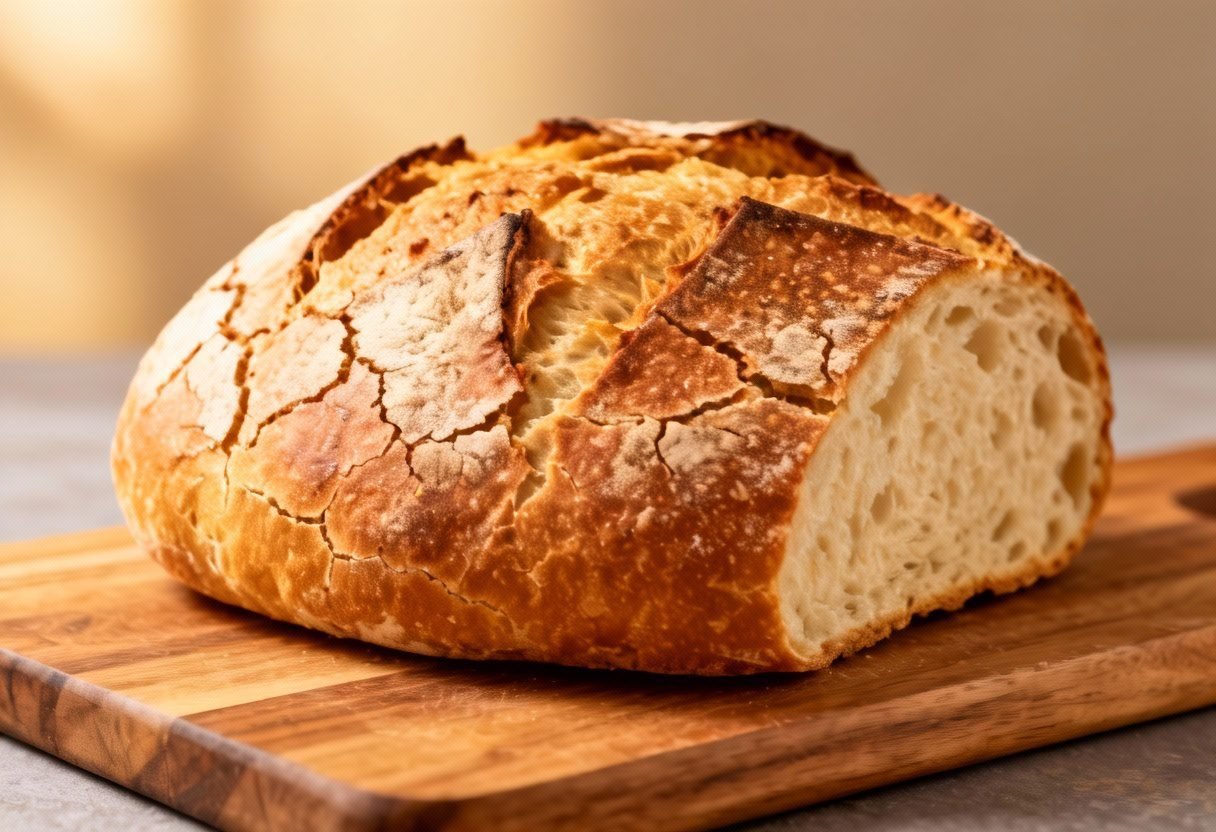
- Bake: Bake for 30-35 minutes, or until the bread is golden brown and sounds hollow when tapped on the bottom. A toothpick inserted into the center should come out clean.
- Cool: Remove the bread from the oven and let it cool on a wire rack for at least 15 minutes before slicing and serving. This allows the internal structure to set and prevents the bread from becoming gummy.
Tips for Success
- Don’t Overmix: Overmixing the dough will develop the gluten too much, resulting in a tough bread. Mix only until the ingredients are just combined.
- Use Fresh Baking Powder: Baking powder loses its potency over time. Make sure your baking powder is fresh for the best results. You can test its freshness by adding a teaspoon of baking powder to a small amount of hot water. If it fizzes vigorously, it’s good to use.
- Hot Baking Sheet: Preheating the baking sheet in the oven helps create a crispy crust.
- Scoring the Bread: Scoring the top of the loaf allows steam to escape and prevents the bread from cracking unevenly.
- Experiment with Flavors: Don’t be afraid to experiment with different herbs, cheeses, and nuts to customize the flavor of your bread. Sun-dried tomatoes, olives, or even a sprinkle of everything bagel seasoning can add a unique twist.
- Adjust Baking Time: Baking times may vary depending on your oven. Keep an eye on the bread and adjust the baking time accordingly. The bread is done when it’s golden brown and sounds hollow when tapped on the bottom.
- Buttermilk Substitute: If you don’t have buttermilk on hand, you can easily make a substitute by adding 1 ½ tablespoons of lemon juice or white vinegar to 1 ½ cups of milk. Let it sit for 5 minutes to curdle slightly before using.
Storage Instructions
This no-yeast bread is best enjoyed fresh. However, you can store it in an airtight container at room temperature for up to 2 days. To prolong its shelf life, you can also freeze the bread. Wrap it tightly in plastic wrap and then in aluminum foil or place it in a freezer bag. It can be stored in the freezer for up to 2 months. To thaw, simply let it sit at room temperature for a few hours or overnight.
FAQ
Q: Can I use self-rising flour?
A: No, this recipe is specifically formulated for all-purpose flour and baking powder. Self-rising flour already contains baking powder and salt, so using it would result in a bread that rises too much and may taste salty.
Q: Can I use whole wheat flour?
A: Yes, you can substitute up to half of the all-purpose flour with whole wheat flour. However, keep in mind that whole wheat flour will result in a denser bread.
Q: Can I make this recipe gluten-free?
A: While I haven’t specifically tested this recipe with gluten-free flour, you can try using a gluten-free all-purpose flour blend that is designed for baking. You may need to adjust the liquid slightly to achieve the right consistency.
Q: My bread is dense and gummy. What did I do wrong?
A: This is likely due to overmixing the dough or using old baking powder. Be careful not to overmix the dough and make sure your baking powder is fresh.
Q: Can I bake this bread in a loaf pan?
A: Yes, you can bake this bread in a greased 9×5 inch loaf pan. Adjust the baking time accordingly, as it may take slightly longer to bake through.
Conclusion
This no-yeast bread recipe is a game-changer for anyone who wants to enjoy fresh, homemade bread without the fuss and time commitment of traditional bread making. It’s quick, easy, and incredibly versatile, allowing you to create a variety of delicious loaves with different flavors and textures. So, ditch the store-bought bread and give this recipe a try. You’ll be amazed at how simple it is to bake a crusty, satisfying loaf of bread in under an hour!