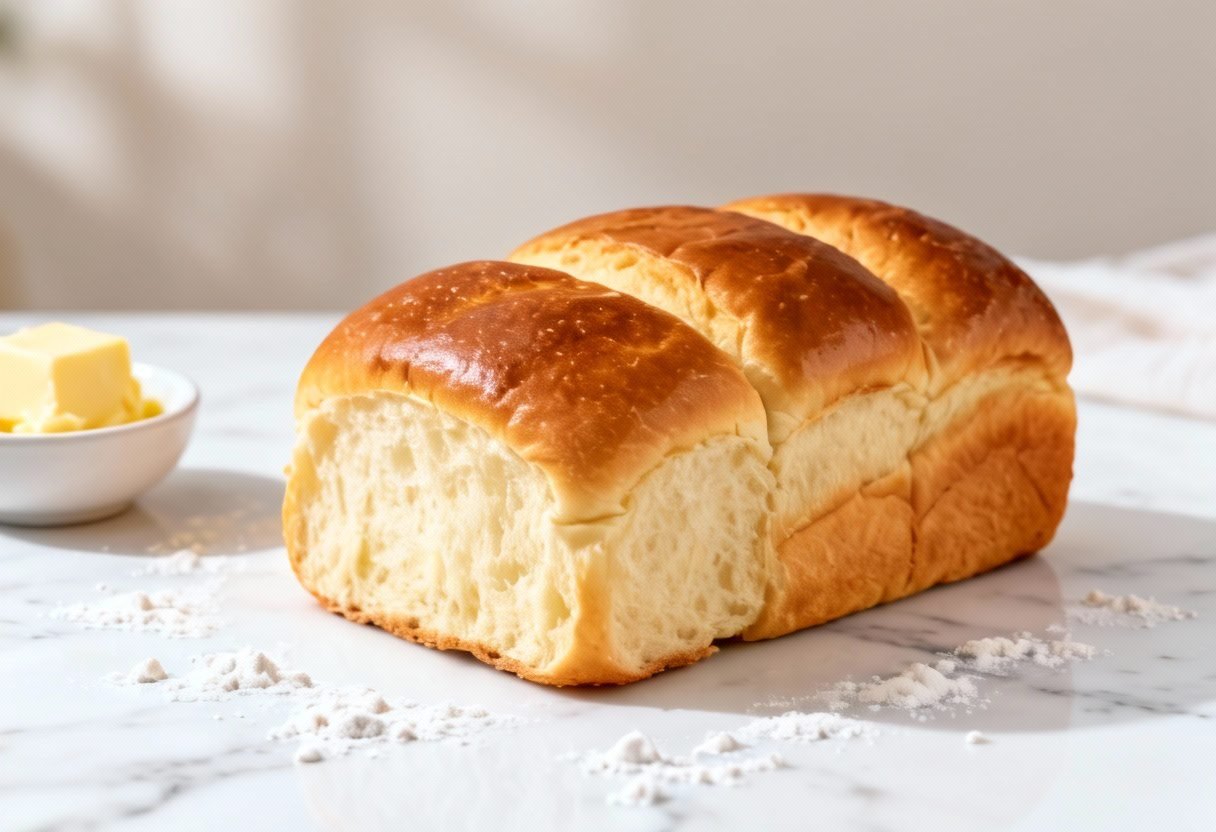
Easy Brioche Bread Recipe: Bakery-Worthy Results at Home!
Imagine sinking your teeth into a slice of golden, buttery, and slightly sweet brioche bread. Its rich, delicate crumb practically melts in your mouth. Sounds divine, right? Brioche, often considered a fancy bakery treat, might seem intimidating to make at home. But fear not! This recipe simplifies the process, making it surprisingly easy to create bakery-worthy brioche bread in your own kitchen. We’ve taken the classic techniques and streamlined them, so you can enjoy fresh, homemade brioche without spending hours toiling away. Get ready to impress your friends and family (and yourself!) with this incredibly delicious and manageable recipe. It’s perfect for breakfast toast, sandwiches, French toast, or simply enjoying on its own with a smear of your favorite jam.
Why This Recipe Works
This recipe focuses on simplicity and reliability. Here’s why it consistently delivers amazing results:
- Simplified Kneading: We use a stand mixer to do the heavy lifting, but if you don’t have one, we provide clear instructions for kneading by hand. The key is patient kneading to develop the gluten, which gives brioche its characteristic texture.
- Cold Fermentation: A long, slow rise in the refrigerator develops complex flavors and improves the texture of the dough. Don’t skip this step! It makes a huge difference.
- Balanced Ingredients: The ratio of butter, eggs, and flour is carefully calibrated to create a rich and tender crumb without being overly heavy.
- Clear Instructions: We provide detailed step-by-step instructions with photos (if possible, add photos to your own version!) to guide you through the entire process. No guesswork involved!
- Troubleshooting Tips: We address common problems and offer solutions to ensure your brioche turns out perfectly every time.
Ingredients
- 3 1/2 cups (420g) all-purpose flour, plus more for dusting
- 1/4 cup (50g) granulated sugar
- 1 teaspoon salt
- 2 1/4 teaspoons (1 packet) active dry yeast
- 1/2 cup (120ml) lukewarm milk (about 105-115°F)
- 4 large eggs, lightly beaten
- 1 cup (2 sticks or 226g) unsalted butter, softened, cut into small cubes
- 1 large egg, beaten (for egg wash)

Instructions
- Activate the Yeast: In a small bowl, combine the lukewarm milk and sugar. Sprinkle the yeast over the top and let it sit for 5-10 minutes, or until foamy. This indicates that the yeast is active.
- Combine Dry Ingredients: In the bowl of a stand mixer fitted with the dough hook attachment, combine the flour and salt.
- Add Wet Ingredients: Pour the yeast mixture and the beaten eggs into the dry ingredients. Mix on low speed until a shaggy dough forms.
- Incorporate the Butter: With the mixer still on low speed, gradually add the softened butter, a few cubes at a time, allowing each addition to be fully incorporated before adding more. This process may take 5-10 minutes. The dough will seem very wet and sticky at first, but it will come together as you continue to mix.
- Knead the Dough: Increase the mixer speed to medium-low and knead for 8-10 minutes, or until the dough is smooth, elastic, and pulls away from the sides of the bowl. If kneading by hand, turn the dough out onto a lightly floured surface and knead for 10-15 minutes.
- First Rise (Cold Fermentation): Place the dough in a lightly greased bowl, turning to coat. Cover the bowl with plastic wrap and refrigerate for at least 8 hours, or preferably overnight (up to 24 hours). This slow rise develops the flavor and texture of the brioche.
- Shape the Dough: Remove the dough from the refrigerator and gently punch it down to release the air. Turn the dough out onto a lightly floured surface. Divide the dough into 8-12 equal pieces. Roll each piece into a ball.
- Prepare the Pan: Grease a 9×5 inch loaf pan.
- Arrange the Dough in the Pan: Arrange the dough balls in the prepared loaf pan. You can arrange them in rows, or create a more random pattern.
- Second Rise (Proofing): Cover the loaf pan with plastic wrap and let it rise in a warm place for 1-2 hours, or until the dough has almost doubled in size.
- Preheat the Oven: Preheat the oven to 350°F (175°C).
- Egg Wash: Gently brush the top of the loaf with the beaten egg. This will give the brioche a beautiful golden-brown color.
- Bake: Bake for 30-35 minutes, or until the loaf is golden brown and a toothpick inserted into the center comes out clean. If the top is browning too quickly, tent it with foil.
- Cool: Let the brioche cool in the pan for 10 minutes before transferring it to a wire rack to cool completely.
Tips for Success
- Use Room Temperature Ingredients: Softened butter is crucial for proper incorporation into the dough. Make sure your eggs are also at room temperature.
- Don’t Overmix: Overmixing can lead to tough brioche. Mix until the dough just comes together and then knead until smooth and elastic.
- Be Patient with the Butter: Adding the butter gradually is essential for creating the right texture. Don’t rush this step!
- Cold Fermentation is Key: The cold fermentation process is vital for developing the flavor and texture of the brioche. Don’t skip it!
- Proofing in a Warm Place: A warm environment will help the dough rise properly during the second proofing. A slightly warm oven (turned off) or a sunny spot in your kitchen works well.
- Check for Doneness: Use a toothpick to check for doneness. If the toothpick comes out with wet dough on it, bake for a few more minutes.
Storage Instructions
Store leftover brioche bread in an airtight container at room temperature for up to 3 days. For longer storage, wrap the bread tightly in plastic wrap and freeze for up to 2 months. Thaw completely at room temperature before serving. You can also wrap individual slices for easy thawing and use.
FAQ
Q: Can I use bread flour instead of all-purpose flour?
A: Yes, you can use bread flour. It will result in a slightly chewier texture. You may need to add a tablespoon or two of water if the dough seems too dry.
Q: Can I use instant yeast instead of active dry yeast?
A: Yes, you can use instant yeast. You can skip the step of activating the yeast and add it directly to the dry ingredients.
Q: My dough is too sticky. What should I do?
A: Brioche dough is naturally sticky. Resist the urge to add too much flour. The dough will become less sticky as you knead it. If it’s still unmanageable, add a tablespoon of flour at a time until it comes together.
Q: My brioche didn’t rise. What happened?
A: There could be several reasons why your brioche didn’t rise. Make sure your yeast is active. Check the expiration date and activate it in lukewarm milk (105-115°F). Also, ensure that the dough is rising in a warm place. Cold temperatures can inhibit the yeast activity.
Q: Can I add flavorings to the brioche?
A: Absolutely! You can add zest of lemon or orange, vanilla extract, or even chocolate chips to the dough for added flavor.
Conclusion
Congratulations! You’ve just mastered the art of making easy brioche bread. This recipe is a testament to the fact that delicious, bakery-quality bread can be made at home with a little patience and the right guidance. Enjoy the fruits (or should we say, breads?) of your labor! Whether you’re serving it for a special occasion or simply enjoying a slice with your morning coffee, this homemade brioche is sure to impress. Don’t be afraid to experiment with different flavorings and variations to make it your own. Happy baking!