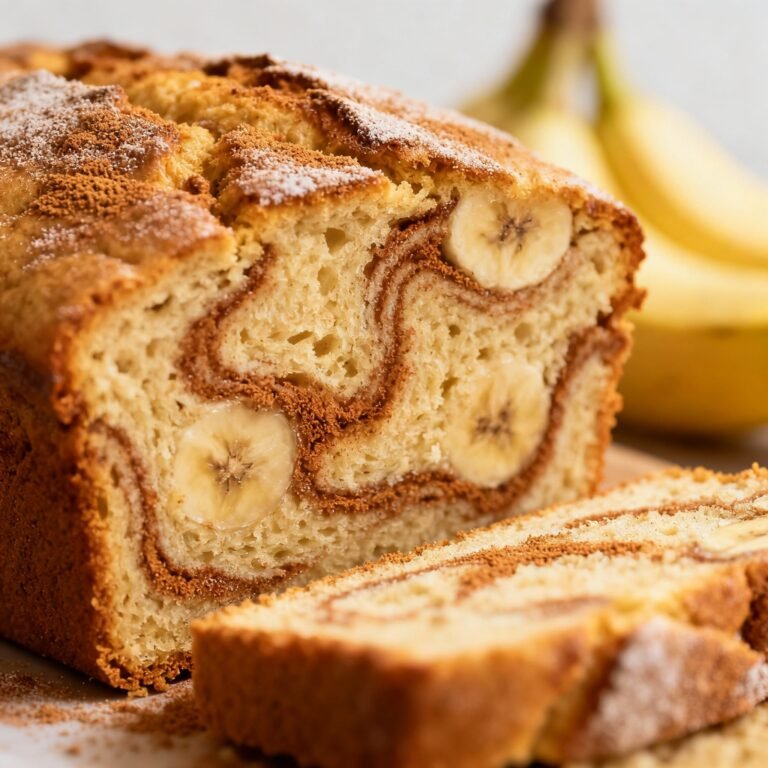
English Muffin Bread Machine Recipe: No-Knead Perfection!
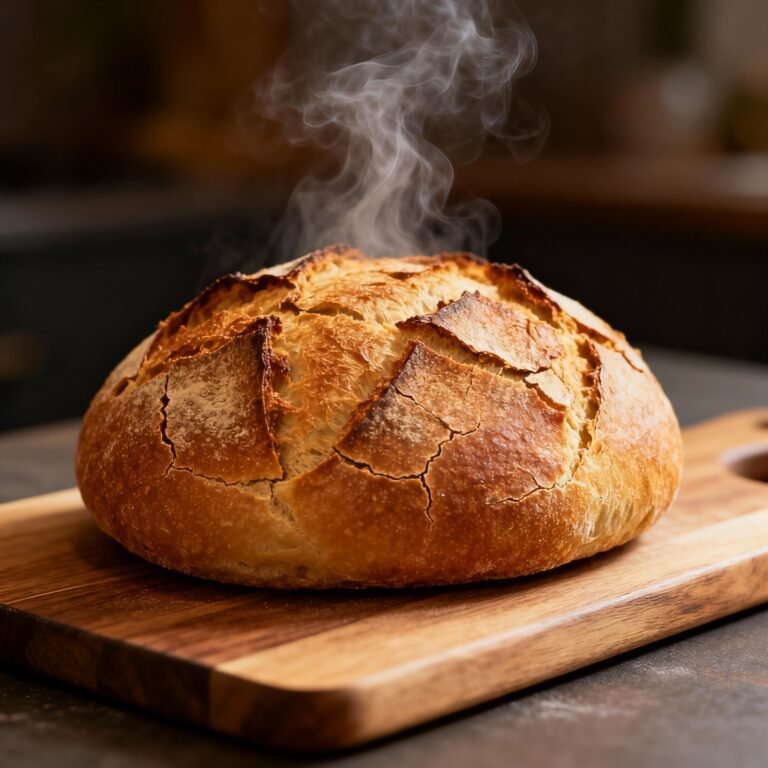
Craving the nooks and crannies of a toasted English muffin but don’t want the fuss of kneading? This English muffin bread machine recipe is your answer! Imagine waking up to the irresistible aroma of freshly baked bread, knowing that golden-brown slices with that characteristic airy texture are just moments away. This recipe transforms simple ingredients into a loaf that’s perfect for breakfast, lunch, or a satisfying snack. It’s incredibly easy, requiring minimal effort, and delivers consistently delicious results. Prepare to say goodbye to store-bought English muffins and hello to homemade goodness!
Why This Recipe Works
This recipe is designed specifically for the bread machine, taking advantage of its consistent temperature and kneading capabilities. Here’s why it works so well:
- Perfect Dough Consistency: The bread machine ensures the dough is properly mixed and proofed, resulting in a light and airy crumb.
- Temperature Control: The controlled environment of the bread machine allows the yeast to thrive, creating the signature nooks and crannies we all love.
- No-Knead Convenience: Forget the messy kneading process! The bread machine handles all the hard work, saving you time and effort.
- Customizable: This recipe is a great base, allowing you to experiment with different flours, seeds, or spices to create your own unique English muffin bread.
- Consistent Results: By following the instructions carefully, you can expect reliable and delicious results every time.
Ingredients
- 1 1/4 cups warm water (about 105-115°F)
- 2 tablespoons unsalted butter, melted
- 1 teaspoon apple cider vinegar
- 3 1/2 cups bread flour
- 2 tablespoons granulated sugar
- 1 1/2 teaspoons salt
- 2 1/4 teaspoons active dry yeast (1 packet)
- Cornmeal, for dusting

Instructions
- Add Ingredients to Bread Machine: In the order recommended by your bread machine manufacturer (usually liquids first), add the warm water, melted butter, and apple cider vinegar to the bread machine pan.
- Add Dry Ingredients: Add the bread flour, sugar, and salt to the pan. Make a well in the center of the dry ingredients and add the active dry yeast. Ensure the yeast doesn’t come into direct contact with the salt, as this can inhibit its activity.
- Select Bread Machine Settings: Select the “Basic Bread” or “White Bread” setting on your bread machine. Choose the crust color you prefer (light, medium, or dark). If your machine has a “Rapid Rise” setting, avoid using it for this recipe; a slower rise allows for better flavor development. Set the loaf size to 1.5 or 2 pounds, depending on your machine’s capacity and desired loaf size.
- Start the Bread Machine: Close the lid and press the “Start” button to begin the baking process.
- Monitor the Dough (Optional): After about 5-10 minutes of kneading, check the dough consistency. It should be slightly sticky but not overly wet. If it seems too dry, add a tablespoon of water at a time until the dough forms a smooth ball. If it’s too wet, add a tablespoon of flour at a time.
- Remove from Bread Machine: Once the bread machine cycle is complete, carefully remove the bread pan. Use oven mitts, as the pan will be hot.
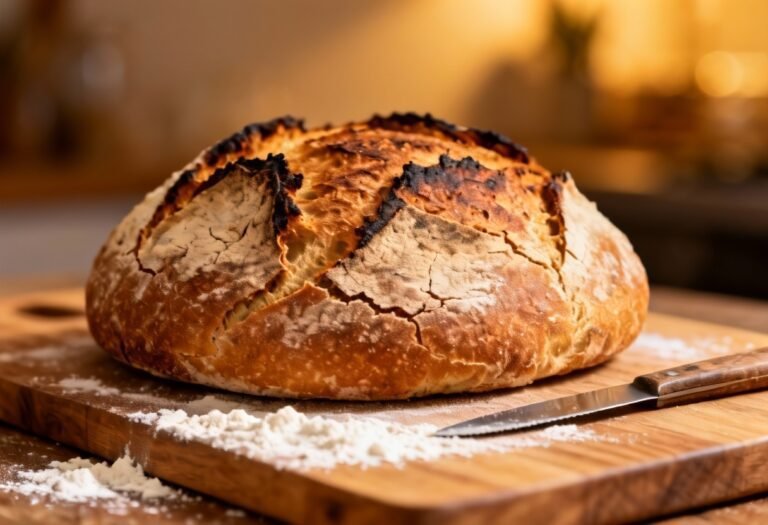
- Cool the Bread: Turn the pan upside down and gently shake to release the bread. If the bread doesn’t release easily, use a spatula to loosen the sides. Place the loaf on a wire rack to cool completely before slicing. Cooling completely is crucial for easy slicing and preventing a gummy texture. Dust the top of the loaf with cornmeal while it’s still slightly warm for added texture and flavor.
- Slice and Enjoy: Once the bread is completely cooled, use a serrated bread knife to slice it into even slices. Toast and enjoy with your favorite toppings!
Tips for Success
- Use Fresh Ingredients: Ensure your yeast is fresh for optimal rising. Expired yeast will result in a dense loaf.
- Accurate Measurements: Precise measurements are crucial for bread baking. Use measuring cups and spoons specifically designed for baking.
- Water Temperature: The water should be warm (105-115°F) to activate the yeast properly. Too hot and it will kill the yeast; too cold and it won’t activate.
- Don’t Overload the Machine: Avoid exceeding the bread machine’s maximum capacity. Overfilling the pan can lead to a messy and unevenly baked loaf.
- Monitor the Dough: Keep an eye on the dough during the kneading process to ensure it has the right consistency. Adjust the water or flour as needed.
- Cool Completely: Resist the temptation to slice the bread while it’s still warm. Cooling completely allows the crumb to set and prevents a gummy texture.
- Experiment with Flavors: Add seeds (poppy, sesame, sunflower), spices (cinnamon, nutmeg), or herbs (rosemary, thyme) to customize your English muffin bread.
- Toast for Best Results: While delicious on its own, this bread is best enjoyed toasted. Toasting brings out the signature nooks and crannies and enhances the flavor.
Storage Instructions
- Room Temperature: Store the cooled bread in an airtight container or bread bag at room temperature for up to 3 days.
- Freezer: For longer storage, slice the bread and wrap each slice individually in plastic wrap. Place the wrapped slices in a freezer bag and freeze for up to 2 months. Thaw at room temperature before toasting.
FAQ
Q: Can I use all-purpose flour instead of bread flour?
A: While you can use all-purpose flour, bread flour is recommended for its higher protein content, which results in a chewier texture and better rise. If using all-purpose flour, you may need to add a tablespoon or two of vital wheat gluten to improve the texture.
Q: My bread machine doesn’t have a “Basic Bread” setting. What should I use?
A: Look for a setting that is designed for white bread or a similar type of loaf. Avoid using settings that are specifically for sweet breads or whole wheat breads, as these may have different kneading and rising times.
Q: Why is my bread dense and not airy?
A: Several factors can contribute to a dense loaf, including using expired yeast, not using enough yeast, inaccurate measurements, or not allowing the dough to rise properly. Make sure your yeast is fresh, measure ingredients accurately, and follow the instructions carefully.
Q: Can I add cheese to this recipe?
A: Yes! Add about 1/2 to 1 cup of shredded cheese (cheddar, Monterey Jack, or your favorite) to the bread machine pan along with the dry ingredients. Be sure to distribute it evenly.
Q: My bread is sticking to the pan. What can I do?
A: Make sure to grease the bread pan thoroughly before adding the ingredients. You can also try lining the bottom of the pan with parchment paper. If the bread still sticks, let it cool for a few minutes before attempting to remove it.
Conclusion
This English muffin bread machine recipe offers a simple and convenient way to enjoy the taste and texture of homemade English muffins without the hassle of traditional kneading. With just a few simple ingredients and a bread machine, you can create a delicious and satisfying loaf that’s perfect for breakfast, lunch, or any time of day. So, dust off your bread machine, gather your ingredients, and get ready to experience the joy of freshly baked English muffin bread!