Freezer Salsa Recipe with Fresh Tomatoes: Garden Fresh Flavor All Year Round!
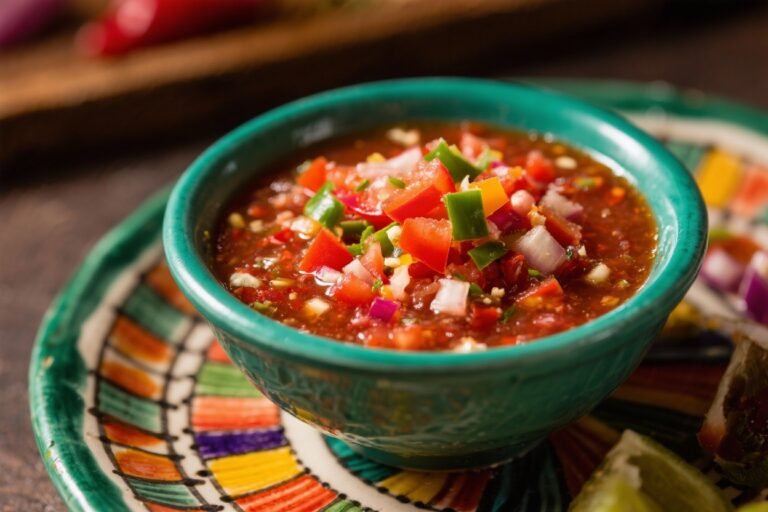
Imagine biting into a vibrant, flavorful salsa bursting with the taste of summer, even in the dead of winter. That’s the magic of this freezer salsa recipe! Using fresh, ripe tomatoes, you can capture the essence of your garden’s bounty and enjoy homemade salsa whenever the craving strikes. This isn’t your watery, store-bought salsa; this is a chunky, zesty, and incredibly delicious taste of sunshine, ready to liven up tacos, nachos, grilled meats, or simply be enjoyed with a bag of your favorite tortilla chips.
Why This Recipe Works
This freezer salsa recipe is a winner for several reasons:
- Freshness First: Using fresh, in-season tomatoes is the key to amazing flavor. The sweetness and juiciness of ripe tomatoes shine through, creating a salsa that’s far superior to anything you can buy in a jar.
- Customizable Heat: Control the spice level to your liking! Whether you prefer a mild, medium, or fiery salsa, you can easily adjust the amount of jalapeños (or other peppers) to achieve your perfect level of heat.
- Freezer-Friendly: This recipe is specifically designed for freezing, allowing you to preserve your summer harvest and enjoy fresh-tasting salsa throughout the year.
- Simple and Straightforward: No complicated techniques or fancy equipment are required. This recipe is easy enough for beginner cooks to master.
- Versatile: This salsa is delicious on its own, but it’s also a fantastic addition to countless dishes. Use it as a topping for tacos, burritos, and enchiladas, or as a flavorful marinade for chicken or fish.
- Cost-Effective: Making your own salsa is often cheaper than buying it, especially when you use homegrown or locally sourced tomatoes.
Ingredients
- Fresh Tomatoes: 6 pounds, Roma or other meaty variety preferred. Canned tomatoes are not recommended for this recipe, as they will result in a different texture after freezing.
- Onion: 1 large, white or yellow, finely chopped.
- Jalapeños: 2-4, seeded and minced (adjust to your spice preference). Remember, you can always add more heat, but you can’t take it away! Serrano peppers can be used for even more heat.
- Garlic: 4-6 cloves, minced.
- Cilantro: 1 cup, chopped.
- Lime Juice: 1/2 cup, freshly squeezed. This is crucial for flavor and also helps preserve the salsa.
- White Vinegar: 1/4 cup. Helps with preservation and adds a touch of tang.
- Ground Cumin: 1 teaspoon.
- Salt: 1-2 tablespoons, or to taste.
- Sugar: 1 teaspoon (optional, but helps balance the acidity).
Instructions
- Prepare the Tomatoes: Wash and core the tomatoes. There are a few ways to prepare them for salsa:
- Option 1 (Blanching): Bring a large pot of water to a boil. Score an “X” on the bottom of each tomato. Drop the tomatoes into the boiling water for 30-60 seconds, or until the skins start to peel. Immediately transfer them to a bowl of ice water to stop the cooking process. Peel the skins off. This method makes for a smoother salsa.
- Option 2 (Roasting): Preheat your oven to 400°F (200°C). Cut the tomatoes in half and place them cut-side up on a baking sheet. Roast for 20-30 minutes, or until the skins are slightly charred and the tomatoes are softened. Let them cool slightly before handling. This method adds a smoky flavor to the salsa.
- Option 3 (Raw): If you have excellent quality, ripe tomatoes, you can skip the blanching or roasting and simply chop them. This will result in the freshest, most vibrant flavor, but the salsa may be slightly more watery after freezing.
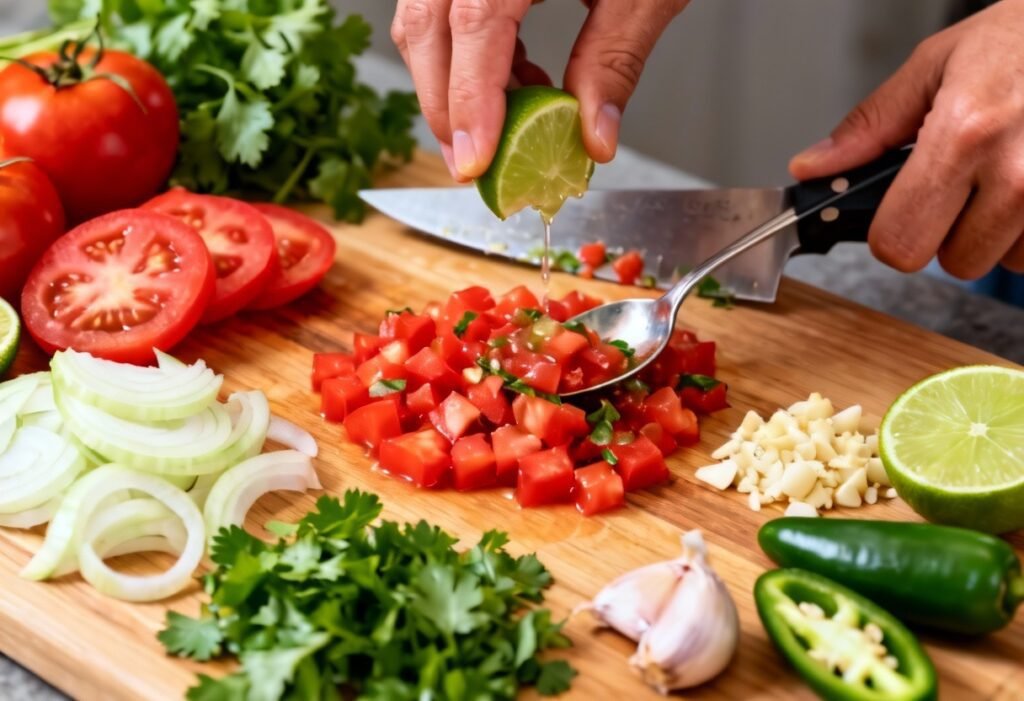
- Chop the Vegetables: Finely chop the onion, jalapeños (remove seeds for less heat), garlic, and cilantro.
- Combine Ingredients: In a large bowl, combine the prepared tomatoes (chopped or pulsed in a food processor to your desired consistency), onion, jalapeños, garlic, cilantro, lime juice, white vinegar, cumin, salt, and sugar (if using).
- Taste and Adjust: Taste the salsa and adjust the seasonings as needed. Add more salt, lime juice, or jalapeños to achieve your desired flavor profile.
- Pack for Freezing: Ladle the salsa into freezer-safe containers or zip-top freezer bags. Leave about 1/2 inch of headspace in each container or bag to allow for expansion during freezing.
- Seal and Freeze: Seal the containers tightly or press out as much air as possible from the freezer bags before sealing. Label each container or bag with the date and contents. Freeze for up to 6 months.
Tips for Success
- Use Ripe Tomatoes: The riper the tomatoes, the sweeter and more flavorful your salsa will be. Look for tomatoes that are firm but yield slightly to gentle pressure.
- Seed the Jalapeños: Removing the seeds from the jalapeños will significantly reduce the heat of the salsa.
- Don’t Over-Process: If using a food processor, be careful not to over-process the salsa. You want it to be chunky, not pureed.
- Cool Completely Before Freezing: Allowing the salsa to cool completely before freezing will help prevent ice crystals from forming.
- Use Freezer-Safe Containers: Using freezer-safe containers or bags will help prevent freezer burn and maintain the quality of the salsa.
- Thaw Properly: Thaw the salsa in the refrigerator overnight for the best results.
- Drain Excess Liquid: After thawing, you may notice some excess liquid in the salsa. You can drain this off before serving.
- Add Fresh Cilantro After Thawing: For the freshest flavor, add a handful of fresh cilantro to the salsa after it has thawed.
Storage Instructions
Freezing: Store in freezer-safe containers or bags for up to 6 months.
Thawing: Thaw in the refrigerator overnight. Drain any excess liquid before serving.
Refrigerated (After Thawing): Once thawed, the salsa should be stored in an airtight container in the refrigerator and consumed within 3-5 days.

FAQ
Can I use canned tomatoes? While you can use canned tomatoes, the texture will be different after freezing. Fresh tomatoes are highly recommended for the best results.
Can I use other types of peppers? Absolutely! Feel free to experiment with different types of peppers, such as serranos, habaneros, or even bell peppers for a milder flavor.
Can I add other vegetables? Yes! Corn, black beans, or bell peppers are great additions to this salsa.
Why is my salsa watery after thawing? This is normal. Tomatoes release water as they thaw. Simply drain off the excess liquid before serving.
Can I freeze this salsa in glass jars? Yes, you can, but be sure to use freezer-safe glass jars and leave plenty of headspace to prevent them from breaking. Wide-mouth jars are generally better for freezing.
How do I know if my salsa has gone bad? Look for signs of spoilage, such as mold, a sour smell, or a slimy texture. If you notice any of these, discard the salsa.
Conclusion
This freezer salsa recipe is a simple and delicious way to enjoy the taste of fresh tomatoes all year round. With its customizable heat and easy-to-follow instructions, it’s a recipe that anyone can master. So, gather your fresh tomatoes, grab your favorite tortilla chips, and get ready to experience the joy of homemade salsa!