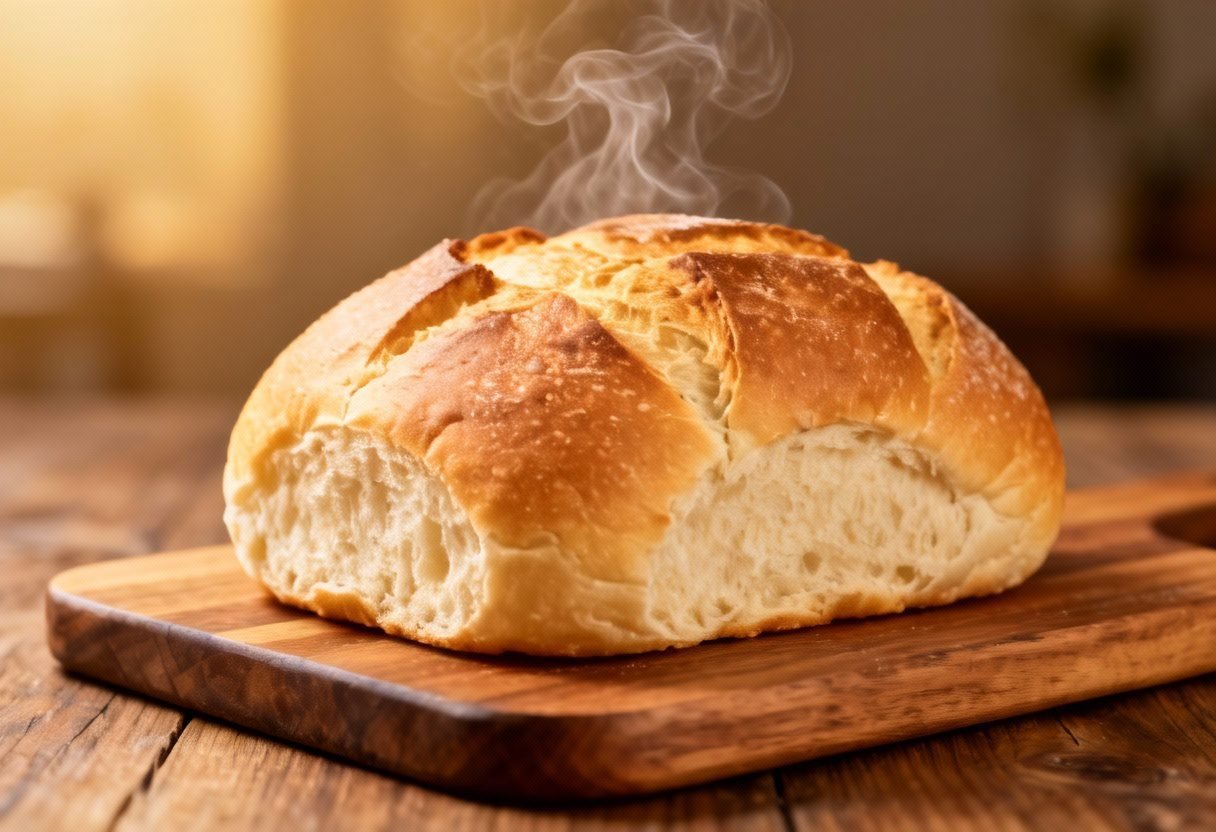
Fresh Bread Recipe Homemade: The Easiest Loaf You’ll Ever Bake
There’s nothing quite like the smell of freshly baked bread wafting through your home. It’s a scent that evokes comfort, warmth, and a sense of accomplishment. But the thought of baking bread from scratch can often seem daunting, filled with complicated techniques and endless kneading. What if I told you that you could have a perfectly crusty, soft-crumbed loaf of homemade bread with minimal effort? This recipe is designed to be incredibly simple, even for the most novice baker. Forget the store-bought stuff – prepare to impress yourself (and your family!) with this foolproof fresh bread recipe. Get ready to experience the pure joy of truly homemade bread, without the fuss.
Why This Recipe Works
This recipe prioritizes simplicity and accessibility. We’ve eliminated unnecessary steps and focused on the core elements that create a delicious loaf. Here’s why it works so well:
- Simple Ingredients: You probably already have most of these ingredients in your pantry. We’re using basic pantry staples like flour, water, yeast, salt, and a touch of sugar.
- No-Knead Method: Forget hours of kneading! This recipe utilizes a long, slow fermentation process to develop gluten, resulting in a flavorful and chewy bread without the elbow grease.
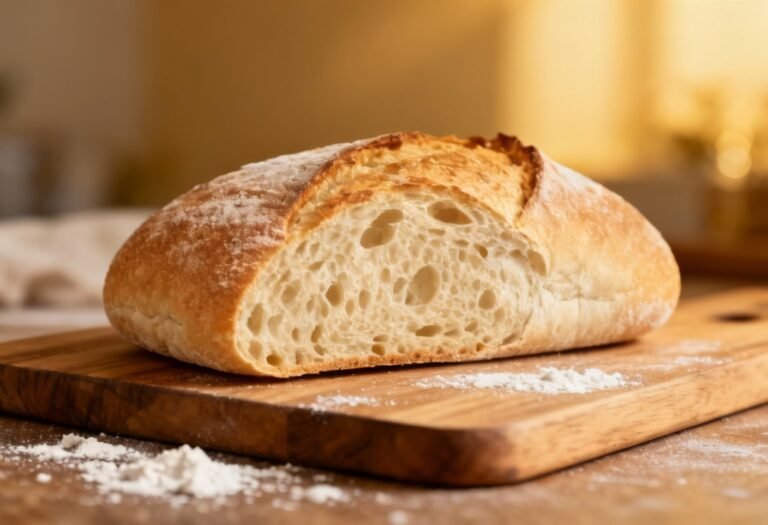
- High Hydration: The high water content in this dough creates a wonderfully open crumb structure and a delightfully crusty exterior.
- Oven Temperature: Baking at a high temperature with steam (easily achieved at home!) is key to achieving that perfect crust.
- Beginner-Friendly: The instructions are clear, concise, and easy to follow, making this recipe perfect for anyone new to bread baking.
Ingredients
- 3 cups (384g) all-purpose flour, plus more for dusting
- 1 3/4 cups (420ml) lukewarm water (around 105-115°F or 40-46°C)
- 1 1/2 teaspoons (6g) active dry yeast or instant yeast
- 1 1/2 teaspoons (9g) salt
- 1 tablespoon (12g) granulated sugar (optional, but it helps activate the yeast)
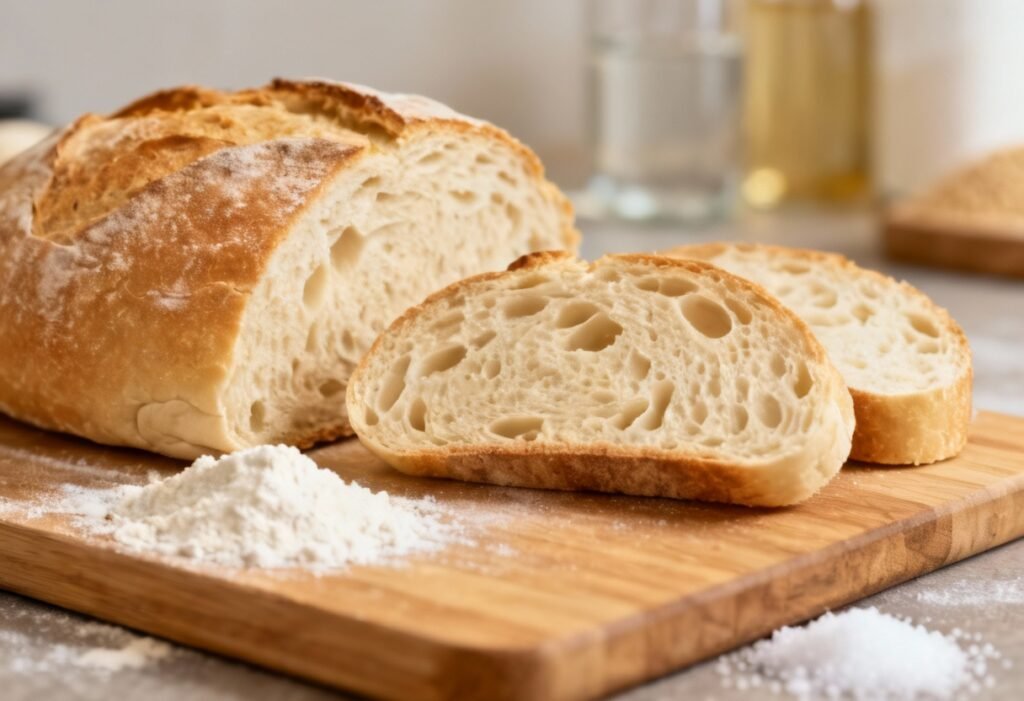
Instructions
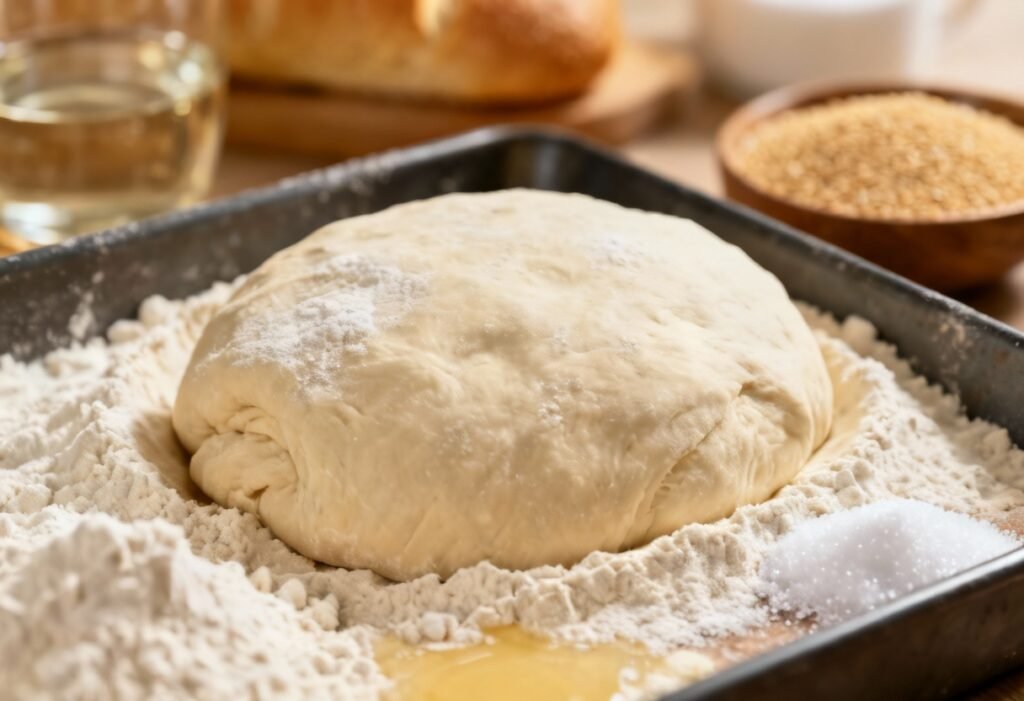
- Combine Ingredients: In a large bowl, whisk together the flour, yeast, salt, and sugar (if using). Add the lukewarm water and stir until a shaggy dough forms. It will be sticky, and that’s okay!
- First Rise (Bulk Fermentation): Cover the bowl tightly with plastic wrap or a damp kitchen towel. Let the dough rise in a warm place for 12-18 hours, or until it has doubled or tripled in size. The longer the rise, the more flavorful the bread will be.
- Shape the Dough: Gently turn the dough out onto a heavily floured surface. Be careful not to deflate it too much. Shape it into a round or oval loaf. You can do this by gently folding the edges of the dough towards the center, then flipping it over and shaping it into a ball.
- Second Rise (Proofing): Line a bowl with a clean kitchen towel and dust it generously with flour (or use rice flour to prevent sticking). Carefully place the shaped dough into the prepared bowl, seam-side up. Cover with the overhanging edges of the towel. Let it proof for 1-2 hours, or until it has almost doubled in size.
- Preheat the Oven: About 30 minutes before the end of the proofing time, preheat your oven to 450°F (232°C) with a Dutch oven (with the lid on) inside. The Dutch oven is crucial for creating steam and a crispy crust. If you don’t have a Dutch oven, see the “Tips for Success” section.
- Score the Dough: Carefully remove the hot Dutch oven from the oven. Remove the lid. Gently invert the dough from the bowl into the hot Dutch oven. Score the top of the dough with a sharp knife or lame. This allows the bread to expand properly during baking. A simple slash or an “X” works well.
- Bake: Cover the Dutch oven and bake for 30 minutes. Then, remove the lid and bake for another 15-20 minutes, or until the crust is deeply golden brown and the internal temperature reaches 200-210°F (93-99°C).
- Cool: Carefully remove the bread from the Dutch oven and let it cool completely on a wire rack before slicing and enjoying. This is crucial for allowing the crumb to set properly.
Tips for Success
- Water Temperature: Lukewarm water is essential for activating the yeast. Too hot, and it will kill the yeast; too cold, and it won’t activate properly. Use a thermometer to ensure the water is between 105-115°F (40-46°C).
- Flour Power: While all-purpose flour works well, bread flour will give you a slightly chewier texture.
- Don’t Over-Knead (Because You’re Not Kneading!): The beauty of this recipe is the no-knead method. Over-mixing the dough can actually develop too much gluten and result in a tough bread.
- The Warm Place: A warm environment is crucial for the dough to rise properly. A slightly warm oven (turned off!), a sunny windowsill, or even the top of your refrigerator can work well.
- Dutch Oven Alternative: If you don’t have a Dutch oven, you can still bake this bread! Preheat your oven to 450°F (232°C) with a baking stone or baking sheet inside. Before placing the dough on the hot surface, create steam by placing a pan of hot water on the bottom rack of the oven. Be careful when adding the water, as it will create a lot of steam.
- Scoring Matters: Scoring the dough allows it to expand properly in the oven. If you don’t score it, the bread may burst in an unpredictable way.
- Cooling is Key: Resist the urge to slice into the bread while it’s still hot! Allowing it to cool completely allows the crumb to set properly, resulting in a better texture.
Storage Instructions
This homemade bread is best enjoyed fresh, but it can be stored for several days. Here’s how:
- Room Temperature: Store the bread in a bread box or loosely wrapped in a clean kitchen towel at room temperature for up to 2-3 days.
- Freezing: For longer storage, you can freeze the bread. Slice it first, then wrap the slices individually in plastic wrap and place them in a freezer bag. You can also freeze the whole loaf, tightly wrapped in plastic wrap and then aluminum foil. Frozen bread will keep for up to 2-3 months. To thaw, simply remove the desired amount of bread and let it thaw at room temperature. You can also toast the slices directly from frozen.
FAQ
Q: Can I use whole wheat flour?
A: Yes, you can substitute up to half of the all-purpose flour with whole wheat flour. Keep in mind that whole wheat flour absorbs more water, so you may need to add a little extra water to the dough.
Q: My dough didn’t rise. What happened?
A: Several factors can affect the rise of the dough. Make sure your yeast is fresh and active. The water should be lukewarm, not too hot or too cold. Also, the temperature of your environment plays a role. A colder environment will slow down the rise.
Q: My bread is dense. What did I do wrong?
A: A dense bread can be caused by several factors, including not enough rise time, not enough water in the dough, or over-handling the dough during shaping.
Q: Can I add herbs or other flavorings to the dough?
A: Absolutely! Feel free to experiment with different herbs, spices, or even cheese. Add them to the dough when you’re mixing the ingredients.
Conclusion
This fresh bread recipe is a game-changer. It’s simple, satisfying, and delivers incredible results every time. The aroma alone is worth the effort, and the taste of a warm, crusty slice of homemade bread is simply divine. So, ditch the store-bought loaves and embark on your bread-baking journey today. You’ll be amazed at how easy and rewarding it is to create your own delicious bread at home. Happy baking!