Gluten-Free Au Jus Recipe: Rich, Savory, and Simple!
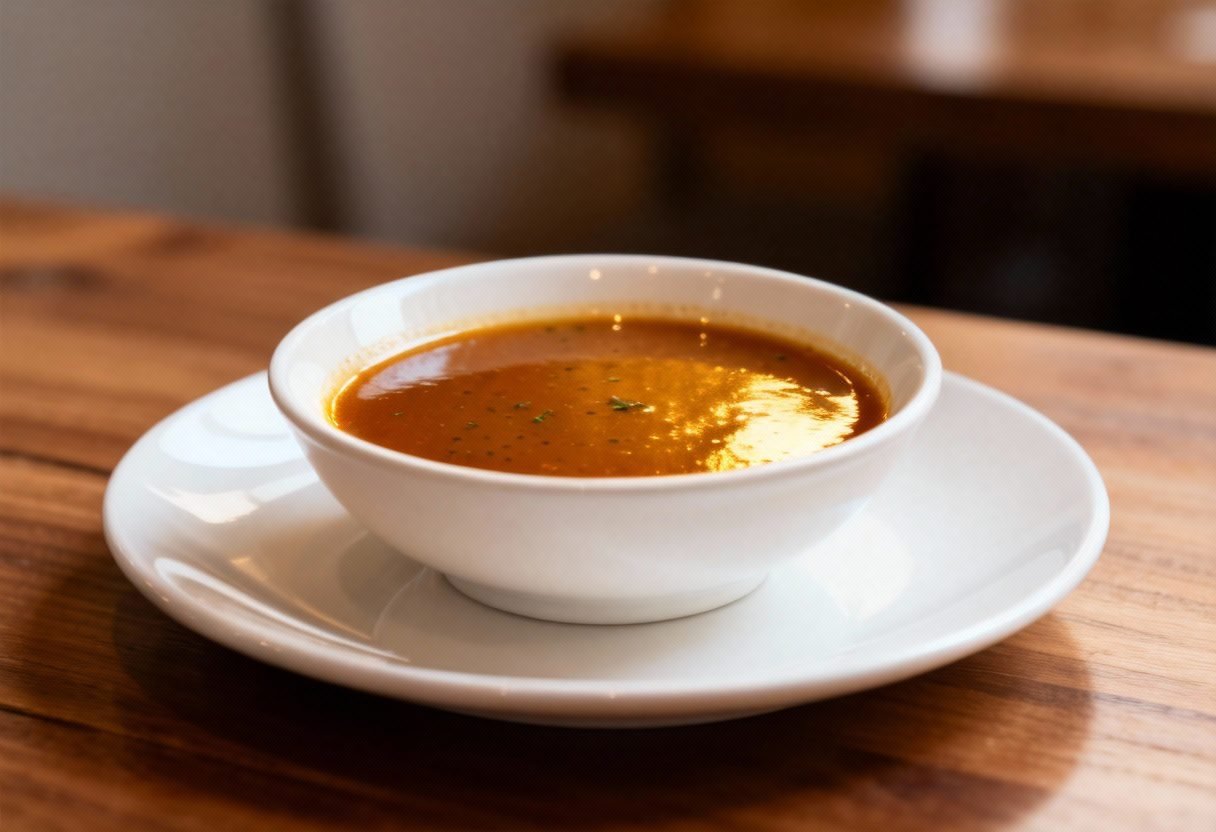
Craving a classic French dip sandwich but need a gluten-free option? Or maybe you just want a decadent sauce to drizzle over your roast beef, prime rib, or even mashed potatoes? Look no further! This gluten-free au jus recipe delivers all the rich, savory flavor you expect, without the gluten. It’s surprisingly easy to make, requires minimal ingredients, and will elevate your next meal from ordinary to extraordinary. Prepare to be amazed by how simple it is to achieve such a deeply flavorful sauce. This recipe eliminates the need for flour or other gluten-containing thickeners, relying instead on a slow simmer and natural reduction to concentrate the delicious beefy essence. Get ready to impress your family and friends with this foolproof, gluten-free au jus!
Why This Recipe Works
This recipe works because it focuses on building flavor from the ground up. Instead of relying on pre-made mixes or gluten-containing thickeners, we use high-quality beef broth, aromatics, and a slow simmering process to create a naturally rich and deeply flavorful au jus. Here’s a breakdown of why each element contributes to the success of this recipe:
- High-Quality Beef Broth: The foundation of any good au jus is excellent beef broth. Opt for a low-sodium broth to control the saltiness of the final product. Homemade beef broth is, of course, ideal, but a good store-bought option works perfectly well.
- Beef Drippings (Optional, but Recommended): If you’re making au jus alongside a roast, using the drippings from the roast adds an unparalleled depth of flavor. The rendered fat and caramelized bits from the roast contain concentrated beefy goodness that will take your au jus to the next level.
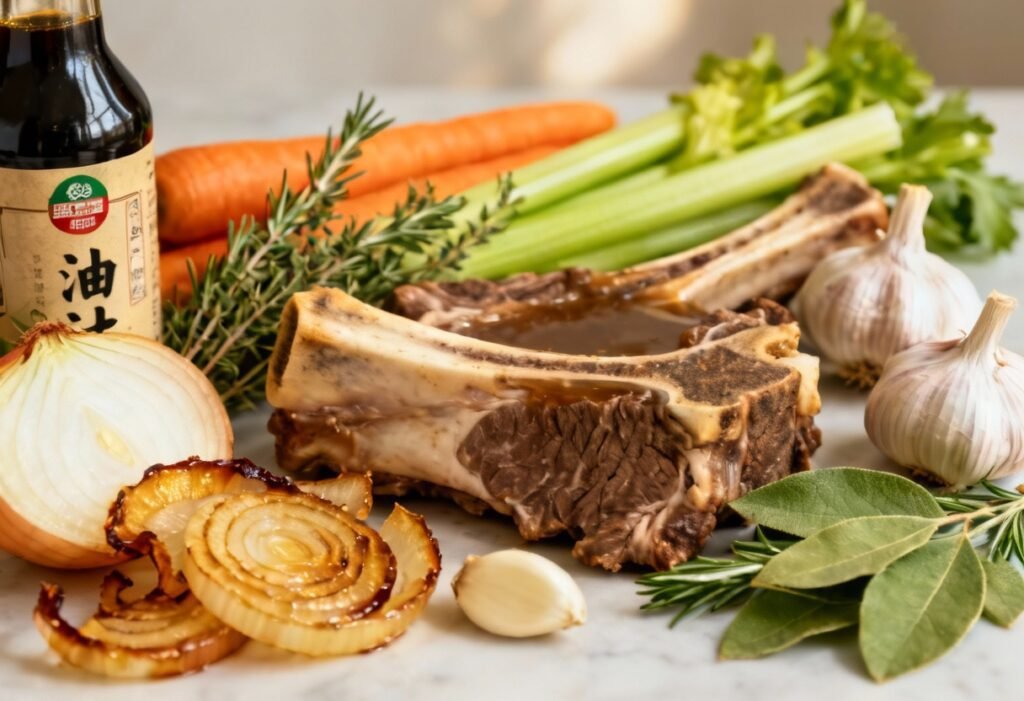
- Aromatics: Onions, garlic, and herbs like thyme and bay leaf infuse the broth with subtle yet essential flavors. These aromatics create a complex and balanced flavor profile that complements the beef.
- Worcestershire Sauce: A key ingredient for adding umami and depth. Ensure you use a gluten-free Worcestershire sauce to keep the recipe compliant. Many brands offer gluten-free versions readily available in most supermarkets.
- Red Wine Vinegar (or Sherry Vinegar): A splash of acidity balances the richness of the beef and cuts through any potential heaviness. It brightens the flavors and adds a subtle tang.
- Slow Simmering and Reduction: The slow simmering process allows the flavors to meld and deepen while the reduction concentrates the sauce, creating a richer, more intense flavor and a slightly thickened consistency without the need for gluten-containing thickeners.
Ingredients
- 4 cups low-sodium beef broth
- 1 tablespoon beef drippings (optional, but highly recommended)
- 1 medium yellow onion, chopped
- 2 cloves garlic, minced
- 1 tablespoon gluten-free Worcestershire sauce
- 1 tablespoon red wine vinegar (or sherry vinegar)
- 1 teaspoon dried thyme
- 1 bay leaf
- Salt and freshly ground black pepper to taste
Instructions
- Sauté the Aromatics: In a medium saucepan or Dutch oven, heat the beef drippings (if using) over medium heat. If not using drippings, use a tablespoon of olive oil or other cooking oil. Add the chopped onion and cook until softened and translucent, about 5-7 minutes.
- Add Garlic: Add the minced garlic and cook for another minute, until fragrant, being careful not to burn it.
- Deglaze the Pan (If Using Drippings): If you used beef drippings, deglaze the pan by pouring in a small amount of beef broth (about 1/4 cup) and scraping up any browned bits from the bottom of the pan. These bits are packed with flavor!
- Add Remaining Ingredients: Pour in the remaining beef broth, gluten-free Worcestershire sauce, red wine vinegar, dried thyme, and bay leaf. Season with salt and pepper to taste. Remember that the broth will reduce, so start with less salt and add more later if needed.
- Simmer and Reduce: Bring the mixture to a gentle simmer over medium-low heat. Reduce the heat to low and simmer uncovered for at least 30-45 minutes, or up to an hour, or until the sauce has reduced by about one-third and has thickened slightly. The longer it simmers, the richer and more flavorful it will become.
- Strain (Optional): For a smoother au jus, strain the sauce through a fine-mesh sieve to remove the onions, garlic, thyme, and bay leaf. This step is optional, but it will result in a more refined texture.
- Adjust Seasoning: Taste the au jus and adjust the seasoning as needed. Add more salt, pepper, or Worcestershire sauce to taste. A tiny pinch of sugar can also help balance the flavors if needed.
- Serve: Serve the warm au jus with your favorite roast beef, prime rib, French dip sandwiches, or any other dish that would benefit from a rich and savory sauce.
Tips for Success
- Use High-Quality Ingredients: The better the ingredients, the better the final product. Don’t skimp on the beef broth or Worcestershire sauce.
- Don’t Rush the Simmering Process: The slow simmering is crucial for developing the rich flavor of the au jus. Resist the urge to turn up the heat.
- Taste and Adjust Seasoning: Seasoning is key! Taste the au jus frequently throughout the cooking process and adjust the salt, pepper, and other seasonings as needed.
- Deglaze the Pan Thoroughly: If using beef drippings, make sure to deglaze the pan completely to capture all the flavorful browned bits.
- Skim Off Any Scum: As the au jus simmers, you may notice some scum forming on the surface. Skim this off with a spoon to ensure a clearer and cleaner-tasting sauce.
- Don’t Over-Reduce: Be careful not to reduce the au jus too much, or it will become too salty. Aim for a slightly thickened consistency that coats the back of a spoon.
Storage Instructions
Refrigerator: Leftover au jus can be stored in an airtight container in the refrigerator for up to 3-4 days. Reheat gently on the stovetop or in the microwave before serving.
Freezer: Au jus can also be frozen for longer storage. Allow the au jus to cool completely before transferring it to a freezer-safe container or freezer bag. Freeze for up to 2-3 months. Thaw overnight in the refrigerator before reheating.

FAQ
Q: Can I make this recipe ahead of time?
A: Yes! In fact, making it a day or two ahead of time allows the flavors to meld even further. Store it in the refrigerator until ready to use.
Q: Can I use chicken broth instead of beef broth?
A: While you can use chicken broth, it will significantly alter the flavor of the au jus. Beef broth is highly recommended for the most authentic taste.
Q: I don’t have red wine vinegar. What else can I use?
A: Sherry vinegar is a good substitute for red wine vinegar. You can also use balsamic vinegar, but use it sparingly as it has a stronger flavor. A squeeze of lemon juice can also add a touch of acidity.
Q: Can I add other herbs or spices?
A: Absolutely! Feel free to experiment with other herbs and spices, such as rosemary, oregano, or a pinch of red pepper flakes for a little heat.
Q: Is all Worcestershire sauce gluten-free?
A: No, not all Worcestershire sauce is gluten-free. Be sure to check the label and choose a brand that specifically states it is gluten-free.
Conclusion
This gluten-free au jus recipe is a simple yet incredibly flavorful way to elevate your meals. Whether you’re serving it with roast beef, prime rib, or French dip sandwiches, this rich and savory sauce is sure to impress. By using high-quality ingredients, following the simple instructions, and taking your time with the simmering process, you can create a restaurant-quality au jus that is both gluten-free and utterly delicious. So, ditch the pre-made mixes and give this recipe a try – you won’t be disappointed!