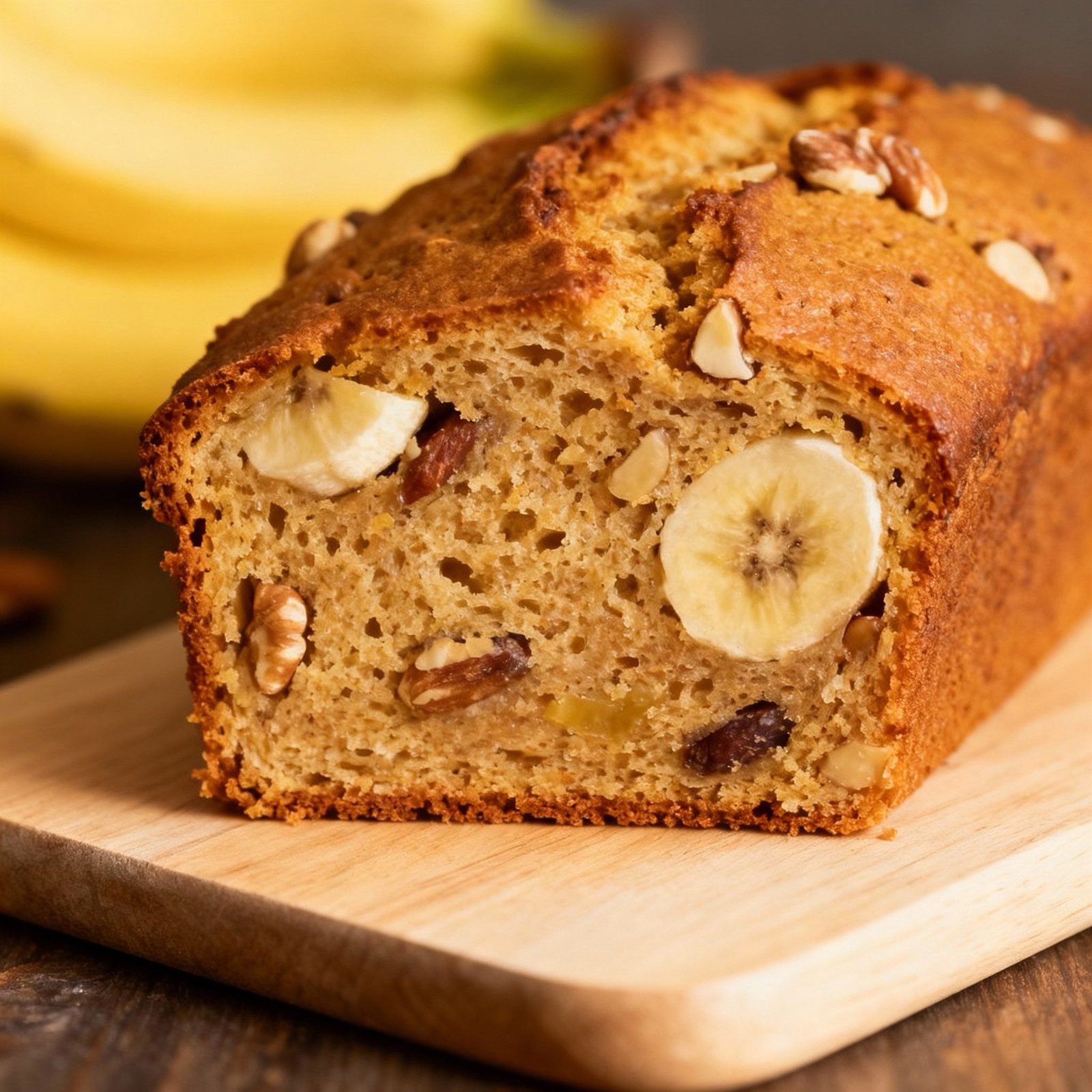
Homemade Banana Bread Recipe: The Ultimate Comfort Bake
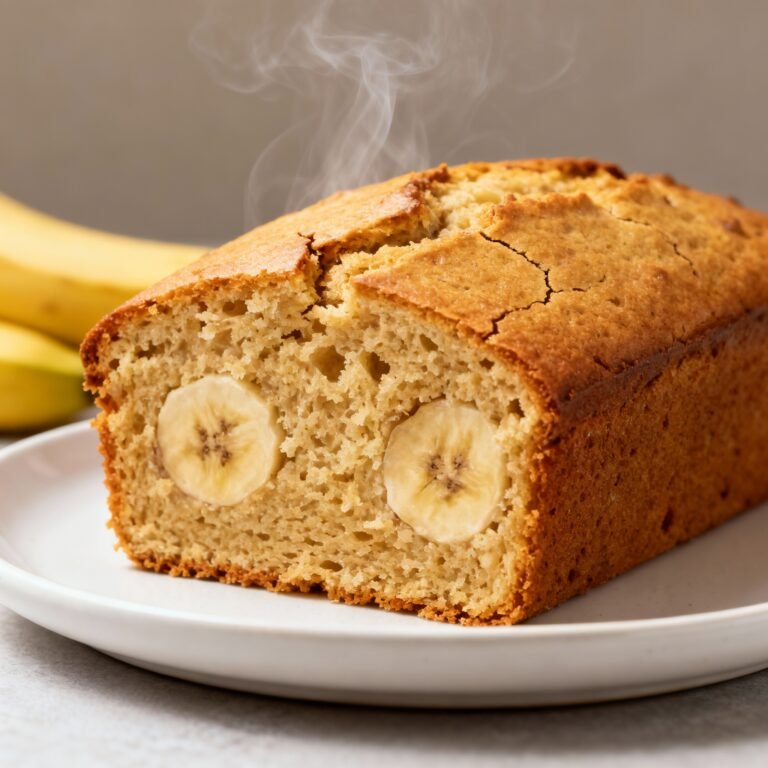
Is there anything quite as comforting as the aroma of freshly baked banana bread wafting through your kitchen? It’s a scent that evokes memories of cozy mornings, warm kitchens, and simple pleasures. This isn’t just any banana bread recipe; it’s the banana bread recipe. It’s the one you’ll turn to time and time again, the one that consistently yields a moist, flavorful loaf that’s perfect for breakfast, a snack, or even a simple dessert. We’ve perfected the ratios, tested the methods, and tweaked the details to bring you a banana bread that’s guaranteed to be a crowd-pleaser. So, grab those overripe bananas, preheat your oven, and let’s get baking!
Why This Recipe Works
What sets this banana bread apart from the rest? It’s all about the science of baking. We’ve carefully considered each ingredient and its role in creating the perfect texture and flavor:
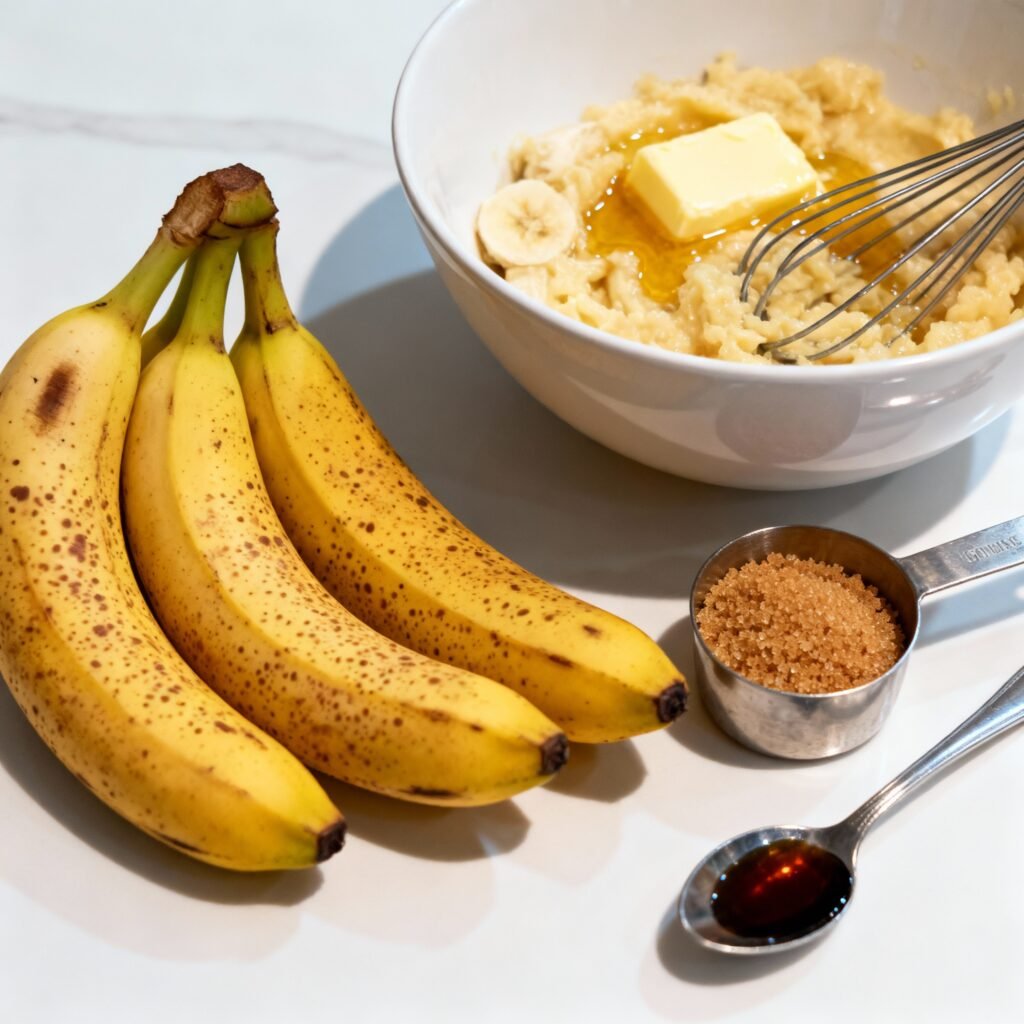
- Ripe Bananas: The riper, the better! Overripe bananas are sweeter, softer, and easier to mash, contributing to both the flavor and moisture of the bread. Those brown spots are your friend!
- Melted Butter: Using melted butter instead of softened butter creates a denser, moister crumb. It also adds a richness that’s hard to resist.
- Brown Sugar: Brown sugar adds a molasses-like flavor that complements the bananas beautifully and contributes to a softer texture.
- Sour Cream: This secret ingredient adds tanginess and moisture, resulting in a loaf that’s incredibly tender. You can substitute plain Greek yogurt if needed.
- Baking Soda & Baking Powder: This combination ensures a good rise and a light, airy texture.
- Vanilla Extract: A touch of vanilla enhances all the other flavors and adds a warm, inviting aroma.
Ingredients
- 3 very ripe bananas, mashed
- 1/3 cup melted unsalted butter
- 3/4 cup brown sugar, packed
- 1 large egg
- 1/4 cup sour cream
- 1 teaspoon vanilla extract
- 1 1/2 cups all-purpose flour
- 1 teaspoon baking soda
- 1/2 teaspoon baking powder
- 1/4 teaspoon salt
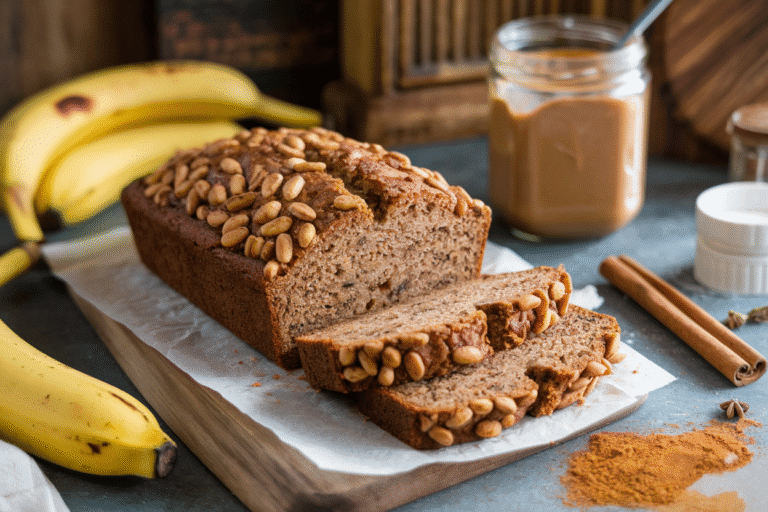
- Optional: 1/2 cup chopped walnuts or pecans, chocolate chips
Instructions
- Preheat and Prepare: Preheat your oven to 350°F (175°C). Grease and flour a 9×5 inch loaf pan. This prevents the bread from sticking and ensures easy removal.
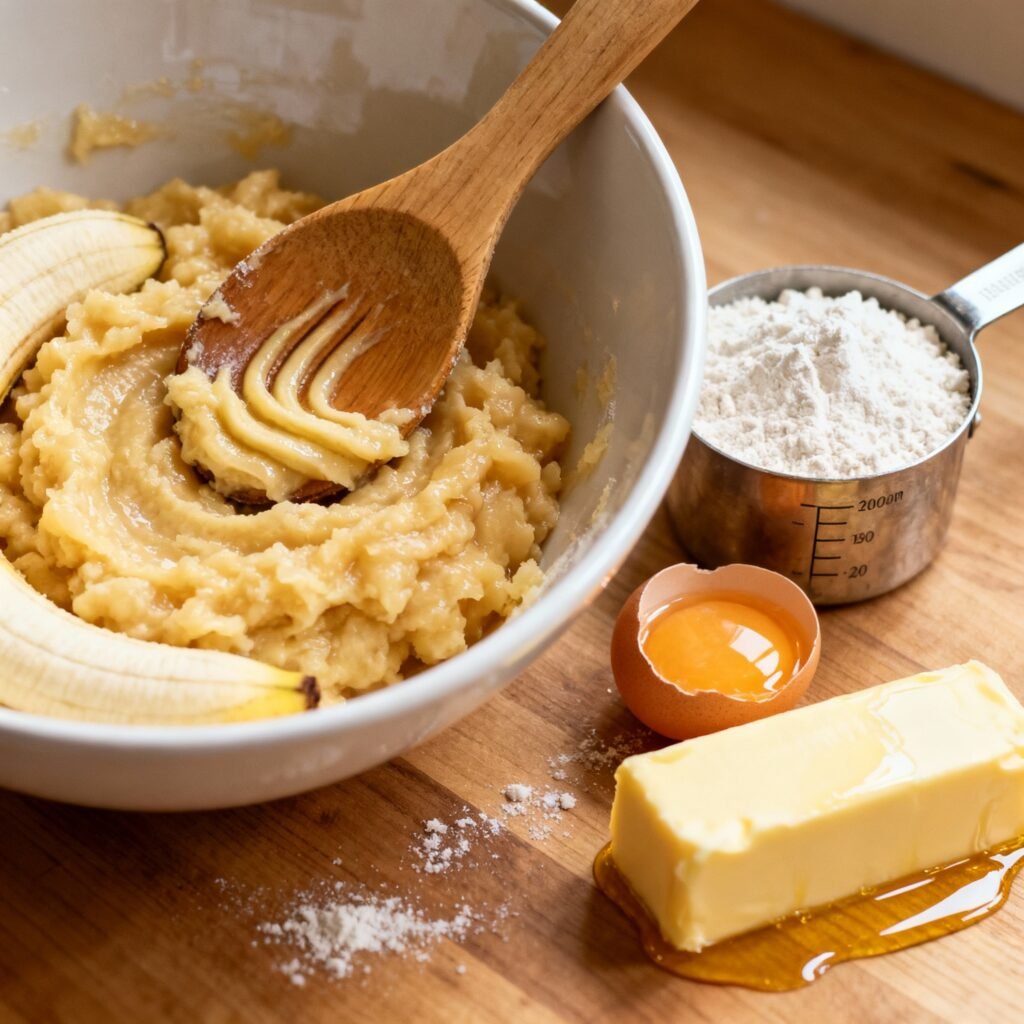
- Mash the Bananas: In a large bowl, mash the ripe bananas with a fork until mostly smooth. A few small lumps are fine.
- Combine Wet Ingredients: Add the melted butter, brown sugar, egg, sour cream, and vanilla extract to the mashed bananas. Mix well until combined. The mixture might look a little curdled, but don’t worry, it will all come together.
- Whisk Dry Ingredients: In a separate bowl, whisk together the flour, baking soda, baking powder, and salt. Whisking ensures that the leavening agents are evenly distributed.
- Combine Wet and Dry Ingredients: Gradually add the dry ingredients to the wet ingredients, mixing until just combined. Be careful not to overmix, as this can lead to a tough bread. A few streaks of flour are okay.
- Add Optional Ingredients: If using, gently fold in the chopped nuts or chocolate chips.
- Pour into Pan: Pour the batter into the prepared loaf pan and spread evenly.
- Bake: Bake for 50-60 minutes, or until a wooden skewer inserted into the center comes out clean or with a few moist crumbs attached. Start checking for doneness around 50 minutes.
- Cool: Let the banana bread cool in the pan for 10 minutes before transferring it to a wire rack to cool completely. This prevents the bottom from becoming soggy.
- Slice and Enjoy: Once completely cooled, slice and enjoy!
Tips for Success
Here are a few extra tips to ensure your banana bread turns out perfectly every time:
- Use Very Ripe Bananas: This is the most important tip! The riper the bananas, the sweeter and more flavorful your bread will be. Look for bananas with plenty of brown spots.
- Don’t Overmix: Overmixing develops the gluten in the flour, resulting in a tough bread. Mix until just combined.
- Measure Flour Accurately: Use the spoon and level method to measure your flour. Spoon the flour into the measuring cup and then level it off with a knife. This prevents you from using too much flour, which can lead to a dry bread.
- Check for Doneness: Use a wooden skewer to check for doneness. Insert the skewer into the center of the bread. If it comes out clean or with a few moist crumbs attached, the bread is done.
- Don’t Overbake: Overbaking will result in a dry bread. Start checking for doneness around 50 minutes and bake until the skewer test is successful.
- Let it Cool Completely: Resist the urge to slice into the bread while it’s still warm. Letting it cool completely allows the flavors to meld and the texture to set.
- Experiment with Add-ins: Feel free to add other ingredients to your banana bread, such as chocolate chips, nuts, dried fruit, or spices.
Storage Instructions
To keep your banana bread fresh, store it properly:
- Room Temperature: Store cooled banana bread in an airtight container at room temperature for up to 3 days.
- Refrigerator: For longer storage, wrap the banana bread tightly in plastic wrap and store it in the refrigerator for up to a week.
- Freezer: To freeze banana bread, wrap it tightly in plastic wrap and then in aluminum foil. Freeze for up to 2-3 months. Thaw overnight in the refrigerator before serving.
FAQ
Here are some frequently asked questions about banana bread:
- Can I use a different type of flour? Yes, you can substitute whole wheat flour for up to half of the all-purpose flour. Keep in mind that whole wheat flour will result in a denser bread.
- Can I make this recipe gluten-free? Yes, you can use a gluten-free all-purpose flour blend. Be sure to use a blend that contains xanthan gum.
- Can I add nuts? Absolutely! Walnuts and pecans are popular choices. Add about 1/2 cup of chopped nuts to the batter.
- Can I reduce the sugar? You can reduce the sugar slightly, but keep in mind that sugar contributes to the moisture and texture of the bread.
- My banana bread is dry. What did I do wrong? Overbaking is the most common cause of dry banana bread. Be sure to check for doneness frequently and don’t overbake. Using too much flour can also lead to a dry bread.
- My banana bread is gummy. What did I do wrong? Undercooking is the most common cause of gummy banana bread. Be sure to bake the bread until a wooden skewer inserted into the center comes out clean or with a few moist crumbs attached.
Conclusion
This homemade banana bread recipe is a classic for a reason. It’s easy to make, incredibly delicious, and perfect for any occasion. Whether you’re looking for a quick breakfast, a satisfying snack, or a comforting dessert, this banana bread is sure to hit the spot. So, go ahead and bake a loaf (or two!), and enjoy the simple pleasures of homemade goodness. Happy baking!