No Egg Cake Recipe: Deliciously Simple & Surprisingly Moist!
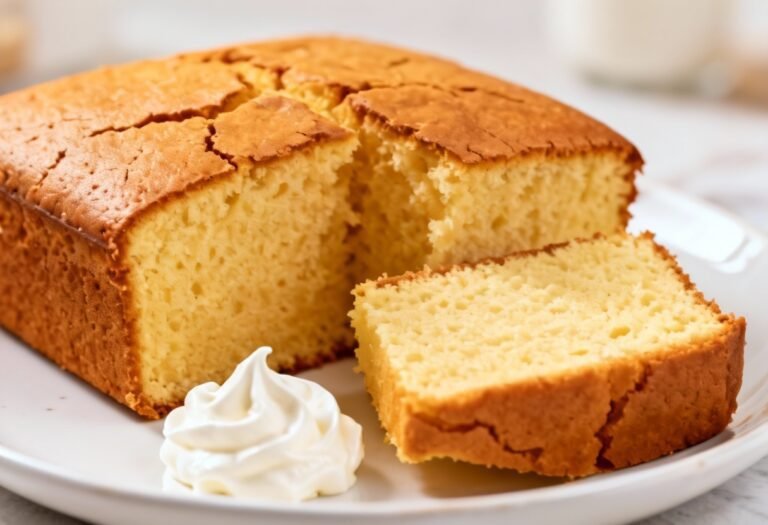
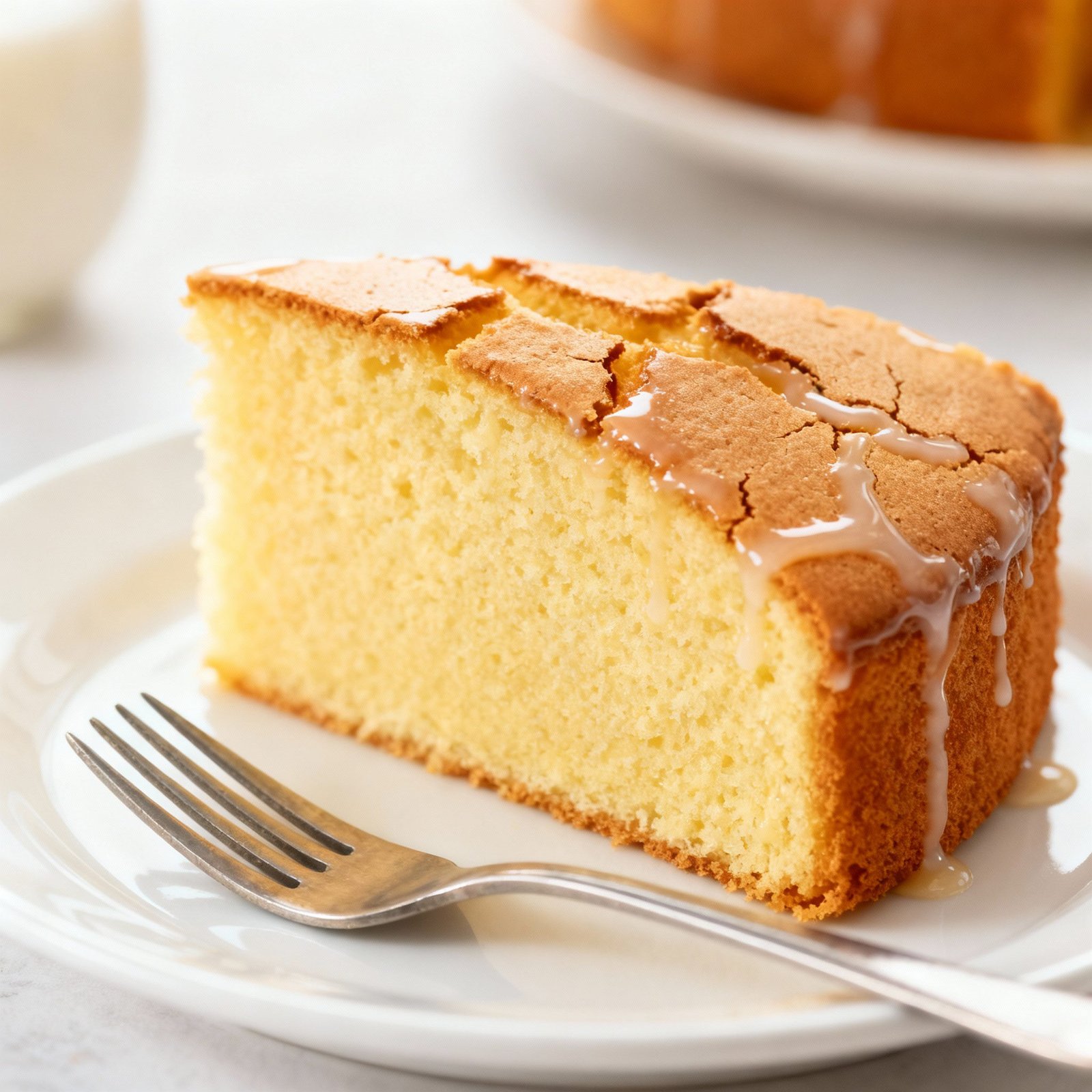
Craving a slice of cake but out of eggs? Or perhaps you’re looking for a vegan-friendly dessert option? Look no further! This no-egg cake recipe is a game-changer. It’s incredibly easy to make, requires minimal ingredients you probably already have in your pantry, and delivers a surprisingly moist and flavorful cake that will impress everyone. Forget complicated baking techniques and fussy ingredients – this recipe is all about simplicity and deliciousness. Prepare to be amazed by how effortlessly you can create a delightful cake without a single egg!
Why This Recipe Works
You might be wondering how a cake can possibly hold together without eggs. The secret lies in a clever combination of ingredients that work together to provide structure, moisture, and binding. Here’s a breakdown:
- Baking Soda and Vinegar: This dynamic duo creates a chemical reaction that produces carbon dioxide, which acts as a leavening agent, giving the cake its rise and airy texture. The vinegar also helps to tenderize the gluten, resulting in a softer crumb.
- Oil: Provides moisture and richness, contributing to the cake’s tender texture.
- All-Purpose Flour: Forms the structure of the cake, providing the framework for the other ingredients to bind to.
- Sugar: Adds sweetness and helps to retain moisture. It also contributes to the cake’s browning and overall flavor.
- Milk (or Plant-Based Milk): Adds moisture and helps to activate the baking soda. Plant-based milks like almond, soy, or oat milk work perfectly as substitutes.
- Vanilla Extract: Enhances the overall flavor of the cake.
The absence of eggs also makes this cake incredibly forgiving. It’s less prone to becoming tough or dry, making it a perfect recipe for beginner bakers or anyone looking for a foolproof dessert option.
Ingredients
- 1 ½ cups all-purpose flour
- 1 cup granulated sugar
- 3 tablespoons unsweetened cocoa powder (for chocolate cake, optional)
- 1 teaspoon baking soda
- ½ teaspoon salt
- 1 cup milk (dairy or non-dairy)
- 1 tablespoon white vinegar
- ⅓ cup vegetable oil
- 1 teaspoon vanilla extract
- 1 cup boiling water (added at the very end)
Instructions
- Preheat and Prepare: Preheat your oven to 350°F (175°C). Grease and flour a 9-inch round cake pan. You can also use parchment paper to line the bottom of the pan for easier removal.
- Combine Dry Ingredients: In a large bowl, whisk together the flour, sugar, cocoa powder (if using), baking soda, and salt. Make sure everything is well combined.
- Add Wet Ingredients (Except Boiling Water): Add the milk, vinegar, oil, and vanilla extract to the dry ingredients. Mix until just combined. Do not overmix. A few lumps are okay.
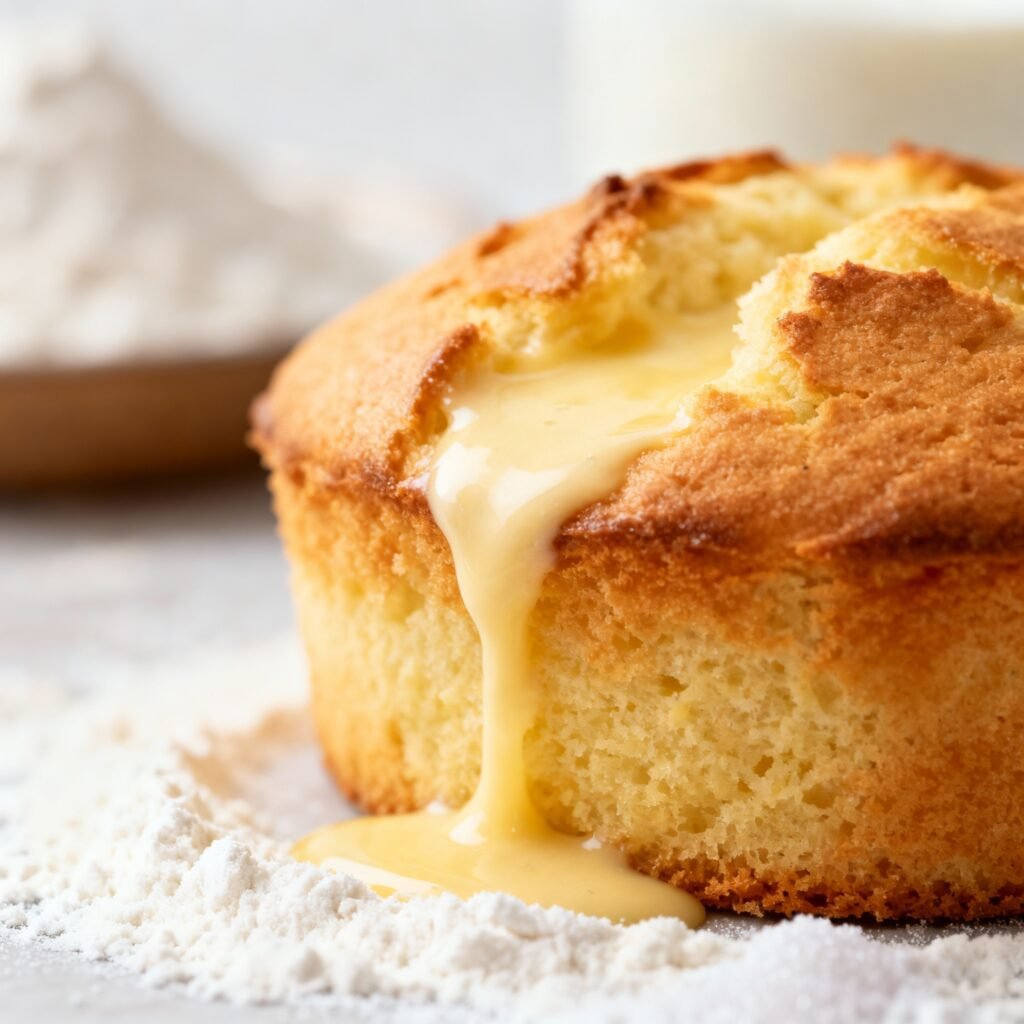
- Add Boiling Water: Carefully pour the boiling water into the batter and mix until the batter is smooth and thin. The batter will be quite liquidy, which is normal.
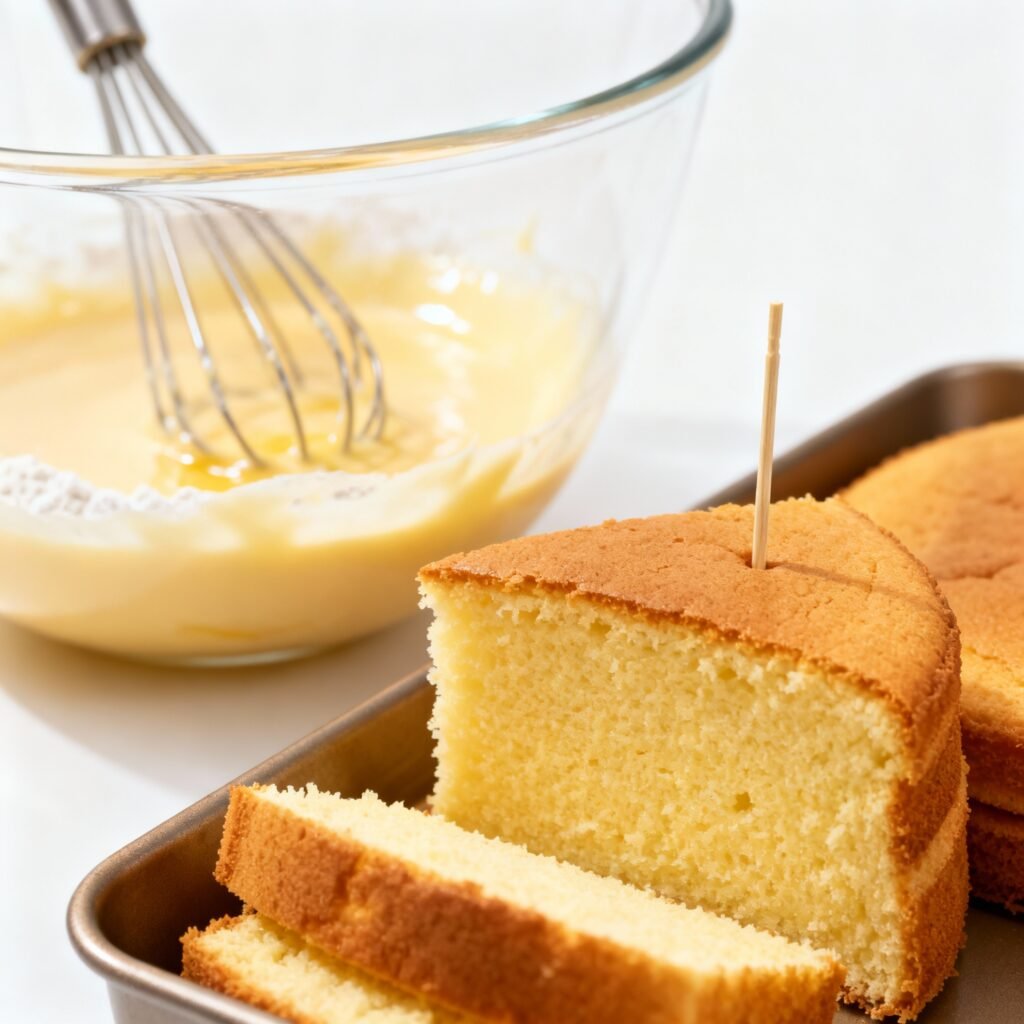
- Pour into Pan and Bake: Pour the batter into the prepared cake pan. Bake for 30-35 minutes, or until a toothpick inserted into the center comes out clean or with a few moist crumbs attached.
- Cool Completely: Let the cake cool in the pan for 10-15 minutes before inverting it onto a wire rack to cool completely. This prevents the cake from sticking to the pan.
- Frost and Enjoy: Once the cake is completely cool, frost with your favorite frosting (chocolate, vanilla, cream cheese – the possibilities are endless!) and enjoy!
Tips for Success
- Measure Accurately: Baking is a science, so accurate measurements are crucial. Use measuring cups and spoons designed for baking and level off dry ingredients carefully.
- Don’t Overmix: Overmixing can develop the gluten in the flour, resulting in a tough cake. Mix until just combined, and don’t worry about a few lumps.
- Boiling Water is Key: The boiling water is essential for activating the baking soda and creating a light and airy texture. Don’t skip this step!
- Grease and Flour Thoroughly: This will prevent the cake from sticking to the pan. You can also use baking spray with flour.
- Cool Completely Before Frosting: Frosting a warm cake will cause it to melt and slide off. Be patient and wait until the cake is completely cool before frosting.
- Experiment with Flavors: This recipe is a blank canvas! Add chocolate chips, nuts, spices (like cinnamon or nutmeg), or even coffee extract to customize the flavor to your liking. For a mocha cake, add 1-2 teaspoons of instant espresso powder to the dry ingredients along with the cocoa powder.
- Altitude Adjustments: If you live at a high altitude, you may need to adjust the baking time or add a little extra liquid to prevent the cake from drying out.
Storage Instructions
Store the unfrosted cake in an airtight container at room temperature for up to 3 days. Frosted cake should be stored in the refrigerator due to the frosting. It will last for up to 5 days. You can also freeze the unfrosted cake for up to 2 months. Wrap it tightly in plastic wrap and then in foil to prevent freezer burn. Thaw overnight in the refrigerator before frosting.
FAQ
- Can I use a different type of flour? While all-purpose flour is recommended for best results, you can try using cake flour for an even softer texture. Avoid using bread flour, as it will result in a tougher cake.
- Can I use brown sugar instead of granulated sugar? Yes, you can substitute brown sugar for granulated sugar. It will give the cake a slightly richer and more molasses-like flavor.
- Can I use applesauce instead of oil? While applesauce can be used as an oil substitute in some baking recipes, it’s not recommended for this particular cake, as it may affect the texture and moisture.
- My cake is sinking in the middle. What did I do wrong? This could be due to several factors, such as underbaking, using too much liquid, or opening the oven door frequently during baking. Make sure to bake the cake until a toothpick inserted into the center comes out clean, and avoid opening the oven door unnecessarily.
- My cake is dry. What did I do wrong? This could be due to overbaking, using too little liquid, or measuring the flour incorrectly. Make sure to measure the flour accurately and avoid overbaking the cake.
- Can I double the recipe? Yes, you can easily double the recipe to make a larger cake. Just make sure to use a larger cake pan or divide the batter between two 9-inch pans.
Conclusion
This no-egg cake recipe is a testament to the fact that delicious and satisfying desserts don’t always require complicated ingredients or techniques. It’s a simple, reliable, and incredibly versatile recipe that you can easily adapt to your own preferences and dietary needs. Whether you’re baking for someone with an egg allergy, looking for a vegan-friendly option, or simply running low on eggs, this cake is sure to become a new favorite. So, grab your ingredients, preheat your oven, and get ready to enjoy a slice of moist and flavorful cake that’s surprisingly easy to make!