🎄 The Best Old Fashioned Fruit Cake Recipe
So, you’re here. You’re actually searching for a fruit cake recipe. Are you okay? Did you lose a bet?
Okay, I’m kidding (mostly). Look, I know the reputation fruit cake has. We’ve all been traumatized by those store-bought bricks that look like they were masonry experiments from the 1970s—dry, crumbly, and studded with those weird, neon-green jelly cherries that taste like sadness and plastic.
But here’s the truth: A real, homemade old fashioned fruit cake recipe is a masterpiece.
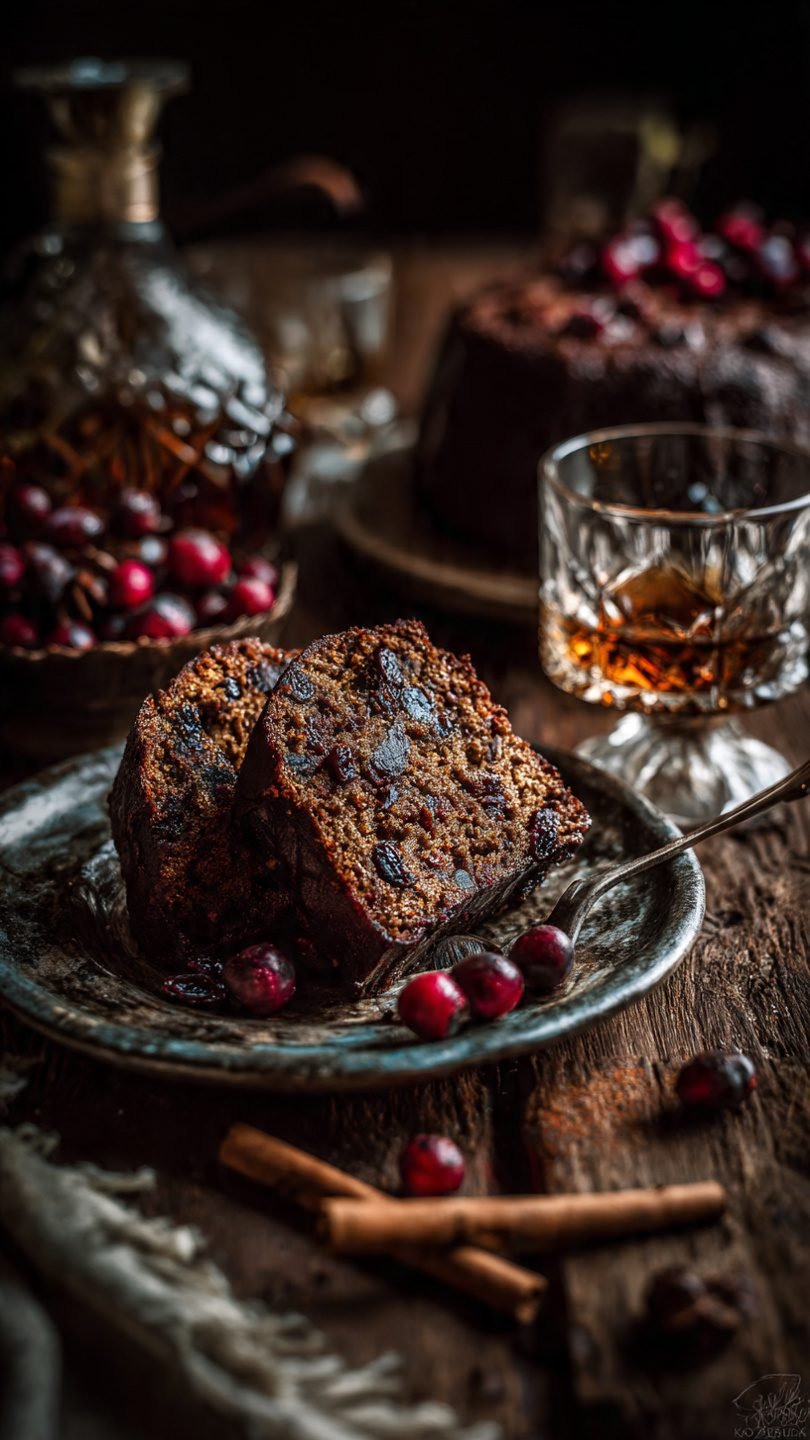
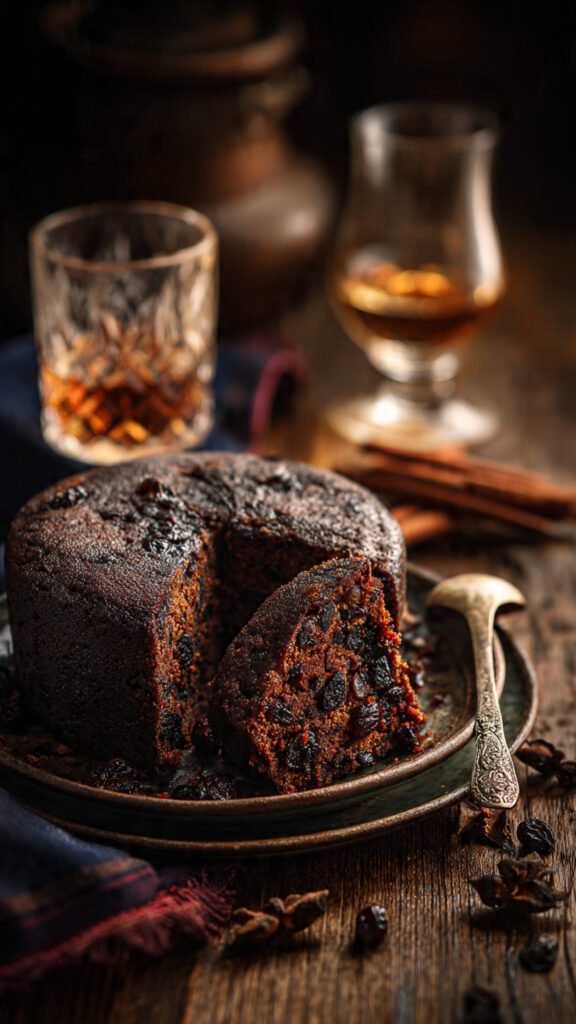
If you make it right, it’s not a doorstop. It’s a dense, rich, boozy, spicy, caramelized flavor bomb that literally gets better with age. It’s the kind of thing you slice thin and eat with a cup of strong coffee or a glass of sherry while hiding from your relatives during the holidays.
So, put aside your prejudices. We are going to redeem the fruit cake’s reputation, one boozy raisin at a time.
Why This Recipe is Awesome
Let’s be real—baking during the holidays is stressful enough. You don’t need a recipe that requires a degree in chemistry or a prayer circle to get right.
First off, the texture is actually moist. I know, “moist” is everyone’s least favorite word, but in the context of cake, it’s non-negotiable. The secret here is the fruit-to-batter ratio and the slow baking process. We aren’t making a sponge cake that dries out in two days; we are making a cake that is essentially a vessel for dried fruits that have been swimming in alcohol.
Speaking of alcohol, that’s the second reason this recipe rocks. It’s a preservative and a flavor enhancer. By “feeding” the cake (we’ll get to that later), you create an environment where bacteria fear to tread, meaning this cake can sit in your pantry for months. Yes, months. It’s the prepper food of the dessert world.
From a flavor profile perspective, this hits every single cozy note you want in winter. We’re talking brown sugar molasses notes, the warmth of cinnamon and nutmeg, and the tart sweetness of high-quality dried fruit.
Here is the science-y bit: This recipe relies on maceration. When we soak the dried fruit in liquid (booze or juice) before baking, the fruit rehydrates. This prevents the fruit from sucking all the moisture out of your cake batter while it bakes. If you skip the soak, your fruit steals water from the flour matrix, resulting in a dry, crumbly mess. We don’t do dry here.
Plus, it makes your house smell better than any scented candle you could buy at the mall. It smells like Christmas, nostalgia, and just a hint of bad decisions (thanks to the brandy).
Ingredients You’ll Need
Don’t be intimidated by the list. It’s mostly just “stuff to put inside the cake” and “stuff to hold the cake together.”
The “Jewels” (Fruit & Nuts)
- Raisins, Sultanas, and Currants: The holy trinity of dried vine fruits. You want a mix for texture.
- Glace Cherries: Please buy the good ones. If they look radioactive, leave them on the shelf. Rinse the syrup off them and chop them in half.
- Mixed Peel: Candied orange and lemon peel adds a necessary bitter-sweet zing to cut through the richness.
- Dried Cranberries or Chopped Dates: Optional, but I love the tartness of cranberries or the toffee-like sweetness of dates.
- Chopped Nuts: Walnuts or pecans work best. They add a nice crunch so you aren’t just chewing on soft fruit.
- The Booze: Brandy, Dark Rum, or Whisky. This is for soaking the fruit. If you are strictly alcohol-free, use hot strong tea or orange juice (but consume the cake faster).
The Batter
- Butter: Unsalted, room temperature. We need to control the salt level.
- Dark Brown Sugar: Do not use white sugar. We want that deep molasses flavor and the extra moisture brown sugar provides.
- Eggs: Large, room temperature. Cold eggs curdle warm batter. Don’t be that person.
- Treacle or Molasses: Just a tablespoon for color and depth. It makes the cake look rich and dark.
- Zest: One lemon and one orange. The oils in the zest really brighten the heavy flavors.
The Dry Stuff
- All-Purpose Flour: Plain flour is fine.
- Ground Almonds: This is a pro tip. Replacing some flour with ground almonds keeps the cake moister and adds a nutty crumb.
- The Spices: Cinnamon, Mixed Spice (or Allspice), and Nutmeg. Go heavy on these.
- Baking Powder: Just a pinch. We aren’t looking for a massive rise here.
Step-by-Step Instructions
Alright, apron on. Let’s do this.
Phase 1: The Drunkening
1. Soak the Fruit: Ideally, do this the night before. Put all your dried fruits (raisins, sultanas, currants, cranberries, cherries, peel) into a large bowl. Pour your alcohol (or tea) over them. Stir well, cover, and leave them alone.
- Why? The fruit swells up like a sponge. This ensures juicy bursts of flavor in the baked cake. If you’re in a rush, you can microwave the fruit and liquid for 2 minutes to speed-absorb, but overnight is best.
Phase 2: The Mixing
2. Prep the Tin: Preheat your oven to 150°C (300°F). This is a low temp because the cake is dense and needs to bake slowly without burning the outside. Grease a deep 8-inch or 9-inch round cake tin and line the bottom and sides with double layers of parchment paper.
- Tip: Let the paper stick up about 2 inches above the rim of the tin. This protects the top of the cake from scorching.
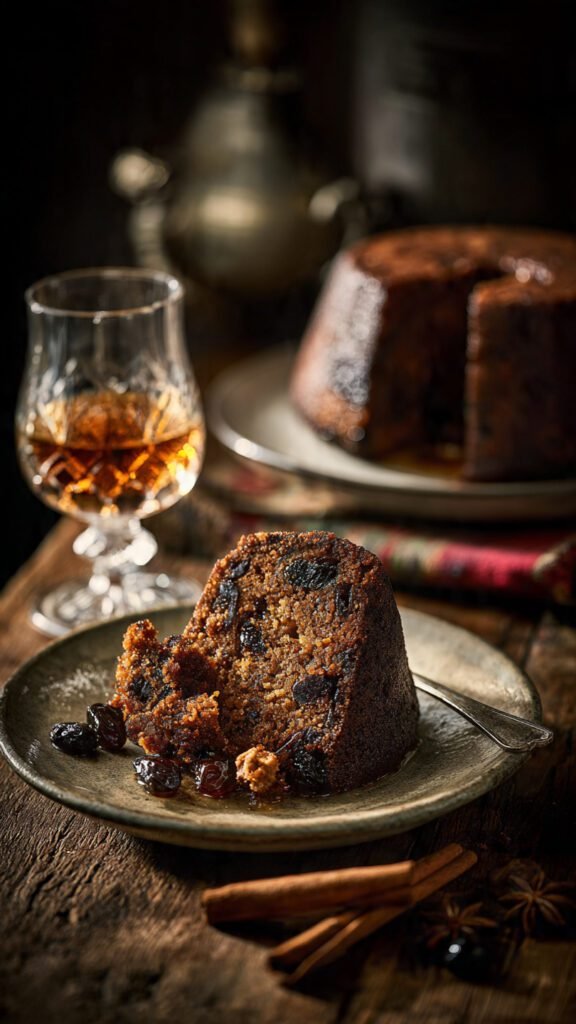
3. Cream the Butter and Sugar: In a large bowl, beat the butter and dark brown sugar until it’s pale and fluffy. This takes about 5 minutes. Do not skimp on this. We are mechanically trapping air bubbles in the fat, which acts as leavening.
4. Add Eggs and Treacle: Add the eggs one at a time, beating well after each addition. If the mixture looks like it’s curdling (looks like scrambled eggs), don’t panic! Just add a tablespoon of your flour to bind it back together. Stir in the treacle (or molasses) and the citrus zest.
5. Fold in Dry Ingredients: Sift in the flour, spices, and baking powder. Add the ground almonds. Gently fold this into the wet mixture with a spatula or wooden spoon. Stop mixing as soon as the flour disappears. Over-mixing develops gluten, and gluten makes fruit cake tough. We want tender, not chewy.
6. The Union: Pour in your soaked fruit (and any liquid left in the bowl) and the chopped nuts. Fold everything together. It’s going to be a heavy batter—more like mortar than cake mix. That’s normal.
Phase 3: The Bake
7. Tin It Up: Spoon the mixture into your prepared tin. Level the top with the back of a spoon.
- Pro Tip: Make a slight depression/dip in the center of the batter. Fruit cakes tend to dome; this helps it bake flat.
8. The Long Haul: Bake in the center of the oven for 3 to 3.5 hours. Yes, seriously. Check it after 2 hours. If the top looks like it’s getting too dark, cover it loosely with a piece of foil.
9. The Skewer Test: Insert a skewer into the center. If it comes out clean (or with just a couple of sticky crumbs), it’s done. If it has raw batter on it, give it another 15 minutes.
Phase 4: The Aftercare
10. Cool and Feed: Let the cake cool in the tin completely. While it’s still warm, poke holes all over the top with a skewer and drizzle 2 tablespoons of brandy/rum over it. This is its first “feed.”
11. Wrap it Up: Once cold, leave it in the baking paper, wrap the whole thing tightly in foil, and store it in an airtight container.
Common Mistakes to Avoid
Even though this is “idiot-proof,” there are still ways to mess it up. Avoid these tragedies:
- Using the Wrong Tin Size: If your tin is too wide, the cake will be dry and flat. If it’s too small, the center will never cook. Stick to an 8 or 9-inch deep tin.
- Rushing the Bake: “Can I turn the heat up to cook it faster?” No. The sugar content is high. High heat = burnt outside, raw inside. Patience is a virtue, my friend.
- Skimping on the Lining: Fruit cakes love to stick. If you don’t double-line your tin with parchment, you’ll leave half the crust behind.
- Cutting it Too Soon: Listen, I know it smells amazing. But fruit cake is crumbly when fresh. It needs at least 24 hours for the structure to set. Ideally, wait a week.
- Using “Cake Mix” Fruit: You know those tubs of generic “mixed fruit”? They are often mostly hard raisins. Buy the fruits separately and mix them yourself for a luxury texture.
Alternatives & Substitutions
Customize this bad boy. It’s your cake.
- Gluten-Free: This is one of the easiest cakes to make GF. Because it relies on almond flour and dense fruit for structure, swapping the AP flour for a decent 1:1 Gluten-Free Baking Blend works perfectly. You barely notice the difference.
- Nut-Free: Allergic? Just skip the nuts. Add more chopped apricots or dates instead to keep the volume up.
- The “Tropical” Twist: Swap the raisins for dried mango, pineapple, and papaya. Swap the brandy for Malibu or a spiced rum. Swap the almonds for desiccated coconut. Boom—Caribbean Christmas.
- Vegan: Swap the butter for a block margarine (not the spreadable tub stuff) and use flax eggs or a commercial egg replacer. It works surprisingly well because the fruit does the heavy lifting flavor-wise.
The Art of “Feeding” The Cake
If you are making this for Christmas, you should ideally bake it in October or November. (I know, who is that organized? Not me. But try for at least 2 weeks before).
Once a week, unwrap your cake, poke a few holes, and brush it with a tablespoon of alcohol. This process is called “feeding.” It keeps the cake moist and builds a depth of flavor that is absolutely insane.
FYI: If you feed it too much, it will become a soggy, boozy pudding. Go easy. Just a little sip for the cake once a week.
FAQ (Frequently Asked Questions)
1. How long does this old fashioned fruit cake recipe last? If you feed it with alcohol and keep it wrapped in foil in a cool place? Literally months. Maybe years (but don’t test that). Without alcohol, eat it within 2-3 weeks or freeze it.
2. Can I freeze it? Absolutely. Slice it up, wrap the slices in plastic wrap, and freeze. Then you can pull out a slice whenever you need a hit of holiday spirit in July.
3. Why did my fruit sink to the bottom? This usually happens if your batter was too wet or you washed the fruit and didn’t dry it. The cherries are the usual culprits. Rinse the syrup off, dry them, and toss them in a little flour before adding to the mix to give them “grip.”
4. Can I use fresh fruit? No. Absolutely not. Fresh fruit has too much water. It will turn your cake into a mushy biology experiment. Stick to dried.
5. Do I really need to wrap the tin in newspaper/brown paper? Some old recipes tell you to wrap the outside of the cake tin in brown paper/newspaper. This insulates the batter so the edges don’t cook too fast. If your oven runs hot, this is a great trick. If you have a modern convection oven, turning the fan off or lowering the temp usually suffices.
6. Can I skip the alcohol? Yes, use tea or juice. However, you cannot “feed” the cake or age it for months. If you use juice, store the cake in the fridge and eat it within a week so it doesn’t mold.
Final Thoughts
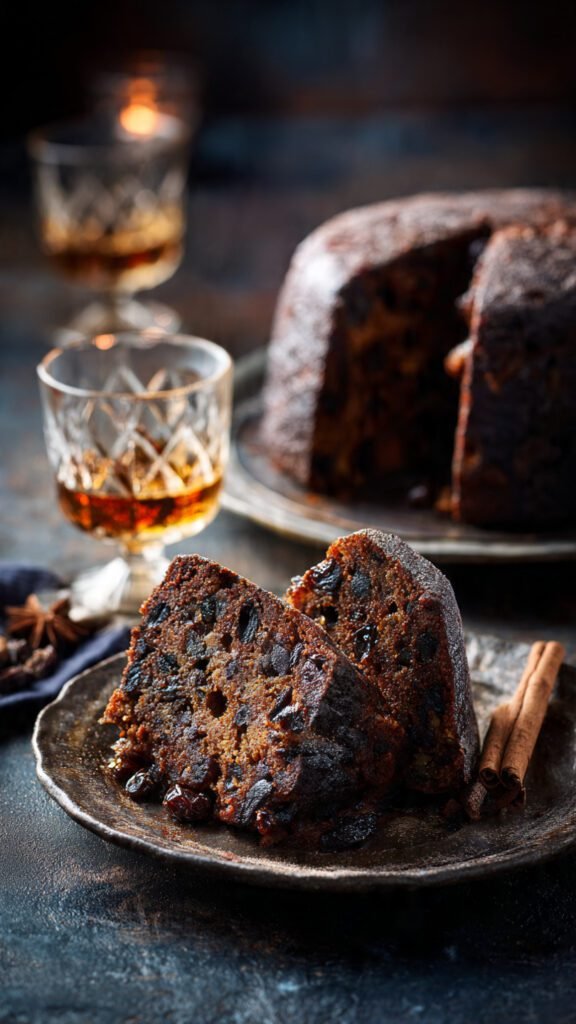
There you have it. You are now equipped to make an old fashioned fruit cake that won’t be used as a doorstop or a projectile weapon.
This recipe is a labor of love, but it’s the kind of low-effort, high-reward baking that makes you look like a culinary genius. Whether you’re gifting it to a skeptical friend or hoarding it all for yourself (no judgment, IMO it’s the best breakfast), this cake is going to change your mind about the genre.
Now go impress someone—or yourself—with your new culinary skills. You’ve earned it! Happy baking!