Pastry Dough Recipe Easy: Foolproof Flaky Goodness!
Craving a homemade pie, quiche, or a batch of savory hand pies? The foundation of any great baked creation is, of course, the pastry dough! But the thought of making it from scratch can often feel intimidating. Visions of tough, shrunken, or just plain *wrong* dough dance in our heads. Fear not, aspiring bakers! This recipe is designed to banish those pastry nightmares and empower you to create beautiful, flaky, and delicious pastry dough with ease. We’re stripping away the complexity and focusing on a method that’s straightforward, reliable, and yields consistently excellent results. Get ready to impress yourself (and your friends and family!) with this surprisingly simple pastry dough recipe.
Why This Recipe Works
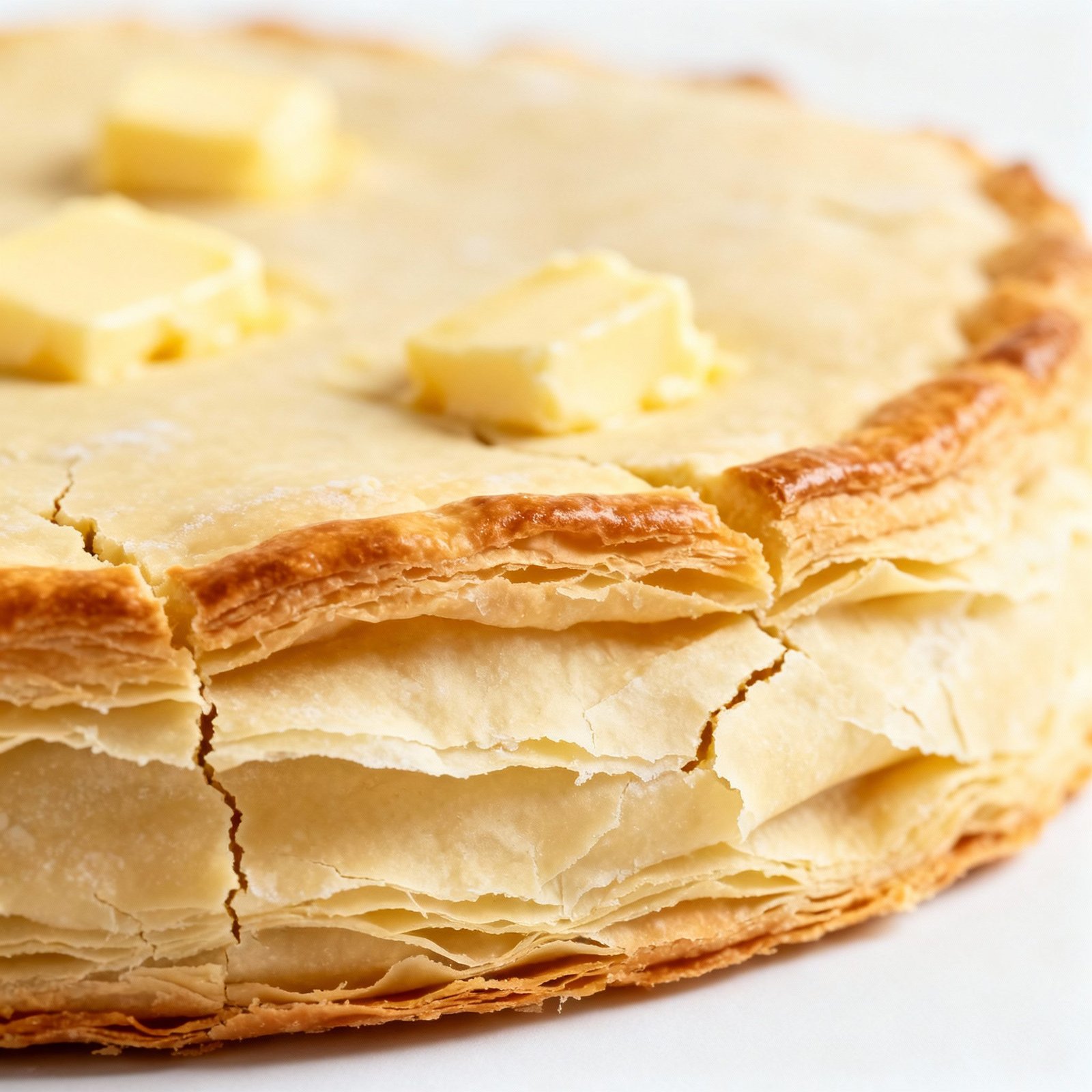
This recipe works because it focuses on a few key principles that are crucial for achieving flaky pastry: cold ingredients, minimal gluten development, and proper handling. We use cold butter and ice water to prevent the butter from melting and incorporating fully into the flour. This creates layers of fat that, when baked, melt and create steam, resulting in those beautiful, flaky layers we all crave. The method also emphasizes gentle mixing and minimal handling to avoid overworking the gluten in the flour. Overworked gluten leads to a tough, chewy crust – the opposite of what we want! Finally, chilling the dough allows the gluten to relax and the butter to solidify, making it easier to roll out and work with.
Ingredients
- 2 ½ cups (300g) all-purpose flour, plus more for dusting
- 1 teaspoon salt
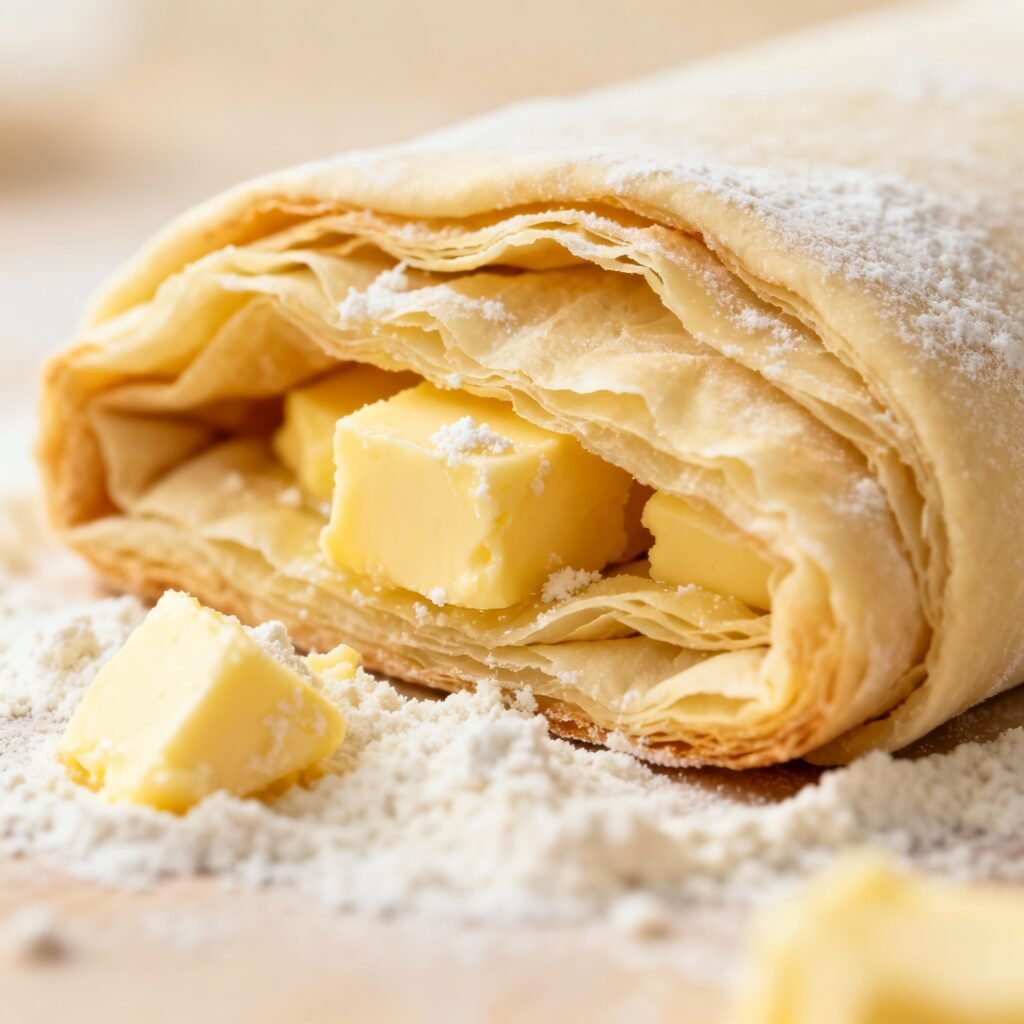
- 1 cup (2 sticks, 227g) cold unsalted butter, cut into ½-inch cubes
- 6-8 tablespoons ice water
Instructions
- Combine Dry Ingredients: In a large bowl, whisk together the flour and salt. This ensures the salt is evenly distributed throughout the flour.
- Add the Butter: Add the cold, cubed butter to the flour mixture.
- Cut in the Butter: Use a pastry blender or your fingertips to cut the butter into the flour. The goal is to create pea-sized pieces of butter mixed with the flour. You can also use a food processor, pulsing until the mixture resembles coarse crumbs, but be careful not to over-process.
- Add the Ice Water: Gradually add the ice water, one tablespoon at a time, mixing gently after each addition. Use just enough water to bring the dough together. It should be shaggy and slightly moist, but not wet or sticky.
- Form the Dough: Gently gather the dough into a ball. Do not knead it!
- Divide and Flatten: Divide the dough in half. Flatten each half into a disc about 1 inch thick. This helps the dough chill more evenly.
- Chill the Dough: Wrap each disc tightly in plastic wrap and refrigerate for at least 2 hours, or preferably overnight. This is a crucial step for relaxing the gluten and solidifying the butter.
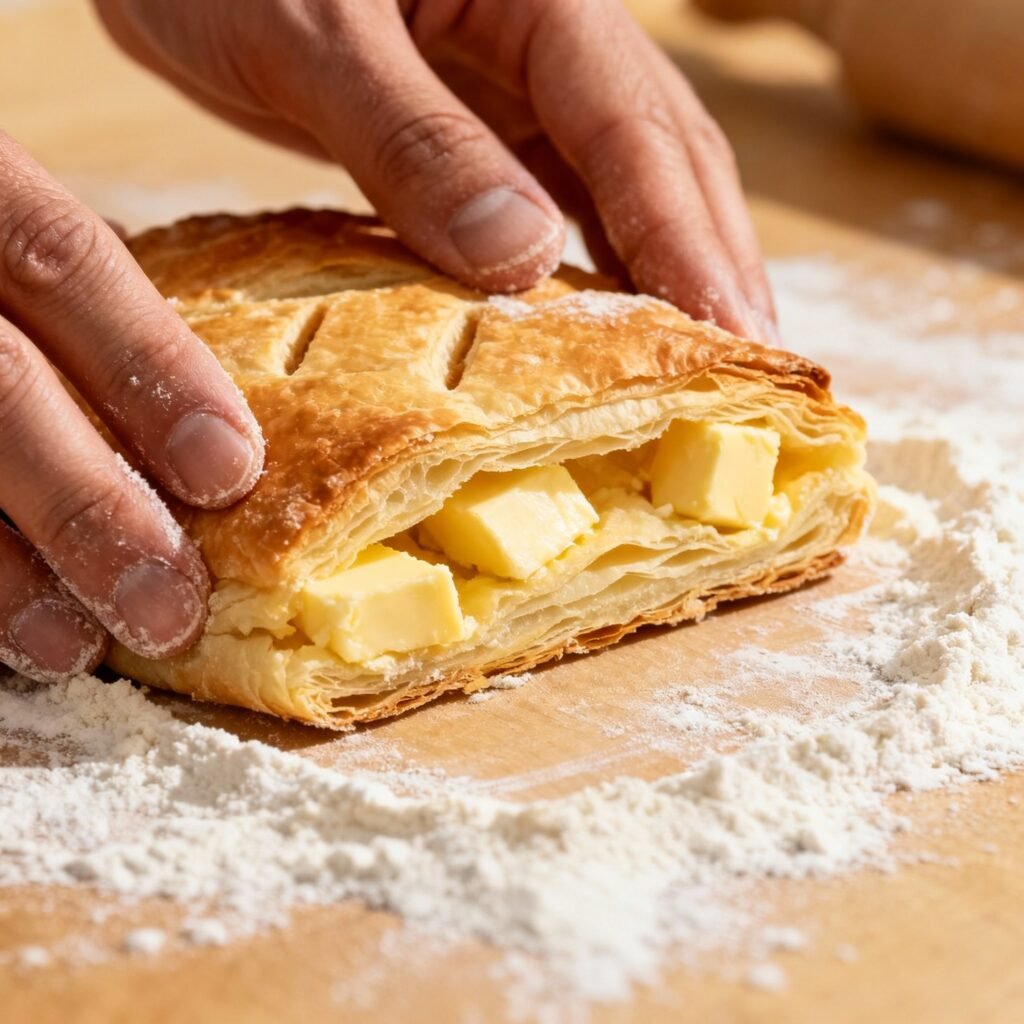
- Roll Out the Dough: On a lightly floured surface, roll out one disc of dough to your desired thickness (usually about 1/8 inch). Work quickly and keep the dough cold. If the dough becomes too warm or sticky, return it to the refrigerator for a few minutes.
- Transfer to Baking Dish: Carefully transfer the rolled-out dough to your pie plate or baking dish. Trim any excess dough and crimp the edges as desired.
- Pre-bake (if needed): If your recipe calls for a pre-baked crust, prick the bottom of the dough with a fork to prevent it from puffing up. Line the crust with parchment paper and fill with pie weights or dried beans. Bake in a preheated oven at 375°F (190°C) for 15-20 minutes, or until lightly golden. Remove the pie weights and parchment paper and bake for another 5-10 minutes, or until the crust is golden brown.
- Fill and Bake: Fill the crust with your desired filling and bake according to your recipe’s instructions.
Tips for Success
- Keep Everything Cold: This is the most important tip! Cold butter and ice water are essential for creating flaky pastry. You can even chill your flour in the freezer for 30 minutes before starting.
- Don’t Overmix: Overmixing develops the gluten in the flour, resulting in a tough crust. Mix the dough just until it comes together.
- Handle Gently: Avoid overworking the dough when rolling it out. If it becomes too warm or sticky, return it to the refrigerator to chill.
- Use a Pastry Blender or Food Processor: These tools make it easier to cut the butter into the flour evenly.
- Let the Dough Rest: Chilling the dough is crucial for relaxing the gluten and solidifying the butter. Don’t skip this step!
- Flour Your Surface Lightly: Too much flour can make the dough dry and tough. Use just enough to prevent it from sticking.
- Monitor Baking Time: Oven temperatures can vary, so keep a close eye on your pastry while it’s baking to prevent it from burning.
- Blind Baking Tips: When blind baking, ensure the pie weights are evenly distributed to prevent the crust from puffing up unevenly. You can also use dried beans or rice as pie weights.
Storage Instructions
- Unbaked Dough: Unbaked pastry dough can be stored in the refrigerator for up to 3 days or in the freezer for up to 3 months. Wrap it tightly in plastic wrap to prevent it from drying out. Thaw frozen dough in the refrigerator overnight before using.
- Baked Crust: Baked pastry crusts can be stored at room temperature for up to 2 days or in the refrigerator for up to 5 days. Wrap them tightly in plastic wrap to prevent them from becoming stale.
- Baked Pie: Baked pies can be stored at room temperature for up to 2 days or in the refrigerator for up to 5 days. Cover them loosely with plastic wrap or foil.
FAQ
- Can I use salted butter? While unsalted butter is generally preferred for baking, you can use salted butter if that’s all you have on hand. Just reduce the amount of salt in the recipe by half.
- Can I use shortening instead of butter? Yes, you can substitute shortening for butter, but the flavor and texture will be slightly different. Shortening will result in a more tender but less flavorful crust.
- Why is my dough tough? Tough dough is usually caused by overmixing or using too much water. Be sure to mix the dough gently and add the water gradually, just until it comes together.
- Why is my dough shrinking? Shrinking dough is often caused by not chilling it long enough or by overworking it. Make sure to chill the dough for at least 2 hours and avoid over-handling it.
- Can I make this dough in advance? Absolutely! Making the dough in advance is a great way to save time. You can store it in the refrigerator for up to 3 days or in the freezer for up to 3 months.
- What can I use this dough for? This dough is perfect for pies, quiches, tarts, hand pies, and other savory or sweet pastries. The possibilities are endless!
Conclusion
There you have it! An easy and reliable pastry dough recipe that will transform your baking. Forget the store-bought stuff – with a little practice, you’ll be whipping up homemade pastry dough like a pro. The key is to remember the fundamentals: cold ingredients, minimal mixing, and proper chilling. So, grab your ingredients, put on your apron, and get ready to bake something amazing. Happy baking!