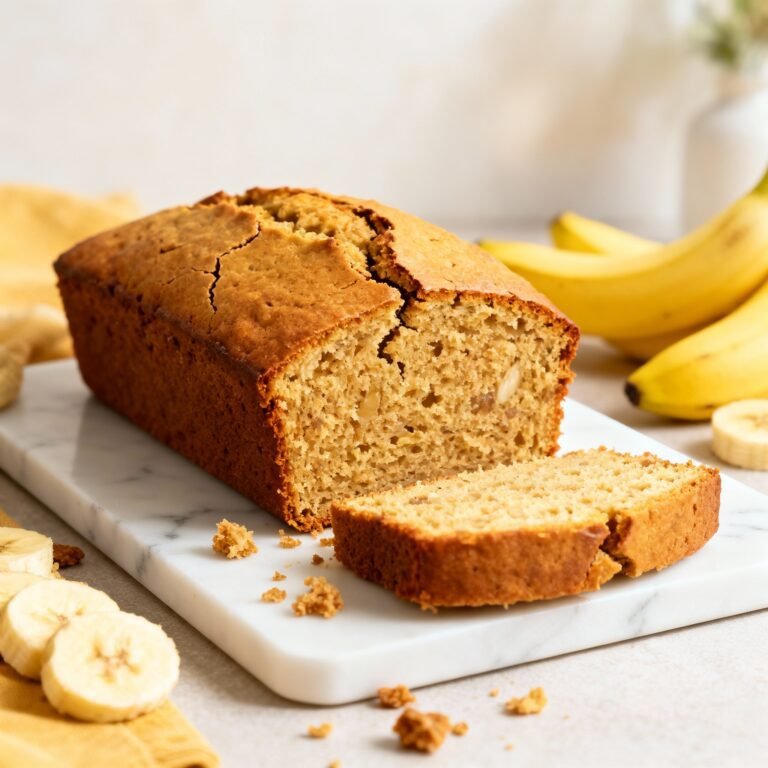
Rusks Recipe South Africa: The Ultimate Guide to Crunchy Perfection
There’s nothing quite like waking up to the aroma of freshly baked rusks, a staple in South African households. These twice-baked biscuits, perfect for dunking in coffee or tea, are more than just a breakfast treat; they’re a comforting tradition, a taste of home. This recipe aims to bring that warmth and deliciousness to your kitchen, guiding you through each step to create the perfect batch of crunchy, satisfying rusks. Forget store-bought – this homemade version is bursting with flavour and made with love. Prepare to embark on a baking adventure that will fill your home with the irresistible scent of South African goodness!
Why This Recipe Works
This recipe has been meticulously crafted to deliver consistently perfect rusks. Here’s why it stands out:
- Balanced Ingredients: The ratio of flour, butter, and sugar is carefully calibrated to achieve the ideal texture – a satisfying crunch with a slightly crumbly interior.
- Double Baking Process: The double baking process is crucial. The first bake sets the structure, while the second, low and slow bake dries them out completely, giving them their signature hardness and long shelf life.
- Buttermilk Magic: Buttermilk adds a subtle tang and tenderizes the dough, resulting in a richer flavour and a more enjoyable eating experience.
- Yeast Activation: Proper yeast activation ensures a good rise during the first bake, leading to a lighter and more airy rusk.
- Detailed Instructions: The step-by-step instructions are clear and concise, making the recipe easy to follow, even for novice bakers.
Ingredients
- 1 kg (8 cups) cake flour
- 10 ml (2 teaspoons) salt
- 20 ml (4 teaspoons) baking powder
- 10 ml (2 teaspoons) cream of tartar
- 250g (1 cup) butter, melted
- 250 ml (1 cup) sugar
- 500 ml (2 cups) buttermilk
- 10 ml (2 teaspoons) bicarbonate of soda
- 50 ml (¼ cup) warm water
- 1 packet (10g) instant dry yeast
- 50 ml (¼ cup) lukewarm milk

Instructions
- Activate the Yeast: In a small bowl, combine the instant dry yeast with the lukewarm milk and a teaspoon of sugar (from the 250ml). Let it stand for 5-10 minutes until foamy. This indicates that the yeast is active.
- Combine Dry Ingredients: In a large mixing bowl, sift together the cake flour, salt, baking powder, and cream of tartar.
- Add Wet Ingredients: In a separate bowl, whisk together the melted butter, sugar, and buttermilk.
- Dissolve Bicarbonate of Soda: In a small bowl, dissolve the bicarbonate of soda in the warm water. It will fizz.
- Combine Wet and Dry: Pour the wet ingredients and the dissolved bicarbonate of soda mixture into the dry ingredients. Add the activated yeast mixture. Mix until just combined. Do not overmix. The dough will be sticky.
- First Rise: Cover the bowl with plastic wrap or a clean kitchen towel and let it rise in a warm place for about 1 hour, or until doubled in size.
- Shape the Rusks: Preheat your oven to 180°C (350°F). Grease a large baking tray or two smaller ones. Turn the dough out onto a lightly floured surface. Gently pat it down into a rectangle about 2-3 cm thick. Cut the dough into even-sized rusks (approximately 2-3 cm wide). You can use a sharp knife or a pizza cutter.
- Arrange on Baking Tray: Arrange the rusks close together on the prepared baking tray. They should be touching, as this helps them rise together and creates a softer texture on the sides.
- Second Rise: Cover the tray with a clean kitchen towel and let the rusks rise for another 30 minutes.
- First Bake: Bake in the preheated oven for 30-40 minutes, or until golden brown and cooked through.
- Cool Slightly: Remove the rusks from the oven and let them cool slightly on the baking tray.
- Cut and Arrange for Second Bake: Using a sharp serrated knife, carefully cut the baked slab of rusks into individual pieces along the pre-cut lines. Arrange the rusks on wire racks, making sure they are not touching. This allows air to circulate and dry them evenly.
- Second Bake (Drying): Reduce the oven temperature to 100°C (212°F). Place the wire racks with the rusks back into the oven and bake for 6-8 hours, or until completely dry and hard. The drying time will depend on the size of your rusks and the humidity in the air. You can prop the oven door slightly ajar with a wooden spoon to allow moisture to escape.
- Cool Completely: Turn off the oven and let the rusks cool completely in the oven with the door ajar. This will help them to crisp up even further.
Tips for Success
- Use Fresh Ingredients: Fresh ingredients, especially baking powder and yeast, are crucial for the best results.
- Don’t Overmix: Overmixing the dough will result in tough rusks. Mix until just combined.
- Proper Yeast Activation: Make sure your yeast is active before adding it to the dough. If it doesn’t foam, it’s likely expired and you’ll need to use fresh yeast.
- Control the Drying Process: Keep a close eye on the rusks during the second bake. They should be completely dry and hard, but not burnt. Adjust the baking time accordingly.
- Experiment with Flavours: Feel free to add different flavourings to your rusks, such as aniseeds, cinnamon, or nuts.
- Adjust Sweetness: If you prefer a less sweet rusk, reduce the amount of sugar slightly.
- Proper Cooling: Allowing the rusks to cool completely in the oven after the second bake is crucial for achieving maximum crispness.
Storage Instructions
Store the completely cooled rusks in an airtight container at room temperature. Properly stored rusks can last for several weeks, or even months, if kept dry. Avoid storing them in the refrigerator, as this can make them soft.

FAQ
Q: Can I use self-raising flour instead of cake flour?
A: No, cake flour is recommended for a lighter and more tender crumb. Self-raising flour will result in a denser rusk.
Q: Can I use regular milk instead of buttermilk?
A: While you can use regular milk, buttermilk adds a unique tang and helps to tenderize the dough. If you don’t have buttermilk, you can make a substitute by adding 1 tablespoon of lemon juice or vinegar to 1 cup of regular milk and letting it sit for 5-10 minutes until it curdles slightly.
Q: My rusks are not drying out properly. What can I do?
A: Make sure your oven temperature is low enough (100°C/212°F) and that the rusks are arranged on wire racks to allow for proper air circulation. You can also try propping the oven door slightly ajar with a wooden spoon to allow moisture to escape. Extend the drying time if necessary.
Q: Can I freeze the rusks?
A: Yes, you can freeze the rusks after they have been baked and dried. Place them in an airtight container or freezer bag and freeze for up to 3 months. Thaw them at room temperature before enjoying.
Q: Can I make this recipe gluten-free?
A: While this recipe is not specifically designed to be gluten-free, you can experiment with gluten-free flour blends. Keep in mind that the texture and flavour may be slightly different.
Conclusion
Making your own rusks is a rewarding experience that allows you to connect with South African culinary traditions. This recipe provides a reliable and easy-to-follow guide to creating perfectly crunchy and delicious rusks that will be enjoyed by your family and friends. So, gather your ingredients, preheat your oven, and embark on a baking adventure that will fill your home with the comforting aroma of homemade goodness. Happy baking!