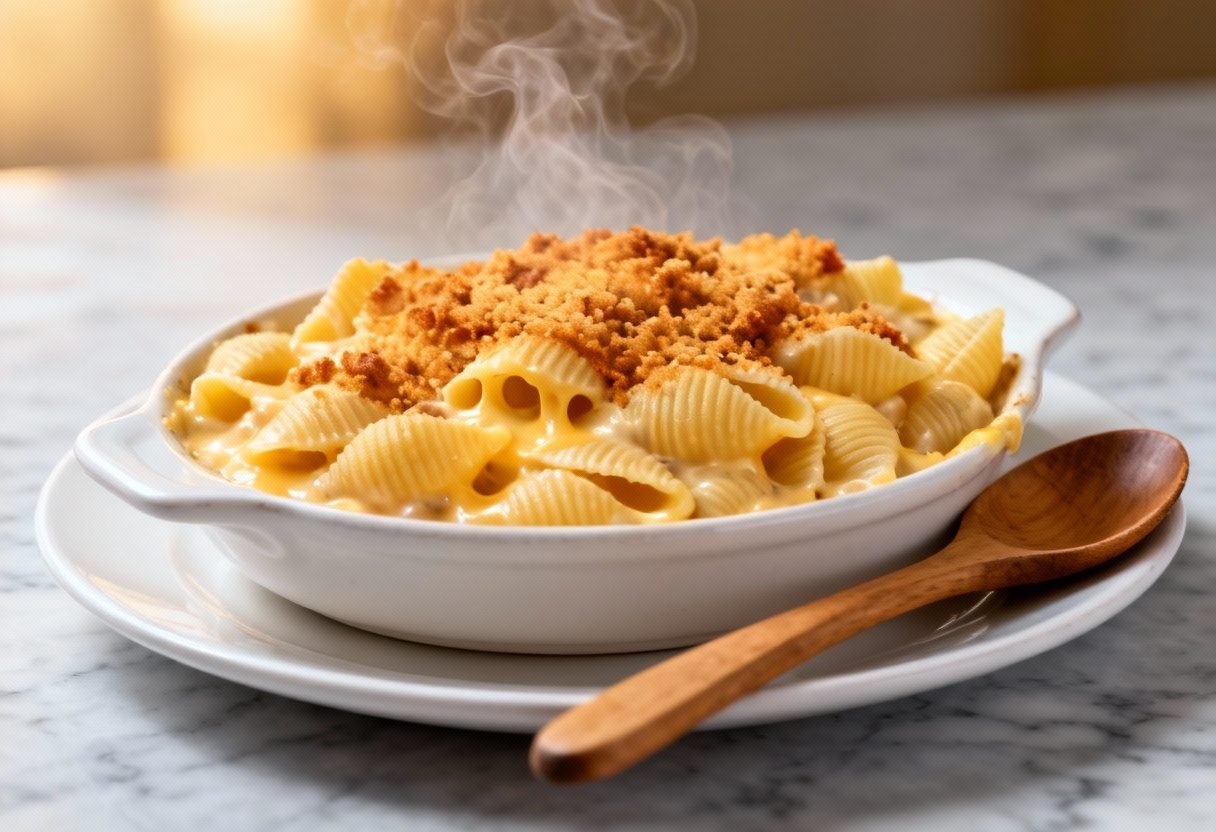
Shells and Cheese Recipe: Creamy, Dreamy, and Oh-So-Easy!
Shells and cheese. Just the name conjures up images of comfort, warmth, and childhood nostalgia. It’s the ultimate feel-good food, a dish that’s both incredibly simple and unbelievably satisfying. But let’s be honest, not all shells and cheese are created equal. Some are bland, some are grainy, and some are just plain disappointing. This recipe, however, guarantees a pot of creamy, cheesy perfection every single time. Forget the boxed stuff – we’re talking about a homemade masterpiece that will have everyone begging for seconds (and the recipe!). This version elevates the classic with a few simple techniques that result in a luxuriously smooth and flavorful cheese sauce that clings perfectly to every shell. Get ready to experience shells and cheese like never before!
Why This Recipe Works
This recipe isn’t just about throwing ingredients together; it’s about understanding the science behind the cheese sauce. Here’s why it consistently delivers amazing results:
- The Roux: We start with a classic roux (butter and flour) to create a stable base for the sauce. This prevents the cheese sauce from breaking or becoming grainy. Cooking the roux properly, until it’s lightly golden, ensures that the flour taste is completely eliminated.
- Evaporated Milk: Using evaporated milk in addition to regular milk adds richness and a subtle sweetness, creating a more complex and satisfying flavor profile. It also helps to thicken the sauce without relying solely on a large amount of cheese.
- Sharp Cheddar: Sharp cheddar provides that quintessential cheesy flavor we all crave. Using freshly grated cheese ensures it melts smoothly and evenly into the sauce. Pre-shredded cheese often contains cellulose, which can hinder melting and result in a grainy texture.
- The Right Cheese Blend: While sharp cheddar is the star, a touch of Monterey Jack adds creaminess and helps the sauce maintain its silky texture. Other cheeses like Gruyere or Fontina can be added in small amounts for an even more complex flavor.
- Low and Slow: Patience is key! Melting the cheese over low heat prevents it from seizing up and becoming clumpy. Stirring frequently ensures everything melts evenly and smoothly.
Ingredients
- 1 pound medium shell pasta
- 6 tablespoons unsalted butter
- 6 tablespoons all-purpose flour
- 3 cups whole milk
- 1 (12 ounce) can evaporated milk
- 1 teaspoon salt
- 1/2 teaspoon black pepper
- 1/4 teaspoon nutmeg (optional, but highly recommended!)
- 4 cups (about 1 pound) sharp cheddar cheese, freshly grated
- 1 cup (about 4 ounces) Monterey Jack cheese, freshly grated
Instructions
- Cook the Pasta: Cook the shell pasta according to package directions until al dente. Drain well and set aside. Do not overcook the pasta, as it will continue to soften in the cheese sauce.
- Make the Roux: In a large saucepan or Dutch oven, melt the butter over medium heat. Add the flour and whisk constantly until smooth. Cook for 2-3 minutes, or until the roux is lightly golden and smells nutty. This is crucial for eliminating the flour taste.
- Add the Milk: Gradually whisk in the whole milk and evaporated milk, making sure to incorporate the roux completely. Continue whisking until the mixture is smooth and starts to thicken.
- Simmer the Sauce: Reduce the heat to low and simmer the sauce, stirring occasionally, for about 5-7 minutes, or until it has thickened slightly and coats the back of a spoon.
- Add Seasonings: Stir in the salt, pepper, and nutmeg (if using).
- Melt the Cheese: Remove the saucepan from the heat. Gradually add the cheddar cheese and Monterey Jack cheese, stirring constantly until the cheese is completely melted and the sauce is smooth and creamy. It is important to remove the pan from the heat to prevent the cheese from clumping.
- Combine Pasta and Sauce: Add the cooked pasta to the cheese sauce and stir gently to coat all the shells evenly.
- Serve: Serve immediately and enjoy!
Tips for Success
- Use Freshly Grated Cheese: This makes a huge difference in the texture of the sauce. Pre-shredded cheese often contains cellulose, which prevents it from melting smoothly.
- Don’t Overcook the Pasta: Al dente pasta will hold its shape better in the sauce.
- Cook the Roux Properly: A golden roux ensures a smooth sauce without a floury taste.
- Melt the Cheese Slowly: Low heat and constant stirring are key to preventing a grainy sauce.
- Adjust Seasonings: Taste the sauce and adjust the salt, pepper, and nutmeg to your liking. A pinch of cayenne pepper can add a little heat.
- Add-ins: Get creative! Cooked bacon, broccoli florets, diced ham, or jalapenos can all be added to the shells and cheese for extra flavor and texture.
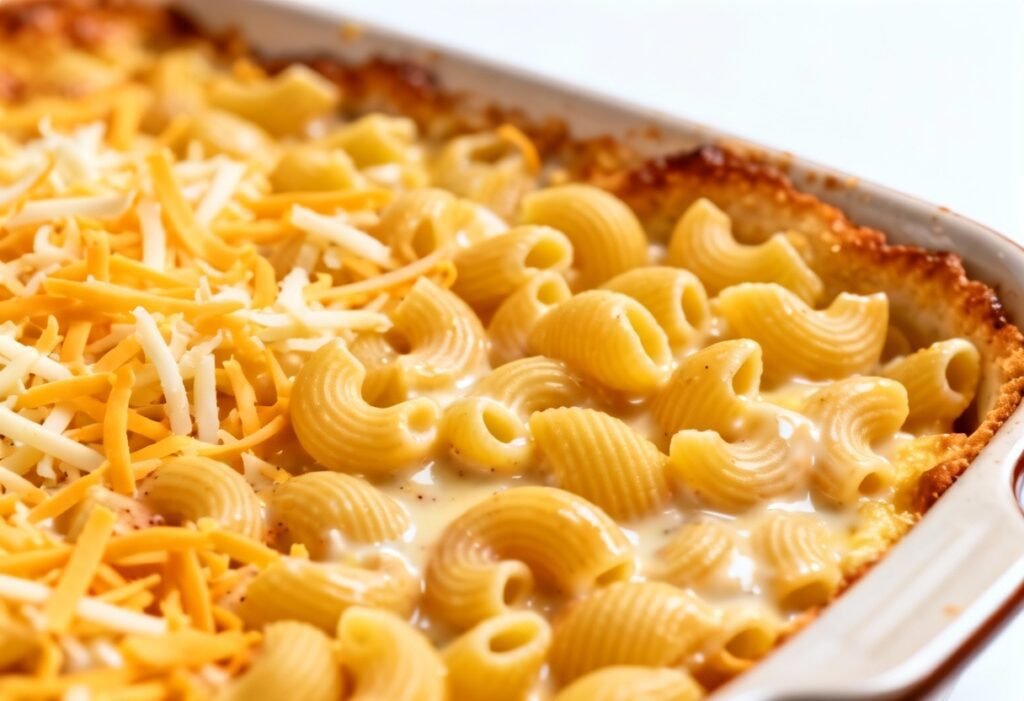
- Bake It: For a baked version, transfer the shells and cheese to a greased baking dish, top with breadcrumbs (optional), and bake at 350°F (175°C) for 20-25 minutes, or until golden brown and bubbly.
Storage Instructions
Leftover shells and cheese can be stored in an airtight container in the refrigerator for up to 3-4 days. To reheat, add a splash of milk or cream to the shells and cheese and microwave in 30-second intervals, stirring in between, until heated through. You can also reheat it in a saucepan over low heat, stirring frequently. The sauce may thicken upon refrigeration, but adding a little liquid will restore its creamy consistency.

FAQ
Q: Can I use different types of cheese?
A: Absolutely! Feel free to experiment with different cheeses like Gruyere, Fontina, Gouda, or even a touch of Parmesan. Just be sure to choose cheeses that melt well.
Q: Can I make this recipe gluten-free?
A: Yes! Simply use gluten-free pasta and a gluten-free all-purpose flour blend for the roux.
Q: Can I make this recipe ahead of time?
A: While it’s best served fresh, you can prepare the cheese sauce ahead of time and store it in the refrigerator for up to 2 days. When ready to serve, cook the pasta and combine it with the reheated cheese sauce.
Q: My cheese sauce is grainy. What did I do wrong?
A: Grainy cheese sauce is usually caused by overheating the cheese. Be sure to melt the cheese over low heat and stir constantly. Also, avoid using pre-shredded cheese.
Q: Can I freeze shells and cheese?
A: Freezing is not recommended as the texture can change and become grainy upon thawing. It’s best enjoyed fresh.
Q: How can I make this recipe spicier?
A: Add a pinch of cayenne pepper to the cheese sauce, or stir in some chopped jalapenos. You can also use pepper jack cheese for a spicy kick.
Conclusion
This shells and cheese recipe is more than just a quick and easy meal; it’s a celebration of simple ingredients and comforting flavors. With a few key techniques, you can transform this classic dish into a truly unforgettable experience. So ditch the boxed stuff and embrace the joy of homemade. Your taste buds (and your family) will thank you! Whether you’re looking for a weeknight dinner solution or a crowd-pleasing side dish, this recipe is guaranteed to be a winner. Enjoy!