Steam Bread Recipe South Africa: The Softest, Fluffiest Loaf You’ll Ever Make!
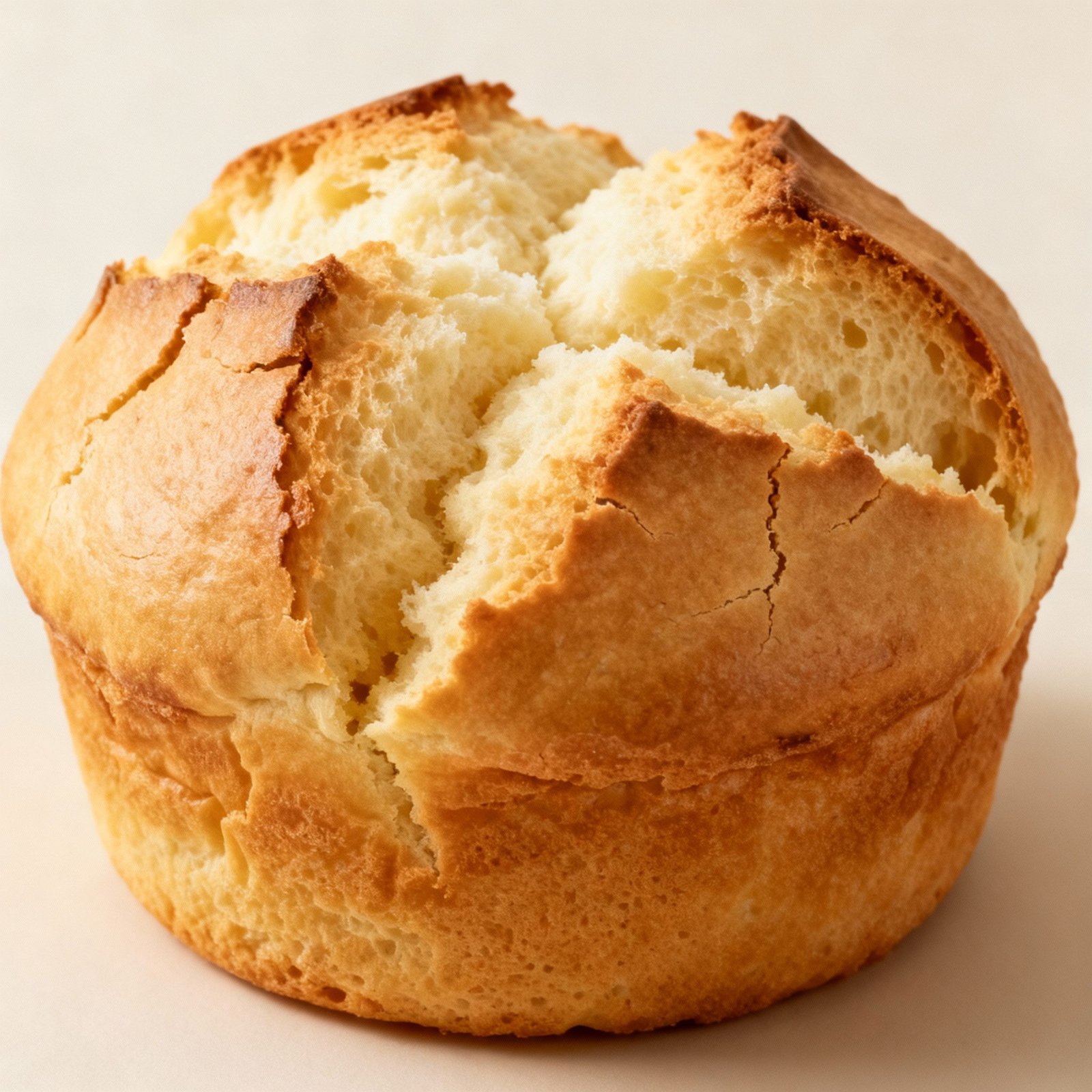
In South Africa, there’s a certain magic to the aroma of freshly baked bread filling the air. But sometimes, the heat of an oven isn’t necessary to create a truly remarkable loaf. Enter: steamed bread, or ujeqe as it’s known in Zulu and Xhosa. This incredibly soft and fluffy bread, cooked entirely through steaming, is a staple in many South African households. It’s a comforting, versatile bread that pairs perfectly with stews, curries, or simply enjoyed with a generous dollop of butter and jam. Forget kneading for hours and worrying about oven temperatures; this recipe offers a surprisingly simple and rewarding way to bake a delicious loaf of bread. Prepare to be amazed by the ease and the incredible texture of this South African classic!
Why This Recipe Works
This steamed bread recipe isn’t just easy; it’s also incredibly reliable. The secret lies in the steaming process itself. Unlike baking, which can dry out the bread, steaming creates a moist environment that allows the dough to rise beautifully and develop a wonderfully soft and even texture. Here’s why this recipe is a winner:
- Consistent Moisture: Steaming ensures the bread remains hydrated throughout the cooking process, resulting in an exceptionally soft and almost melt-in-your-mouth texture.
- Even Cooking: The gentle, consistent heat of the steam cooks the bread evenly, preventing burnt edges or a doughy center.
- Simple Ingredients: You likely already have all the ingredients you need in your pantry. This recipe relies on basic staples like flour, yeast, sugar, and salt.
- Easy to Follow: The step-by-step instructions are clear and concise, making this recipe accessible for both novice and experienced bakers.
- Adaptable: While this recipe provides a classic steamed bread, you can easily customize it by adding seeds, herbs, or even cheese to the dough.
Ingredients
- 4 cups (500g) all-purpose flour
- 2 teaspoons (10g) instant dry yeast
- 2 tablespoons (30ml) sugar
- 1 teaspoon (5g) salt
- 1 ½ cups (360ml) lukewarm water
- 2 tablespoons (30ml) vegetable oil, plus extra for greasing
Instructions
- Combine Dry Ingredients: In a large bowl, whisk together the flour, yeast, sugar, and salt until well combined. This ensures even distribution of the yeast and other ingredients.
- Add Water and Oil: Gradually add the lukewarm water and vegetable oil to the dry ingredients. Mix with a wooden spoon or your hands until a shaggy dough forms.
- Knead the Dough: Turn the dough out onto a lightly floured surface and knead for 5-7 minutes, or until the dough is smooth and elastic. The dough should be slightly sticky but manageable. If it’s too sticky, add a little flour, one tablespoon at a time.
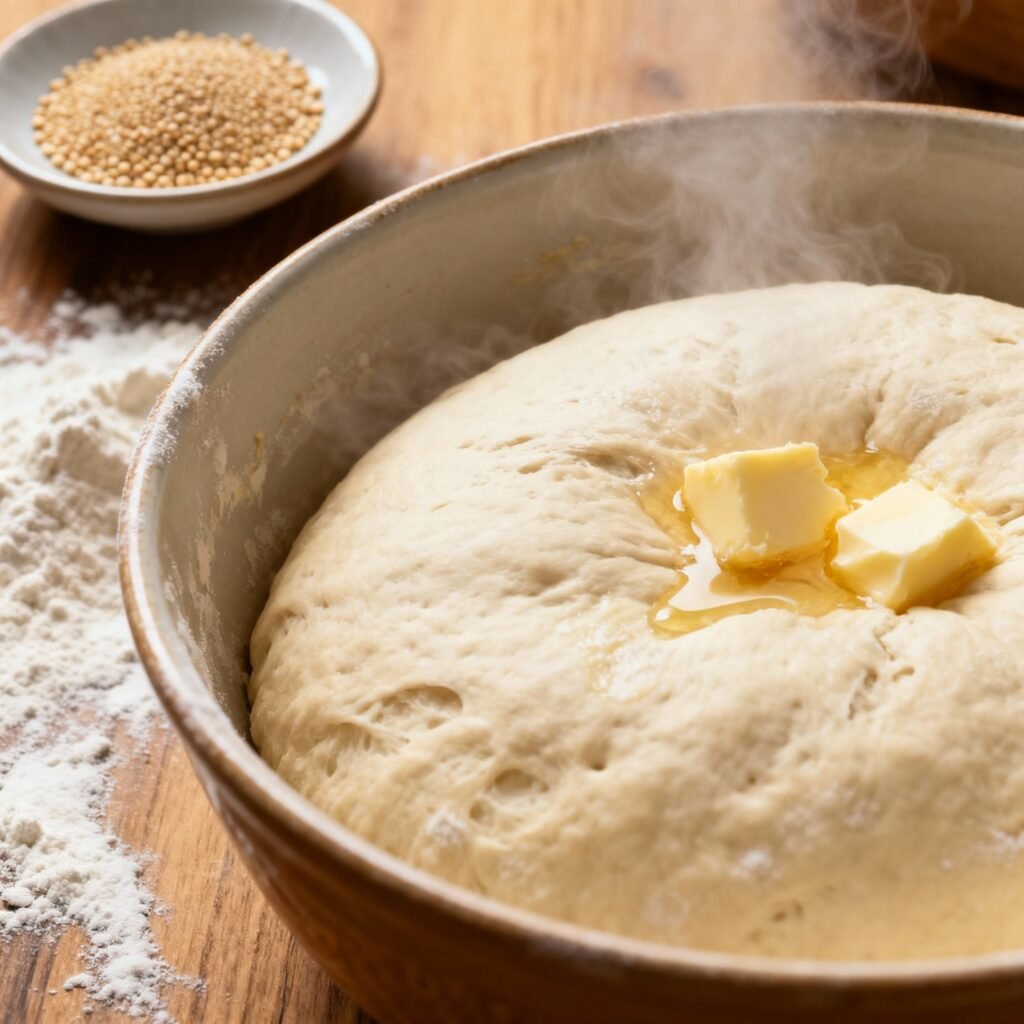
- First Rise: Place the dough in a lightly oiled bowl, turning to coat all sides. Cover the bowl with plastic wrap or a clean kitchen towel and let it rise in a warm place for about 1 hour, or until doubled in size. This allows the yeast to work its magic and create a light and airy texture.
- Shape the Dough: Gently punch down the risen dough to release the air. Shape the dough into a round or oval loaf.
- Prepare for Steaming: Grease a heatproof bowl or a metal baking tin that will fit inside your large pot. Place the shaped dough into the prepared bowl.
- Second Rise: Cover the bowl with plastic wrap or a clean kitchen towel and let it rise for another 30-45 minutes, or until the dough has almost doubled in size again. This second rise ensures a truly light and fluffy bread.
- Steam the Bread: Fill a large pot with about 2-3 inches of water. Place a trivet or steamer basket inside the pot, ensuring that the water level is below the trivet. Bring the water to a boil.
- Carefully Place the Dough: Carefully place the bowl with the dough onto the trivet or steamer basket. Make sure the bowl is stable.
- Cover and Steam: Cover the pot tightly with a lid. Reduce the heat to medium-low and steam the bread for 45-60 minutes, or until a toothpick inserted into the center comes out clean. Check the water level occasionally and add more hot water if necessary. It’s crucial to maintain a consistent level of steam throughout the cooking process.
- Cool and Serve: Carefully remove the bowl from the pot. Let the bread cool in the bowl for a few minutes before inverting it onto a wire rack to cool completely.
Tips for Success
- Use Lukewarm Water: The water should be warm to the touch, but not hot. Hot water can kill the yeast.
- Don’t Overknead: Overkneading can result in a tough bread. Knead until the dough is smooth and elastic, but not overly firm.
- Proper Steaming: Ensure the pot is tightly covered to trap the steam. A tight-fitting lid is essential for successful steaming.
- Check for Doneness: Use a toothpick to check if the bread is cooked through. If the toothpick comes out with wet dough, continue steaming for a few more minutes.
- Experiment with Flavors: Add a teaspoon of mixed herbs, a handful of grated cheese, or some sunflower seeds to the dough for added flavor and texture.
- Use the Right Bowl: Ensure the bowl you use for steaming is heatproof and can withstand the high temperature of the steam. Stainless steel or oven-safe glass bowls work well.
Storage Instructions
Steamed bread is best enjoyed fresh, but it can be stored for later use. Wrap the cooled bread tightly in plastic wrap or place it in an airtight container. It will stay fresh at room temperature for up to 2-3 days. You can also freeze the bread for longer storage. Slice the bread before freezing for easier thawing. To thaw, simply leave the bread at room temperature for a few hours or warm it in a low oven.
FAQ
Q: Can I use bread flour instead of all-purpose flour?
A: Yes, you can use bread flour. It will result in a slightly chewier bread. You may need to adjust the amount of water slightly, as bread flour absorbs more liquid than all-purpose flour.
Q: My bread is still doughy in the middle. What did I do wrong?
A: This usually indicates that the bread wasn’t steamed long enough. Make sure you are steaming the bread for the full recommended time, and check for doneness with a toothpick. Also, ensure your pot is tightly covered to maintain a consistent level of steam.
Q: Can I use a pressure cooker to steam the bread?
A: Yes, you can use a pressure cooker. Place the dough on a trivet inside the pressure cooker with about 1 cup of water. Cook on high pressure for about 30-40 minutes, followed by a natural pressure release.
Q: Can I add baking powder to the dough?
A: While not traditional, adding a teaspoon of baking powder can give the bread an extra lift. However, it’s not necessary as the yeast should provide sufficient rise.
Q: What can I serve with steamed bread?
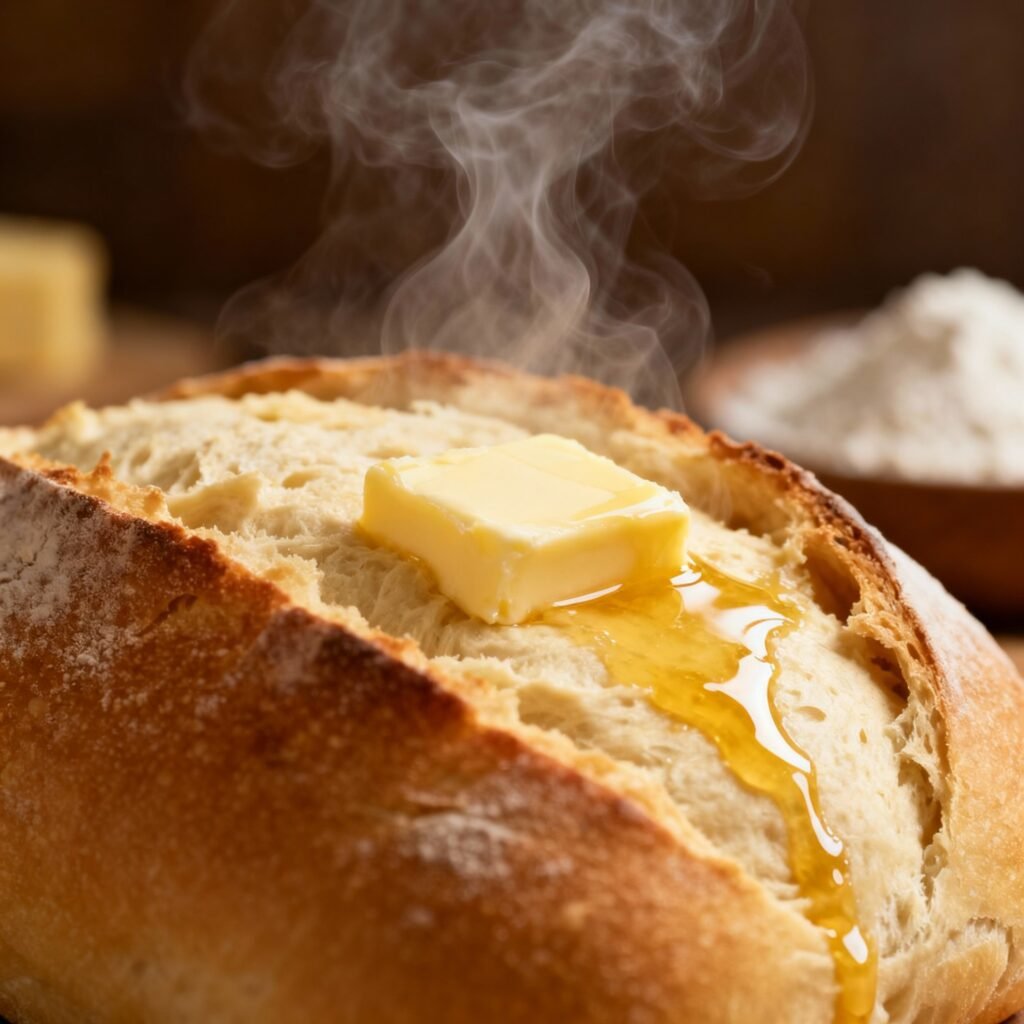
A: Steamed bread is incredibly versatile! It pairs perfectly with stews, curries, soups, and even braaied meat. It’s also delicious with butter, jam, cheese, or a simple spread.
Conclusion
Steamed bread, or ujeqe, is more than just a recipe; it’s a taste of South African heritage. Its simplicity and satisfying results make it a perfect choice for both beginner and experienced bakers. The soft, fluffy texture is unlike anything you’ve experienced, and the versatility of this bread makes it a welcome addition to any meal. So, gather your ingredients, prepare your steamer, and get ready to enjoy a truly authentic and delicious South African treat! You’ll be amazed at how easy it is to create such a comforting and flavorful loaf. Happy baking (or should we say, steaming)!