Sweet Roll Dough Recipe: The Ultimate Guide to Soft & Fluffy Perfection
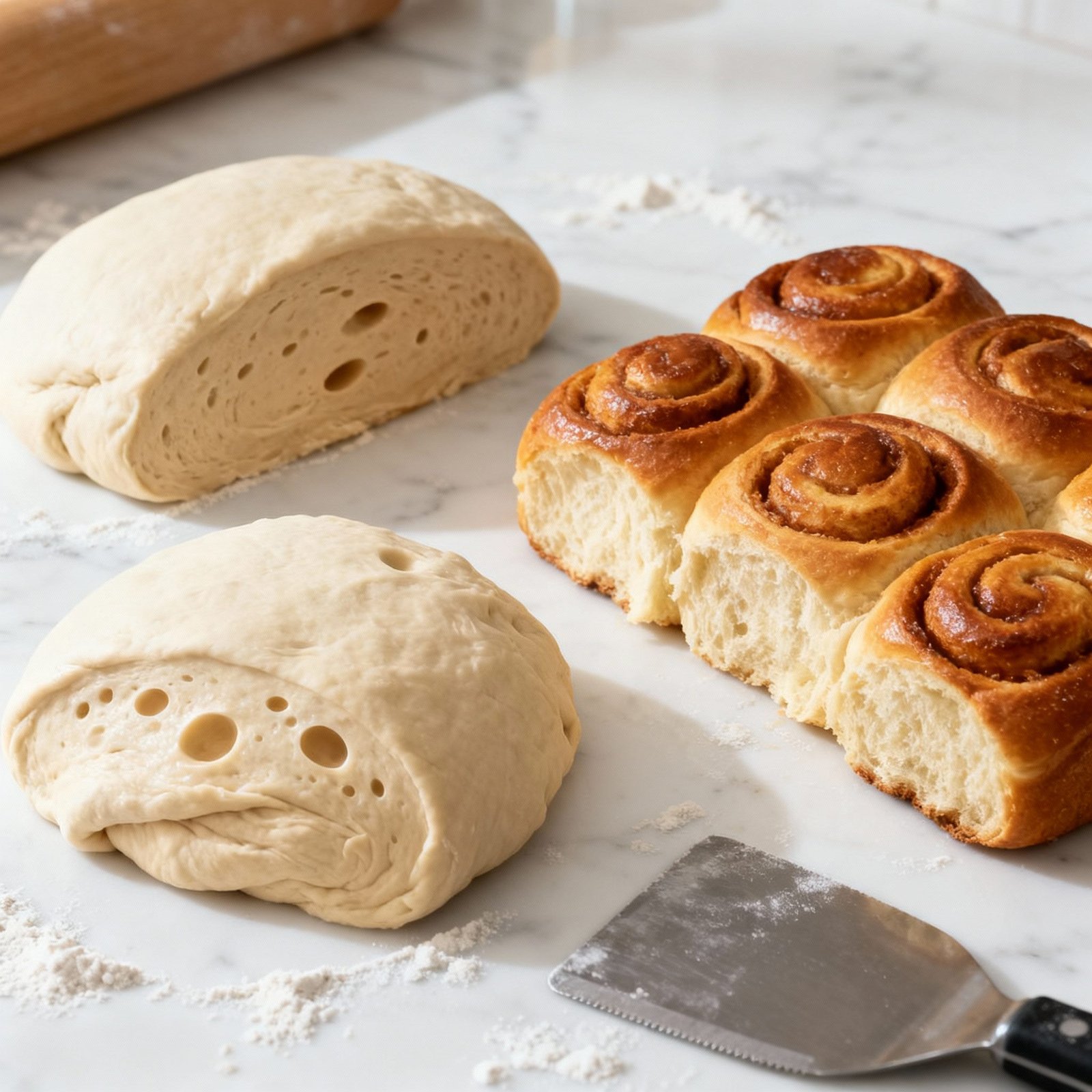
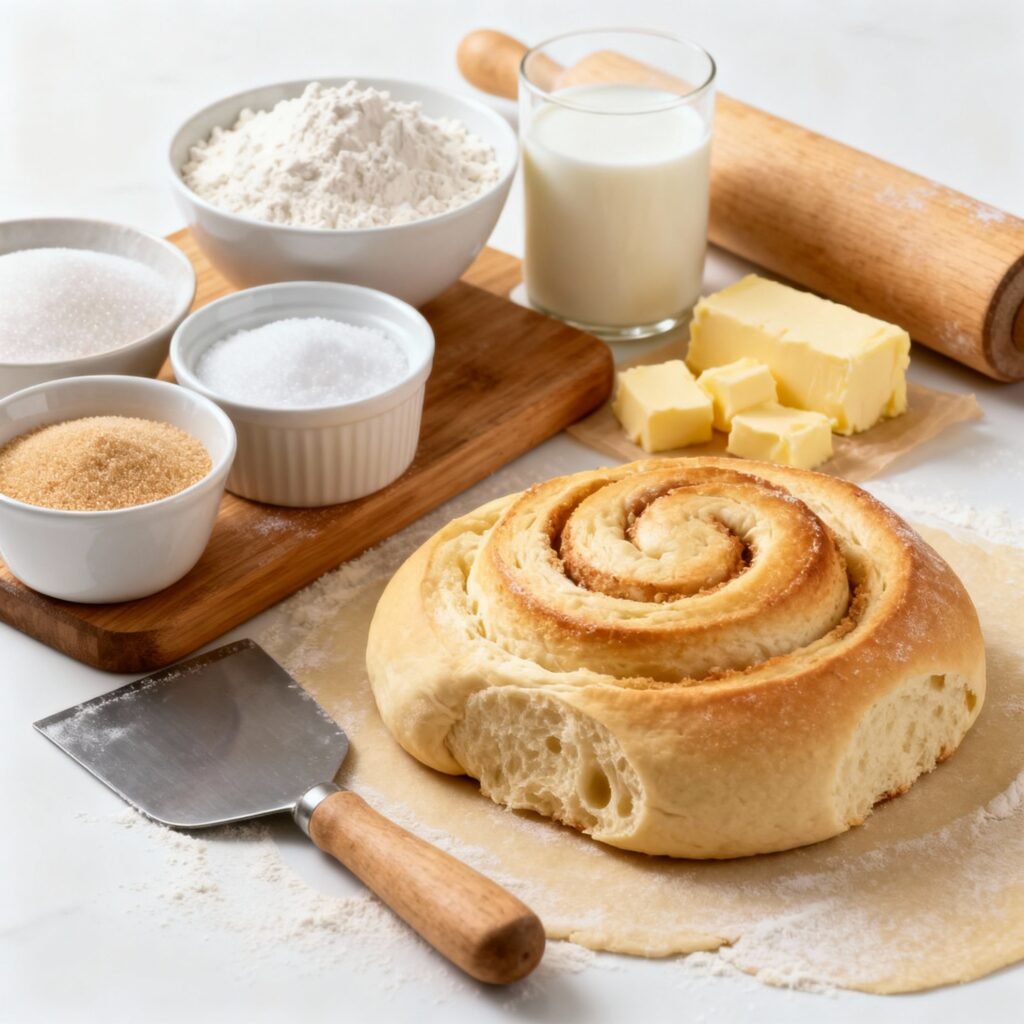
Is there anything more comforting than the aroma of freshly baked sweet rolls wafting through your kitchen? The soft, pillowy dough, the sweet and gooey filling, and the decadent frosting – it’s a symphony of flavors and textures that’s simply irresistible. But mastering the art of sweet roll dough can feel daunting. This recipe takes away the guesswork and guides you through each step, ensuring you create sweet rolls that are not only delicious but also beautifully soft and fluffy every single time. Get ready to impress your family and friends with homemade sweet rolls that rival even the best bakeries!
Why This Recipe Works
This recipe is more than just a list of ingredients; it’s a carefully crafted formula designed for success. Here’s why it works:
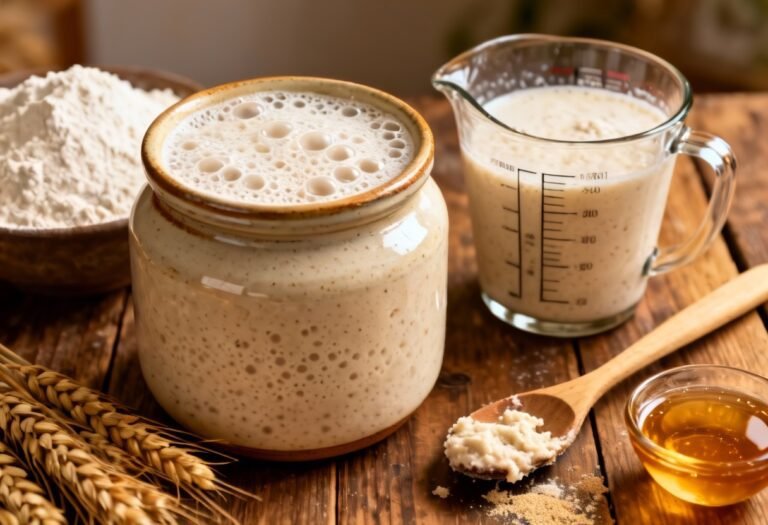
- Yeast Activation: We ensure the yeast is active and ready to work its magic by proofing it with warm milk and a touch of sugar. This crucial step guarantees a good rise and a light, airy texture.
- Enriched Dough: The addition of butter, eggs, and sugar creates an “enriched dough.” These ingredients add richness, tenderness, and that characteristic soft crumb that makes sweet rolls so heavenly.
- Proper Kneading: Kneading develops the gluten in the flour, which provides structure and elasticity to the dough. We provide clear instructions on how to knead properly, whether by hand or with a stand mixer.
- Controlled Rising: Allowing the dough to rise in a warm, draft-free environment is essential for achieving optimal volume and a light texture. We provide guidance on how to create the ideal rising conditions.
- Perfect Baking Temperature: Baking at the correct temperature ensures that the sweet rolls are cooked through without becoming dry or burnt.
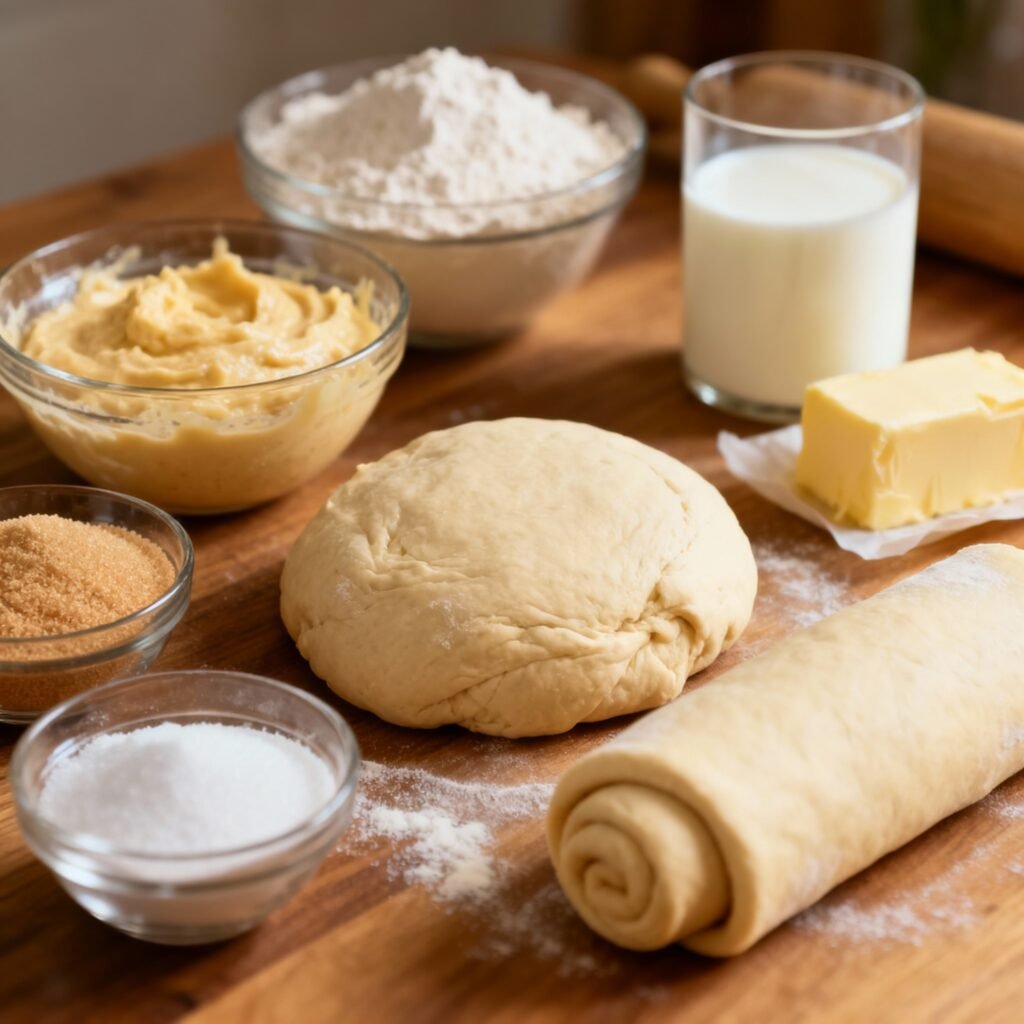
Ingredients
- Active Dry Yeast: 2 1/4 teaspoons (one packet)
- Warm Milk: 1 cup (105-115°F) – Whole milk is recommended for richness.
- Granulated Sugar: 1/2 cup, plus 1 teaspoon for proofing the yeast
- Salt: 1 teaspoon
- Large Eggs: 2, lightly beaten
- Unsalted Butter: 1/4 cup (4 tablespoons), melted and slightly cooled
- All-Purpose Flour: 4 – 4 1/2 cups, plus more for dusting
Instructions
- Proof the Yeast: In a large bowl or the bowl of a stand mixer, combine the warm milk and 1 teaspoon of sugar. Sprinkle the yeast over the milk and let it stand for 5-10 minutes, or until foamy. This indicates that the yeast is active.
- Combine Wet Ingredients: Add the remaining 1/2 cup of sugar, salt, beaten eggs, and melted butter to the yeast mixture. Stir to combine.
- Add Flour Gradually: Gradually add the flour, one cup at a time, mixing well after each addition. If using a stand mixer, use the dough hook attachment. Continue adding flour until the dough comes together and forms a shaggy mass.
- Knead the Dough:
- By Hand: Turn the dough out onto a lightly floured surface and knead for 8-10 minutes, or until the dough is smooth, elastic, and slightly tacky. Add more flour, one tablespoon at a time, if the dough is too sticky.
- With a Stand Mixer: Knead the dough with the dough hook attachment for 6-8 minutes on medium speed, or until the dough is smooth, elastic, and pulls away from the sides of the bowl.
- First Rise: Place the dough in a lightly oiled bowl, turning to coat. Cover the bowl with plastic wrap or a clean kitchen towel and let it rise in a warm, draft-free place for 1-1.5 hours, or until doubled in size.
- Punch Down the Dough: Gently punch down the dough to release the air.
- Shape the Sweet Rolls: Turn the dough out onto a lightly floured surface. Roll it into a large rectangle, about 12×18 inches. At this point, you can add your desired filling (cinnamon sugar, fruit filling, etc.). Roll the dough tightly into a log, starting from one of the long sides. Pinch the seam to seal.
- Cut the Rolls: Using a sharp knife or unflavored dental floss, cut the log into 12-15 rolls.
- Second Rise: Place the rolls in a greased 9×13 inch baking pan, leaving a little space between them. Cover with plastic wrap or a clean kitchen towel and let them rise in a warm, draft-free place for 30-45 minutes, or until puffy.
- Bake: Preheat oven to 350°F (175°C). Bake for 20-25 minutes, or until the rolls are golden brown on top.
- Cool and Frost: Let the rolls cool in the pan for a few minutes before frosting with your favorite frosting. Cream cheese frosting is a classic choice!
Tips for Success
- Use a Thermometer: Ensure the milk is between 105-115°F (40-46°C) for optimal yeast activation. Too hot, and you’ll kill the yeast; too cold, and it won’t activate properly.
- Don’t Over-Knead: Over-kneading can result in tough rolls. Knead until the dough is smooth and elastic, but not overly stiff.
- Warm Environment for Rising: A warm environment is crucial for the dough to rise properly. You can place the bowl in a slightly warm oven (turned off) or in a sunny spot.
- Adjust Flour as Needed: The amount of flour needed may vary depending on the humidity and the type of flour used. Add flour gradually until the dough reaches the desired consistency.
- Don’t Overbake: Overbaking can result in dry rolls. Check for doneness by inserting a toothpick into the center of a roll. It should come out clean or with a few moist crumbs attached.
- Room Temperature Ingredients: While the milk needs to be warm for the yeast, other ingredients like eggs and melted butter are best when closer to room temperature. This helps the dough come together more smoothly.
Storage Instructions
Unfrosted Sweet Rolls: Store unfrosted sweet rolls in an airtight container at room temperature for up to 2 days or in the refrigerator for up to 5 days. Reheat in the oven or microwave before serving.
Frosted Sweet Rolls: Store frosted sweet rolls in an airtight container in the refrigerator for up to 3 days. Let them come to room temperature before serving for the best flavor and texture.
Freezing: Sweet rolls can be frozen before or after baking. To freeze unbaked rolls, place them in a single layer on a baking sheet and freeze until solid. Then, transfer them to a freezer-safe bag or container. To bake, thaw overnight in the refrigerator and then let them rise for the second time before baking as directed. Baked sweet rolls can be frozen similarly. Thaw at room temperature and reheat before serving.
FAQ
- Can I use instant yeast instead of active dry yeast? Yes, you can substitute instant yeast for active dry yeast. You don’t need to proof instant yeast; simply add it directly to the dry ingredients.
- Can I use a different type of milk? While whole milk is recommended for its richness, you can use other types of milk, such as 2% milk or even plant-based milk alternatives. Keep in mind that the flavor and texture may be slightly different.
- What if my dough doesn’t rise? Make sure your yeast is active and that you’re providing a warm environment for rising. Also, check the expiration date on your yeast. If the dough still doesn’t rise, it may be that the yeast is dead and you’ll need to start over with fresh yeast.
- Can I make this dough ahead of time? Yes, you can make the dough ahead of time and refrigerate it after the first rise. Punch down the dough and wrap it tightly in plastic wrap. It can be stored in the refrigerator for up to 24 hours. Let it come to room temperature for about 30 minutes before shaping and baking.
- What fillings can I use? The possibilities are endless! Cinnamon sugar is a classic, but you can also use fruit fillings, chocolate chips, nuts, or even savory fillings like cheese and herbs.
Conclusion
With this recipe and guide, you’re well on your way to creating sweet rolls that are the envy of everyone who tastes them. Don’t be afraid to experiment with different fillings and frostings to create your own signature sweet roll. Remember to be patient and enjoy the process. Baking is a labor of love, and the reward is a batch of warm, delicious sweet rolls that will bring joy to your home. Happy baking!