Vegan Black Eyed Peas Recipe: Southern Comfort, Plant-Based Soul
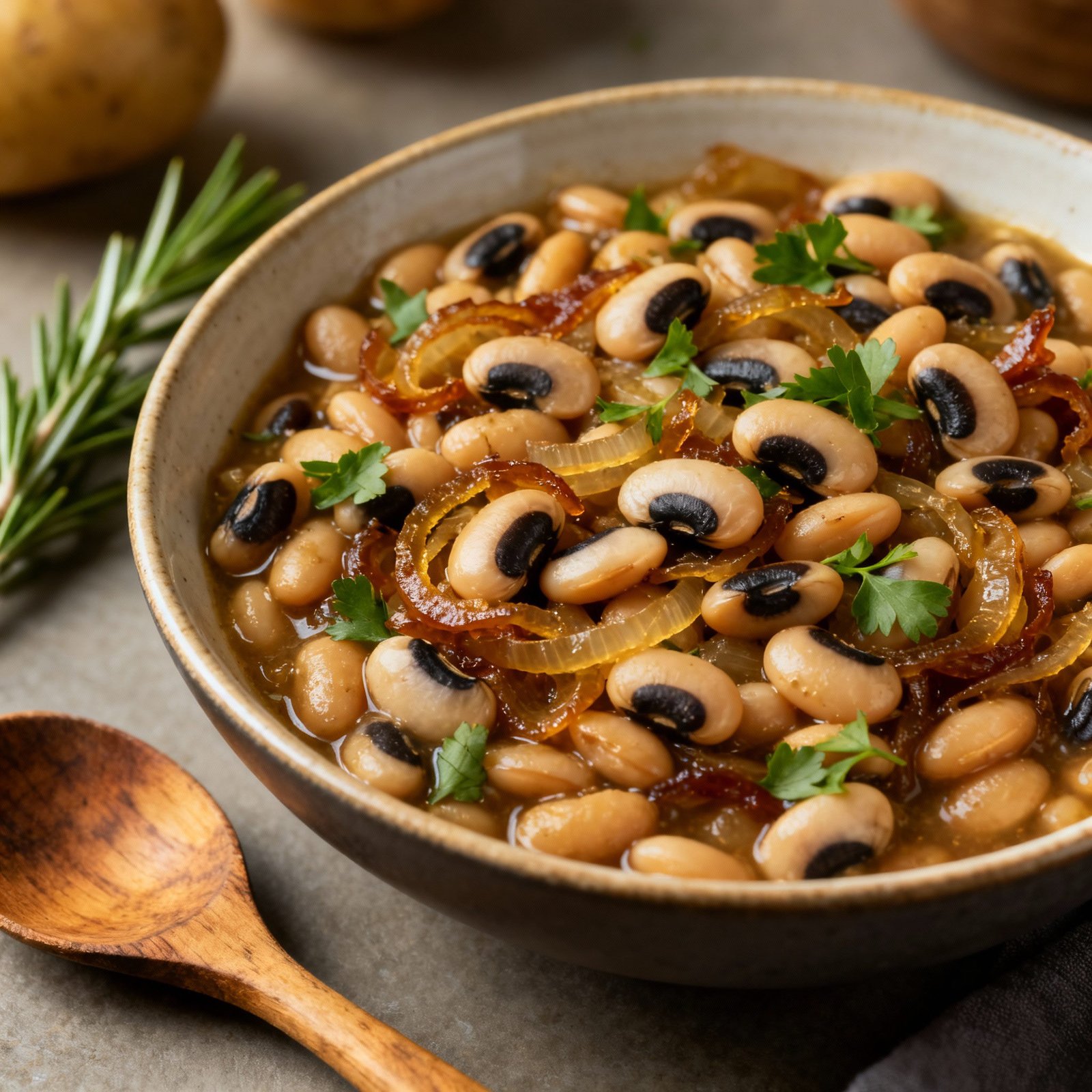
Black eyed peas: they’re more than just a New Year’s tradition. They’re a hearty, flavorful, and incredibly versatile legume that deserves a regular spot on your dinner table. This vegan black eyed peas recipe brings all the classic Southern comfort you crave, without any of the meat. Forget bland and boring; this dish is packed with smoky flavors, tender peas, and a touch of spice that will have you coming back for seconds (and thirds!). Whether you’re a seasoned vegan or just looking to add more plant-based meals to your repertoire, this recipe is a winner.
Why This Recipe Works
This recipe isn’t just about throwing some black eyed peas in a pot and hoping for the best. We’ve carefully crafted it to maximize flavor and texture, resulting in a dish that’s both satisfying and authentic. Here’s why it works:
- Smoked Paprika is Key: Instead of relying on traditional ham hocks or bacon for that smoky flavor, we use smoked paprika. It adds a depth of flavor that perfectly mimics the real deal, without any animal products.
- Proper Soaking (or Quick Soak): Soaking the black eyed peas is crucial for reducing cooking time and making them more digestible. We offer both a traditional overnight soaking method and a quick soak option for when you’re short on time.
- Aromatic Vegetables: Onions, celery, and garlic form the foundation of the flavor profile. Sautéing them properly releases their natural sweetness and creates a delicious base for the dish.
- Vegetable Broth is Essential: Using high-quality vegetable broth adds richness and depth of flavor that water simply can’t match. Look for a low-sodium broth to control the salt level.
- Bay Leaf and Thyme: These classic Southern herbs infuse the black eyed peas with a subtle, earthy aroma that complements the smoky paprika perfectly.
- A Touch of Heat: A pinch of cayenne pepper adds a subtle kick that balances the richness of the dish. Feel free to adjust the amount to your liking.
Ingredients
- 1 pound dried black eyed peas
- 1 tablespoon olive oil
- 1 large yellow onion, chopped
- 2 celery stalks, chopped
- 3 cloves garlic, minced
- 1 red bell pepper, chopped (optional, but adds sweetness and color)
- 2 teaspoons smoked paprika
- 1 teaspoon dried thyme
- 1/2 teaspoon cayenne pepper (or more, to taste)
- 1 bay leaf
- 8 cups vegetable broth (low sodium)
- Salt and pepper to taste
- Fresh parsley, chopped (for garnish)
- Hot sauce (optional, for serving)

Instructions
- Soak the Black Eyed Peas:
- Traditional Soak: Rinse the black eyed peas and place them in a large bowl. Cover with plenty of cold water (about 2 inches above the peas). Let them soak for at least 8 hours or overnight. Drain and rinse before cooking.
- Quick Soak: Rinse the black eyed peas and place them in a large pot. Cover with plenty of cold water. Bring to a boil, then boil for 2-3 minutes. Remove from heat, cover, and let soak for 1 hour. Drain and rinse before cooking.
- Sauté the Vegetables: Heat the olive oil in a large pot or Dutch oven over medium heat. Add the onion and celery and cook until softened, about 5-7 minutes. Add the garlic and red bell pepper (if using) and cook for another minute until fragrant.
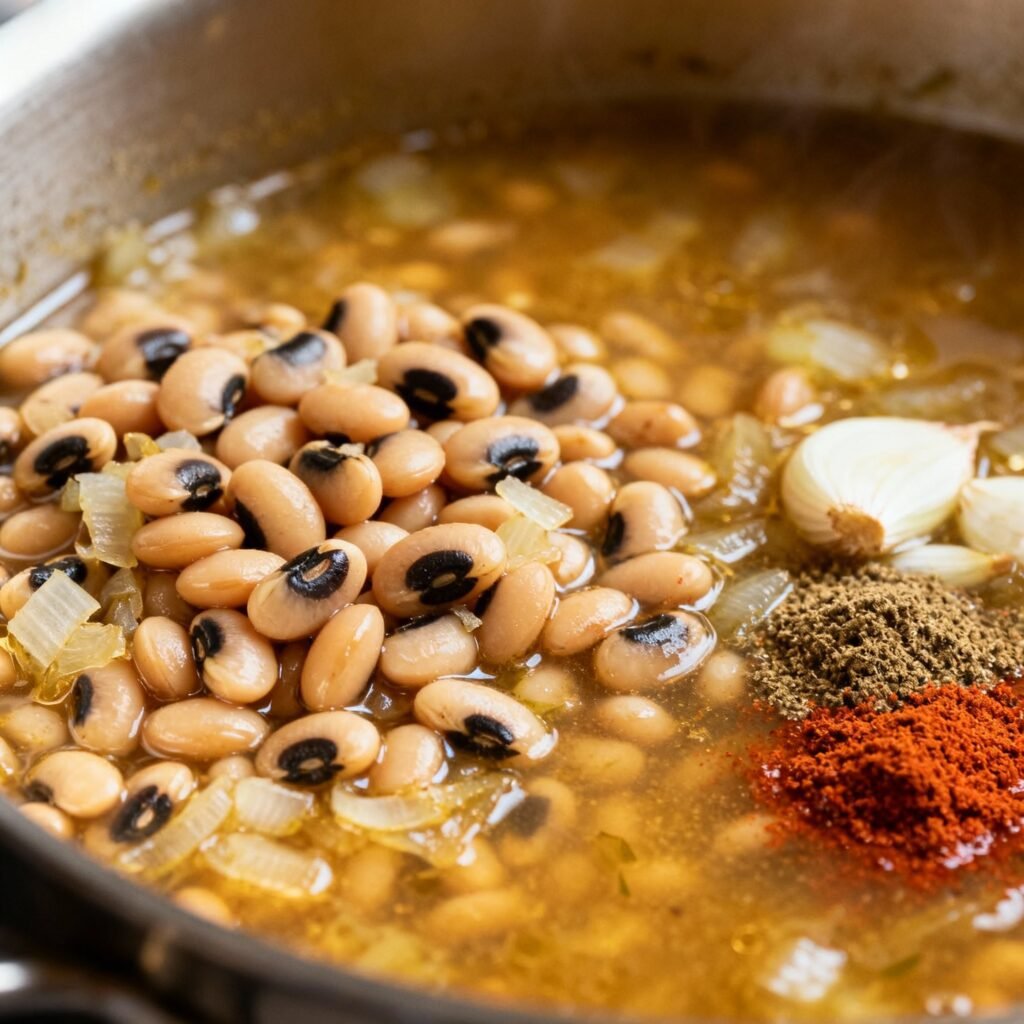
- Add Spices: Stir in the smoked paprika, thyme, and cayenne pepper. Cook for 30 seconds, stirring constantly, until fragrant. This helps to bloom the spices and release their flavor.
- Combine Ingredients: Add the drained and rinsed black eyed peas, bay leaf, and vegetable broth to the pot. Bring to a boil, then reduce heat to low, cover, and simmer for 1-1.5 hours, or until the black eyed peas are tender. Stir occasionally to prevent sticking.
- Season and Serve: Once the black eyed peas are tender, remove the bay leaf. Season with salt and pepper to taste. If the broth is too thin, you can remove the lid and simmer for a few more minutes to reduce the liquid.
- Garnish and Enjoy: Serve hot, garnished with fresh parsley. Offer hot sauce on the side for those who like extra heat. Enjoy on its own, over rice, or with a side of vegan cornbread.
Tips for Success
- Don’t Overcook: Overcooked black eyed peas can become mushy. Check for tenderness after 1 hour and adjust cooking time accordingly.
- Adjust the Spices: Feel free to adjust the amount of smoked paprika and cayenne pepper to your liking. Start with the recommended amounts and add more to taste.
- Add Greens: For extra nutrients and flavor, stir in some chopped collard greens, kale, or spinach during the last 30 minutes of cooking.
- Use a Dutch Oven: A Dutch oven is ideal for this recipe because it distributes heat evenly and helps to prevent sticking. However, any large pot with a heavy bottom will work.
- Taste as You Go: Regularly taste the black eyed peas as they cook and adjust the seasoning as needed.
Storage Instructions
Leftover vegan black eyed peas can be stored in an airtight container in the refrigerator for up to 3-4 days. They can also be frozen for up to 2-3 months. To reheat, simply microwave or warm on the stovetop. Add a splash of vegetable broth if needed to loosen them up.
FAQ
Q: Can I use canned black eyed peas?
A: Yes, you can use canned black eyed peas, but the flavor and texture won’t be quite as good as using dried. If using canned, drain and rinse them before adding them to the pot. Reduce the cooking time to about 30 minutes, or until heated through.
Q: Can I make this recipe in a slow cooker?
A: Absolutely! Sauté the vegetables as directed, then transfer them to a slow cooker along with the remaining ingredients. Cook on low for 6-8 hours, or on high for 3-4 hours.
Q: Can I add other vegetables?
A: Yes! Feel free to add other vegetables such as carrots, potatoes, or turnips. Add them to the pot along with the black eyed peas.
Q: Is this recipe gluten-free?
A: Yes, this recipe is naturally gluten-free.
Q: What can I serve with vegan black eyed peas?
A: Vegan black eyed peas are delicious on their own or served over rice. They also pair well with vegan cornbread, collard greens, and other Southern-inspired dishes.
Conclusion
This vegan black eyed peas recipe is a testament to the fact that plant-based cooking can be both delicious and comforting. By using smoked paprika and aromatic vegetables, we’ve created a dish that’s bursting with flavor and reminiscent of traditional Southern cuisine. So, whether you’re celebrating New Year’s or simply craving a hearty and satisfying meal, give this recipe a try. You won’t be disappointed!