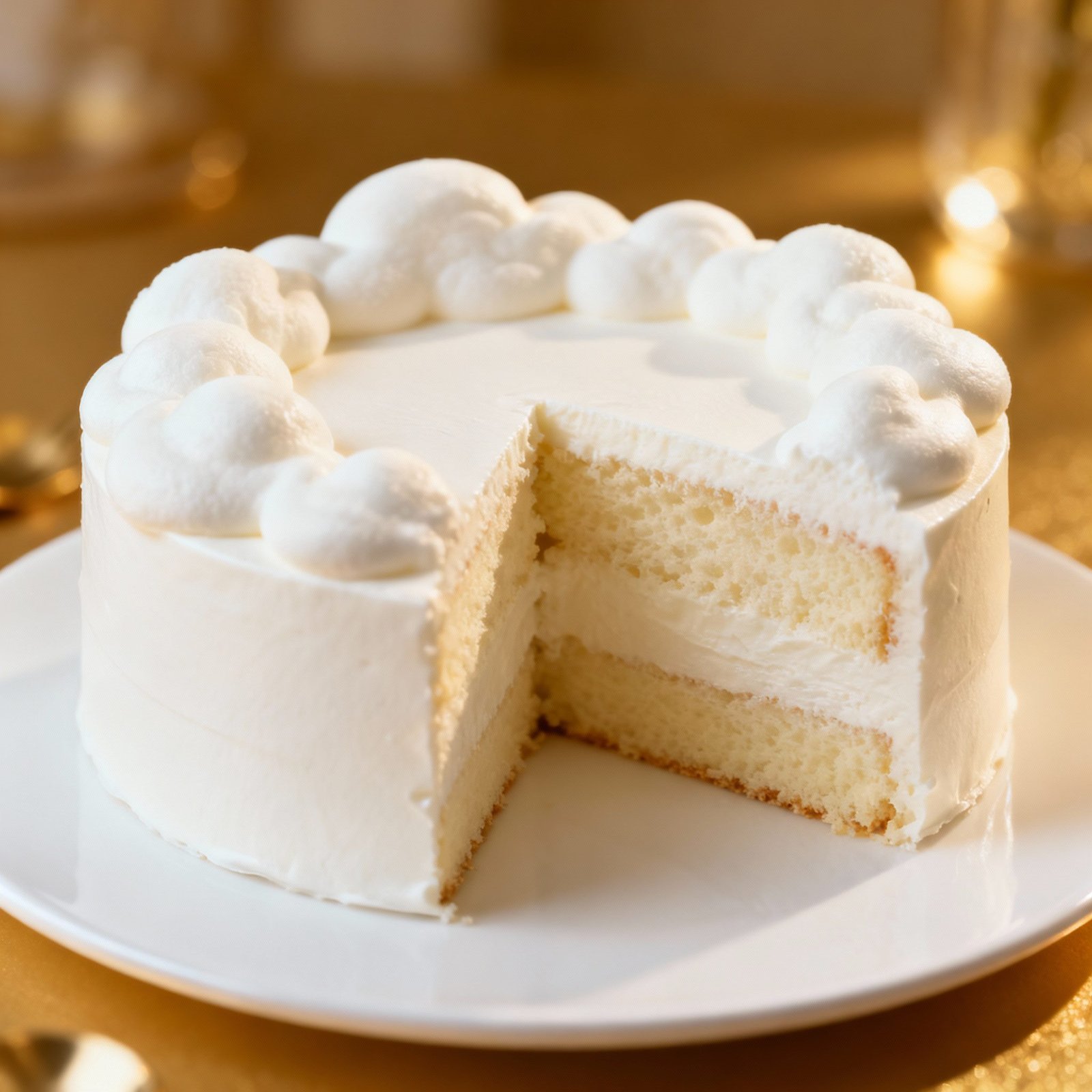
White Velvet Cake Recipe: The Secret to Cloud-Like Perfection
Imagine sinking your fork into a slice of cake so exquisitely soft, so delicately flavored, it practically melts in your mouth. That’s the promise of White Velvet Cake. This isn’t your average white cake; it’s a refined, elegant dessert with a tender crumb and a subtle sweetness that’s utterly irresistible. Forget dry, bland white cakes – this recipe unlocks the secret to a truly exceptional baking experience, resulting in a cake that’s perfect for birthdays, weddings, or any occasion that calls for a touch of sophisticated indulgence. Get ready to impress your friends and family with a cake that’s as beautiful as it is delicious!
Why This Recipe Works
This White Velvet Cake recipe stands out for a few key reasons that contribute to its superior texture and flavor:
- Cake Flour: Using cake flour, which has a lower protein content than all-purpose flour, is crucial for achieving that signature velvety crumb. The lower protein prevents excessive gluten development, resulting in a tender, delicate cake.
- Buttermilk: Buttermilk adds a subtle tang that balances the sweetness and tenderizes the gluten strands further. Its acidity also helps activate the baking soda, leading to a lighter, fluffier texture.
- Oil and Butter: The combination of oil and butter provides the best of both worlds. Oil contributes to the moistness of the cake, while butter adds richness and flavor.
- Creaming Method: Properly creaming the butter and sugar together is essential for incorporating air into the batter, which creates a light and airy cake.
- Egg Whites Only: Using only egg whites ensures a bright white color and a delicate texture. Egg yolks can add richness but also contribute to a denser cake and a slightly yellow hue.
- Folding Technique: Gently folding the dry ingredients into the wet ingredients prevents overmixing, which can lead to a tough cake.
Ingredients
- Cake Flour: 3 cups (300g), spooned and leveled
- Granulated Sugar: 1 ¾ cups (350g)
- Baking Powder: 3 ½ teaspoons
- Baking Soda: ½ teaspoon
- Salt: ½ teaspoon
- Vegetable Oil: ½ cup (120ml)
- Unsalted Butter: ½ cup (113g), softened
- Egg Whites: 4 large
- Buttermilk: 1 ¼ cups (300ml)
- Vanilla Extract: 2 teaspoons
- Almond Extract: ½ teaspoon (optional, but highly recommended for a subtle flavor boost)
Instructions
- Preheat and Prepare: Preheat your oven to 350°F (175°C). Grease and flour two 9-inch round cake pans. You can also line the bottoms with parchment paper rounds for easier removal.
- Combine Dry Ingredients: In a large bowl, whisk together the cake flour, granulated sugar, baking powder, baking soda, and salt.
- Combine Wet Ingredients: In a separate bowl, combine the vegetable oil, softened butter, egg whites, buttermilk, vanilla extract, and almond extract (if using).
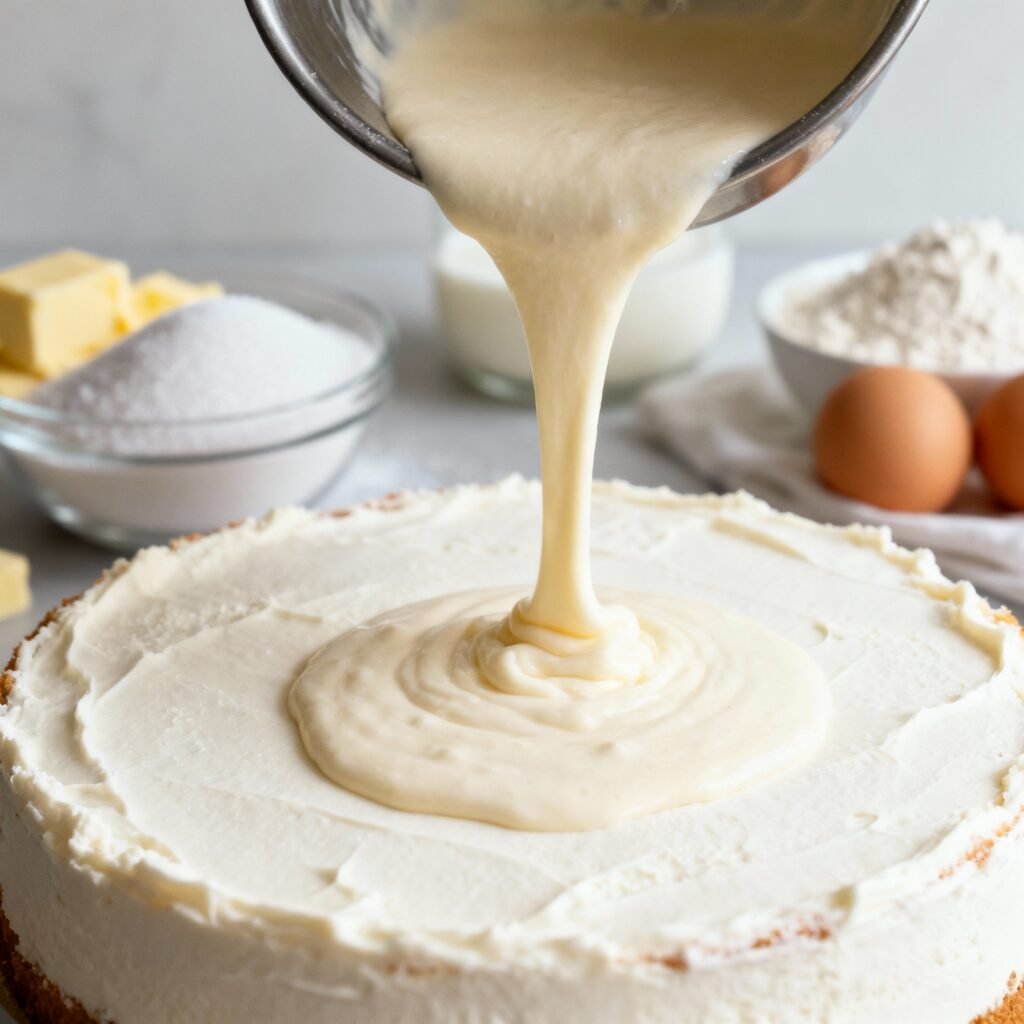
- Combine Wet and Dry: Gradually add the wet ingredients to the dry ingredients, mixing on low speed until just combined. Be careful not to overmix. The batter should be smooth but not overly beaten.
- Divide and Bake: Divide the batter evenly between the prepared cake pans. Bake for 25-30 minutes, or until a toothpick inserted into the center comes out clean.
- Cool in Pans: Let the cakes cool in the pans for 10 minutes before inverting them onto a wire rack to cool completely.
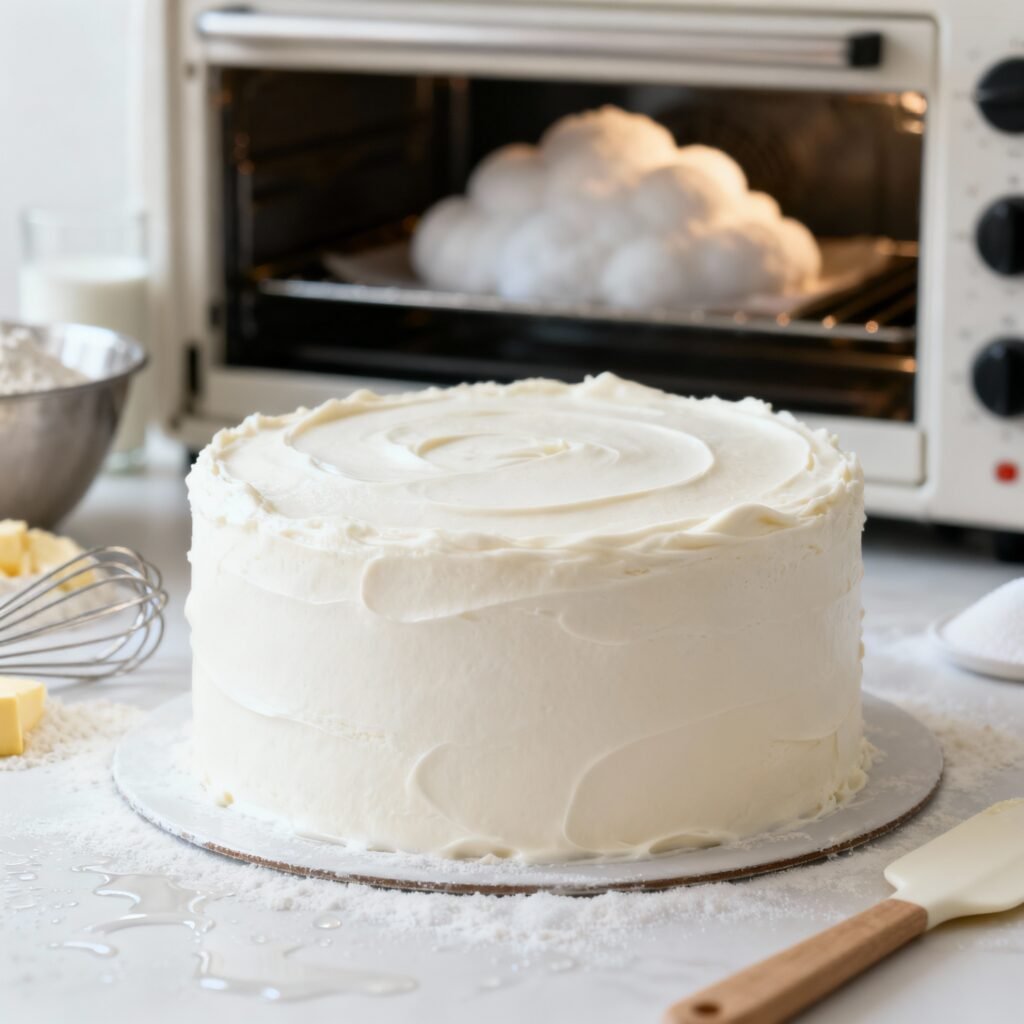
- Frost and Decorate: Once the cakes are completely cool, frost them with your favorite frosting. A classic cream cheese frosting or a light and fluffy Swiss meringue buttercream are excellent choices. Decorate as desired.
Tips for Success
- Measure Accurately: Accurate measurements are crucial for baking success. Use a kitchen scale for best results, especially when measuring flour. If using measuring cups, spoon the flour into the cup and level it off with a knife.
- Use Room Temperature Ingredients: Make sure your butter, egg whites, and buttermilk are at room temperature. This helps them emulsify properly, resulting in a smoother batter and a more even bake.
- Don’t Overmix: Overmixing the batter can develop the gluten in the flour, leading to a tough cake. Mix until just combined.
- Check for Doneness: Use a toothpick or cake tester to check for doneness. Insert it into the center of the cake; if it comes out clean or with a few moist crumbs attached, the cake is done.
- Cool Completely: Allow the cakes to cool completely before frosting. Frosting a warm cake can cause the frosting to melt and slide off.
- Level the Cakes: If the cakes have a slight dome, use a serrated knife to level the tops before frosting for a more professional look.
- Use High-Quality Extracts: The quality of your vanilla and almond extracts can significantly impact the flavor of the cake. Opt for pure extracts for the best results.
Storage Instructions
Unfrosted Cake Layers: Unfrosted cake layers can be stored at room temperature for up to 2 days, tightly wrapped in plastic wrap. For longer storage, wrap them well and freeze for up to 2 months. Thaw completely before frosting.
Frosted Cake: Frosted cake can be stored in the refrigerator for up to 3 days. Cover loosely to prevent it from drying out. Allow the cake to come to room temperature before serving for the best flavor and texture.
FAQ
Can I use all-purpose flour instead of cake flour?
While you can substitute all-purpose flour, the cake will be slightly denser. If you must use all-purpose flour, use 3 cups minus 2 tablespoons, and consider adding 2 tablespoons of cornstarch to the flour to help tenderize it.
Can I use regular milk instead of buttermilk?
Buttermilk is preferred for its tang and tenderizing properties. However, you can make a buttermilk substitute by adding 1 tablespoon of white vinegar or lemon juice to a liquid measuring cup, then filling it with milk to reach 1 ¼ cups. Let it sit for 5 minutes before using.
Can I make this cake ahead of time?
Yes! The cake layers can be baked a day or two in advance and stored tightly wrapped at room temperature or frozen. Frost the cake the day you plan to serve it.
What kind of frosting goes best with White Velvet Cake?
A classic cream cheese frosting or a light and fluffy Swiss meringue buttercream are excellent choices. A simple vanilla buttercream would also work well.
Can I make cupcakes with this recipe?
Yes, you can! Fill cupcake liners about 2/3 full and bake for 18-22 minutes, or until a toothpick inserted into the center comes out clean.
Conclusion
This White Velvet Cake recipe is more than just a cake; it’s an experience. It’s the joy of creating something beautiful and delicious, the satisfaction of watching your loved ones savor every bite, and the memory of a truly special occasion. So, gather your ingredients, preheat your oven, and prepare to bake a cake that will impress and delight. With its delicate flavor, tender crumb, and elegant appearance, this White Velvet Cake is sure to become a new family favorite. Enjoy!