Fermented Hot Sauce Recipe: Unleash the Flavor Bomb!
👩🍳 The Home Chef's Essential Kitchen
Consistently cooking incredible, healthy meals at home is so much easier when you aren't fighting with cheap tools. These are the 5 absolute powerhouse kitchen essentials that professional chefs and serious home cooks rely on every single day to get perfect results.
🍳 Lodge 10.25" Cast Iron Skillet
The single greatest value in all of cookware. It retains heat infinitely better than cheap non-stick pans, allowing you to get a restaurant-quality crust on steaks or perfect crispy edges on cornbread. With proper care, this $20 pan will literally outlive you.
🔪 Victorinox Fibrox Pro 8" Chef's Knife
A dull knife makes cooking a frustrating chore. This specific blade is the undisputed champion of the culinary world—it holds a terrifyingly sharp edge, features a comfortable non-slip grip, and performs identical to German knives that cost quadruple the price.
🌡️ ThermoPro Instant Read Thermometer
Never serve dry chicken or undercooked pork again. An instant-read thermometer is the secret difference between amateur cooks who 'guess' when protein is done, and professionals who know exactly when to pull meat off the heat for maximum juiciness.
🍲 Lodge Enameled Cast Iron Dutch Oven
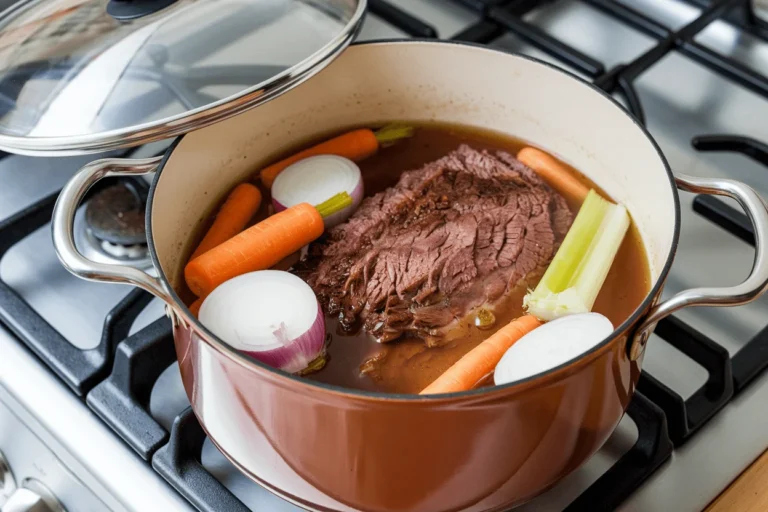
The ultimate workhorse for soups, stews, braised short ribs, and baking crusty artisanal bread. The enameled interior provides incredible heat distribution for slow-cooking while eliminating the intense seasoning maintenance required by bare cast iron.
🥄 Bpa-Free Silicone Utensil Set
Throw away those melting plastic spatulas and bacteria-harboring wooden spoons. This pure silicone set is heat-resistant up to 600°F, won't scratch your expensive pans, and features seamless designs that make cleaning out thick sauces and batters effortless.
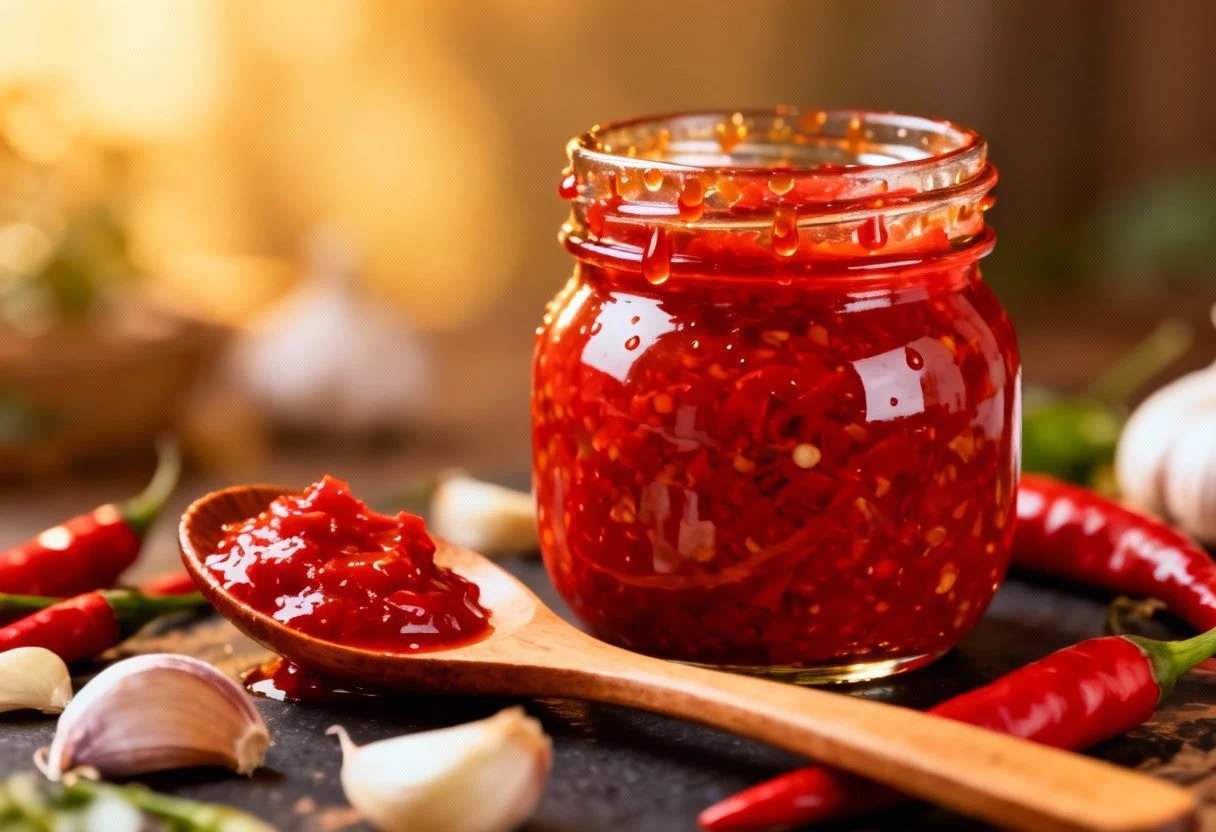
Are you ready to take your hot sauce game to a whole new level? Forget those vinegar-laden, store-bought sauces that leave you with a one-dimensional burn. We’re diving into the world of fermented hot sauce, where the magic of lacto-fermentation transforms simple peppers into complex, tangy, and irresistibly flavorful condiments. This recipe isn’t just about adding heat; it’s about crafting a nuanced and vibrant flavor profile that will elevate everything from eggs to tacos to grilled meats. Get ready to experience a hot sauce that’s truly alive!
Why This Recipe Works
This recipe leverages the power of lacto-fermentation, a process where beneficial bacteria (lactobacilli) convert sugars into lactic acid. This lactic acid not only preserves the peppers but also creates that signature tangy flavor that sets fermented hot sauce apart. Here’s why this recipe stands out:
- Controlled Fermentation: We guide you through each step, ensuring a safe and successful fermentation process.
- Flavor Depth: The fermentation process unlocks hidden flavors within the peppers, resulting in a more complex and satisfying heat.
- Customizable Heat: You’re in control! Choose your peppers to achieve your desired level of spiciness.
- Natural Preservatives: Fermentation creates a naturally acidic environment, inhibiting the growth of harmful bacteria and extending the shelf life of your hot sauce.
- Probiotic Benefits: Fermented foods are packed with beneficial bacteria that can contribute to a healthy gut microbiome. (Note: This is not a guaranteed health claim, but a potential benefit.)
Ingredients
- Peppers: 1 pound of fresh peppers, a mix of your choice. Consider:
- Jalapeños (mild)
- Serranos (medium)
- Habaneros (hot)
- Scotch Bonnets (very hot)
- Fresno Peppers (mild to medium)
- Ghost Peppers (extremely hot – use with caution!)
- Garlic: 4-6 cloves, peeled
- Onion: 1/2 medium onion, roughly chopped (optional, but adds depth)
- Water: Filtered or distilled water, chlorine-free
- Salt: 2-3% salt by weight of the peppers and vegetables (non-iodized sea salt or kosher salt is best). This is crucial for inhibiting unwanted bacteria.
- Optional Add-ins:
- Fruit: 1/2 cup of chopped mango, pineapple, or peaches (adds sweetness and complexity)
- Spices: 1 teaspoon of cumin, coriander, or smoked paprika
- Herbs: A few sprigs of cilantro or oregano
- Ginger: 1 inch of peeled and chopped ginger
- Carrots: 1/2 cup chopped carrots (adds sweetness and body)
- Vinegar (for finishing): White vinegar, apple cider vinegar, or rice vinegar (optional, for adjusting acidity and flavor)
Instructions
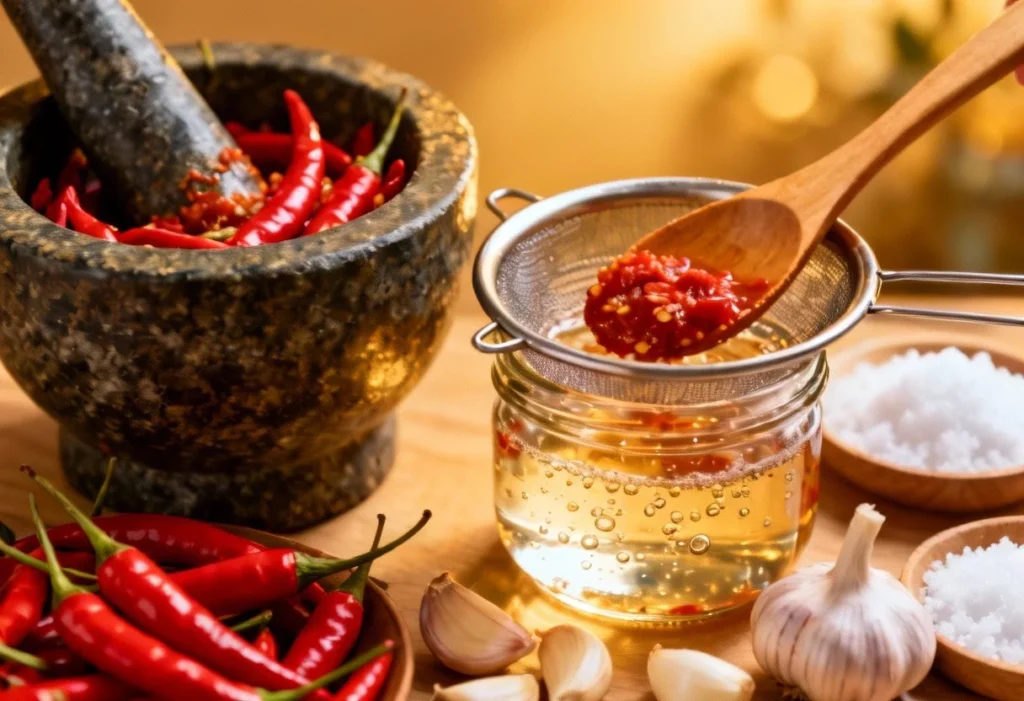
- Prepare the Peppers: Wash the peppers thoroughly. Remove the stems (leaving some of the stem on habaneros and other super-hot peppers can help reduce the heat slightly). If you want a milder sauce, remove the seeds and membranes (wear gloves!). Roughly chop the peppers, garlic, and onion (if using).
- Weigh the Ingredients: Using a kitchen scale, weigh the chopped peppers, garlic, and onion. This is important for calculating the correct amount of salt.
- Calculate Salt: Multiply the weight of your peppers and vegetables (in grams) by 0.02 (for 2% salt) or 0.03 (for 3% salt). The result is the amount of salt you need in grams.
- Combine Ingredients: In a large bowl, combine the chopped peppers, garlic, onion (if using), salt, and any optional add-ins.
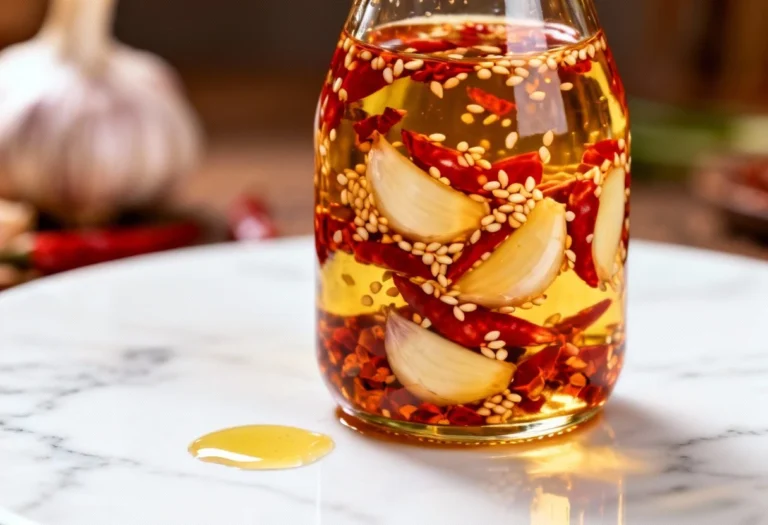
- Pack into Jar: Pack the mixture tightly into a clean, sterilized glass jar. Leave about 1-2 inches of headspace at the top.
- Add Brine: In a separate bowl, dissolve 1 teaspoon of salt in 1 cup of filtered water. Pour the brine over the pepper mixture, ensuring that all the solids are submerged. You may need to weigh down the mixture to keep it submerged. Use a fermentation weight, a small ziplock bag filled with water, or a clean glass pebble.
- Ferment: Cover the jar loosely with a lid, cheesecloth, or an airlock. If using a lid, burp the jar once or twice a day to release any built-up pressure. Ferment at room temperature (65-75°F) for 1-4 weeks. The longer it ferments, the more tangy and complex the flavor will become. Taste the mixture periodically to check for your desired flavor.
- Blend: Once the fermentation is complete, drain the peppers, reserving the brine. Transfer the peppers to a blender or food processor.
- Blend and Adjust: Blend the peppers until smooth. Add back some of the reserved brine until you reach your desired consistency.
- Strain (Optional): For a smoother sauce, strain the blended mixture through a fine-mesh sieve or cheesecloth.
- Adjust Acidity (Optional): Taste the hot sauce. If you want a brighter, more acidic flavor, add vinegar (1 teaspoon at a time) until you reach your desired taste.
- Bottle and Store: Pour the hot sauce into clean, sterilized bottles. Store in the refrigerator.
Tips for Success
- Use Fresh, High-Quality Peppers: The flavor of your hot sauce will only be as good as the peppers you use.
- Maintain Cleanliness: Sterilize your jars and equipment to prevent unwanted bacteria growth.
- Monitor the Fermentation: Check the jar regularly for any signs of mold or spoilage. If you see anything unusual, discard the batch.
- Don’t Be Afraid to Experiment: Try different combinations of peppers, spices, and fruits to create your own unique flavor profiles.
- Adjust the Salt Level: The salt level is crucial for successful fermentation. Too little salt can lead to spoilage, while too much salt can inhibit the fermentation process.
- Use an Airlock (Optional): An airlock allows gases to escape without letting air in, which can help prevent mold growth.
- Burp the Jar Regularly: If you’re not using an airlock, burp the jar once or twice a day to release any built-up pressure.
Storage Instructions
Fermented hot sauce should be stored in the refrigerator. Properly made and stored, it can last for several months, even up to a year. The flavor may continue to develop over time.
FAQ
- What if my hot sauce is too salty? Add a little bit of vinegar or lemon juice to balance the saltiness. You can also add some fresh vegetables, like carrots or cucumbers, to dilute the salt.
- What if my hot sauce is too sour? Add a pinch of sugar or a small amount of fruit to balance the acidity.
- What if my hot sauce isn’t hot enough? Use hotter peppers in your next batch! You can also add a pinch of cayenne pepper or chili flakes to the finished sauce.
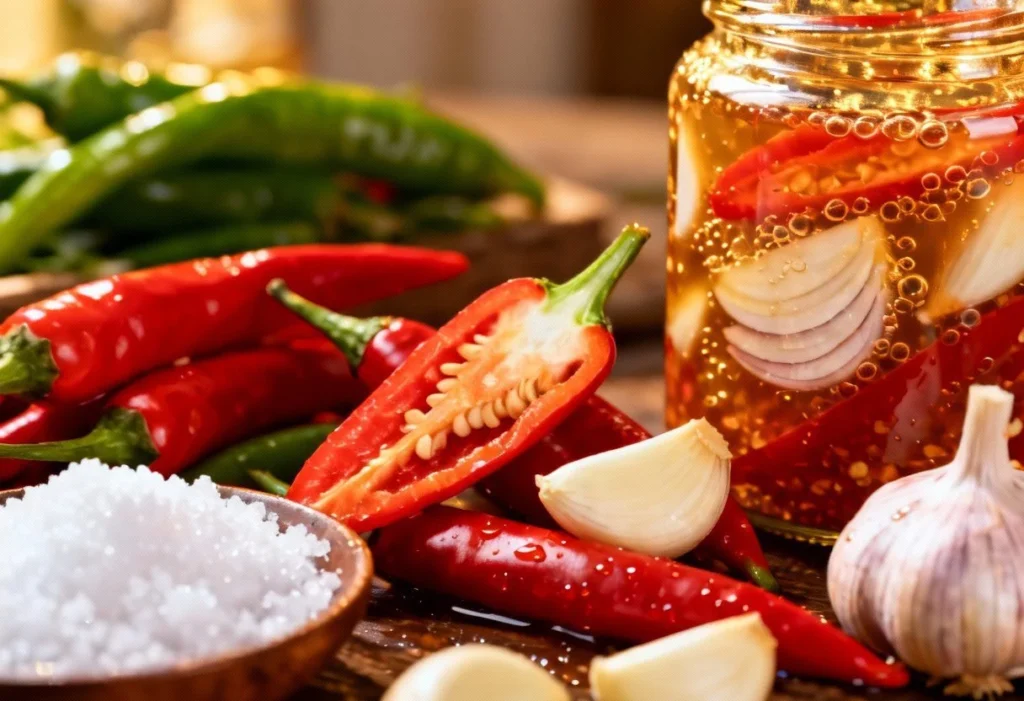
- Why is my hot sauce bubbling? Bubbling is a normal part of the fermentation process. It’s caused by the release of carbon dioxide gas as the bacteria consume sugars.
- Can I use dried peppers? While fresh peppers are preferred, you can use dried peppers. Rehydrate them in hot water before adding them to the fermentation.
- Is it safe to eat if there is kahm yeast on top? Kahm yeast is a harmless white film that can sometimes form on the surface of fermented foods. It’s not mold and doesn’t pose a health risk. You can simply scrape it off before blending.
🍰 The Master Baker & Prep Kit
Baking is a science, and meal prep requires efficiency. If you want consistently flaky pie crusts, perfectly risen cakes, and healthy meals ready for the week, these are the 5 upgrade tools that take your execution to the next level.
⚖️ OXO Good Grips 11lb Food Scale
The secret to why bakery bread and cookies are always perfect while home batches vary wildly. Measuring by weight (grams) instead of volume (cups) guarantees precise hydration and flawlessly consistent results every single time you bake.
🧑🍳 KitchenAid Classic Stand Mixer
The undisputed holy grail of the kitchen. From aggressively kneading heavy pizza doughs to whipping meringues into stiff peaks, this powerful motor saves your arms from exhaustion and cuts your hands-on prep time in half.
🍪 Silpat Premium Silicone Baking Mats
Stop wasting money on rolls of parchment paper or agonizing over cookies permanently fused to your metal pans. These reusable, professional-grade silicone mats ensure completely even heat distribution and instantly release even the stickiest caramel.
🌪️ Braun MultiQuick Immersion Blender
The ultimate shortcut tool for creamy tomato soups, lump-free gravies, and rapid smoothies. Avoid the burns and mess of dangerously transferring boiling liquids in batches to a traditional blender by simply blending right inside your cooking pot.
🍱 Premium Glass Meal Prep Containers
If you want to bake and cook healthier, batch preparation is required. These durable glass containers transition safely from freezer to microwave, never absorb tomato sauce stains, and feature airtight seals to keep your hard work fresh all week.
Conclusion
Congratulations! You’ve embarked on the exciting journey of making your own fermented hot sauce. This recipe is a starting point – feel free to experiment with different ingredients and techniques to create a sauce that’s perfectly tailored to your taste. With a little patience and practice, you’ll be crafting flavor-packed hot sauces that will impress your friends and family. So, grab your peppers, get fermenting, and unleash the flavor bomb!