Boiled Raisin Cake Recipe: Nostalgia in Every Bite!
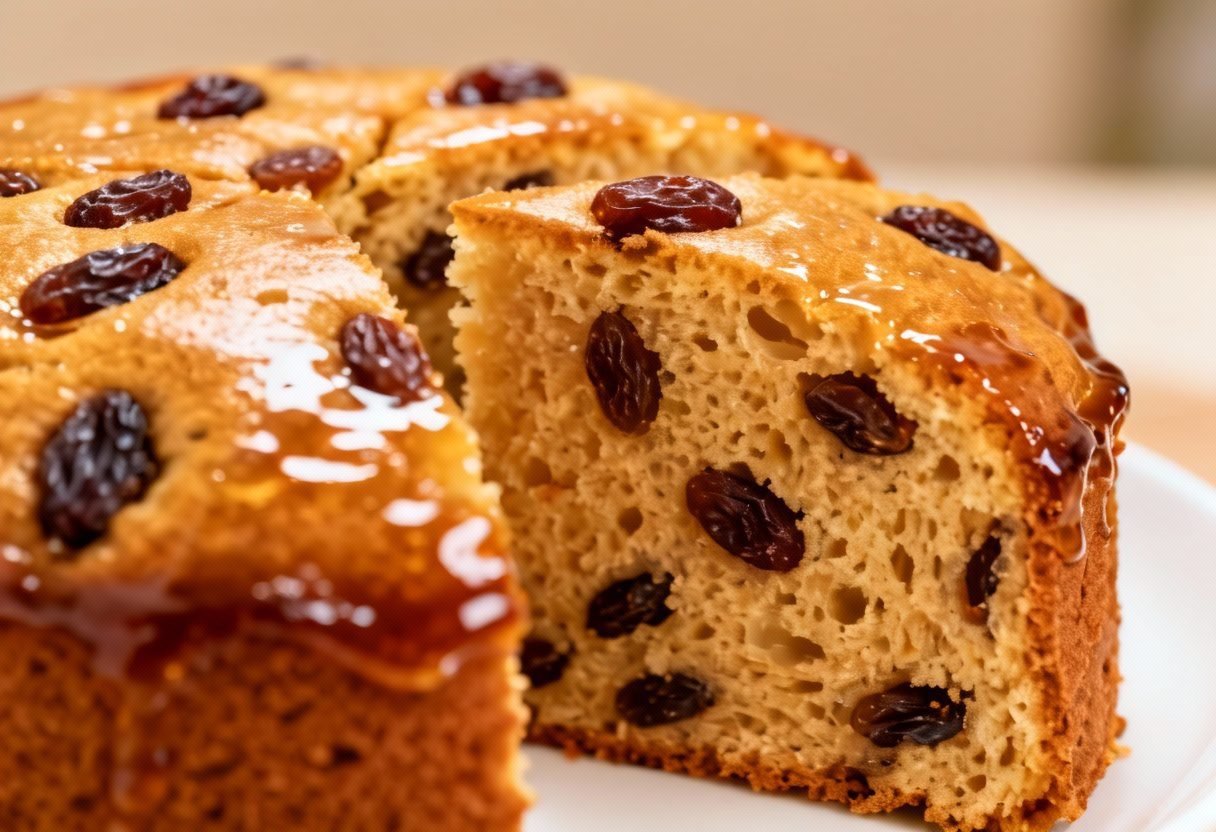
There’s something undeniably comforting about a classic raisin cake. Its rich, moist texture and warm spice notes evoke memories of cozy kitchens and cherished family recipes. This boiled raisin cake recipe takes that comforting feeling to a whole new level. The unique boiling method infuses the raisins with incredible plumpness and creates a deeply flavorful, almost caramelized base for the cake. Forget dry, crumbly raisin cakes – this one is guaranteed to be soft, moist, and bursting with deliciousness. Whether you’re a seasoned baker or just starting out, this recipe is surprisingly simple and rewarding. Get ready to experience a slice of nostalgia with every bite!
Why This Recipe Works
This isn’t your average cake recipe. The boiling process is the secret to its exceptional texture and flavor. Here’s why it works so well:
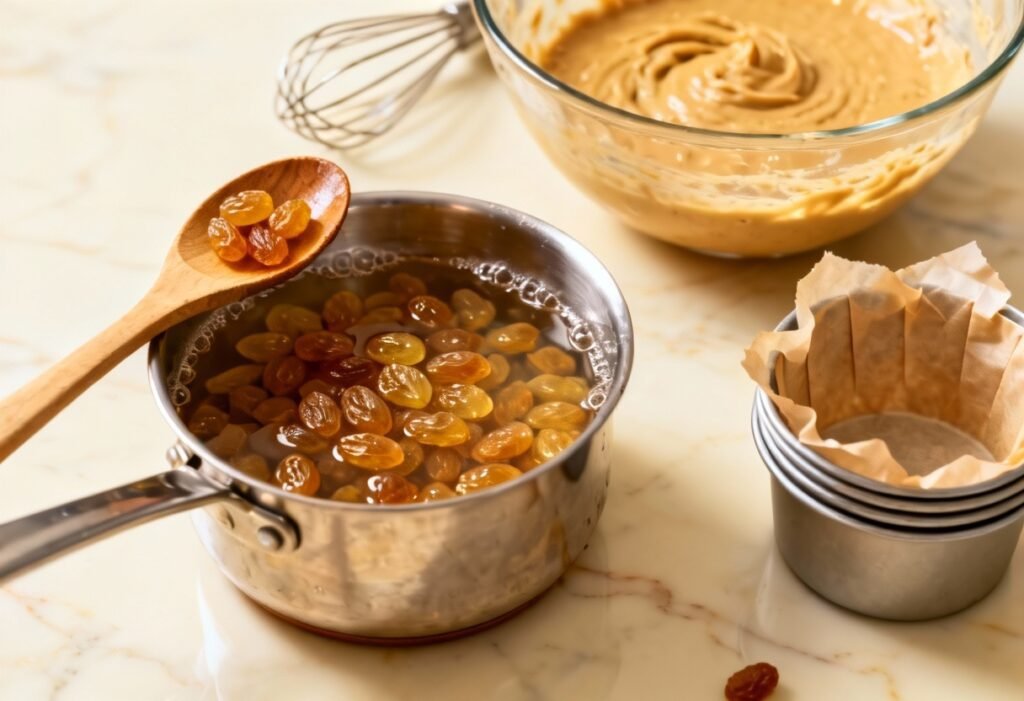
- Plump Raisins: Boiling the raisins in water, butter, and sugar rehydrates them beautifully, making them incredibly plump and juicy. This prevents them from drawing moisture away from the cake batter during baking, resulting in a moister final product.
- Caramelized Flavor: The sugar in the boiling mixture begins to caramelize, adding a deep, rich flavor to the raisins and infusing the entire cake with a subtle caramel note.
- Soft Texture: The boiling process also helps to soften the raisins, ensuring they don’t become hard and chewy in the finished cake.
- Easy to Adapt: This recipe is incredibly versatile. You can easily customize it with different spices, nuts, or even a simple glaze.
Ingredients
- 2 cups water
- 1 cup (2 sticks) unsalted butter
- 1 cup granulated sugar
- 1 teaspoon ground cinnamon
- ½ teaspoon ground cloves
- ¼ teaspoon ground nutmeg
- Pinch of salt
- 3 cups raisins
- 2 cups all-purpose flour
- 1 teaspoon baking soda
- 1 teaspoon baking powder
- 1 large egg, lightly beaten

Instructions
- Boil the Raisin Mixture: In a large saucepan, combine the water, butter, sugar, cinnamon, cloves, nutmeg, and salt. Bring the mixture to a boil over medium heat, stirring occasionally to ensure the sugar dissolves.
- Add Raisins and Simmer: Once boiling, add the raisins to the saucepan. Reduce the heat to low and simmer for 5 minutes, stirring occasionally to prevent sticking.
- Cool the Mixture: Remove the saucepan from the heat and let the raisin mixture cool completely. This is crucial – adding the dry ingredients while the mixture is hot will affect the texture of the cake. It should be lukewarm to the touch.
- Preheat Oven and Prepare Pan: Preheat your oven to 350°F (175°C). Grease and flour a 9×13 inch baking pan (or a bundt pan). This prevents the cake from sticking.
- Combine Dry Ingredients: In a large bowl, whisk together the flour, baking soda, and baking powder. This ensures the leavening agents are evenly distributed throughout the flour.
- Combine Wet and Dry Ingredients: Gradually add the flour mixture to the cooled raisin mixture, mixing until just combined. Be careful not to overmix, as this can lead to a tough cake.
- Add Egg: Stir in the lightly beaten egg until just incorporated. Again, avoid overmixing.
- Pour into Pan: Pour the batter into the prepared baking pan, spreading it evenly.
- Bake: Bake for 30-35 minutes, or until a wooden skewer inserted into the center comes out clean. The baking time may vary depending on your oven, so keep an eye on it.
- Cool and Serve: Let the cake cool in the pan for 10-15 minutes before inverting it onto a wire rack to cool completely. Slice and serve. Enjoy!
Tips for Success
Here are a few tips to ensure your boiled raisin cake turns out perfectly:
- Don’t Overboil: Simmering the raisin mixture for just 5 minutes is key. Overboiling can make the raisins too soft and mushy.
- Cool Completely: Ensure the raisin mixture is completely cooled before adding the dry ingredients. This is perhaps the most important step.
- Don’t Overmix: Overmixing the batter develops the gluten in the flour, resulting in a tough cake. Mix until just combined.
- Use Fresh Spices: Freshly ground spices will add the most flavor to your cake. If your spices are old, consider replacing them for a more vibrant taste.
- Test for Doneness: Use a wooden skewer to test for doneness. If the skewer comes out with wet batter, bake for a few more minutes and test again.
- Add Nuts (Optional): For added texture and flavor, consider adding 1/2 cup of chopped walnuts or pecans to the batter.
- Glaze (Optional): A simple glaze made with powdered sugar and milk or lemon juice can add a touch of sweetness and visual appeal.
Storage Instructions
To keep your boiled raisin cake fresh and moist, follow these storage instructions:
- Room Temperature: Store the cake in an airtight container at room temperature for up to 3 days.
- Refrigerator: For longer storage, store the cake in an airtight container in the refrigerator for up to a week.
- Freezer: You can also freeze the cake for up to 2 months. Wrap it tightly in plastic wrap and then in foil to prevent freezer burn. Thaw overnight in the refrigerator before serving.
FAQ
Q: Can I use different types of raisins?
A: Yes, you can use golden raisins or a mix of golden and dark raisins. The flavor will be slightly different, but the texture will be the same.
Q: Can I use brown sugar instead of granulated sugar?
A: Yes, you can substitute brown sugar for granulated sugar. It will add a richer, more molasses-like flavor to the cake.
Q: Can I make this recipe gluten-free?
A: Yes, you can substitute the all-purpose flour with a gluten-free all-purpose flour blend. Be sure to use a blend that contains xanthan gum to help bind the ingredients together.
Q: My cake is dry. What did I do wrong?
A: The most common cause of a dry raisin cake is overbaking. Be sure to check the cake for doneness with a wooden skewer and remove it from the oven as soon as the skewer comes out clean. Also, ensure you cooled the raisin mixture completely before adding the dry ingredients.
Q: Can I use a stand mixer for this recipe?
A: Yes, you can use a stand mixer. However, be careful not to overmix the batter.
Conclusion
This boiled raisin cake recipe is a true classic for a reason. Its moist texture, rich flavor, and comforting aroma make it a perfect treat for any occasion. The simple boiling method transforms ordinary raisins into plump, juicy jewels that elevate this cake to a whole new level of deliciousness. So, gather your ingredients, preheat your oven, and get ready to bake a cake that will transport you back to simpler times. Enjoy!