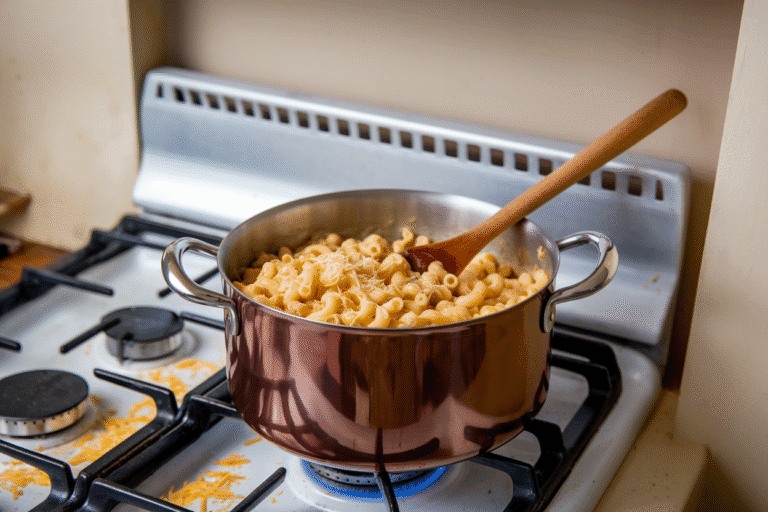
Japanese Udon Noodle Recipe: Slurp Your Way to Deliciousness!
Udon noodles – thick, chewy, and undeniably comforting. Whether you’re craving a warm bowl on a chilly evening or a quick and satisfying lunch, udon is a fantastic choice. This recipe brings the authentic flavors of Japanese udon right to your kitchen, offering a customizable and delicious experience that’s easier than you might think. Forget takeout; with a few simple ingredients and straightforward steps, you can create a restaurant-quality udon dish that will have everyone asking for seconds. Prepare to slurp your way to noodle nirvana!
Why This Recipe Works
This udon recipe is designed for simplicity and flavor. Here’s why it works so well:
- Authentic Dashi Broth: The foundation of great udon is the dashi broth. We use a combination of kombu (dried kelp) and bonito flakes to create a rich, umami-packed broth that forms the perfect base for the noodles and toppings.
- Perfectly Cooked Noodles: We guide you on how to cook the udon noodles to achieve that ideal chewy texture, whether you’re using fresh, frozen, or dried noodles.
- Customizable Toppings: The beauty of udon lies in its versatility. This recipe provides a foundation, allowing you to add your favorite proteins, vegetables, and garnishes to create a personalized and satisfying meal.
- Clear and Concise Instructions: We break down each step into easy-to-follow instructions, ensuring even beginner cooks can achieve fantastic results.
Ingredients
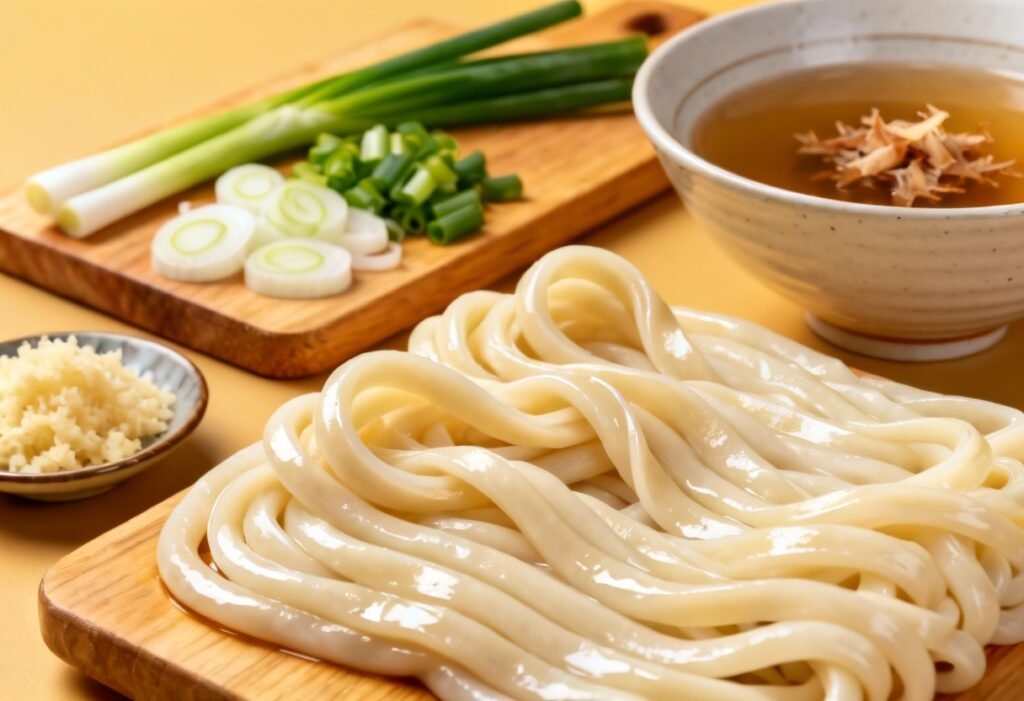
- Udon Noodles: 8 ounces (about 2 servings) fresh, frozen, or dried udon noodles. Frozen is often considered the best compromise between convenience and texture.
- Water: 4 cups
- Kombu (Dried Kelp): 4-inch piece
- Bonito Flakes (Katsuobushi): 1 cup
- Soy Sauce: 2 tablespoons
- Mirin (Sweet Rice Wine): 2 tablespoons
- Optional Toppings:
- Sliced scallions
- Kamaboko (fish cake), sliced
- Tempura shrimp or vegetables
- Soft boiled egg
- Aburaage (fried tofu pouches)
- Spinach or other leafy greens
- Thinly sliced beef or chicken
- Narutomaki (fish cake with a swirl design)
- Shichimi Togarashi (Japanese seven-spice blend)
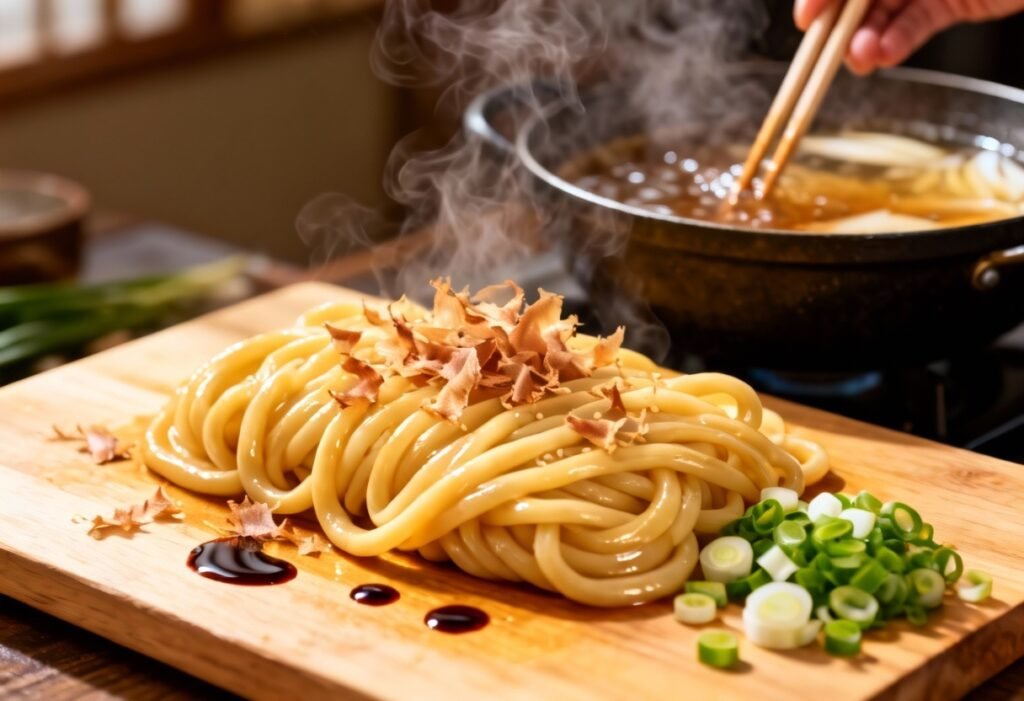
Instructions
- Prepare the Dashi Broth:
- In a medium saucepan, combine the water and kombu. Let it soak for at least 30 minutes (or up to overnight in the refrigerator). This allows the kombu to release its flavor.
- Place the saucepan over medium heat. Just before the water begins to boil (around 140-160°F or 60-70°C), remove the kombu. This prevents the broth from becoming bitter.
- Bring the water to a boil, then remove from heat. Add the bonito flakes and let them steep for 5 minutes.
- Strain the broth through a fine-mesh sieve lined with cheesecloth (optional) or a clean kitchen towel to remove the bonito flakes. Discard the kombu and bonito flakes.
- Season the Broth:
- Return the strained dashi broth to the saucepan.
- Add the soy sauce and mirin. Stir to combine.
- Bring the broth to a simmer over low heat. Taste and adjust the seasoning as needed. You may want to add a pinch of salt or a little more soy sauce for a saltier flavor.
- Cook the Udon Noodles:
- Follow the package directions for cooking your chosen type of udon noodles. Generally:
- Fresh Udon: Cook for 2-3 minutes in boiling water until heated through.
- Frozen Udon: Cook for 3-5 minutes in boiling water until thawed and heated through. Gently separate the noodles as they cook.
- Dried Udon: Cook according to package directions, usually 8-10 minutes, until tender but still slightly chewy.
- Drain the cooked noodles thoroughly. If using fresh or frozen noodles, rinse them briefly with cold water to stop the cooking process and remove excess starch. This helps prevent them from sticking together.
- Follow the package directions for cooking your chosen type of udon noodles. Generally:
- Assemble the Udon:
- Divide the cooked udon noodles between two bowls.
- Pour the hot dashi broth over the noodles.
- Arrange your desired toppings on top of the noodles and broth.
- Serve immediately and enjoy!
Tips for Success
- Don’t Overcook the Noodles: Overcooked udon noodles will be mushy. Aim for a slightly chewy texture.
- Use Good Quality Ingredients: The quality of your ingredients will significantly impact the flavor of your udon. Use good quality soy sauce, mirin, and dashi ingredients.
- Adjust the Broth to Your Taste: Feel free to adjust the amount of soy sauce and mirin to suit your personal preference. Some people prefer a saltier broth, while others prefer a sweeter one.
- Prepare Toppings in Advance: To streamline the cooking process, prepare your toppings while the dashi broth is simmering.
- Warm the Bowls: Warming the bowls before adding the noodles and broth will help keep the udon hot for longer. You can do this by filling the bowls with hot water for a few minutes, then emptying them before assembling the dish.
Storage Instructions
Udon noodles are best enjoyed fresh. However, leftovers can be stored separately in the refrigerator for up to 2 days.
- Udon Noodles: Store cooked udon noodles in an airtight container in the refrigerator. To prevent them from sticking together, toss them with a little sesame oil or vegetable oil.
- Dashi Broth: Store the dashi broth in an airtight container in the refrigerator.
- Toppings: Store any leftover toppings separately in airtight containers in the refrigerator.
To reheat, gently reheat the noodles in boiling water for a minute or two. Reheat the dashi broth in a saucepan over low heat or in the microwave. Assemble the udon with your desired toppings and serve immediately.
FAQ
Q: Can I use instant dashi powder instead of making dashi from scratch?
A: Yes, you can. While homemade dashi is superior in flavor, instant dashi powder is a convenient alternative. Follow the package directions for preparing the dashi broth.
Q: Can I make this recipe vegetarian?
A: Yes! Omit the bonito flakes from the dashi broth and use a vegetarian dashi powder or a mushroom-based dashi. You can also use vegetarian toppings like tofu, vegetables, and seaweed.
Q: Where can I find udon noodles?
A: Udon noodles are widely available in Asian grocery stores and many mainstream supermarkets. Look for them in the refrigerated or frozen section.
Q: Can I freeze the udon broth?
A: Yes, the dashi broth can be frozen for up to 2 months. Store it in an airtight container or freezer bag.
Q: What is mirin?
A: Mirin is a sweet rice wine used in Japanese cooking. It adds a subtle sweetness and shine to dishes. If you can’t find mirin, you can substitute it with a mixture of sake and sugar (1 tablespoon sake + 1 teaspoon sugar per 1 tablespoon mirin).
Conclusion
This Japanese udon noodle recipe is a fantastic way to bring a taste of Japan into your home. With its rich and flavorful broth, chewy noodles, and customizable toppings, it’s a dish that’s sure to please everyone. So, grab your chopsticks, gather your ingredients, and get ready to slurp your way to deliciousness! Don’t be afraid to experiment with different toppings and variations to create your own signature udon masterpiece. Happy cooking!