Low Calorie Bread Recipe: Guilt-Free Deliciousness!
Craving bread but watching your calorie intake? You’re not alone! Bread, a staple in many diets, often gets a bad rap for being high in calories and carbohydrates. But what if you could enjoy a slice (or two!) without the guilt? This low-calorie bread recipe is designed to satisfy your carb cravings while keeping your health goals in check. It’s surprisingly easy to make, uses simple ingredients, and delivers a delicious, satisfying loaf that’s perfect for sandwiches, toast, or simply enjoying on its own. Get ready to say hello to bread freedom!
Why This Recipe Works
This recipe isn’t just about reducing calories; it’s about creating a balanced and flavorful bread that you’ll actually enjoy. Here’s how it works:
- Strategic Ingredient Swaps: We’ve replaced some of the higher-calorie ingredients typically found in bread with lower-calorie alternatives, without sacrificing texture or taste. Think whole wheat flour blended with oat flour and a touch of vital wheat gluten.
- Increased Fiber: The inclusion of whole wheat flour and oat flour adds significant fiber, which not only helps you feel fuller for longer but also aids in digestion. Fiber also slows down the absorption of carbohydrates, preventing blood sugar spikes.
- Yeast Power: Yeast is essential for that classic bread texture and rise. We use active dry yeast for its reliable performance and ease of use.
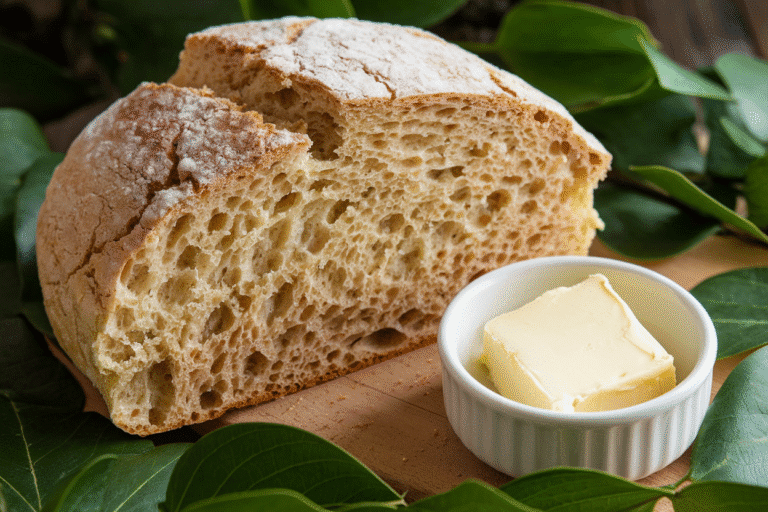
- Moisture Retention: A key to preventing dry, crumbly low-calorie bread is moisture. This recipe uses a combination of water and unsweetened applesauce to keep the bread soft and moist.
- Careful Baking: Baking time and temperature are crucial. We use a moderate oven temperature to ensure the bread is cooked through without drying out.
Ingredients
- 1 1/2 cups (180g) Whole Wheat Flour
- 1 cup (90g) Oat Flour
- 1/4 cup (30g) Vital Wheat Gluten
- 1 packet (2 1/4 teaspoons) Active Dry Yeast
- 1 teaspoon Salt
- 1 tablespoon Sugar or Honey (optional, for yeast activation)
- 1 cup (240ml) Warm Water (about 110°F/43°C)
- 1/2 cup (120ml) Unsweetened Applesauce
- 1 tablespoon Olive Oil

Instructions
- Activate the Yeast: In a large bowl, dissolve the sugar or honey (if using) in the warm water. Sprinkle the yeast over the water and let it sit for 5-10 minutes, until it becomes foamy. This indicates that the yeast is active and ready to use.
- Combine Dry Ingredients: In a separate bowl, whisk together the whole wheat flour, oat flour, vital wheat gluten, and salt.
- Combine Wet and Dry: Add the applesauce and olive oil to the yeast mixture. Then, gradually add the dry ingredients to the wet ingredients, mixing with a wooden spoon or spatula until a shaggy dough forms.
- Knead the Dough: Turn the dough out onto a lightly floured surface. Knead for 8-10 minutes, or until the dough becomes smooth and elastic. It will be slightly sticky, but resist the urge to add too much flour. The vital wheat gluten helps to develop structure, so don’t skip the kneading!
- First Rise: Place the dough in a lightly oiled bowl, turning to coat. Cover with plastic wrap or a clean kitchen towel and let it rise in a warm place for 1-1.5 hours, or until doubled in size.
- Shape the Dough: Gently punch down the dough to release the air. Shape it into a loaf and place it in a greased 8×4 inch loaf pan.
- Second Rise: Cover the loaf pan with plastic wrap or a clean kitchen towel and let it rise again in a warm place for 30-45 minutes, or until it has almost doubled in size.
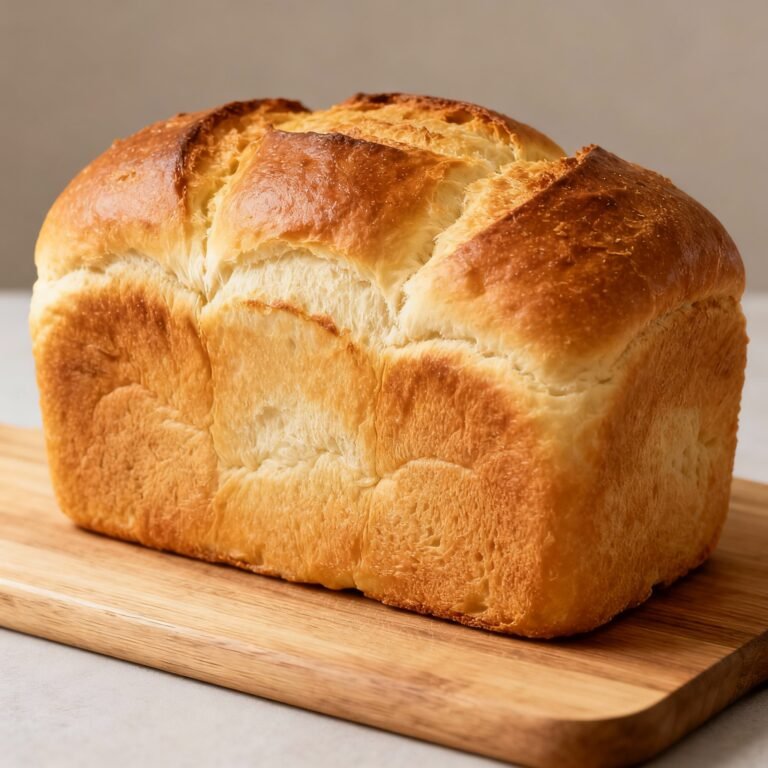
- Bake the Bread: Preheat oven to 350°F (175°C). Bake for 30-35 minutes, or until the bread is golden brown and sounds hollow when tapped on the bottom.
- Cool the Bread: Remove the bread from the oven and let it cool in the loaf pan for 10 minutes before transferring it to a wire rack to cool completely.
- Slice and Enjoy: Once the bread is completely cool, slice and enjoy!
Tips for Success
- Don’t Over-Knead: While kneading is important, over-kneading can result in a tough bread. Knead until the dough is smooth and elastic, but not excessively.
- Use a Kitchen Thermometer: Using a kitchen thermometer to check the water temperature for the yeast is crucial. Too hot, and you’ll kill the yeast. Too cold, and the yeast won’t activate properly.
- Warm Place for Rising: A warm place is essential for the dough to rise properly. You can use a proofing setting on your oven (if you have one), or simply place the bowl in a warm, draft-free area.
- Don’t Skip the Vital Wheat Gluten: Vital wheat gluten is crucial for providing structure to the bread, especially when using lower-gluten flours like oat flour. It helps the bread rise and prevents it from being crumbly.
- Cool Completely Before Slicing: This is important for preventing a gummy texture. Allow the bread to cool completely before slicing.
- Experiment with Flavors: Feel free to add spices like cinnamon, nutmeg, or herbs like rosemary or thyme to customize the flavor of your bread.
- Adjust Sweetness: The sugar or honey is primarily for feeding the yeast. You can adjust the amount to your liking or use a sugar substitute.
Storage Instructions
To keep your low-calorie bread fresh, store it properly:
- Room Temperature: Store the bread in an airtight container or a bread bag at room temperature for up to 3 days.
- Refrigerator: For longer storage, store the bread in an airtight container in the refrigerator for up to a week.
- Freezer: For the longest storage, slice the bread and freeze it in a freezer-safe bag for up to 2-3 months. Thaw individual slices as needed.

FAQ
- Can I use all whole wheat flour? Yes, you can. However, the bread will be denser. You may need to add a bit more water.
- Can I use all oat flour? No, using only oat flour will result in a very crumbly bread. The vital wheat gluten needs the protein in whole wheat flour to bind properly.
- Can I use a different type of oil? Yes, you can use any neutral-flavored oil, such as canola oil or avocado oil.
- Is this bread gluten-free? No, this bread contains gluten from the whole wheat flour and vital wheat gluten.
- What’s the calorie count per slice? The calorie count will vary depending on the thickness of your slices and the specific ingredients you use. However, this recipe is designed to be significantly lower in calories than traditional bread recipes. Use a calorie tracking app to get a more accurate count based on your specific ingredients and serving size.
- Can I use a bread machine? Yes, you can adapt this recipe for a bread machine. Follow your bread machine’s instructions for adding ingredients.
Conclusion
This low-calorie bread recipe offers a delicious and satisfying way to enjoy bread without compromising your health goals. By making strategic ingredient swaps and focusing on fiber and moisture, you can create a loaf that’s both flavorful and good for you. So go ahead, bake a loaf and enjoy a guilt-free slice of happiness! This recipe is a testament to the fact that you don’t have to sacrifice flavor or enjoyment to eat healthy. Happy baking!